
No products in the cart.
Sale

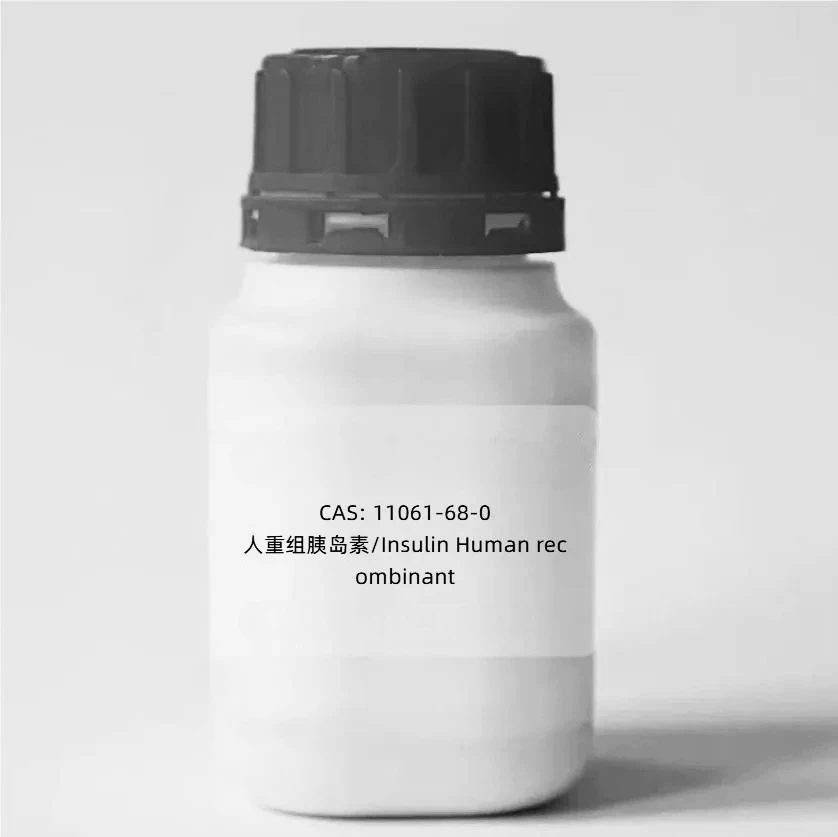

Human Insulin (CAS 11061-68-0) – High-Purity Peptide Powder | Factory Manufacturing & Low-Cost Wholesale Supply
Original price was: $26.00.$23.00Current price is: $23.00.
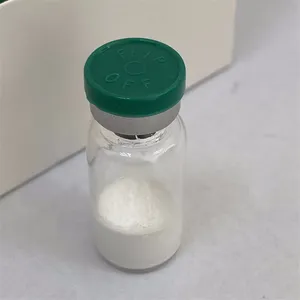
Human Insulin (CAS 11061-68-0) is a high-purity recombinant peptide widely used in diabetes research, metabolic studies, and endocrine system modeling. Produced via GMP-compliant factory synthesis, it is available in bulk with COA, MSDS, and QC documentation to ensure reproducible laboratory research.
Description
Contents
hide
Product Description
Human Insulin (CAS 11061-68-0) is a recombinant peptide hormone that plays a central role in glucose homeostasis, carbohydrate metabolism, and cellular energy regulation. It consists of two chains (A-chain: 21 amino acids; B-chain: 30 amino acids) linked by disulfide bonds, forming a biologically active molecule essential for regulating blood glucose levels. In laboratory research, Human Insulin is widely used to study insulin receptor signaling, glucose uptake, lipid metabolism, and pancreatic beta-cell function, as well as in diabetes model systems for both type 1 and type 2 diabetes studies.
Manufactured using GMP-grade recombinant peptide synthesis, Human Insulin ensures high purity and batch-to-batch reproducibility. Each lot undergoes rigorous HPLC and mass spectrometry validation, along with sterility and endotoxin testing, providing reliable performance in both in vitro and in vivo applications. Lyophilized powder format improves stability, simplifies long-term storage at 2–8 °C, and allows precise reconstitution for experimental use.
Human Insulin engages the insulin receptor (IR), a tyrosine kinase receptor, activating downstream PI3K/Akt and MAPK signaling cascades. This stimulates glucose transporter (GLUT4) translocation, glycogen synthesis, lipid metabolism, and protein synthesis. Its mechanism is fundamental for studying cellular growth, metabolic regulation, and receptor pharmacology, and it serves as a benchmark peptide for comparative studies of insulin analogs, receptor agonists, or antagonists.
Beyond metabolic studies, Human Insulin is applied in multi-omic research, including transcriptomics, proteomics, and phosphoproteomics, to elucidate molecular networks in insulin-responsive tissues. Researchers also integrate the peptide into organ-on-chip and microtissue models to study endocrine regulation, insulin resistance, and pharmacological modulation in a controlled environment. The peptide is compatible with both mechanistic studies and high-throughput screening workflows, supporting drug discovery and functional validation of therapeutic candidates.
Factory manufacturing enables cost-efficient bulk production and OEM customization for research institutions, CROs, and biotech companies. Each shipment includes comprehensive documentation (COA, MSDS, QC report, batch traceability), ensuring regulatory compliance and reproducible experimental outcomes. High-purity Human Insulin remains a cornerstone reagent in metabolic research, diabetes modeling, and receptor signaling investigations, offering both reliability and scalability for laboratory applications.

Product Specifications
| Parameter | Details |
|---|---|
| Product Name | Human Insulin |
| CAS Number | 11061-68-0 |
| Molecular Formula | C<sub>257</sub>H<sub>383</sub>N<sub>65</sub>O<sub>77</sub>S<sub>6</sub> |
| Molecular Weight | 5808 Da |
| Sequence | A-chain (21 aa) & B-chain (30 aa), connected via two interchain and one intrachain disulfide bonds |
| Purity | ≥98% (HPLC) |
| Form | Lyophilized Peptide Powder |
| Appearance | White to off-white powder |
| Solubility | Soluble in sterile water, PBS, or suitable buffers |
| Storage Temperature | 2–8 °C (lyophilized); −20 °C for long-term storage |
| Stability | Stable for ≥24 months under recommended storage |
| Endotoxin Level | <0.1 EU/mg |
| Source | Recombinant, GMP-grade peptide synthesis |
| Packaging Options | 1 mg, 5 mg, 10 mg, custom bulk OEM |
Notes :
Human Insulin is synthesized using recombinant peptide technology to ensure high purity, reproducibility, and activity across research applications. Lyophilized powder format ensures long-term stability at 2–8 °C while facilitating precise reconstitution. HPLC and mass spectrometry validate peptide identity, purity, and structural integrity, while sterility and endotoxin testing guarantee safety for in vitro and in vivo studies.
The peptide is highly soluble in sterile water or PBS, allowing accurate preparation of experimental concentrations for cell-based assays, receptor binding studies, and metabolic pathway analyses. Human Insulin is suitable for integration into multi-omic research, high-throughput screening, organ-on-chip models, and pharmacodynamic studies, providing consistent, reliable activity across diverse experimental designs.
Factory manufacturing enables bulk production with flexible OEM and customized packaging, while each batch includes comprehensive documentation: COA, MSDS, QC report, and batch traceability. These features ensure compliance with institutional protocols and high reproducibility. Its robust activity profile makes Human Insulin a foundational reagent for diabetes research, metabolic studies, insulin receptor signaling analysis, and translational experimental pipelines.
Mechanism of Action
Human Insulin (CAS 11061-68-0) is a recombinant peptide hormone that plays a central role in regulating glucose homeostasis, lipid metabolism, and protein synthesis in mammalian cells. Structurally, it consists of two polypeptide chains, the A-chain (21 amino acids) and B-chain (30 amino acids), connected by two interchain disulfide bonds and one intrachain disulfide bond, forming the biologically active conformation necessary for receptor engagement. Its primary mechanism involves binding to the insulin receptor (IR), a transmembrane tyrosine kinase receptor expressed in liver, muscle, adipose tissue, and other insulin-sensitive cells. Upon ligand binding, the receptor undergoes autophosphorylation at key tyrosine residues, triggering the recruitment of intracellular substrates such as insulin receptor substrate (IRS) proteins.
Activated IRS proteins then propagate downstream signaling through multiple cascades, including PI3K/Akt and MAPK/ERK pathways. The PI3K/Akt pathway mediates glucose transporter 4 (GLUT4) translocation to the plasma membrane in muscle and adipose tissue, facilitating glucose uptake. Concurrently, it promotes glycogen synthesis, protein translation, and lipogenesis, while suppressing gluconeogenesis in hepatocytes. The MAPK/ERK pathway primarily governs cell growth, proliferation, and differentiation, linking insulin signaling to broader metabolic and mitogenic effects.
Human Insulin also modulates lipid metabolism through the activation of acetyl-CoA carboxylase and related enzymes, stimulating fatty acid synthesis and triglyceride storage. Additionally, insulin signaling attenuates inflammatory pathways and oxidative stress by regulating NF-κB and FOXO transcription factors, which is particularly relevant in studies of insulin resistance, metabolic syndrome, and cardiovascular complications.
In vitro and in vivo research applications leverage these mechanisms to study diabetes pathophysiology, insulin receptor pharmacology, beta-cell function, and metabolic network integration. High-purity Human Insulin enables reproducible activation of these pathways, making it suitable for multi-omic analyses, receptor-specific screening, organ-on-chip metabolic modeling, and pharmacodynamic investigations. Its well-characterized kinetics, predictable dose-response, and receptor specificity provide reliable readouts for both mechanistic studies and high-throughput drug discovery assays.
Furthermore, Human Insulin serves as a benchmark peptide for comparing synthetic analogs, receptor agonists, or inhibitors, facilitating structure-function studies and validation of computational models of insulin signaling. Its robust and tiered biological activity—from rapid metabolic effects to long-term transcriptional regulation—supports integration into systems biology, computational modeling, and translational research pipelines, making it a foundational reagent for diabetes and metabolic research laboratories worldwide.
Applications
Human Insulin (CAS 11061-68-0) is widely used in metabolic, endocrine, and diabetes research due to its well-characterized role in glucose homeostasis and insulin receptor signaling. In vitro, it is applied to cellular models such as hepatocytes, adipocytes, myocytes, and pancreatic beta cells to investigate glucose uptake, glycogen synthesis, and lipid metabolism. Researchers also utilize Human Insulin to study insulin resistance, beta-cell dysfunction, and receptor pharmacology, which are central to understanding type 1 and type 2 diabetes pathophysiology.
In vivo, Human Insulin serves as a benchmark peptide for rodent diabetes models, including chemically induced hyperglycemia and genetically modified strains. It enables precise modulation of blood glucose, allowing mechanistic studies of endocrine signaling, energy balance, and metabolic compensation. The peptide is also integrated into organ-on-chip and 3D tissue models to mimic physiological insulin responses and study cross-talk between liver, muscle, and adipose tissues under controlled conditions.
Human Insulin is frequently used in multi-omic research workflows, including transcriptomics, proteomics, phosphoproteomics, and metabolomics, to map the molecular networks activated upon insulin receptor stimulation. These studies allow researchers to explore insulin-mediated regulation of downstream targets such as PI3K/Akt, MAPK, and GLUT4 translocation, providing insights into signaling kinetics, pathway crosstalk, and metabolic adaptation.
Additionally, Human Insulin is employed in pharmacological and high-throughput screening applications to evaluate insulin analogs, receptor agonists, and inhibitors. Its predictable, dose-dependent activity ensures reproducibility and reliable comparison of compound effects, making it an essential tool for preclinical research. High-purity, GMP-grade production supports bulk research applications, OEM customization, and translational studies, providing cost-effective, scalable solutions for academic and industrial laboratories.
By combining robust biological activity with precise, reproducible delivery, Human Insulin serves as a foundational reagent in studies of glucose metabolism, metabolic syndrome, diabetes, and insulin receptor pharmacology, enabling cutting-edge research across molecular, cellular, and system-level investigations.
Research Models
Human Insulin (CAS 11061-68-0) is extensively utilized in both in vitro and in vivo research models to study diabetes, metabolic regulation, and insulin signaling mechanisms. In cell-based assays, the peptide is applied to hepatocytes, myocytes, adipocytes, and pancreatic beta cells to investigate glucose uptake, glycogen synthesis, lipid metabolism, and receptor-mediated signaling. These models allow researchers to dissect PI3K/Akt and MAPK pathway activation, GLUT4 translocation, and downstream transcriptional responses under tightly controlled conditions. High-purity Human Insulin ensures consistent receptor engagement, enabling reproducible results in mechanistic studies and high-throughput screening workflows.
In vivo, Human Insulin is used in rodent models of type 1 and type 2 diabetes, including chemically induced hyperglycemia (e.g., streptozotocin models) and genetically modified strains such as db/db or ob/ob mice. It serves as a critical tool to modulate blood glucose levels, assess pharmacokinetics and pharmacodynamics of insulin analogs, and evaluate tissue-specific insulin sensitivity. Controlled dosing allows precise analysis of metabolic parameters, including hepatic glucose production, muscle glucose uptake, and adipose lipid storage.
Human Insulin is also applied in organ-on-chip and 3D tissue models, where researchers study coordinated responses of liver, muscle, and adipose tissue to insulin stimulation. These microphysiological systems replicate human metabolic physiology, providing insights into insulin resistance, tissue crosstalk, and endocrine regulation. Integration into multi-organ platforms enables systems-level investigation of insulin receptor signaling and glucose homeostasis.
Moreover, Human Insulin is leveraged in translational pharmacology and drug discovery models, where it acts as a reference peptide for testing receptor agonists, inhibitors, and novel analogs. Its high reproducibility and predictable signaling profile make it indispensable for benchmarking experimental outcomes, validating computational models, and optimizing multi-omic workflows.
Overall, Human Insulin serves as a foundational reagent across diverse research models, supporting high-quality mechanistic, translational, and therapeutic studies in diabetes, metabolic regulation, and insulin receptor biology.
Experimental Design Considerations
When designing experiments with Human Insulin (CAS 11061-68-0), careful consideration of concentration, exposure time, and model system is critical to ensure reproducibility and accurate interpretation of results. In in vitro studies, it is important to optimize peptide concentrations to activate insulin receptor signaling without inducing receptor desensitization or off-target effects. Researchers often perform dose–response titrations in hepatocytes, adipocytes, myocytes, and pancreatic beta cells to determine optimal levels for stimulating GLUT4 translocation, glycogen synthesis, and PI3K/Akt pathway activation. Time-course studies can help capture both immediate signaling events and downstream transcriptional changes.
For in vivo studies, Human Insulin dosing must consider species-specific pharmacokinetics, metabolic rate, and route of administration. Rodent models often require subcutaneous or intravenous injection, with precise dosing schedules to achieve stable blood glucose modulation without hypoglycemia. Careful monitoring of physiological endpoints such as blood glucose, insulin receptor activation, and metabolic biomarkers ensures reliable interpretation. Multi-timepoint sampling enhances understanding of pharmacodynamic profiles and receptor-mediated responses.
Integration with multi-omic approaches further influences experimental design. Transcriptomics, proteomics, phosphoproteomics, and metabolomics analyses require coordination of sample collection, peptide treatment timing, and tissue selection to ensure meaningful comparisons. Using high-purity, GMP-grade Human Insulin reduces variability and allows consistent activation of metabolic and signaling pathways across replicates and batches.
Additionally, for high-throughput screening and pharmacological studies, Human Insulin serves as a benchmark control to evaluate the potency and efficacy of novel insulin analogs or receptor modulators. Ensuring standardized peptide preparation, proper aliquoting, and adherence to storage conditions (2–8 °C for lyophilized powder) is essential to maintain activity. Researchers should also consider potential interactions with solvents, buffers, and other experimental agents that may affect peptide stability or bioactivity.
Overall, meticulous experimental design with Human Insulin—including dose optimization, timing, model selection, and multi-omic integration—maximizes data quality, reproducibility, and relevance to metabolic and endocrine research.
Laboratory Safety & Handling Guidelines
When working with Human Insulin (CAS 11061-68-0) in laboratory settings, adherence to proper biosafety, handling, and storage protocols is essential to maintain peptide integrity and ensure researcher safety. Although Human Insulin is a peptide intended for research use only, standard laboratory precautions should be applied, including the use of personal protective equipment (PPE) such as gloves, lab coats, and eye protection to prevent accidental exposure. Aerosolization should be avoided, and all handling should occur in clean, designated areas to minimize contamination risk.
The lyophilized peptide should be stored at 2–8 °C, protected from moisture, light, and repeated freeze–thaw cycles. Once reconstituted in sterile water or suitable buffer, aliquots should be prepared to minimize repeated handling, and samples should be stored at −20 °C or lower if long-term use is planned. Proper labeling of containers with peptide name, concentration, lot number, and storage conditions is recommended to ensure traceability and compliance with institutional safety protocols.
Researchers should avoid contact with incompatible chemicals, including strong acids, bases, and oxidizing agents, which can degrade the peptide or alter its bioactivity. Work surfaces, pipettes, and other laboratory tools must be decontaminated regularly, and waste should be disposed of according to institutional regulations for bioactive peptides. For in vivo experiments, additional animal handling protocols must be followed, including proper restraint, injection safety, and monitoring of physiological responses.
Human Insulin should be treated as a high-purity research reagent; while not hazardous in the context of small-scale handling, it is biologically active and may influence cell signaling, glucose metabolism, and receptor activation. Training personnel on proper pipetting, solution preparation, and handling techniques is crucial to prevent experimental variability and maintain a safe laboratory environment.
By following these laboratory safety and handling guidelines, researchers can ensure reproducible results, maintain peptide integrity, and comply with institutional and regulatory standards, supporting high-quality metabolic and endocrine research.
Integration with Multi-Omic & Computational Studies
Human Insulin (CAS 11061-68-0) is a foundational reagent for integration into multi-omic and computational research workflows aimed at understanding complex metabolic, endocrine, and signaling networks. In transcriptomics studies, insulin stimulation of hepatocytes, adipocytes, myocytes, or pancreatic beta cells allows researchers to map gene expression changes in insulin-responsive pathways, including PI3K/Akt, MAPK/ERK, and GLUT4 translocation. These transcriptional profiles can be correlated with proteomic and phosphoproteomic data to assess pathway activation, post-translational modifications, and signaling dynamics.
In proteomics, Human Insulin enables quantitative analysis of protein abundance and phosphorylation events downstream of insulin receptor activation. This allows researchers to identify key regulators of glucose and lipid metabolism, signaling cross-talk, and stress-response pathways. Metabolomics further complements these studies by quantifying insulin-mediated changes in intracellular metabolites, energy flux, and substrate utilization across tissues or cell types. These integrated omics approaches provide a systems-level understanding of insulin action, resistance mechanisms, and metabolic adaptation.
Human Insulin is also compatible with computational modeling and network biology, where experimental data can be used to construct predictive models of metabolic signaling, receptor dynamics, and endocrine regulation. Kinetic parameters derived from in vitro or in vivo experiments can be integrated into mechanistic simulations, machine learning models, or systems pharmacology studies, enabling prediction of dose-response relationships, tissue-specific effects, or drug interactions.
High-purity, GMP-grade Human Insulin ensures reproducibility across multi-omic platforms and allows seamless integration with automated workflows, high-throughput screening, and organ-on-chip systems. By combining omics datasets with computational analyses, researchers can uncover novel insights into insulin signaling networks, metabolic regulation, and therapeutic target identification, accelerating discovery in diabetes, metabolic syndrome, and endocrine research.
Overall, Human Insulin serves as a reliable tool for holistic, multi-layered research, bridging experimental data with computational insights to advance understanding of complex metabolic and endocrine processes in laboratory research.
Keywords
Human Insulin, CAS 11061-68-0, high-purity peptide, recombinant insulin, GMP-grade insulin, diabetes research, metabolic regulation, insulin receptor signaling, glucose uptake, multi-omic research, endocrine research, insulin analogs, OEM peptide, laboratory research, insulin pharmacology
Shipping Guarantee
All shipments of Human Insulin utilize temperature-controlled packaging (2–8 °C) and moisture protection to maintain peptide stability and sterility. Tamper-evident containers and secure handling ensure product integrity during transit. Each order includes tracking, batch documentation, and quality verification for reproducible research delivery. Global shipping is optimized for reliability and timely arrival to research institutions.

Trade Assurance
Factory-direct supply guarantees high-purity, GMP-grade Human Insulin with consistent batch quality. Bulk quantities, OEM customization, and peptide modifications are available to meet specialized research needs. Each shipment includes COA, MSDS, QC report, and batch traceability. Researchers and institutions can rely on secure procurement with guaranteed quality and on-time delivery.
Payment Support
We offer multiple secure international payment options, including bank transfer, corporate credit, PayPal, major credit cards, and cryptocurrency for eligible customers. Bulk, multi-unit, and OEM orders can benefit from flexible payment arrangements tailored to research institutions. All transactions are fully documented to ensure transparency, traceability, and compliance. Our systems are designed for efficient, reliable, and global procurement of high-purity research peptides.
Disclaimer
Human Insulin is intended for laboratory research use only and is not for human or veterinary use, clinical applications, or consumption. Users must follow institutional biosafety and regulatory protocols when handling the peptide. All experimental applications are strictly confined to controlled laboratory settings. Researchers are responsible for compliance with local laws and safety standards.
References
NCBI Bookshelf – The Biochemistry and Physiology of Insulin
Detailed overview of insulin structure, function, and receptor signaling.PubChem Compound Summary – Human Insulin
Chemical properties, molecular data, and biological activity of Human Insulin (CAS 11061-68-0).UniProt Entry for Human Insulin Precursor (INS_HUMAN)
Includes sequence data, precursor processing, and receptor interaction annotations.RCSB Protein Data Bank – Insulin Structure
High-resolution 3D structure of Human Insulin and receptor-binding conformation.ScienceDirect – Insulin in Metabolic Research
Review covering peptide synthesis, quality control, and applications in metabolic and diabetes research.

Additional information
| Weight | 1 kg |
|---|---|
| Dimensions | 26 × 23 × 26 cm |
1. What is Human Insulin used for in research?
Human Insulin is widely used in metabolic, endocrine, and diabetes research to study glucose uptake, glycogen synthesis, and insulin receptor signaling. It serves as a benchmark peptide for investigating insulin resistance, beta-cell function, and receptor pharmacology in both in vitro and in vivo models.
2. What purity does this Human Insulin provide?
Our Human Insulin is ≥98% pure, validated by HPLC and mass spectrometry. High-purity ensures minimal off-target effects, reproducibility across experiments, and reliability in multi-omic and high-throughput research.
3. Can Human Insulin be used in animal studies?
Yes, it is suitable for rodent diabetes models and other in vivo systems. Researchers must carefully monitor dosage and physiological parameters to avoid hypoglycemia and ensure reproducible metabolic responses.
4. How should Human Insulin be reconstituted?
Lyophilized Human Insulin should be reconstituted in sterile water or suitable buffer, aliquoted to prevent repeated freeze–thaw cycles, and stored at 2-8 °C for long-term use. Proper aseptic technique is essential for experimental reliability.
5. What storage conditions are recommended?
Store lyophilized Human Insulin at 2–8 °C. After reconstitution, aliquots should be frozen at −20 °C or below and protected from light to maintain peptide integrity and biological activity.
6. Can Human Insulin be used for high-throughput screening?
Yes, its reproducible activation of insulin receptor pathways makes it ideal for high-throughput assays testing insulin analogs, receptor modulators, or pharmacological compounds.
7. Is this peptide compatible with multi-omic studies?
Absolutely. Human Insulin can be integrated into transcriptomic, proteomic, metabolomic, and phosphoproteomic workflows to study comprehensive molecular responses to insulin stimulation.
8. Are there any side effects in research models?
Observed effects are limited to experimental models and include receptor desensitization in vitro or transient hypoglycemia in vivo at high doses. These effects are dose- and exposure-dependent.
9. Can bulk or custom orders be fulfilled?
Yes, bulk quantities and OEM customization are available. Each batch includes full documentation (COA, MSDS, QC) to ensure reproducibility and regulatory compliance.
10. How is shipment tracked and ensured?
All orders come with temperature-controlled, moisture-protected packaging, tracking, and batch documentation. This ensures the peptide arrives intact and ready for reliable laboratory use.
Related products
Retatrutide Raw Material Factory: Low-Price Wholesale for High-Purity Peptides
Retatrutide MOQ 1 Box Source Dry Powder Original price was: $38.00.$22.00Current price is: $22.00.GLP-1/GIP/glucagon combination therapy The Future of Metabolic Treatment (Wholesale Supplier Guide)
GLP-1/GIP/glucagon combination therapy Original price was: $38.00.$23.00Current price is: $23.00.99.9% Effective Weight Loss Shaping Peptide – Beauty Peptide Factory Direct Low Price Wholesale
Peptide Purity 99% Specification 5mg/vial, 10mg/vial, 15mg/vial Original price was: $38.00.$23.00Current price is: $23.00.Anti-Aging Peptide Raw Powder CAS 307297-39-8 Epitalon – Low Price Wholesale
Anti-Aging Moq:10 vials per box Appearance:Lyophilized powder Purity:99% Original price was: $29.00.$23.00Current price is: $23.00.

Reviews
There are no reviews yet.