
No products in the cart.
Sale

Insulin Peglispro (CAS 1200440-65-8) | Basal Insulin for Glycemic Control Research | GMP Supplier
Original price was: $20.00.$16.00Current price is: $16.00.
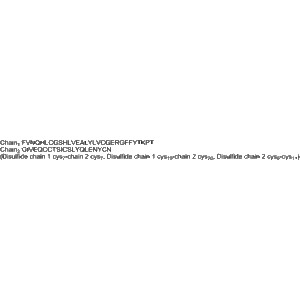
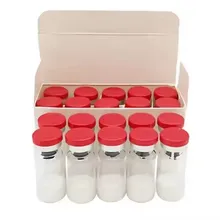
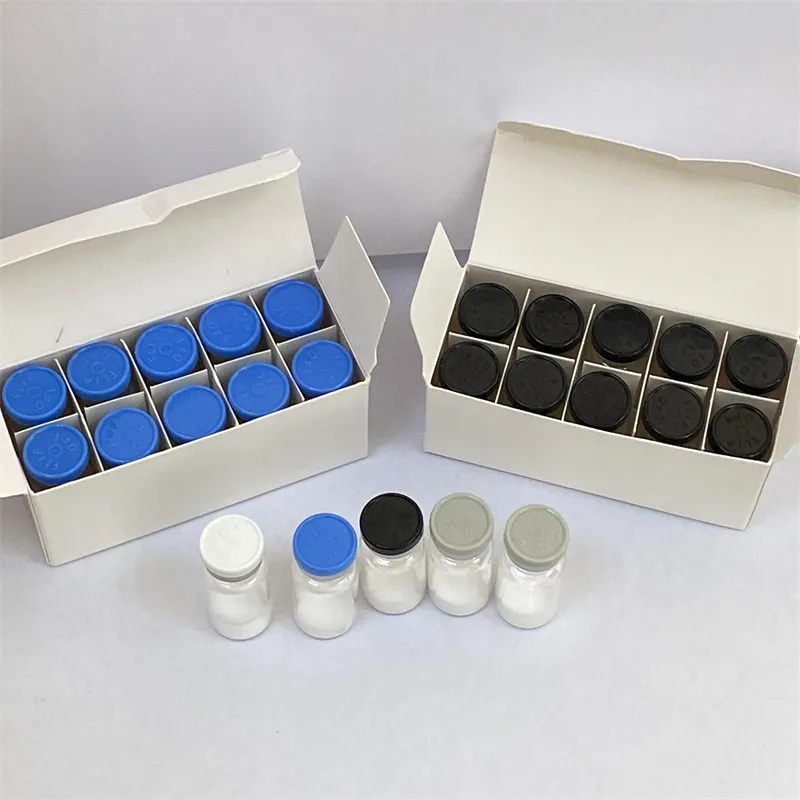
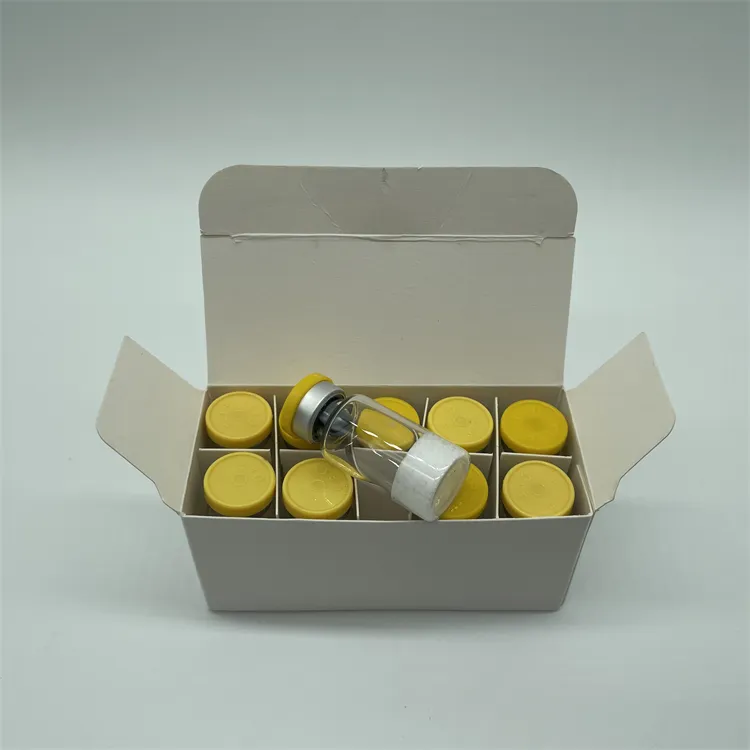
Insulin Peglispro (BIL) is a synthetic basal insulin analog designed for research applications in diabetes and glucose regulation. It demonstrates a flat, prolonged activity profile, offering improved glycemic stability compared to conventional insulins. Supplied in GMP-grade form for reproducible laboratory experiments, suitable for both wholesale and retail.
For laboratory research use only.
Description
Product Description
Insulin Peglispro is a long-acting basal insulin analog, engineered to provide sustained glycemic control for preclinical research applications. Chemically modified through pegylation, the peptide demonstrates reduced clearance, prolonged half-life, and flat pharmacodynamic profile, distinguishing it from conventional human insulin and other basal analogs.
The primary mechanism of Insulin Peglispro involves insulin receptor activation in peripheral tissues such as skeletal muscle and adipose tissue. Upon receptor engagement, it stimulates glucose uptake, glycogen synthesis, and lipid metabolism regulation, while suppressing hepatic glucose output. This dual action allows laboratories to study basal glucose homeostasis, insulin signaling, and metabolic regulation under controlled experimental conditions.
Preclinical studies using rodent and non-human primate models have shown that Insulin Peglispro provides stable basal insulin coverage, minimizing glucose fluctuations and reducing the risk of hypoglycemia compared to conventional insulin preparations. Its flat activity profile enables continuous basal insulin exposure, facilitating investigations into glycemic control dynamics, insulin resistance, and beta-cell function.
In translational research, Insulin Peglispro is particularly valuable for studying type 1 and type 2 diabetes, obesity-related insulin resistance, and pharmacokinetics of long-acting insulin analogs. Its pegylation not only prolongs systemic exposure but also reduces the frequency of experimental dosing, enhancing reproducibility and laboratory efficiency.
The GMP-grade production ensures high purity, consistent batch quality, and structural integrity, crucial for laboratory research and preclinical studies. The lyophilized peptide is stable under standard storage conditions, allowing long-term experiments in cellular, tissue, and whole-animal models.
Additionally, Insulin Peglispro supports mechanistic research into insulin receptor signaling, glucose transporter dynamics, hepatic glucose production, and the interaction of basal insulin with other hormonal modulators such as glucagon, GLP-1, and amylin. This versatility makes it an indispensable tool for laboratories investigating glycemic regulation, diabetes pharmacology, and metabolic disease mechanisms.
?? Disclaimer: For laboratory research use only. Not for human or veterinary use.
Product Specifications
| Parameter | Details |
|---|---|
| Product Name | Insulin Peglispro (BIL) |
| Synonyms | BIL, PEGylated insulin |
| CAS Number | 1200440-65-8 |
| Molecular Type | Synthetic insulin analog |
| Purity | ? 98% (HPLC) |
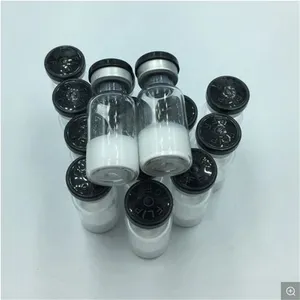
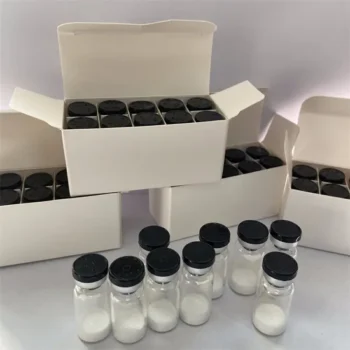
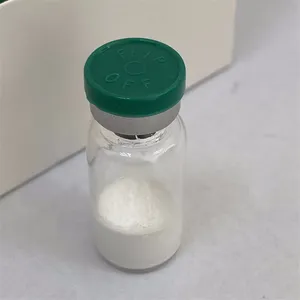
| Appearance | White to off-white lyophilized powder |
| Solubility | Soluble in aqueous buffers and DMSO |
| Stability | Stable ? 24 months in lyophilized form |
| Storage Conditions | Store at -20°C; avoid repeated freeze-thaw cycles |
| Mechanism | Basal insulin analog; activates insulin receptor |
| GMP Compliance | Manufactured in GMP-certified facility |
| Application | Laboratory research in diabetes, glucose regulation, insulin signaling |
| Availability | Wholesale & retail supply |
| Experimental Models | Rodent, non-human primate, in vitro insulin-responsive cell lines |
| Safety Considerations | Handle with standard laboratory precautions; research-use only |
Insulin Peglispro’s specifications ensure consistent peptide quality, reproducible pharmacodynamic effects, and suitability for extensive preclinical investigations in metabolic research.
Mechanism of Action & Research Applications
Insulin Peglispro exerts its biological activity by binding to the insulin receptor (IR), a tyrosine kinase receptor expressed in peripheral tissues. Upon binding, the receptor undergoes autophosphorylation, initiating a cascade of intracellular signaling events that regulate glucose uptake, glycogen synthesis, and lipid metabolism. Pegylation of Insulin Peglispro extends its half-life and provides a flat pharmacodynamic profile, reducing peak-to-trough variability in blood glucose.
Mechanism Overview:
Insulin Receptor Activation
Peglispro binds IR with high affinity, stimulating GLUT4 translocation to the cell membrane and enhancing glucose uptake into skeletal muscle and adipose tissue.Hepatic Glucose Suppression
Basal insulin activity inhibits hepatic gluconeogenesis and glycogenolysis, promoting stable basal glucose levels.Prolonged Activity via Pegylation
The PEG moiety reduces renal clearance and proteolytic degradation, allowing sustained insulin action and minimal glycemic fluctuations.Signaling Pathways
Activation of PI3K/AKT and MAPK pathways facilitates cellular metabolism, growth, and survival, enabling mechanistic studies of insulin action.
Research Applications:
Diabetes Models
Study basal insulin requirements, glucose homeostasis, and insulin resistance in type 1 and type 2 diabetes models.Glycemic Control Studies
Evaluate pharmacokinetics, dose-response, and comparative efficacy of long-acting insulin analogs.Insulin Signaling Research
Explore receptor activation, GLUT4 trafficking, and downstream metabolic pathways in vitro and in vivo.Metabolic Syndrome Investigations
Examine the interaction of basal insulin with obesity, hepatic steatosis, and lipid metabolism.Combination Therapy Models
Assess synergistic effects with GLP-1 analogs, amylin analogs, or other metabolic agents.Mechanistic Studies
Investigate insulin receptor desensitization, feedback loops with glucagon, and counterregulatory hormonal responses.Translational Research
Inform development of long-acting insulin therapies with improved pharmacodynamic profiles and reduced hypoglycemia risk.
Insulin Peglispro’s flat, prolonged activity profile and GMP-grade reproducibility make it a versatile tool for comprehensive studies in glycemic regulation, diabetes pharmacology, and endocrine research.
Side Effects (For Reference in Research Models)
Experimental observations in preclinical models include:
Hypoglycemia Risk
Dose-dependent plasma glucose reduction may occur; careful monitoring is required.Hepatic and Renal Responses
Changes in glycogen content or enzyme activity may be observed in high-dose studies.Cardiovascular Effects
Mild transient effects on heart rate or blood pressure reported in animal models.Weight and Metabolic Effects
Chronic studies may show alterations in body weight or lipid metabolism due to prolonged insulin activity.Injection Site Reactions
Local irritation may occur in subcutaneous administration models.Pharmacokinetic Considerations
Stability is maintained in lyophilized form; repeated freeze-thaw cycles should be avoided.Experimental Model Observations
Effects may vary depending on species, dosage, diet, and experimental design.
?? These observations are strictly for laboratory research reference. Insulin Peglispro is not intended for human or veterinary use. Researchers should adhere to standard laboratory safety protocols.
Disclaimer
For laboratory research use only. Not for human or veterinary use.
Keywords
Insulin Peglispro
BIL insulin analog
Basal insulin research peptide
Glycemic control research peptide
GMP supplier Insulin Peglispro
Diabetes research peptide
Long-acting insulin analog
Laboratory glucose regulation peptide
Preclinical metabolic research peptide
Additional information
| Weight | 0.6 kg |
|---|---|
| Dimensions | 53 × 28 × 53 cm |
Related products
USA Warehouse 99% IV Infusion Therapy Anti-Aging Injection Peptide for Weight Loss & Muscle Building
USA Warehouse 99% IV Infusion Therapy Anti-Aging Injection Peptide for Weight Loss & Muscle Building Original price was: $38.00.$23.00Current price is: $23.00.Anti-Aging Peptide Raw Powder CAS 307297-39-8 Epitalon – Low Price Wholesale
Anti-Aging Moq:10 vials per box Appearance:Lyophilized powder Purity:99% Original price was: $29.00.$23.00Current price is: $23.00.USA-Peptide-Janoshik Lyophilized Peptide Raw Powder for Muscle Building & Weight Loss
Lyophilized peptide raw powder Moq:10 vials per box Appearance:Lyophilized powder Original price was: $32.00.$24.00Current price is: $24.00.GLP-1 Retatrutide Weight Loss Slimming low price wholesale
GLP-1 peptide slimming product, 5mg 10mg 15mg vials, metabolic health- Application: Health Care Supplement
- Form: Disposable vials
- Dosages: 5mg, 10mg, 15mg
- Purity: >99%

Reviews
There are no reviews yet.