
No products in the cart.
Sale
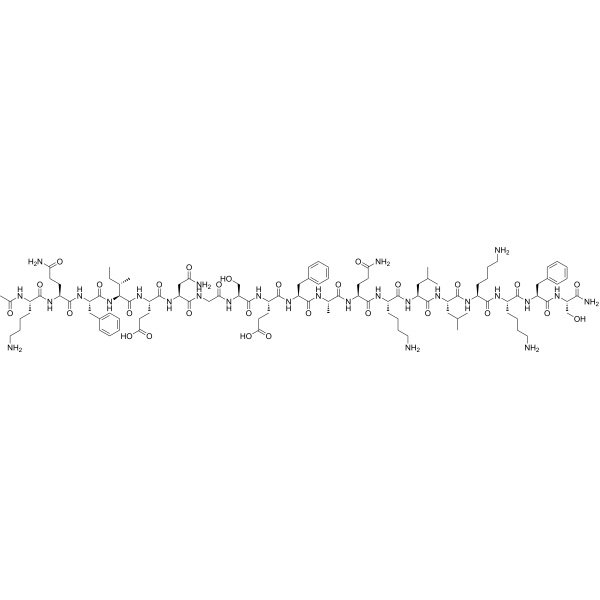
Lacripep (CAS No. 2243095-21-6) | Synthetic Tear Protein | GMP Supplier
Original price was: $16.00.$14.00Current price is: $14.00.
Lacripep is a synthetic tear protein with binding affinity to syndecan-1 (SDC1). It restores progenitor cell identity, supports epithelial repair, and resolves dry eye in research models. Manufactured in GMP-compliant facilities, supplied for laboratory research purposes only.?If you need to place an order or inquire about wholesale product prices, specifications and uses, please contact our staff?
Description
Lacripep (CAS No. 2243095-21-6) is a synthetic tear protein designed to mimic and enhance the biological activity of natural tear proteins, specifically targeting pathways involved in ocular surface repair and regeneration. This peptide-based compound has attracted significant attention within ophthalmology and regenerative medicine research due to its ability to bind and activate syndecan-1 (SDC1), a key cell surface receptor that regulates progenitor cell function, epithelial integrity, and tissue repair mechanisms.
One of the primary research interests surrounding Lacripep is its potential application in dry eye disease (DED) models. Dry eye is a multifactorial condition characterized by instability of the tear film, chronic inflammation, and epithelial barrier dysfunction. In preclinical research settings, Lacripep has demonstrated the ability to restore progenitor cell identity, repair epithelial defects, and reduce inflammatory cascades, thereby offering a powerful experimental model for the development of novel therapeutic strategies.
Produced in GMP-certified facilities, Lacripep is supplied as a highly purified compound, ensuring reproducibility and consistency for laboratory experiments. Its synthetic peptide nature allows for precise structural control, avoiding variability often seen in biologically derived proteins. This ensures that Lacripep is particularly well-suited for studies in ocular surface biology, regenerative medicine, and cellular signaling research.
From a mechanistic standpoint, Lacripep functions by engaging syndecan-1, a heparan sulfate proteoglycan receptor widely expressed in epithelial tissues. Binding to syndecan-1 initiates downstream signaling pathways, including ERK and STAT activation, which promote cell survival, proliferation, and barrier function. These biological activities make Lacripep a valuable research tool for understanding epithelial homeostasis and injury repair.
Beyond ophthalmology, Lacripep also holds potential for broader tissue repair applications, including skin barrier research, mucosal integrity studies, and inflammation models. Its activity profile suggests that it may provide insight into mechanisms of epithelial regeneration across multiple organ systems.
Researchers are increasingly leveraging Lacripep in both in vitro and in vivo studies to evaluate its effects on progenitor cell biology, barrier restoration, and anti-inflammatory responses. With its high purity and GMP-compliant manufacturing standards, it is an ideal compound for translational research aiming to explore new therapeutic avenues for ocular and epithelial disorders.
Lacripep is available for both wholesale and retail supply, making it accessible to academic laboratories, pharmaceutical companies, and research institutes worldwide. It is important to emphasize that this compound is strictly intended for laboratory research use only and is not approved for human consumption, medical treatment, or diagnostic applications.
Product Specifications
| Parameter | Details |
|---|---|
| Product Name | Lacripep |
| CAS Number | 2243095-21-6 |
| Synonyms | Synthetic tear protein, SDC1-binding peptide |
| Molecular Type | Synthetic peptide |
| Purity | ? 98% (HPLC analysis) |
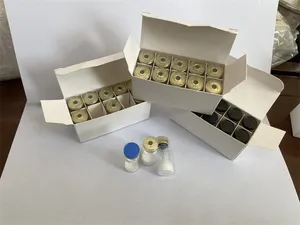
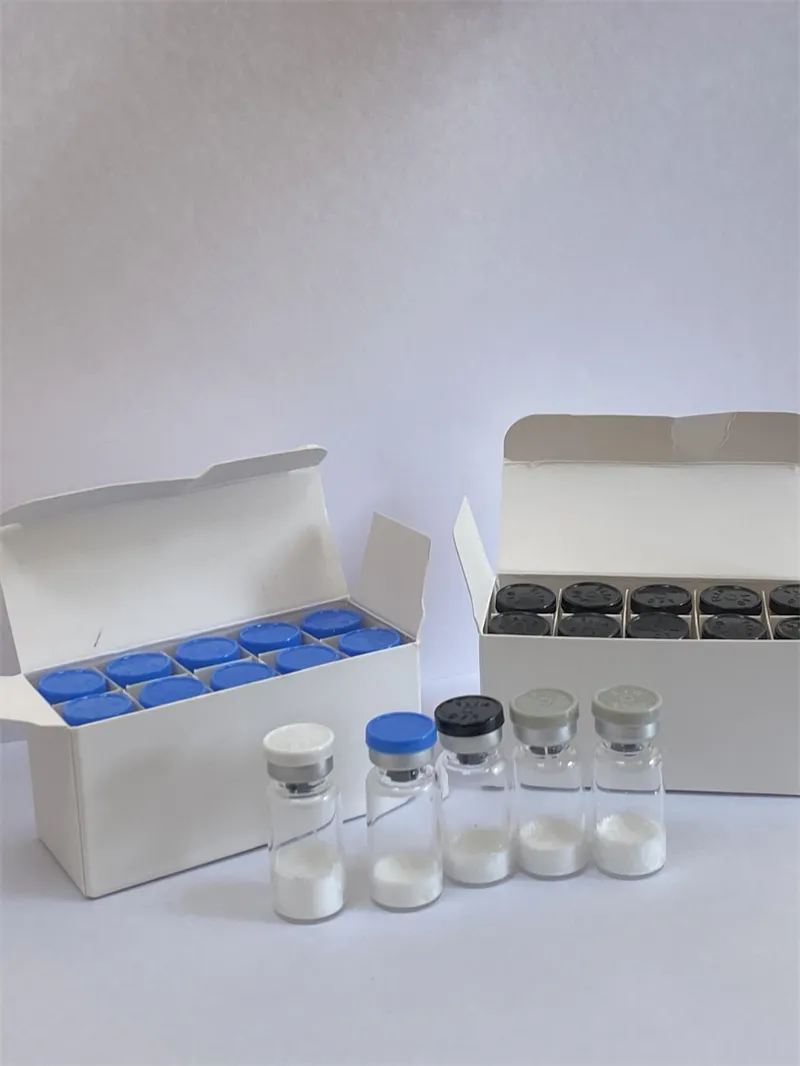
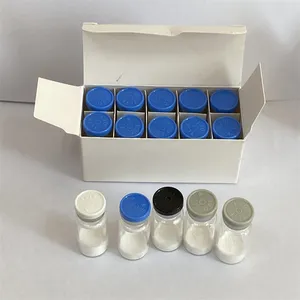
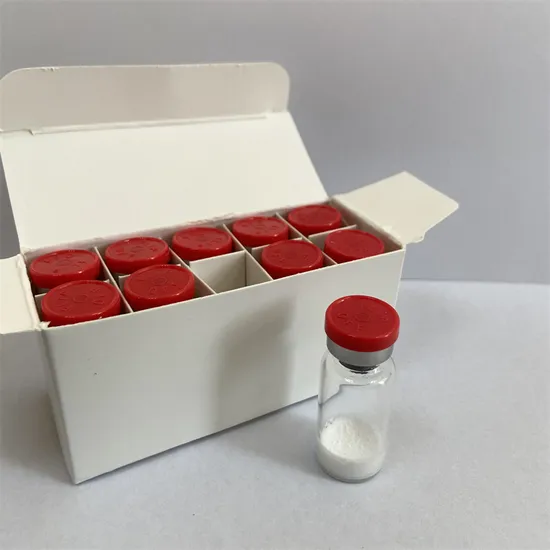
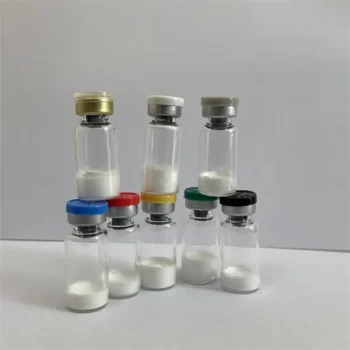
| Appearance | Lyophilized white to off-white peptide powder |
| Molecular Formula | Peptide sequence-based (details available on request) |
| Stability | Stable for long-term storage at -20°C; avoid repeated freeze-thaw cycles |
| Storage Conditions | Store at -20°C in a desiccated, inert atmosphere |
| Solubility | Soluble in aqueous buffers and peptide-compatible solvents |
| GMP Compliance | Manufactured in GMP-certified facility |
| Applications | Laboratory research in ophthalmology, regenerative medicine, epithelial biology, and inflammation models |
| Availability | Wholesale & retail supply |
Mechanism of Action & Research Applications
Lacripep operates through a well-defined interaction with syndecan-1 (SDC1), a cell surface proteoglycan that modulates multiple cellular processes, including adhesion, migration, proliferation, and differentiation. Upon binding to SDC1, Lacripep triggers intracellular signaling cascades that involve ERK2 and STAT3 pathways, which are central regulators of progenitor cell activity and epithelial barrier restoration.
In ocular research models, this activity translates into enhanced tear film stability, reduced corneal epithelial damage, and improved barrier integrity. Research findings suggest that Lacripep promotes regeneration of corneal progenitor cells, effectively resetting their identity and boosting their capacity for self-renewal. These effects make it a valuable research tool for studying dry eye disease, epithelial repair, and regenerative ophthalmology.
The peptide’s anti-inflammatory properties also play a crucial role in research. By downregulating pro-inflammatory cytokines and restoring epithelial homeostasis, Lacripep contributes to a balanced tissue environment that supports repair and regeneration. This dual function—barrier restoration and inflammation resolution—positions Lacripep as a unique compound for laboratory studies into complex ocular diseases.
Beyond ophthalmology, Lacripep has promising research applications in epithelial biology across various systems, including skin and mucosal tissues. Its role in reinforcing epithelial barrier function and modulating immune responses provides insights into mechanisms relevant for dermatology and mucosal research.
Side Effects
Since Lacripep is intended strictly for laboratory research, its side effect profile is not fully established in humans. However, preclinical studies and laboratory models provide valuable insights into potential biological reactions. Possible effects observed in experimental contexts include mild irritation at application sites, transient immune responses, or peptide degradation leading to reduced efficacy.
As Lacripep engages syndecan-1 signaling, there is also potential for over-activation of cellular pathways, which in some models could lead to excessive proliferation or dysregulation of epithelial responses. Researchers must consider dose dependency, as higher concentrations of peptides may influence off-target interactions.
Importantly, due to its synthetic peptide nature, Lacripep generally demonstrates high stability and low immunogenicity in laboratory models. Nonetheless, caution is recommended when interpreting results, and researchers should apply rigorous experimental controls to distinguish true biological effects from experimental artifacts.
All laboratory handling of Lacripep should follow standard peptide safety protocols, including the use of personal protective equipment, proper storage, and waste disposal practices.
Disclaimer
(CAS No. 2243095-21-6) is provided for laboratory research use only. It is not intended for human consumption, medical use, or diagnostic purposes. All research must be conducted by qualified professionals in controlled laboratory environments.
Keywords
synthetic tear protein
SDC1-binding peptide
Lacripep dry eye research
Lacripep ophthalmology research
epithelial barrier restoration peptide
regenerative medicine peptide
Additional information
| Weight | 0.5 kg |
|---|---|
| Dimensions | 83 × 54 × 83 cm |
Related products
Top Quality Peptides Lyophilized Powder – Reta Trutide Fitness and Weight Loss Peptide in Stock | Factory Wholesale
Peptides Function Weight Loss Peptides Moq:10 vials per box Original price was: $38.00.$22.00Current price is: $22.00.Semaglutide finished product (lyophilized powder) wholesale Supplier
Semaglutide finished product (lyophilized powder) wholesale $1.0099% Pure Peptide Reta Trutide Epitalon in Stock Factory wholesale
Peptide Reta Purity 99%Over Original price was: $39.00.$26.00Current price is: $26.00.Factory Supply Peptide Healthcare 99% with Safe Delivery
Peptide Healthcare Usage Delta-Sleep Inducing Peptides Purity 99%Over Dose 2mg 5mg 10mg 15mg 20mg Highe Original price was: $28.00.$23.00Current price is: $23.00.



Reviews
There are no reviews yet.