
No products in the cart.
Sale
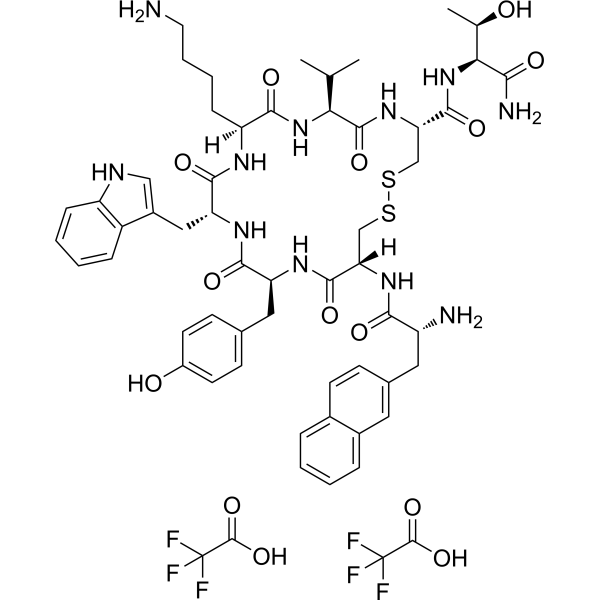
Lanreotide diTFA (CAS 1024499-83-9) | Somatostatin Analog for Carcinoid Syndrome Research | GMP Supplier
Original price was: $20.00.$16.00Current price is: $16.00.
Lanreotide diTFA (BIM 23014) is a synthetic somatostatin analog designed for research applications in carcinoid syndrome and neuroendocrine tumors. It demonstrates potent antineoplastic activity by modulating hormone secretion and inhibiting tumor proliferation. Supplied in GMP-grade form for reproducible laboratory experiments, suitable for both wholesale and retail. For laboratory research use only.(Please contact our staff to place an order or learn about product wholesale prices, specifications, uses and lists)
Description
Product Description
Lanreotide diTFA is a synthetic analog of somatostatin, a naturally occurring peptide hormone that regulates endocrine and exocrine secretion. It is chemically modified as the di-trifluoroacetate (diTFA) salt to enhance solubility and stability in laboratory applications. Lanreotide binds to somatostatin receptors (SSTRs), particularly SSTR2 and SSTR5, and exhibits antineoplastic activity by inhibiting hormone release and modulating intracellular signaling pathways involved in tumor proliferation.
This peptide is extensively used in preclinical research for carcinoid syndrome, a condition characterized by hormone-secreting neuroendocrine tumors. By mimicking somatostatin’s inhibitory effects, Lanreotide diTFA reduces secretion of serotonin, vasoactive intestinal peptide (VIP), and other bioactive substances, providing a model to study symptom management and tumor biology. Its ability to regulate cellular proliferation and apoptosis allows researchers to explore mechanisms of tumor growth control in neuroendocrine contexts.
Lanreotide diTFA demonstrates high receptor selectivity and affinity, leading to reproducible inhibitory effects on hormone secretion and intracellular cAMP levels in vitro and in vivo. It is valuable for examining the role of somatostatin analogs in tumor suppression, signal transduction, and endocrine feedback loops, including interactions with growth hormone, insulin, and glucagon.
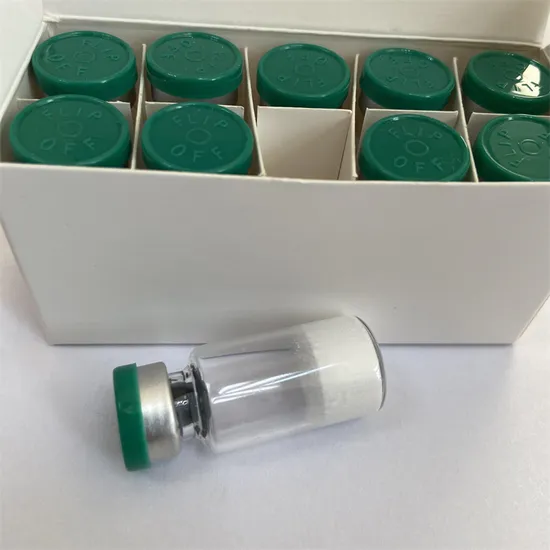
The peptide’s GMP-grade production ensures high purity, consistent batch quality, and stability, crucial for reproducible experimental results. Supplied as a lyophilized powder, Lanreotide diTFA maintains structural integrity under standard laboratory storage conditions. Researchers can conduct long-term experiments in cellular assays, isolated tissue systems, and animal models of carcinoid syndrome and neuroendocrine tumor growth.
In translational research, Lanreotide diTFA is used to study tumor growth inhibition, hormone regulation, receptor pharmacology, and therapeutic analog development. Its dual action on hormone secretion and cell proliferation makes it an indispensable tool for laboratories investigating novel interventions for neuroendocrine tumors.
?? Disclaimer: For laboratory research use only. Not for human or veterinary use.
Product Specifications
| Parameter | Details |
|---|---|
| Product Name | Lanreotide diTFA (BIM 23014) |
| Synonyms | BIM 23014, Lanreotide di-trifluoroacetate |
| CAS Number | 1024499-83-9 |
| Molecular Type | Synthetic peptide |
| Purity | ? 98% (HPLC) |
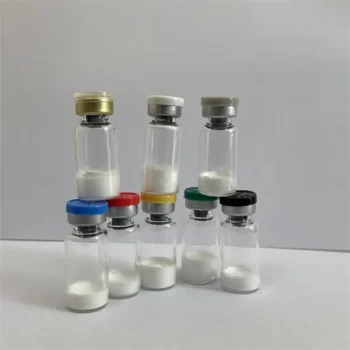
| Appearance | White to off-white lyophilized powder |
| Solubility | Soluble in aqueous buffers and DMSO |
| Stability | Stable ? 24 months in lyophilized form |
| Storage Conditions | Store at -20°C; avoid repeated freeze-thaw cycles |
| Mechanism | Somatostatin receptor agonist; inhibits hormone secretion |
| GMP Compliance | Manufactured in GMP-certified facility |
| Application | Laboratory research on carcinoid syndrome, neuroendocrine tumors, endocrine signaling |
| Availability | Wholesale & retail supply |
| Experimental Models | Rodent, non-human primate, in vitro cellular assays |
| Safety Considerations | Handle using standard laboratory precautions; research-use only |
Lanreotide diTFA’s specifications provide researchers with high-quality, reproducible peptide material suitable for a wide range of experiments in neuroendocrine and oncological research.
Mechanism of Action & Research Applications
Lanreotide diTFA functions primarily as a somatostatin receptor (SSTR) agonist, binding selectively to SSTR2 and SSTR5, which are highly expressed in neuroendocrine tissues and certain tumors. Receptor activation leads to inhibition of adenylate cyclase, reduced cAMP levels, modulation of calcium flux, and downstream suppression of hormone secretion. These effects result in reduced proliferation of neuroendocrine tumor cells and attenuation of hormone-mediated symptoms in carcinoid syndrome models.
Mechanism Overview:
Receptor Binding and Selectivity
Lanreotide diTFA binds with high affinity to SSTR2 and SSTR5, ensuring targeted inhibition of hormone-secreting tumor cells without significant off-target effects.Inhibition of Hormone Secretion
Activation of SSTRs suppresses secretion of serotonin, VIP, gastrin, and other bioactive molecules, reducing symptom burden in carcinoid syndrome models.Antiproliferative Effects
Through modulation of intracellular signaling, including MAPK and PI3K/AKT pathways, Lanreotide diTFA can slow cell cycle progression and induce apoptosis in tumor cells.Endocrine Feedback Modulation
The peptide impacts growth hormone, insulin, and glucagon regulation, making it valuable for studying endocrine system dynamics and tumor-endocrine interactions.
Research Applications:
Carcinoid Syndrome Studies
Models the suppression of hormone overproduction, allowing analysis of symptom control mechanisms.Neuroendocrine Tumor Research
Investigates antiproliferative effects, apoptosis induction, and receptor-mediated growth inhibition.Mechanistic Signal Transduction Studies
Evaluates SSTR-mediated cAMP inhibition, calcium flux modulation, and downstream signaling in cellular models.Translational Oncology Research
Provides preclinical insights into novel therapies for neuroendocrine tumors, including somatostatin analog-based interventions.Combination Therapy Models
Allows assessment of synergy with chemotherapeutic agents or targeted molecular therapies in vitro and in vivo.Pharmacokinetics and Dose-Response Studies
Supports characterization of receptor binding, peptide stability, and dose-dependent efficacy in research models.Endocrine System Modeling
Useful for studies of feedback loops between pancreas, pituitary, and tumor cells, elucidating regulatory pathways.
Lanreotide diTFA’s dual effects on hormone modulation and antiproliferative activity provide a versatile platform for comprehensive preclinical research into neuroendocrine disorders and targeted peptide therapeutics.
Side Effects (For Reference in Research Models)
Experimental observations in laboratory models include:
Hormone Suppression Effects
Dose-dependent reduction in serotonin, VIP, and other hormones.Gastrointestinal Effects
Mild reductions in motility or secretory activity observed in rodent models.Hepatic and Renal Responses
Modulation of liver enzyme activity or renal filtration markers can occur in high-dose studies.Cardiovascular Parameters
Slight transient effects on heart rate or blood pressure may be observed in vivo.Pharmacokinetic Considerations
Peptide stability is maintained in lyophilized form; repeated freeze-thaw cycles should be avoided.Experimental Model Observations
Variability in hormonal suppression or tumor inhibition may occur depending on species, dose, and experimental design.
?? These effects are strictly for laboratory research reference. Lanreotide diTFA is not intended for human or veterinary use. Researchers should follow institutional safety protocols when handling the peptide.
Disclaimer
For laboratory research use only. Not for human or veterinary use.
Keywords
Lanreotide CAS 1024499-83-9
BIM 23014 peptide
Somatostatin analog research peptide
Carcinoid syndrome research compound
GMP supplier Lanreotide
Neuroendocrine tumor peptide
Hormone modulation research
Preclinical oncology peptide
Laboratory endocrine research peptide
Additional information
| Weight | 0.7 kg |
|---|---|
| Dimensions | 52 × 43 × 52 cm |
Related products
Retatrutide Raw Material Factory: Low-Price Wholesale for High-Purity Peptides
Retatrutide MOQ 1 Box Source Dry Powder Original price was: $38.00.$22.00Current price is: $22.00.99.9% Effective Weight Loss Shaping Peptide – Beauty Peptide Factory Direct Low Price Wholesale
Peptide Purity 99% Specification 5mg/vial, 10mg/vial, 15mg/vial Original price was: $38.00.$23.00Current price is: $23.00.Tirzepatide Raw Material Factory: Low-Price Wholesale for High-Purity Peptides
Tirzepatide Compound CID: 163285897 MF: C225H348N48O68 diabetes [9][13][14][15] and for weight loss Original price was: $38.00.$23.00Current price is: $23.00.Factory Supply Peptide Healthcare 99% with Safe Delivery
Peptide Healthcare Usage Delta-Sleep Inducing Peptides Purity 99%Over Dose 2mg 5mg 10mg 15mg 20mg Highe Original price was: $28.00.$23.00Current price is: $23.00.





Reviews
There are no reviews yet.