
No products in the cart.
Sale
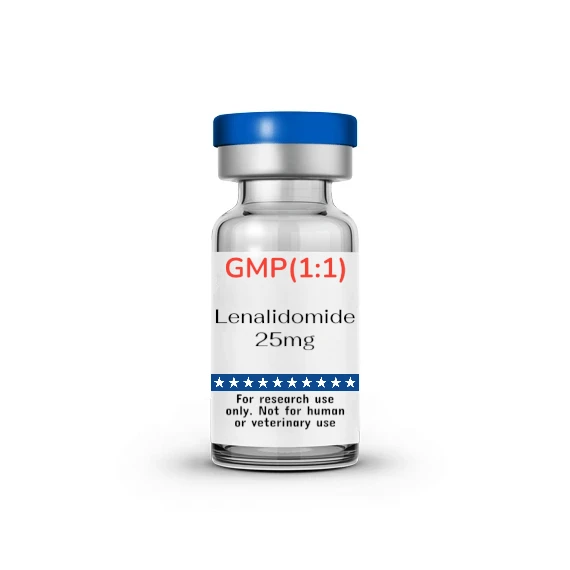

Lenalidomide 25mg High Purity | Factory Manufactured
Original price was: $3.00.$2.00Current price is: $2.00.
High-purity Lenalidomide Tablets designed for laboratory research, in vitro mechanistic studies, and multi-omic pathway analysis. Factory-manufactured with consistent quality for bulk and wholesale supply, these tablets provide reliable receptor-modulation and molecular mechanism research capabilities.

Description
Product Description
Lenalidomide Tablets are high-purity, factory-manufactured research materials intended for in vitro and molecular mechanism studies. Produced under strict quality control, these tablets ensure reproducible dissolution and consistent active ingredient concentration, enabling precise analysis of receptor interactions, protein complex modulation, and transcriptional pathway regulation. The solid tablet format provides uniformity in experimental preparations, supporting analytical assays, ligand-receptor binding studies, and multi-omic integrations.
Lenalidomide is extensively utilized to explore cellular signaling pathways, transcriptional co-regulator recruitment, and ligand-modulated molecular dynamics. Its stability and purity make it suitable for proteomics, metabolomics, transcriptomics, and computational modeling studies. The tablet form simplifies experimental handling, minimizes weighing inconsistencies, and ensures reliable data reproducibility in mechanistic research workflows.
Factory-manufactured Lenalidomide Tablets are available for bulk laboratory use and wholesale supply, with each batch undergoing HPLC verification, structural confirmation, and contaminant screening. This ensures consistent quality across experiments, facilitating multi-batch studies, cross-lab comparisons, and integration into high-throughput or high-content assay systems.
Product Specifications
| Parameter | Description |
|---|---|
| Product Name | Lenalidomide Tablets (High Purity) |
| Form | Solid compressed tablet for laboratory research |
| Composition | High-purity Lenalidomide blended with research-compatible excipients to ensure stability and uniformity |
| Assay Purity | ≥ 99% (HPLC verified) |
| Molecular Class | Immunomodulatory small molecule, SERM-like molecular activity in in vitro studies |
| Tablet Integrity | Uniform weight, low friability, consistent mass and active ingredient distribution |
| Color & Appearance | White to off-white, smooth-surfaced tablets |
| Solubility (Research Conditions) | Soluble in analytical-grade organic solvents and aqueous buffers; solubility may vary with pH |
| Storage Conditions | Keep sealed, dry, and protected from light; store at controlled room temperature (20–25°C) |
| Stability | Stable under recommended laboratory conditions; minimal degradation over extended storage |
| Recommended Handling | Use gloves, lab coat, and eye protection; avoid moisture and direct sunlight; maintain container closure |
| Intended Use | Strictly for in vitro, molecular mechanism, and biochemical research |
| Batch Consistency | Factory-manufactured with standardized procedures ensuring reproducible results across batches |
| Quality Verification | Each lot undergoes HPLC purity testing, structural confirmation, and contaminant screening |
| Packaging Options | Factory-sealed bottles or bulk containers; custom packaging for wholesale orders available |
| Scale Availability | Small research units, bulk laboratory quantities, and wholesale supply directly from factory |
| Regulatory Status | Not for human or veterinary use; intended exclusively for laboratory research |
Mechanism of Action
Lenalidomide Tablets function as a high-purity research reagent for investigating molecular mechanisms, receptor-mediated signaling, and protein–protein interactions in strictly in vitro experimental systems. The compound is widely studied for its ability to modulate cellular signaling networks, influence transcriptional co-regulator dynamics, and impact ligand-mediated receptor conformations, making it highly valuable in mechanistic pathway research and multi-omic studies.
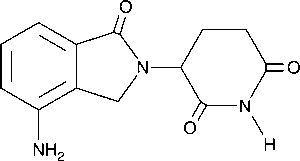
At the molecular level, Lenalidomide interacts with specific target proteins that regulate downstream signaling pathways. These interactions often involve the Cereblon E3 ubiquitin ligase complex, leading to selective modulation of protein stability, cofactor recruitment, and transcriptional activity. In in vitro receptor-binding assays, Lenalidomide can induce conformational changes in target protein complexes, providing a model to study protein degradation pathways, ligand-induced allosteric effects, and molecular remodeling.
Lenalidomide is also employed in studies examining transcriptional regulation and chromatin remodeling. By modulating co-regulator binding and transcription-factor assembly, it influences gene-expression programs under controlled experimental conditions. Researchers utilize these tablets in cell-free transcriptional assays, chromatin immunoprecipitation (ChIP), and DNA accessibility studies to elucidate ligand-dependent modulation of transcriptional machinery.
In addition, Lenalidomide supports computational and structural biology research, including molecular docking, dynamic simulation of protein-ligand interactions, and allosteric network modeling. High-purity tablet material ensures experimental inputs accurately reflect molecular behavior, enhancing predictive modeling of binding kinetics, conformational flexibility, and energy landscapes.
For proteomic and metabolomic integration, Lenalidomide tablets are used to study protein abundance changes, post-translational modifications, and downstream metabolic pathway shifts in response to ligand engagement. This allows multi-layered mechanistic analysis, connecting protein-level modulation with transcriptional and signaling pathway outcomes.
In strictly in vitro biochemical workflows, the tablets enable quantitative evaluation of binding affinity, kinetics, and equilibrium dynamics. Their stable and uniform formulation allows reproducible preparation of solutions for receptor occupancy assays, ligand-induced signaling studies, and multi-omic data generation.
Overall, factory-manufactured Lenalidomide Tablets provide a reliable, high-purity platform for dissecting molecular pathways, receptor-ligand interactions, and transcriptional regulation. Their stability, consistent dosing, and purity facilitate cross-batch reproducibility, integration into high-throughput or computational workflows, and mechanistic insight into ligand-mediated molecular networks.
Applications
Lenalidomide Tablets are extensively utilized in laboratory research for in vitro mechanistic studies, receptor-binding assays, and multi-omic analyses. Their high purity and consistent tablet formulation make them suitable for exploring molecular pathways, protein interactions, and transcriptional regulation under controlled experimental conditions.
1. Receptor Modulation and Ligand-Binding Studies
Lenalidomide is widely used to investigate the dynamics of receptor-ligand interactions, including conformational changes, binding affinity, and allosteric modulation. The tablets provide a stable and reproducible source for evaluating Cereblon E3 ligase-mediated pathways and other receptor-associated protein complexes, enabling precise mapping of molecular interactions in vitro.
2. Transcriptional and Chromatin Research
In cell-free transcriptional assays or chromatin immunoprecipitation (ChIP) studies, Lenalidomide allows researchers to assess how ligand-mediated interactions influence co-regulator recruitment, transcription-factor assembly, and gene expression. These applications are critical for exploring epigenetic regulation, transcriptional control, and pathway-specific gene modulation.
3. Multi-Omic Integration
Lenalidomide tablets are compatible with proteomics, transcriptomics, metabolomics, and epigenomics workflows. Researchers can correlate changes in protein abundance, post-translational modifications, and metabolic profiles with transcriptional outputs to obtain a holistic view of molecular mechanisms.
4. Structural and Computational Biology
The compound is also utilized in molecular docking, dynamics simulations, and computational modeling of protein-ligand interactions. High-purity tablets provide reproducible input material for structural analyses, helping model binding kinetics, allosteric networks, and conformational energy landscapes.
5. Analytical and High-Content Screening
Lenalidomide serves as a reference molecule in high-throughput screening, assay validation, and analytical method development. The uniform tablet form ensures consistent assay conditions, improving data reproducibility and reliability across multiple experimental batches.
6. Mechanistic and Pathway Exploration
The tablets are particularly useful for dissecting protein degradation pathways, signaling cascades, and transcriptional regulation networks. Researchers can integrate the compound into mechanistic studies of ligand-mediated pathway modulation, biomarker discovery, and multi-dimensional experimental designs.
Overall, Lenalidomide Tablets provide a robust and reproducible platform for laboratory studies focused on molecular mechanisms, receptor-ligand dynamics, and multi-omic integration, supporting high-quality data generation and cross-batch consistency for research applications.
Research Models
Lenalidomide Tablets are utilized across a diverse range of in vitro research models designed to investigate molecular mechanisms, receptor-mediated signaling, and transcriptional regulation. Their consistent tablet form ensures reliable dosing and reproducibility in mechanistic studies, making them suitable for biochemical, cellular, and multi-omic workflows.
In cell-free protein interaction assays, Lenalidomide is applied to evaluate its influence on Cereblon E3 ubiquitin ligase complexes and other ligand-responsive protein assemblies. These systems allow precise measurement of binding affinity, conformational shifts, and cofactor recruitment dynamics, providing mechanistic insight into protein degradation pathways and receptor modulation.
Transcriptional regulation models employ Lenalidomide to assess co-regulator recruitment, transcription-factor assembly, and downstream gene expression. Researchers use ChIP assays, DNA accessibility studies, and reporter systems to quantify transcriptional changes and elucidate ligand-dependent epigenetic regulation.
In proteomic and metabolomic models, Lenalidomide enables exploration of post-translational modifications, protein abundance variations, and metabolic pathway alterations. This facilitates a systems-level understanding of how small-molecule modulation impacts signaling networks and cellular function in vitro.
Lenalidomide also integrates into computational hybrid models, combining experimental data with molecular docking, dynamics simulations, and in silico pathway analysis. Such approaches predict ligand orientation, binding energetics, allosteric effects, and protein network interactions, supporting hypothesis generation and mechanistic modeling.
High-content screening and assay-validation platforms utilize Lenalidomide Tablets for reference-material calibration, signal pathway benchmarking, and consistency verification across multiple experiments. This ensures reproducibility when integrating the compound into multi-omic studies or high-throughput screening workflows.
The tablet’s uniformity and high purity make Lenalidomide a reliable reagent for laboratories investigating receptor-ligand dynamics, transcriptional control, and pathway modulation, supporting cross-batch consistency and robust experimental design. By providing reproducible input material, Lenalidomide facilitates mechanistic understanding, multi-layered data integration, and translationally relevant in vitro modeling.
Experimental Design Considerations
Designing effective studies with Lenalidomide Tablets requires careful planning to ensure reproducibility, accuracy, and mechanistic insight. Researchers should consider dose preparation, experimental timing, model selection, analytical readouts, and data integration when developing in vitro workflows or multi-omic studies.
1. Dose Preparation and Handling
Lenalidomide Tablets provide high-purity, uniform material, but experimental design must account for accurate dissolution and homogenization. Tablets can be ground or split under a fume hood and dissolved in compatible buffers (PBS, DMSO, or other analytical-grade solvents). Ensure solutions are freshly prepared to minimize degradation, maintain consistent concentration, and reduce variability in receptor-binding or transcriptional assays.
2. Time-Course and Sampling Design
Molecular effects of Lenalidomide, such as protein degradation, transcriptional modulation, and pathway signaling, are time-dependent. Sampling schedules should capture:
Early events (1–6 hours) for rapid protein turnover or cofactor displacement
Intermediate responses (12–48 hours) for transcriptional and signaling changes
Long-term effects (48–96 hours) for downstream pathway adaptation
Selecting appropriate time points ensures detection of both transient and sustained mechanistic responses.
3. Model Selection and Controls
Choose receptor-positive and negative cell lines to clarify specificity. Include vehicle controls and, where applicable, known modulators for comparative analysis. For pathway studies, parallel assays with multiple endpoints (proteomics, transcriptomics, ChIP) provide a multi-dimensional perspective.
4. Analytical Readouts
Experimental design should integrate complementary assays:
Binding affinity and kinetics (surface plasmon resonance, fluorescence polarization)
Protein abundance and modification profiling (Western blot, mass spectrometry)
Transcriptional activity and chromatin remodeling (qPCR, ChIP, reporter assays)
Metabolomic or signaling pathway monitoring to detect system-level effects
Combining these readouts allows mechanistic mapping from molecular interactions to pathway modulation.
5. Replicates and Statistical Planning
Include technical and biological replicates to ensure statistical robustness. Conduct power analysis to determine sample size, randomize treatment allocation, and apply proper normalization strategies in multi-omic datasets. Document batch numbers, preparation methods, and solution concentrations for reproducibility.
6. Special Considerations
Limit light and moisture exposure to preserve tablet integrity.
Avoid cross-contamination when preparing suspensions.
Use only trained personnel due to the compound’s endocrine-modulating potential.
By carefully integrating dose accuracy, time-course design, model selection, analytical rigor, and safety considerations, researchers can maximize the mechanistic insight and reproducibility of studies utilizing Lenalidomide Tablets in molecular mechanism research.
Laboratory Safety & Handling Guidelines
Handling Lenalidomide Tablets in laboratory settings requires adherence to standard chemical safety practices and awareness of their activity as a small-molecule immunomodulatory compound. Although tablets are stable, processes such as splitting, grinding, or preparing solutions may generate particulates or residues, necessitating controlled handling.
Researchers should wear nitrile gloves, lab coats, and eye protection at all times. Grinding or crushing tablets should be performed in a certified fume hood to minimize inhalation risks. Use anti-static spatulas and avoid direct contact with powder. Tablet splitting should be done with clean, dedicated devices, and surfaces should be immediately decontaminated with 70% ethanol.
Store tablets in a sealed, dry container at controlled room temperature (20–25°C), away from direct light and humidity. Prepared solutions or suspensions should be labeled with date, concentration, and researcher name and used promptly to maintain stability.
Waste—including gloves, wipes, or residual powder—must be disposed of as hazardous chemical or pharmaceutical waste per institutional protocols. Minor spills should be cleaned with damp disposable towels, while major spills require activation of the laboratory’s formal spill response procedures.
Special precautions apply to reproductive safety. Personnel who are pregnant, breastfeeding, or otherwise sensitive to endocrine-active compounds should avoid direct handling. Only trained personnel should manipulate Lenalidomide to ensure compliance with laboratory safety standards.
Maintain comprehensive documentation of batch numbers, preparation methods, solution concentrations, and waste disposal records. Adhering to these guidelines ensures safe handling, reproducibility, and reliable integration of Lenalidomide Tablets into in vitro mechanistic, multi-omic, or computational research workflows.
Integration with Multi-Omic & Computational Studies
Lenalidomide Tablets are highly compatible with multi-omic research workflows and computational modeling approaches, enabling comprehensive mechanistic studies of receptor signaling, transcriptional regulation, and protein degradation pathways. Their high purity and consistent tablet formulation provide reproducible inputs for proteomics, transcriptomics, metabolomics, and epigenomics analyses.
In proteomic studies, Lenalidomide is used to explore changes in protein abundance, post-translational modifications, and cofactor recruitment within target protein complexes, such as the Cereblon E3 ubiquitin ligase complex. These datasets can be integrated with transcriptomic analyses to map gene-expression changes and identify downstream molecular effects of receptor modulation.
Epigenomic and chromatin studies benefit from Lenalidomide’s reproducibility, allowing researchers to assess chromatin accessibility, transcription factor binding, and co-regulator occupancy using ChIP-seq or ATAC-seq. Multi-layered integration enables a deeper understanding of ligand-induced modulation of transcriptional networks and gene regulatory mechanisms.
From a computational perspective, Lenalidomide supports molecular docking, dynamic simulation, and ligand-receptor modeling. High-purity tablets ensure experimental input data accurately reflect molecular interactions, improving the reliability of in silico predictions regarding binding energetics, allosteric effects, and protein network interactions.
Cross-platform integration allows researchers to correlate protein-level modulation, transcriptional responses, and metabolomic shifts, supporting mechanistic hypothesis generation, pathway perturbation studies, and predictive modeling. The compound’s consistent formulation ensures cross-batch comparability and reproducibility across multi-omic studies.
Overall, Lenalidomide Tablets provide a robust platform for mechanistic, multi-layered, and computationally integrated research, supporting high-resolution investigation of molecular pathways, receptor-ligand dynamics, and transcriptional regulation in strictly in vitro research workflows.
Things to Note
Lenalidomide Tablets are intended exclusively for laboratory research, in vitro studies, and molecular mechanism investigations.
High-purity tablets provide reproducible results in receptor-ligand assays, transcriptional studies, and pathway analysis.
Store tablets away from moisture and direct light to preserve stability and integrity.
Not for human, veterinary, or clinical use.
Use only in controlled laboratory experiments and multi-omic or computational studies.
Keywords
lenalidomide tablets, high-purity research tablets, SERM molecular mechanism reagent, receptor-binding study, in vitro pathway modulator, molecular mechanism research, factory-direct bulk supply, wholesale laboratory chemical, multi-omic research reagent, transcriptional regulation studies, analytical chemistry tablets, Tumor (compound) Research, receptor-ligand interaction research
Shipping Guarantee
Factory-manufactured Lenalidomide Tablets are securely packaged to maintain purity and integrity during transport. Bulk and wholesale shipments are supported with reinforced containment, moisture protection, and tracking. Each shipment is verified to ensure delivery of high-purity product suitable for laboratory research.
Trade Assurance
Low-price wholesale supply directly from the factory.
Bulk order customization available for laboratory research purposes.
Guaranteed consistent batch quality to support reproducible molecular mechanism studies.
Payment Support
Multiple secure payment options are available, including PayPal, bank transfer (TT), credit cards, and cryptocurrency. Flexible payment methods support bulk, wholesale, and factory-direct procurement.
Disclaimer
Lenalidomide Tablets are for laboratory research use only. Not for human or veterinary use and not intended for diagnostic, therapeutic, or clinical applications. Researchers must follow all laboratory safety protocols and handle the compound under controlled in vitro or computational study conditions.
References
Fink EC & Ebert BL. “The novel mechanism of lenalidomide activity.” Blood, 2015. Describes how lenalidomide binds to the CRL4^CRBN E3 ubiquitin ligase complex, altering substrate specificity to target proteins for ubiquitination and degradation. PMC
“Mechanism of action of lenalidomide in hematological malignancies.” Journal of Hematology & Oncology, 2009;2:36. A review detailing multiple molecular effects of lenalidomide, including immunomodulation, anti‑angiogenic properties, and signal transduction modulation relevant to in vitro studies. SpringerLink
Gonzalez‑Rodriguez AP et al. “Lenalidomide and chronic lymphocytic leukemia.” BioMed Research International, 2013. Provides insights into lenalidomide’s effects on immune cell function and gene expression in vitro, including modulation of lymphocyte interactions. glpbio.com
Lenalidomide – Immunomodulatory properties and cytokine effects. ChemicalBook database entry describes lenalidomide’s inhibition of pro‑inflammatory cytokines and modulation of TNF‑α and VEGF in cell‑based assays relevant to mechanistic research. ChemicalBook
Lenalidomide induces IL‑21 production and enhances cytotoxicity in vitro. PubMed article showing lenalidomide’s influence on cytokine production and downstream signaling in T cells in vitro, which is useful for signaling pathway studies. pubmed.ncbi.nlm.nih.gov

Additional information
| Weight | 1.1 kg |
|---|---|
| Dimensions | 18 × 16 × 18 cm |
What is the intended use of Lenalidomide Tablets in research?
Lenalidomide Tablets are designed for in vitro mechanistic studies, receptor-binding assays, and multi-omic research workflows. They are not intended for human or veterinary use.
Can Lenalidomide Tablets be used in in vivo studies?
No. These tablets are strictly for laboratory research, including biochemical, cellular, and computational experiments.
How should I store Lenalidomide Tablets?
Store in a sealed, dry container at 20–25°C, away from light and humidity. Proper storage maintains stability and research-grade purity.
Is it possible to crush or dissolve the tablets for solution preparation?
Yes, tablets can be split or powdered under a fume hood. Ensure complete dissolution in compatible solvents for accurate receptor-ligand or transcriptional studies.
Which solvents are compatible for research use?
Analytical-grade buffers (PBS, DMSO) are recommended for in vitro assay preparation. Complete dissolution is required to maintain consistent experimental results.
How is the purity of Lenalidomide Tablets verified?
Purity is confirmed via HPLC analysis, structural verification, and contaminant screening, ensuring reproducibility across experimental batches.
Can these tablets be used in multi-omic studies?
Yes. Lenalidomide Tablets are compatible with proteomics, transcriptomics, metabolomics, and epigenomics workflows, enabling integration of molecular datasets.
Are these tablets suitable for high-throughput screening?
Yes. Their uniform composition and stable formulation support reproducible high-content or high-throughput in vitro assays.
Do the tablets degrade over time?
When stored correctly, they remain stable for research use. Avoid prolonged exposure to moisture or high temperatures to prevent degradation.
Can they be used for receptor-binding kinetics studies?
Yes. The tablets are ideal for ligand-receptor interaction and binding affinity assays, providing high-purity SERM for reliable data.
Are special handling precautions required?
Always wear gloves, lab coat, and eye protection. Use a fume hood when grinding or preparing suspensions to minimize exposure.
Is batch-to-batch consistency ensured?
Yes. Manufactured under factory-controlled conditions, bulk and wholesale supply guarantee reproducible experimental results.
Related products
Propranolol Hydrochloride Solution 10 mg/mL (40 mL)
Propranolol Hydrochloride Solution (10 mg/mL, 40 mL) is a high-purity small-molecule reagent manufactured under controlled factory conditions for laboratory research and in vitro molecular mechanism studies. The solution format enables precise concentration control, reproducible assay preparation, and seamless integration into biochemical and signaling pathway research workflows.
$1.00Cetuximab NO1 100 mg/50 mL | High purity | Factory manufactured
Cetuximab NO1 (100 mg/50 mL, Solution) is a high-purity monoclonal antibody solution manufactured under stringent factory-controlled conditions for in vitro laboratory research and molecular mechanism studies. Its solution format facilitates precise dosing, reproducible assay preparation, and integration into receptor-binding and signaling pathway research workflows.
Original price was: $3.00.$2.00Current price is: $2.00.Fulvestrant (Faslodex) 250mg — Laboratory Research Grade Reagent
Fulvestrant (Faslodex) is a high-purity steroidal compound for in vitro molecular mechanism studies, including nuclear receptor binding, transcriptional modulation, and protein interaction research. It is intended exclusively for laboratory research and mechanistic investigations, enabling controlled experimental analysis in biochemical and cellular assays. Original price was: $6.00.$2.00Current price is: $2.00.Telpegfilgrastim Solution 99% High purity | Factory manufactured
High-purity Telpegfilgrastim Solution, factory-manufactured for in vitro molecular mechanism studies and biochemical pathway research. Supplied as a stable solution, ideal for laboratories requiring bulk, wholesale, or customized research-grade supply. $2.00


Reviews
There are no reviews yet.