
No products in the cart.
Sale
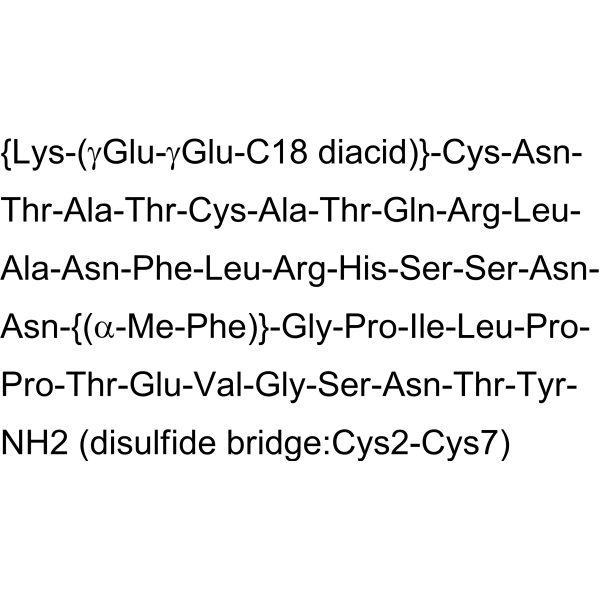
Lenbelintide | CAS 2793341-99-6 | Dual Amylin/Calcitonin Receptor Agonist for Metabolic Research
Original price was: $23.00.$18.00Current price is: $18.00.
Lenbelintide (CAS 2793341-99-6) is a dual amylin/calcitonin receptor agonist that modulates energy balance and glucose metabolism in research models. Acting through the amylin and calcitonin receptor complexes, Lenbelintide mimics natural satiety signaling and influences food intake and weight regulation. It is widely studied for understanding obesity mechanisms, metabolic adaptation, and neuroendocrine regulation of appetite and energy expenditure.
Description
Product Description
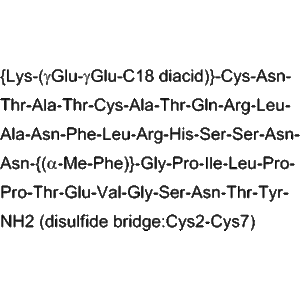
Lenbelintide is a synthetic peptide designed to activate both the amylin receptor and the calcitonin receptor, making it a unique dual agonist in metabolic and obesity research. Amylin, a peptide co-secreted with insulin from pancreatic β-cells, plays a key role in the control of satiety, gastric emptying, and glucose regulation. By mimicking and amplifying the physiological effects of amylin, Lenbelintide extends the half-life and receptor activation potential, allowing researchers to study prolonged metabolic responses.
At the molecular level, Lenbelintide binds to heterodimeric amylin receptors (composed of the calcitonin receptor and receptor activity-modifying proteins, or RAMPs). These receptor complexes are distributed across the central nervous system, particularly in the area postrema and hypothalamus, where they modulate feeding behavior and energy expenditure. Activation of these receptors by Lenbelintide results in reduced food intake, delayed gastric emptying, and enhanced insulin sensitivity, key physiological endpoints relevant to energy homeostasis research.
One of the most intriguing aspects of Lenbelintide is its dual action through both amylin and calcitonin receptors. Calcitonin receptor activation contributes to calcium metabolism and also influences central metabolic signaling pathways. This dual targeting mechanism makes Lenbelintide a valuable research tool to dissect overlapping signaling networks between amylin, calcitonin, and related peptides like CGRP.
In preclinical systems, Lenbelintide has shown significant metabolic effects such as reducing body weight gain, improving glucose tolerance, and enhancing energy expenditure. These findings have made it an essential compound for mechanistic studies of obesity, insulin resistance, and hypothalamic energy control. Beyond systemic metabolism, Lenbelintide’s signaling through calcitonin receptor pathways also provides insights into bone metabolism and calcium balance, making it relevant for integrated metabolic research.
Because of its receptor selectivity and peptide stability, Lenbelintide is often used to evaluate chronic receptor activation models, peptide pharmacokinetics, and neuroendocrine control of feeding. It serves as a benchmark compound for the development of next-generation dual agonists that mimic natural metabolic hormones while offering extended receptor engagement and stability.
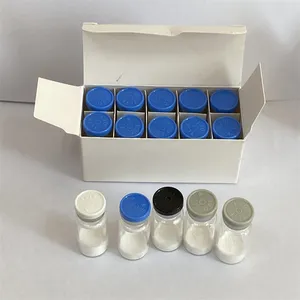
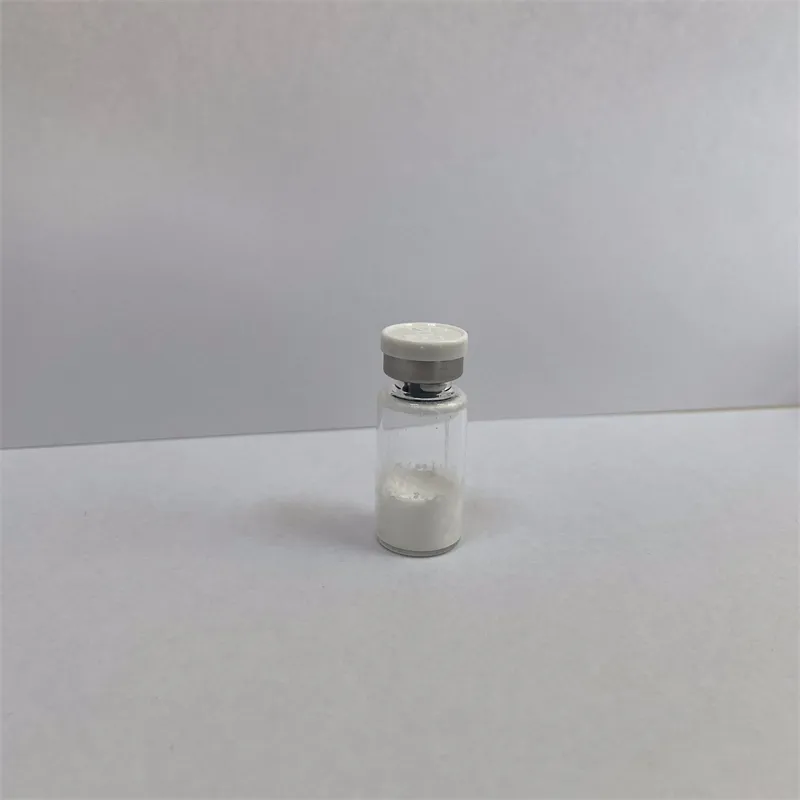
Laboratory-grade Lenbelintide is supplied in lyophilized form to ensure maximum stability and purity for biochemical assays and receptor signaling studies. It can be reconstituted in aqueous buffers for in vitro or ex vivo research applications focusing on energy metabolism, appetite regulation, and peptide hormone receptor pharmacology.
Product Specifications
| Property | Description |
|---|---|
| Product Name | Lenbelintide |
| CAS Number | 2793341-99-6 |
| Synonyms | Dual amylin/calcitonin receptor agonist; metabolic peptide |
| Molecular Formula | Available upon request |
| Purity | ≥99% |
| Form | Lyophilized peptide powder |
| Storage | −20°C, protected from light and moisture |
| Solubility | Soluble in water, PBS, or DMSO |
| Stability | Stable for ≥12 months under recommended conditions |
| Category | Peptide hormone analogue; receptor agonist |
| Applications | Obesity and metabolic research, glucose homeostasis, satiety and feeding studies |
| Research Area | Endocrinology, Metabolism, Neurobiology, Pharmacology |
| Intended Use | For laboratory research use only |
Mechanism of Action
Lenbelintide acts as a dual agonist for both the amylin and calcitonin receptor systems, linking neuroendocrine signaling to metabolic homeostasis. The amylin receptor, composed of a calcitonin receptor core and RAMPs (Receptor Activity-Modifying Proteins), mediates the effects of amylin, which naturally regulates appetite, gastric motility, and nutrient utilization. When Lenbelintide binds to these receptors, it triggers intracellular cAMP and PKA signaling cascades, leading to modulation of neuronal excitability in hypothalamic appetite centers.
Calcitonin receptor activation adds a complementary dimension by influencing calcium and lipid metabolism, as well as energy expenditure. The dual receptor engagement by Lenbelintide allows researchers to explore synergistic metabolic responses not achievable through selective agonists. For example, the peptide’s dual activation enhances glucose utilization and suppresses postprandial glucose excursions through coordinated regulation of insulin secretion and hepatic glucose production.
Additionally, Lenbelintide affects central signaling circuits related to the melanocortin system, contributing to long-term weight regulation and thermogenic activity. Studies using Lenbelintide analogs have shown significant effects on mitochondrial biogenesis and brown adipose tissue activation, suggesting a key role in energy dissipation and metabolic adaptation.
From a mechanistic perspective, Lenbelintide represents a model compound for understanding the crosstalk between amylin and calcitonin receptor signaling. Its biochemical action involves G-protein–coupled receptor activation, modulation of cyclic nucleotide pathways, and downstream gene expression changes in energy-regulating tissues. This integrated signaling makes Lenbelintide a valuable experimental molecule in metabolic endocrinology.
Side Effects
Lenbelintide is considered safe for laboratory use at standard research concentrations. However, as with most peptide receptor agonists, prolonged or excessive exposure in cellular systems may alter homeostatic signaling networks. Overstimulation of amylin or calcitonin receptors in vitro can cause desensitization, receptor internalization, or changes in intracellular calcium dynamics.
In metabolic models, dual agonist activity may influence insulin and glucagon secretion, necessitating dose optimization for precise mechanistic studies. No direct cytotoxicity has been observed in controlled conditions. Researchers are advised to maintain physiological concentration ranges to ensure reproducibility and to avoid confounding off-target effects.
Lenbelintide supplied for research purposes is not intended for human or veterinary use. Proper laboratory handling procedures and storage conditions should always be observed to maintain peptide stability and experimental reliability.
Disclaimer
All products are for laboratory research use only. They are not intended for human or veterinary applications, diagnostic use, or therapeutic administration. Researchers should handle all materials using appropriate safety procedures and regulatory compliance.
Shipping Guarantee
All shipments are handled using validated cold-chain logistics to preserve peptide integrity. Each package is sealed in moisture-proof containers with secondary protective wrapping and continuous temperature monitoring. Products are shipped via express international couriers with full tracking and insurance coverage.
Trade Assurance
We ensure product authenticity, verified ≥99% purity, and compliance with analytical standards (HPLC, MS, and NMR). Each batch is supplied with a Certificate of Analysis (CoA). Our trade assurance policy guarantees replacement or refund for any deviation from listed specifications.
Payment Support
We provide flexible and secure global payment options to support international research transactions. Accepted payment methods include PayPal, major credit cards (Visa, MasterCard, American Express), telegraphic transfer (T/T), and cryptocurrencies (USDT, Bitcoin, Ethereum). All transactions are protected by industry-standard encryption and verified payment gateways to ensure confidentiality and fund security.
Keywords: Lenbelintide, CAS 2793341-99-6, dual amylin/calcitonin receptor agonist, amylin analog, obesity research, metabolic peptide, glucose regulation, energy balance, endocrinology research, receptor signaling.
Additional information
| Weight | 0.8 kg |
|---|---|
| Dimensions | 65 × 26 × 65 cm |
What is Lenbelintide?
Lenbelintide is a dual amylin/calcitonin receptor agonist peptide used to study energy balance and metabolic regulation.
What receptors does Lenbelintide target?
It activates both the amylin receptor (calcitonin receptor + RAMPs) and the calcitonin receptor itself.
How does Lenbelintide influence metabolism?
It reduces food intake, delays gastric emptying, improves glucose tolerance, and enhances energy expenditure.
Is Lenbelintide similar to natural amylin?
Yes, but it has improved stability and receptor binding properties for prolonged biological activity.
How should Lenbelintide be stored?
Store at −20°C, protected from moisture and light to ensure stability for ≥12 months.
What solvents are suitable for dissolution?
It dissolves well in sterile water, PBS, or DMSO depending on the assay system.
Is Lenbelintide toxic in research applications?
No toxicity is observed under standard laboratory conditions and concentrations.
What research fields commonly use Lenbelintide?
Endocrinology, metabolism, obesity, glucose homeostasis, and neuroendocrine signaling studies.
Can Lenbelintide be used in vivo?
It is for research use only; not approved for in vivo or clinical use.
Do you provide analytical data for Lenbelintide?
Yes, each batch includes an HPLC and MS-verified Certificate of Analysis.
Related products
Semaglutide finished product (lyophilized powder) wholesale Supplier
Semaglutide finished product (lyophilized powder) wholesale $1.00Wholesale Cibinetide Peptide Sterile Solution
Cibinetide Sterile Solution is a synthetic, tissue-protective erythropoietin-derived peptide engineered for research use in inflammation, neuroprotection, and cellular stress-response models. Its high purity, GMP-compliant preparation, and ready-to-use sterile formulation make it ideal for laboratories requiring consistent, reproducible peptide performance in advanced mechanistic studies.(For research use only. Not for human or veterinary use) Original price was: $38.00.$22.00Current price is: $22.00.Retatrutide cost with insurance
Retatrutide cost with insurance Original price was: $38.00.$26.00Current price is: $26.00.High Purity 99.9% Weight Loss Peptide – Raw Material Factory Wholesale at Low Price
Weight Loss Peptide Appearance:Lyophilized powder Grade Standard:Top Quality Original price was: $12.00.$9.80Current price is: $9.80.


Reviews
There are no reviews yet.