
No products in the cart.

Linaclotide Acetate – Potent Guanylate Cyclase-C Agonist Peptide – High Purity 98.61% – GMP Manufacturer
$12.00
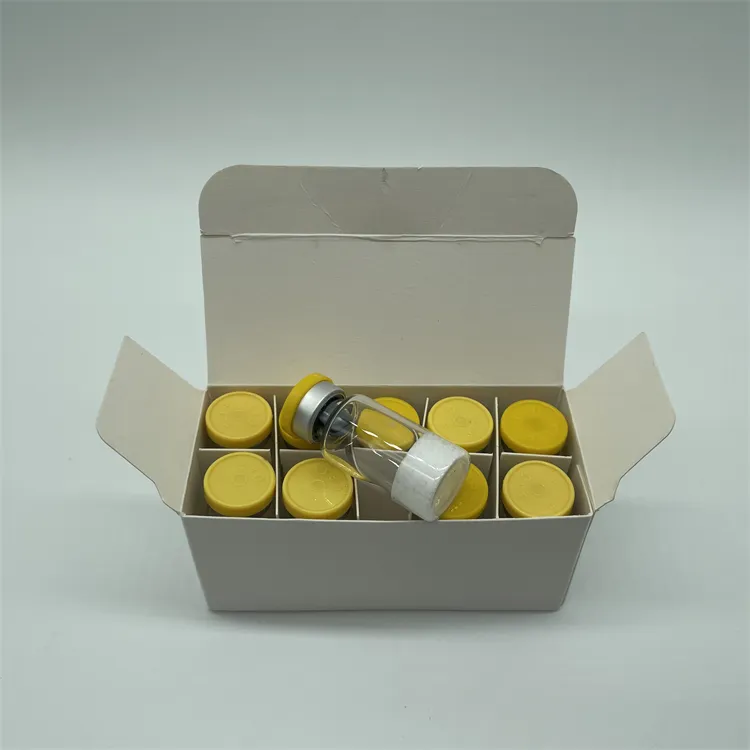
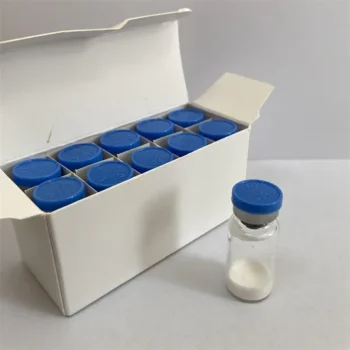
Linaclotide acetate is a high-purity, GMP-grade guanylate cyclase-C (GC-C) agonist peptide developed for IBS-C and chronic constipation research. It enhances intestinal fluid secretion, accelerates transit, and reduces abdominal pain without systemic absorption. Available for wholesale and retail. For laboratory research use only.?For wholesale prices, other specifications and uses, please consult our staff?
Description
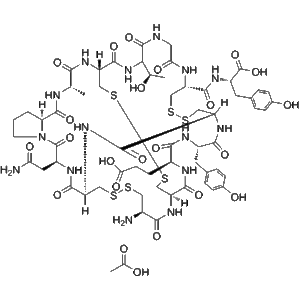
Linaclotide acetate (CAS 851199-60-5) is a synthetic, tetradecapeptide and potent, highly selective agonist of guanylate cyclase-C (GC-C) receptors in the intestinal epithelium. Functioning locally in the gut, Linaclotide activates GC-C to elevate intracellular and extracellular cyclic GMP (cGMP), promoting secretion of chloride, bicarbonate, and water into the lumen, thereby accelerating gastrointestinal transit and improving bowel movement frequency and consistency.
Additionally, elevated extracellular cGMP inhibits colonic nociceptors, providing relief from abdominal pain and visceral hypersensitivity . Clinical and preclinical studies demonstrate Linaclotide acetate’s efficacy in alleviating symptoms of IBS-C and chronic constipation, with favorable safety and minimal systemic bioavailability.
Contents
hide
Product Specifications
| Parameter | Details |
|---|---|
| Product Name | Linaclotide Acetate |
| Synonyms | Linaclotide; MD-1100 |
| CAS No. | 851199-60-5 |
| Chemical Identity | Guanylate Cyclase-C agonist peptide |
| Purity | 98.61% (HPLC, GMP-grade) |
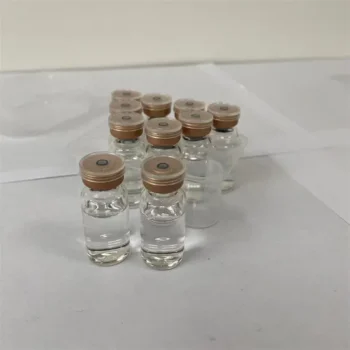
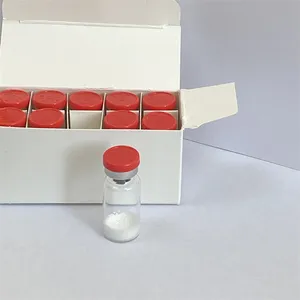
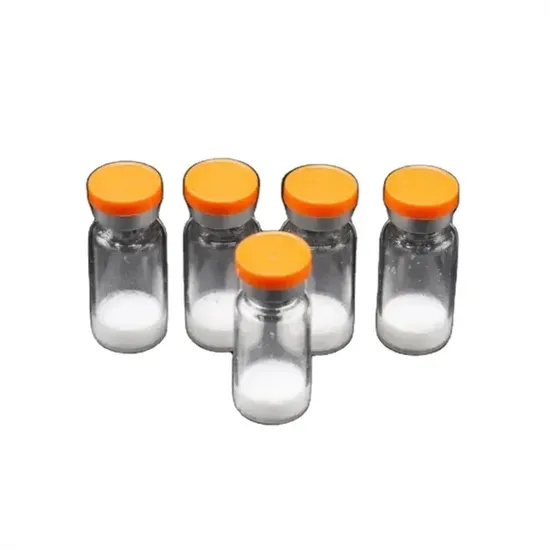
| Form | Lyophilized powder |
| Appearance | White to off-white solid |
| Molecular Formula | C??H??N??O??S? |
| Molecular Weight | ~1586.8 g/mol |
| Solubility | Sparingly soluble in water and saline; prepare fresh solutions as needed |
| Stability/Storage | Store at –20 °C, protected from moisture and light; avoid freeze–thaw |
| Manufacturing Standard | GMP-compliant synthesis and purification |
| Applications | IBS-C and chronic constipation research; gut secretion and analgesia models |
| Regulatory Status | For laboratory research use only; not for human or veterinary use |
Mechanism of Action & Research Applications
Mechanism of Action
Linaclotide acetate activates the GC-C receptor present on intestinal epithelial cells, increasing levels of cGMP. This stimulates chloride and bicarbonate secretion through CFTR, inhibits sodium absorption, and increases water secretion into the gut—thus enhancing motility and relieving constipation. Additionally, extracellular cGMP reduces visceral pain by modulating colonic sensory afferents .
Research Applications
IBS-C & Chronic Constipation Models – Assess improvements in stool formation, frequency, and transit.
GI Secretion Studies – Model electrolyte and fluid transport dynamics via GC-C activation.
Visceral Pain Assays – Evaluate analgesic effects through modulation of nociceptors.
Gut Physiology Research – Explore novel GC-C-mediated pathways for motility and neurogastroenterology.
Development & Formulation Notes
Stock Solutions & Handling
Reconstitute with sterile water or buffer; sonication or gentle heating may enhance solubility. Prepare fresh for each experiment. Use low-binding labware and filter (0.22 µm) if sterility is required.
Assay Design
Design dose–response assays to measure cGMP, chloride secretion, or pain-related behaviors. Include time-course studies and proper controls.
Combination & Pathway Mapping
Combine with other gut-targeted compounds (e.g., CFTR modulators) to dissect overlapping mechanisms or synergy in secretion, motility, or pain relief.
Disclaimer
Linaclotide acetate is strictly for laboratory research use only. It is not a medical, pharmaceutical, or veterinary product and is not approved for human consumption. Handle under appropriate laboratory biosafety standards and dispose of per local guidelines. The information herein reflects preclinical and clinical research contexts; users must verify suitability for their experimental applications.
Keywords
Linaclotide acetate; GC-C agonist peptide; guanylate cyclase-C activator; IBS-C research; chronic constipation research; cGMP stimulating peptide; visceral analgesia peptide; GMP peptide; CAS 851199-60-5; research-use-only.
Packaging & Availability
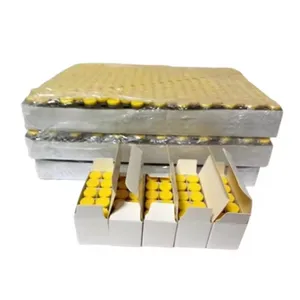
Standard Packs: 1 mg, 5 mg, 10 mg (custom sizes available)
Bulk/Wholesale: Multi-gram lots available with batch reservation and scheduled supply options
Documentation: Each lot includes CoA, HPLC trace, and MS identity; extended QC available for audits
Quality Assurance
Produced under GMP-compliant processes. Batch testing ensures identity (MS), purity (HPLC), moisture content, and appearance. Stability recommendations and solubility data accompany each lot; endotoxin testing available upon request.
Custom Services
Custom labeling and aliquoting to suit LIMS or ELN integration
Formulation guidance for aqueous or buffer systems
Stability study consulting for storage/shipment conditions
Protocol design to support motility or analgesia research models
Additional information
| Weight | 0.8 kg |
|---|---|
| Dimensions | 82 × 23 × 82 cm |
Related products
Best Price with Peptides 10mg Vials – High-Purity Weight Loss Peptide in Stock with Safe Delivery
Weight Loss Peptide Moq: 10 vials per box Package: plastic or paper box Purity:99% Original price was: $36.00.$24.00Current price is: $24.00.GLP-1 Retatrutide Weight Loss Slimming low price wholesale
GLP-1 peptide slimming product, 5mg 10mg 15mg vials, metabolic health- Application: Health Care Supplement
- Form: Disposable vials
- Dosages: 5mg, 10mg, 15mg
- Purity: >99%
Wholesales Weight Loss Peptides Raw Powder CAS 129954-34-3 with Safe Delivery
$2.00Function Weight Loss Peptides Color White Purity 99%OverTesamorelin Raw Material Factory: Low-Price Wholesale for High-Purity Peptides
Tesamorelin Egrifta; Tesamorelin; 218949-48-5; 804475-66-9; TH9507; ... Compound CID: 16137828 MF: C221H366N72O67S Original price was: $38.00.$23.00Current price is: $23.00.
Reviews
There are no reviews yet.