
No products in the cart.

Lixisenatide | GLP-1 Receptor | Peptide Powder | 99.85% Purity
$2.00
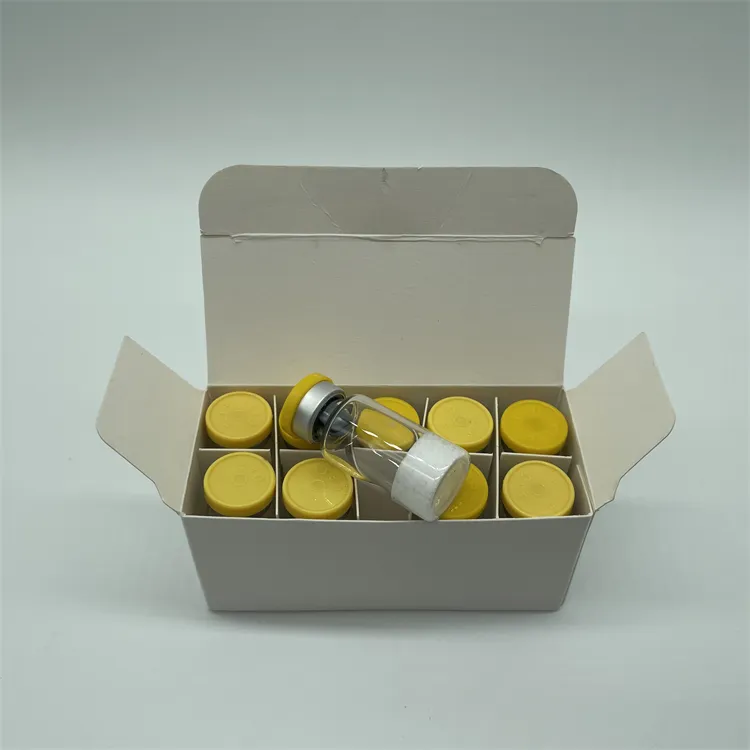
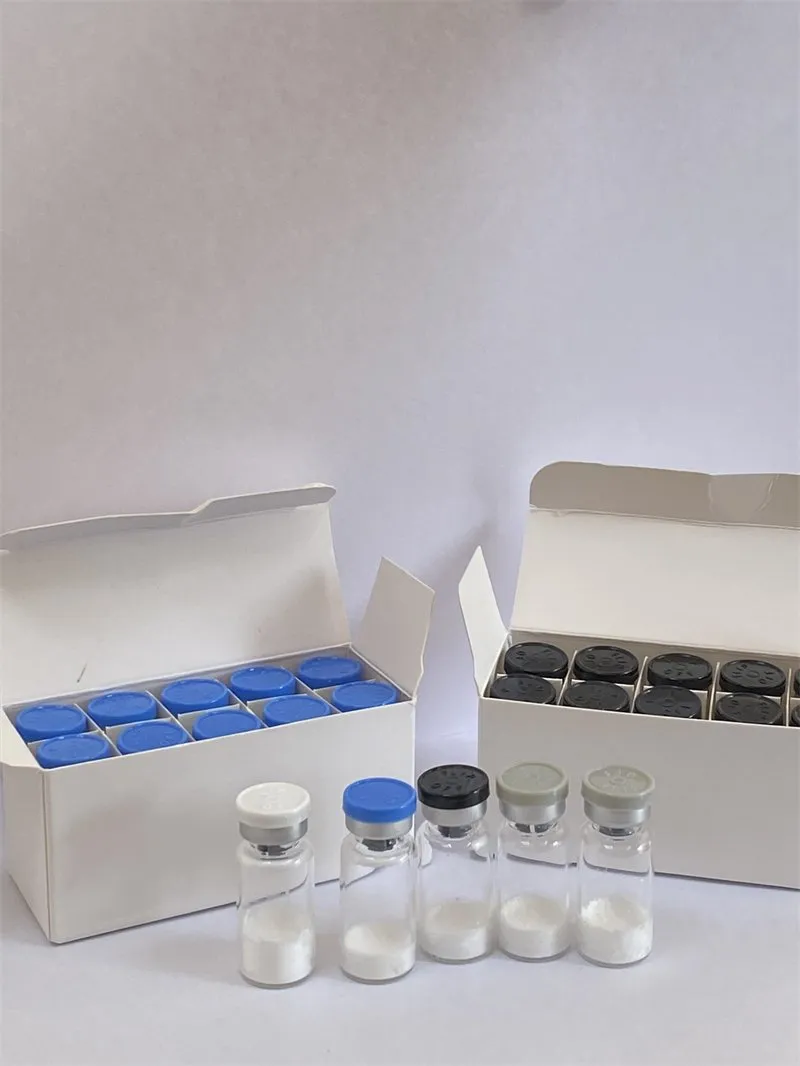
Lixisenatide is a potent GLP-1 receptor agonist peptide used in experimental models for type 2 diabetes, glucose regulation, and metabolic research. Offered at 99.85% purity, produced in GMP-certified facilities.For wholesale prices, other specifications and uses, please consult our staff
Description
Product Description
Lixisenatide is a synthetic glucagon-like peptide-1 (GLP-1) receptor agonist designed to mimic the incretin hormone GLP-1, which plays a pivotal role in glucose homeostasis. As a research-grade peptide, Lixisenatide serves as a valuable tool for studying metabolic regulation, pancreatic β-cell protection, insulin signaling, and inflammatory pathways associated with diabetes and related disorders.
Structurally, Lixisenatide is an exendin-4 analog composed of 44 amino acids, modified to enhance receptor binding affinity and prolong biological half-life. This molecular optimization allows it to maintain sustained activity on GLP-1 receptors, stimulating glucose-dependent insulin secretion while suppressing glucagon release. Its resistance to dipeptidyl peptidase-IV (DPP-IV) degradation contributes to its stability in experimental models.
In cellular assays and in vivo studies, Lixisenatide has demonstrated robust effects on glucose regulation and pancreatic function. It promotes β-cell survival, inhibits apoptosis, and enhances insulin synthesis via activation of the cAMP/PKA and PI3K/Akt pathways. Moreover, it reduces oxidative stress and mitochondrial dysfunction, which are common features in diabetic pathophysiology.
Recent research has expanded Lixisenatide’s potential beyond glycemic control, revealing its neuroprotective and cardioprotective actions. In models of Alzheimer’s disease, it suppresses neuronal apoptosis and reduces amyloid-β accumulation, suggesting therapeutic relevance for neurodegenerative disorders. In cardiovascular studies, Lixisenatide exhibits anti-inflammatory and anti-apoptotic effects on endothelial and myocardial cells, improving vascular function and preventing ischemic injury.
From an analytical perspective, Lixisenatide is typically characterized using high-performance liquid chromatography (HPLC), mass spectrometry (MS), and nuclear magnetic resonance (NMR) to confirm structural identity and purity. The product offered here is synthesized to ≥99% purity, ensuring reliable experimental reproducibility.
Due to its multifaceted mechanism, Lixisenatide is widely employed in research related to diabetes, metabolic syndrome, obesity, cardiovascular dysfunction, and neuroinflammation. Its capacity to influence multiple cellular signaling pathways—particularly GLP-1R/cAMP, PI3K/Akt, and MAPK cascades—makes it an essential model compound for exploring incretin-based pharmacology and metabolic signaling.
Product Specifications
| Property | Description |
|---|---|
| Product Name | Lixisenatide |
| CAS Number | 320367-13-3 |
| Synonyms | AVE0010; GLP-1 receptor agonist peptide |
| Molecular Formula | C215H347N61O65S |
| Molecular Weight | 4858.22 g/mol |
| Purity | ≥99% |
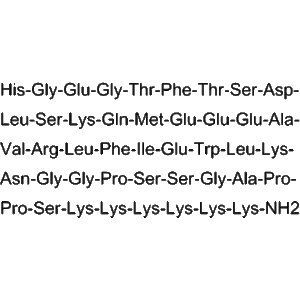
| Sequence | H-His-Gly-Glu-Gly-Thr-Phe-Thr-Ser-Asp-Leu-Ser-Lys-Gln-Met-Glu-Glu-Glu-Ala-Val-Arg-Leu-Phe-Ile-Glu-Trp-Leu-Lys-Asn-Gly-Gly-Pro-Ser-Ser-Gly-Ala-Pro-Pro-Pro-Ser-Gly-Ala-NH2 |
| Form | Lyophilized powder |
| Solubility | Soluble in water or PBS |
| Storage | Store at -20°C; avoid repeated freeze-thaw cycles |
| Applications | Research on diabetes, metabolic syndrome, oxidative stress, and neurodegenerative disease |
| Research Area | Endocrinology, Metabolism, Neuroscience, Pharmacology |
| Supplier Type | Research-use-only peptide manufacturer |
| Intended Use | For laboratory research use only |
Mechanism of Action
Lixisenatide functions primarily as a selective GLP-1 receptor agonist, mimicking the endogenous incretin hormone GLP-1 to regulate glucose metabolism. Upon receptor binding, Lixisenatide activates adenylate cyclase, leading to increased intracellular cyclic AMP (cAMP) levels. This second messenger activates protein kinase A (PKA), which subsequently enhances insulin gene transcription, insulin exocytosis, and β-cell proliferation.
In addition to stimulating insulin release, Lixisenatide suppresses glucagon secretion in a glucose-dependent manner, thereby reducing hepatic glucose production. Through activation of the PI3K/Akt signaling cascade, it protects pancreatic β-cells from oxidative stress-induced apoptosis, promotes mitochondrial biogenesis, and maintains glucose transporter expression in peripheral tissues.
Lixisenatide also modulates inflammatory and oxidative pathways. It inhibits NF-κB activation, decreases pro-inflammatory cytokines (TNF-α, IL-1β, IL-6), and enhances antioxidant enzyme activity (SOD, GPx, catalase). These effects collectively mitigate the chronic low-grade inflammation that underlies metabolic disorders.
In the cardiovascular system, Lixisenatide exhibits direct vasoprotective actions by enhancing endothelial nitric oxide synthase (eNOS) phosphorylation, improving endothelial function, and preventing atherosclerotic lesion formation. It reduces myocardial apoptosis and oxidative injury following ischemic stress, mediated via activation of SIRT1 and AMPK signaling.
Within the central nervous system, Lixisenatide crosses the blood–brain barrier and interacts with GLP-1 receptors in the hippocampus and cortex. It attenuates neuroinflammation, inhibits β-amyloid aggregation, and preserves synaptic plasticity. These properties make it an important experimental agent for studying neurodegeneration, particularly in Alzheimer’s and Parkinson’s disease models.
Side Effects
While Lixisenatide is intended strictly for research use, studies in preclinical and clinical models have identified dose-dependent physiological effects relevant for experimental interpretation. The most commonly observed include mild gastrointestinal responses such as nausea and reduced appetite, which are typical for GLP-1 receptor agonists.
At high concentrations, prolonged receptor stimulation may transiently affect insulin and glucagon secretion balance, leading to hypoglycemia in glucose-sensitive assays. Additionally, experimental data suggest potential modulation of heart rate and gastrointestinal motility, mediated through vagal and enteric signaling pathways.
In neurobehavioral studies, Lixisenatide demonstrates protective effects without significant toxicity, though excessive exposure may influence mitochondrial function due to overactivation of AMPK pathways. Researchers are advised to titrate dosage carefully and evaluate cellular viability when studying oxidative or apoptotic endpoints.
All reported effects are reversible and concentration-dependent. Proper in vitro and in vivo dosing regimens should be established based on the specific biological model employed.
Keywords
Lixisenatide, CAS 320367-13-3, GLP-1 receptor agonist, diabetes research peptide, metabolic syndrome, oxidative stress, neurodegenerative model, β-cell protection, incretin analog, anti-inflammatory peptide, cardiovascular research, insulin signaling, peptide supplier China, high-purity peptide manufacturer
Shipping Guarantee
All shipments are handled using validated cold-chain logistics to preserve peptide integrity. Each package is sealed in moisture-proof containers with secondary protective wrapping and continuous temperature monitoring. Products are shipped via express international couriers with full tracking and insurance coverage.
Trade Assurance
We ensure product authenticity, verified ≥99% purity, and compliance with analytical standards (HPLC, MS, and NMR). Each batch is supplied with a Certificate of Analysis (CoA). Our trade assurance policy guarantees replacement or refund for any deviation from listed specifications.
Payment Support
We provide flexible and secure global payment options to support international research transactions. Accepted payment methods include PayPal, major credit cards (Visa, MasterCard, American Express), telegraphic transfer (T/T), and cryptocurrencies (USDT, Bitcoin, Ethereum). All transactions are protected by industry-standard encryption and verified payment gateways to ensure confidentiality and fund security.
Disclaimer
All products listed are intended for laboratory research use only and not for human or veterinary use. They are not drugs, medical devices, or diagnostics and should not be administered to humans or animals. Researchers must handle all materials in accordance with institutional biosafety and chemical safety guidelines. The information provided is for scientific reference only and does not imply therapeutic efficacy, safety, or regulatory approval.
Additional information
| Weight | 0.8 kg |
|---|---|
| Dimensions | 26 × 23 × 26 cm |
What is Lixisenatide used for in research?
Lixisenatide is used to study glucose metabolism, β-cell function, and signaling in diabetes and metabolic disorders.
How does Lixisenatide act on GLP-1 receptors?
It binds to and activates GLP-1 receptors, enhancing insulin secretion and reducing glucagon release.
Can Lixisenatide be used in animal models?
Yes, it is commonly used in rodent and primate models to study glucose homeostasis and β-cell protection.
What purity level is provided?
All Lixisenatide batches are synthesized to ≥99% purity and validated by HPLC and MS.
Does Lixisenatide affect oxidative stress?
Yes, it significantly reduces ROS production and promotes mitochondrial integrity.
Is this peptide suitable for neurodegenerative studies?
Yes, it exhibits neuroprotective activity, reducing amyloid-β toxicity and neuroinflammation.
What analytical methods confirm its identity?
HPLC, mass spectrometry, and NMR spectroscopy confirm molecular structure and purity.
What solvent should be used?
It dissolves readily in sterile water or phosphate-buffered saline (PBS).
How should Lixisenatide be stored?
Store lyophilized powder at -20°C, away from moisture and light.
Is this product GMP-grade?
No, it is intended solely for laboratory research, not for clinical use.
Related products
Retatrutide cost with insurance
Retatrutide cost with insurance Original price was: $38.00.$26.00Current price is: $26.00.GLP-1 Retatrutide Weight Loss Slimming low price wholesale
GLP-1 peptide slimming product, 5mg 10mg 15mg vials, metabolic health- Application: Health Care Supplement
- Form: Disposable vials
- Dosages: 5mg, 10mg, 15mg
- Purity: >99%
Best-Selling Weight Loss Peptide: Slimming Peptide Reta with Safe Delivery
Weight Loss Peptide Lab-Tested Purity (99%+) – Ensures maximum effectiveness Original price was: $56.00.$23.00Current price is: $23.00.Semaglutide finished product (lyophilized powder) wholesale Supplier
Semaglutide finished product (lyophilized powder) wholesale $1.00

Reviews
There are no reviews yet.