
No products in the cart.
Sale
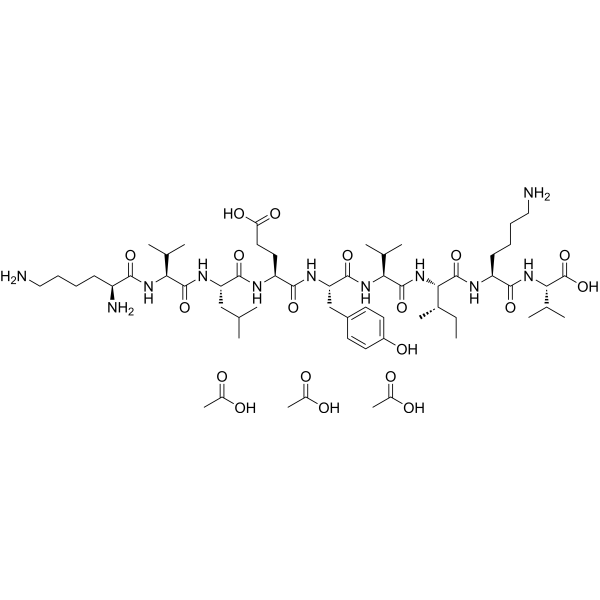
MAGE-A1-derived Peptide Acetate – Tumor Immunity Research Peptide
Original price was: $18.00.$15.00Current price is: $15.00.
MAGE-A1-derived peptide acetate is a high-purity synthetic peptide derived from the tumor-specific MAGE-A1 antigen. It activates cytotoxic T lymphocytes (CTLs) to elicit immune responses against tumor cells expressing MAGE-A1. Produced in a GMP-certified facility, it is intended for laboratory research use only. Available for wholesale and retail.?If you need to place an order or inquire about wholesale product prices, specifications and uses, please contact our staff?
Description
MAGE-A1-derived peptide acetate is a synthetic short peptide sequence derived from the melanoma-associated antigen 1 (MAGE-A1) protein, which is classified as a tumor-specific antigen. This peptide exhibits high specificity for certain cancer cells while largely absent in normal adult tissues, making it a valuable tool for tumor immunology research.
In the laboratory, MAGE-A1-derived peptide acetate is primarily used to activate cytotoxic T lymphocytes (CTLs). When antigen-presenting cells (APCs) process and present this peptide via MHC class I molecules, it specifically stimulates T cells to recognize and target MAGE-A1-expressing tumor cells, leading to targeted cytotoxicity and apoptosis. This property has been exploited in preclinical cancer research and for modeling immune responses in vitro and in vivo.
The peptide acetate form improves chemical stability, solubility, and storage properties, making it highly suitable for laboratory experimentation. Lyophilized MAGE-A1-derived peptide acetate is stable under proper conditions and demonstrates consistent activity across research applications, including immune cell activation assays, tumor cell lysis studies, and peptide vaccine design experiments.
Research has shown that exposure to MAGE-A1-derived peptide acetate induces a robust CTL response, including proliferation of antigen-specific T cells and release of immune mediators like interferon-gamma (IFN-?) and tumor necrosis factor-alpha (TNF-?). These immune responses are critical in tumor immunity studies, allowing researchers to explore mechanisms of immune recognition, tumor antigenicity, and T cell receptor specificity.
Additionally, this peptide serves as a platform for mechanistic studies on T cell activation thresholds, immune evasion strategies employed by tumor cells, and co-stimulatory signaling in cancer immunotherapy research. Researchers have applied it in combination studies with dendritic cells, immune adjuvants, or checkpoint inhibitors to evaluate synergistic effects on T cell-mediated tumor clearance.
Produced under GMP-compliant conditions, MAGE-A1-derived peptide acetate is supplied as a high-purity, reliable research reagent. It supports a wide range of experimental designs, from epitope mapping and peptide-MHC binding studies to preclinical evaluation of peptide-based vaccine candidates.
Strictly for laboratory research, it is not intended for human use, therapeutic, or clinical application. Its high purity and GMP-grade quality ensure reproducible results for experiments in tumor immunology, CTL activation, and peptide immunotherapy research.
Product Specifications
| Parameter | Details |
|---|---|
| Product Name | MAGE-A1-derived Peptide Acetate |
| Synonyms | MAGE-A1 peptide, tumor antigen peptide |
| CAS Number | Not assigned, GMP-grade synthetic peptide |
| Molecular Type | Synthetic peptide |
| Purity | 99.63% (HPLC) |
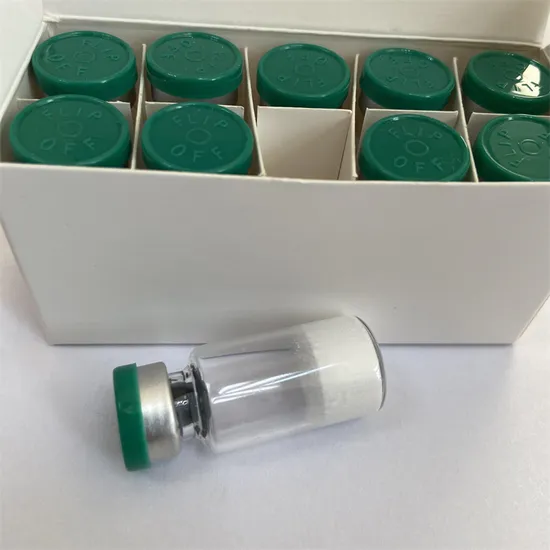
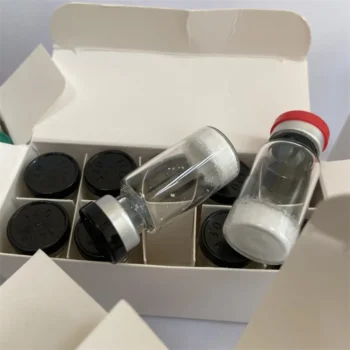
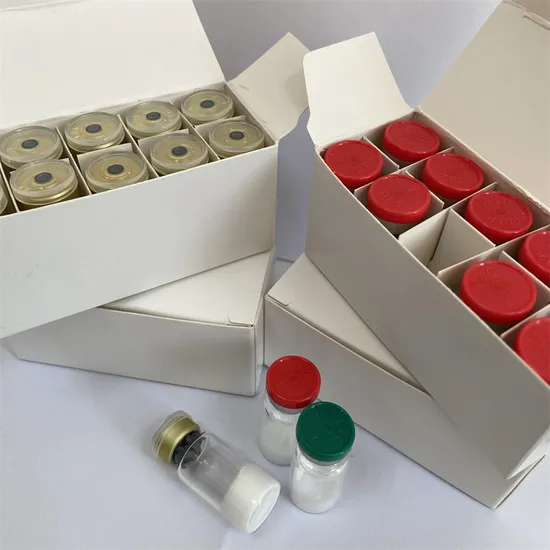
| Appearance | Lyophilized white to off-white powder |
| Molecular Formula | Peptide sequence based (full amino acid sequence available upon request) |
| Storage Conditions | Store at -20°C, protect from moisture and light |
| Solubility | Soluble in aqueous buffers, DMSO, or peptide-compatible solvents |
| Stability | Stable under inert atmosphere, avoid repeated freeze-thaw cycles |
| GMP Compliance | Manufactured in GMP-certified facility |
| Applications | Laboratory research in tumor immunity, T cell activation, peptide vaccine development, immunological studies |
| Availability | Wholesale & retail supply |
This peptide is compatible with in vitro assays, preclinical animal studies, and combination experiments involving adjuvants or other immunomodulatory agents. Its high stability and purity ensure reproducible experimental outcomes, making it ideal for detailed immunological research.
Mechanism of Action & Research Applications
MAGE-A1-derived peptide acetate functions as a tumor-specific immunogenic peptide, capable of triggering cytotoxic T lymphocyte (CTL) responses. Once processed by antigen-presenting cells (APCs) and presented via MHC class I molecules, the peptide is recognized by T cell receptors (TCRs) on CTLs. This interaction activates CTLs, which then proliferate and differentiate into effector T cells.
Activated CTLs mediate tumor cell lysis through perforin and granzyme pathways, initiating apoptosis in MAGE-A1-expressing tumor cells. Simultaneously, CTLs release cytokines such as IFN-?, TNF-?, and interleukin-2 (IL-2), enhancing antigen presentation, recruiting additional immune cells, and promoting a robust anti-tumor response.
In research, MAGE-A1-derived peptide acetate is used to:
Study tumor-specific immune responses by evaluating CTL activation, proliferation, and cytotoxic activity.
Develop peptide-based vaccines, investigating immunogenic epitopes, dose optimization, and delivery methods.
Assess antigen presentation pathways via dendritic cells, MHC binding affinity, and TCR specificity.
Model immune evasion mechanisms, including downregulation of MHC expression or altered peptide presentation by tumor cells.
Examine combination immunotherapies, such as peptide co-administration with checkpoint inhibitors, adjuvants, or cytokine treatments to enhance immune response.
The peptide acetate form provides enhanced stability for long-term storage and repeated experimental use, facilitating kinetic studies, dose-response assessments, and reproducible immune activation experiments. Its synthetic nature allows for sequence modification and epitope optimization to improve immunogenicity or study structure-function relationships in tumor antigens.
Researchers can use this peptide in in vitro CTL assays, such as ELISPOT, intracellular cytokine staining, and chromium release assays, or in in vivo preclinical tumor models to examine T cell-mediated tumor rejection. The peptide can also be applied in immunotherapy development, where it is tested for its ability to elicit antigen-specific T cell expansion and memory formation.
In summary, MAGE-A1-derived peptide acetate serves as a versatile platform for tumor immunology, cancer vaccine research, and peptide-based immunotherapy studies, providing critical insights into T cell activation, antigen presentation, and anti-tumor immunity.

Side Effects (For Reference in Models)
As a synthetic research peptide, MAGE-A1-derived peptide acetate is intended strictly for laboratory use. Preclinical studies indicate that its immunostimulatory activity is specific to antigen-presenting cells and T cells. In controlled experimental systems, potential side effects include:
Non-specific cytotoxicity: High concentrations of the peptide may induce mild toxicity in cultured immune cells.
Immune overactivation: Excessive stimulation in preclinical models could lead to transient cytokine release or inflammatory responses.
Experimental variability: Differences in MHC expression, cell line responsiveness, or co-stimulatory signaling may affect CTL activation outcomes.
No adverse effects are observed in non-target cells when used under proper laboratory conditions. Handling precautions should be observed, including PPE and sterile technique. The peptide is not for therapeutic or human use, and any exposure should be limited to controlled laboratory environments.
When used in animal models, careful dosing and monitoring are recommended to avoid immune hyperactivation. Side effects in vivo are generally reversible and transient. Researchers must ensure that all experiments are conducted in compliance with institutional biosafety guidelines and ethical standards.
Disclaimer
MAGE-A1-derived peptide acetate is supplied for laboratory research use only. It is not intended for human therapeutic or clinical use. Experiments must be conducted by trained personnel under controlled laboratory conditions.
Keywords
tumor antigen peptide
CTL activation peptide
cancer immunology research
synthetic peptide for T cells
peptide vaccine development
MAGE-A1 peptide for research
tumor immunity peptide
peptide-based immunotherapy research
Additional information
| Weight | 0.8 kg |
|---|---|
| Dimensions | 63 × 85 × 63 cm |
What is MAGE-A1-derived peptide acetate?
It is a synthetic peptide derived from the MAGE-A1 tumor antigen, used in laboratory research to activate CTLs and study tumor immunity.
What is the purity of MAGE-A1-derived peptide acetate?
99.63% HPLC-purified.
What are the main research applications?
CTL activation, tumor immunity studies, peptide vaccine development, and T cell epitope mapping.
Can it be used in vivo?
Yes, in preclinical animal models for tumor immunology research.
Is MAGE-A1-derived peptide acetate GMP-compliant?
Yes, it is produced in a GMP-certified facility.
How should MAGE-A1-derived peptide acetate be stored?
Store lyophilized peptide at -20°C under an inert atmosphere; avoid repeated freeze-thaw cycles.
Is this peptide orally active?
No, it is intended for injection or in vitro use only.
Can it be used with adjuvants or combination therapies?
Yes, it can be combined with dendritic cells, adjuvants, or checkpoint inhibitors in research studies.
Does MAGE-A1-derived peptide acetate induce non-specific immune responses?
High concentrations may induce mild non-specific activation, but proper experimental controls mitigate this risk.
Is MAGE-A1-derived peptide acetate approved for clinical use?
No, it is strictly for laboratory research use only.
Related products
Retatrutide Raw Material Factory: Low-Price Wholesale for High-Purity Peptides
Retatrutide MOQ 1 Box Source Dry Powder Original price was: $38.00.$22.00Current price is: $22.00.99.9% Effective Weight Loss Shaping Peptide – Beauty Peptide Factory Direct Low Price Wholesale
Peptide Purity 99% Specification 5mg/vial, 10mg/vial, 15mg/vial Original price was: $38.00.$23.00Current price is: $23.00.High Purity Weight Loss Peptide Reta, Trutide, GHK-Cu, Epitalon Peptide – The Ultimate Solution for Effective Weight Loss and Anti-Aging
Weight Loss Peptide Function Dose 2mg 5mg 10mg 15mg 20mg Higher Original price was: $36.00.$25.00Current price is: $25.00.GLP-1/GIP/glucagon combination therapy The Future of Metabolic Treatment (Wholesale Supplier Guide)
GLP-1/GIP/glucagon combination therapy Original price was: $38.00.$23.00Current price is: $23.00.



Reviews
There are no reviews yet.