
No products in the cart.
Sale
Mecasermin – Recombinant Human IGF-I for Laboratory Research | High Purity GMP Peptide
Original price was: $20.00.$16.00Current price is: $16.00.
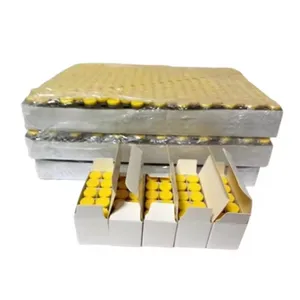
Mecasermin (Human IGF-I; FK 780) is a recombinant peptide with high purity and GMP-grade quality. It is widely applied in research on growth hormone insensitivity, growth disorders, and IGF-I signaling pathways. Available for wholesale and retail supply. Laboratory research use only.?If you need to place an order or inquire about wholesale product prices, specifications and uses, please contact our staff?
Description
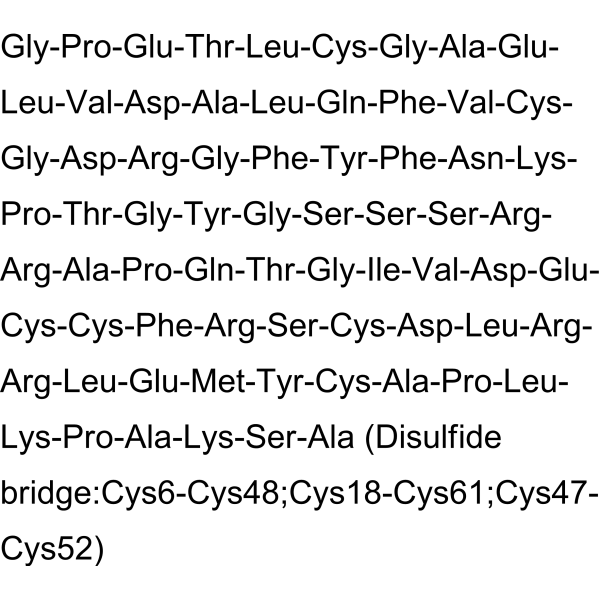
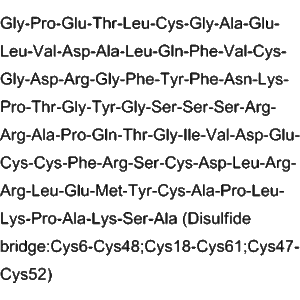
Mecasermin (CAS No. 68562-41-4) is a recombinant form of human insulin-like growth factor I (IGF-I), a critical growth-promoting peptide involved in cellular proliferation, differentiation, and metabolism. Mecasermin is produced using recombinant DNA technology, ensuring high purity and consistency suitable for rigorous laboratory experiments.
As a potent activator of the IGF-I receptor (IGF-IR), Mecasermin plays a central role in mediating the effects of growth hormone (GH). It has particular relevance in models of GH insensitivity, including conditions caused by GH receptor mutations or the presence of GH-inhibiting antibodies. These properties make Mecasermin a valuable tool for preclinical and experimental studies of growth disorders, metabolic regulation, and tissue regeneration.
Mecasermin’s applications extend to research exploring IGF-I’s effects on cell survival, anabolic signaling, and organ-specific growth processes. It allows researchers to simulate physiological IGF-I activity in vitro and in vivo, making it a key molecule for endocrinology, pediatrics, and molecular biology studies.
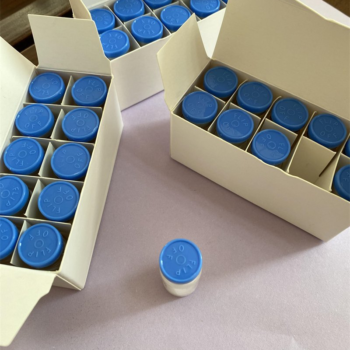
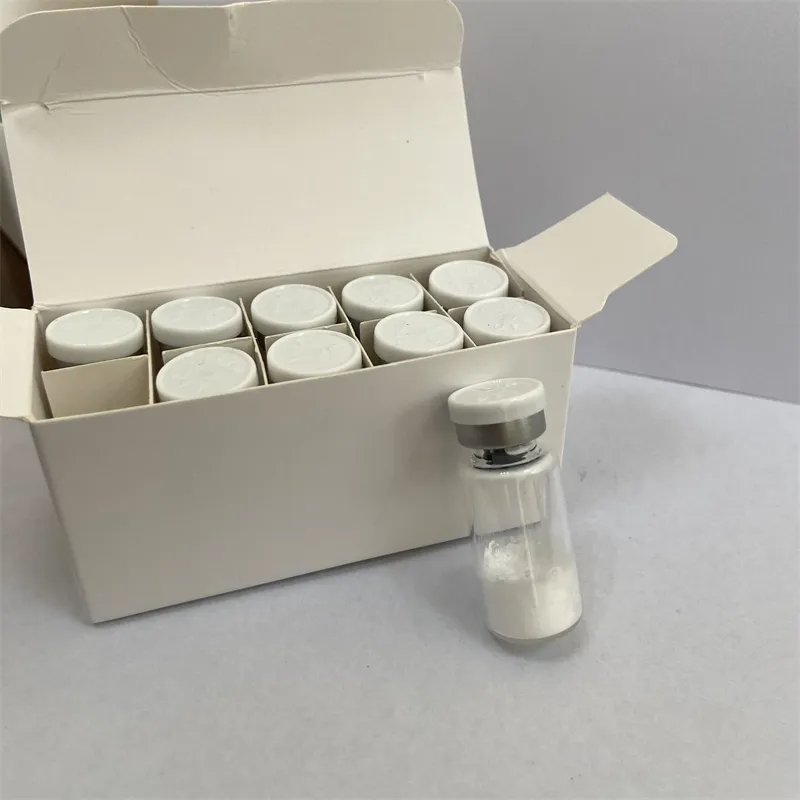
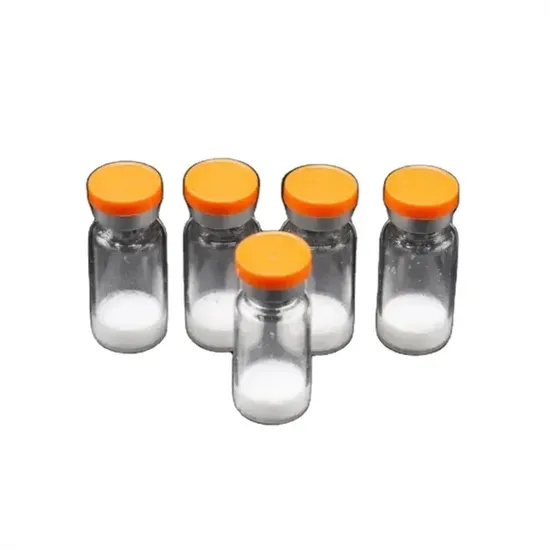
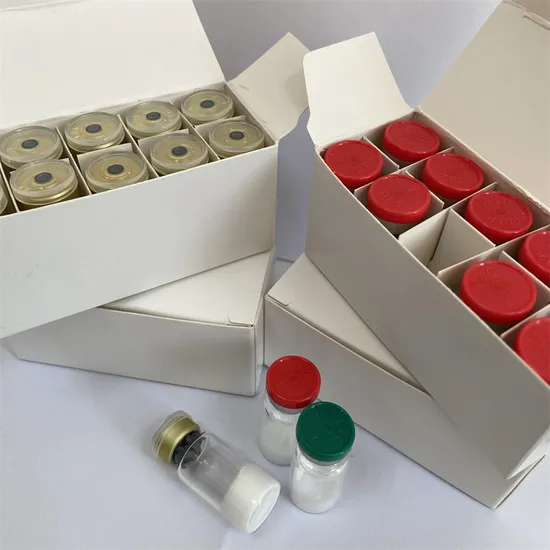
Produced under GMP standards by a certified manufacturer, Mecasermin offers a purity of ?99%, guaranteeing reproducible results for laboratory research. The peptide is supplied as a lyophilized powder, stable under recommended storage conditions, and suitable for both experimental formulation and direct laboratory application.
For laboratory research use only. Not intended for human or veterinary use.
Product Specifications
| Parameter | Details |
|---|---|
| Product Name | Mecasermin |
| Synonyms | Human IGF-I, FK 780 |
| CAS Number | 68562-41-4 |
| Molecular Formula | C_218H_343N_61O_66 |
| Molecular Weight | 7649.5 g/mol |
| Purity | ? 99% |
| Appearance | White to off-white lyophilized powder |
| Form | Lyophilized powder |
| Storage Conditions | -20°C, protect from light and moisture |
| Applications | GH insensitivity studies, growth disorders, IGF-I signaling research, cellular proliferation and differentiation studies |
| Manufacturer | GMP Certified Supplier |
Mechanism of Action & Research Applications
Mecasermin acts primarily by binding to the IGF-I receptor (IGF-IR) on target cells, triggering a cascade of intracellular signaling pathways, including the PI3K/Akt and MAPK pathways. These pathways mediate anabolic effects, promote cellular proliferation, inhibit apoptosis, and regulate glucose and lipid metabolism.
Key research applications include:
Growth Hormone Insensitivity Studies – Simulating IGF-I activity in models with GH receptor defects or GH-inhibiting antibodies.
Pediatric and Endocrinology Research – Investigating molecular mechanisms underlying short stature, growth failure, and related metabolic disorders.
Cellular Proliferation and Differentiation – Assessing IGF-I’s role in tissue regeneration, stem cell differentiation, and organ-specific growth.
Metabolic Regulation Studies – Exploring IGF-I signaling in glucose uptake, lipid metabolism, and insulin sensitization.
Preclinical Disease Models – Studying IGF-I involvement in chronic diseases, cachexia, or muscle-wasting conditions.
Through controlled administration in laboratory settings, Mecasermin enables precise analysis of IGF-I-mediated pathways, providing insight into the endocrine regulation of growth and cellular homeostasis. Its high specificity for IGF-IR allows researchers to delineate IGF-I-dependent versus GH-dependent mechanisms in experimental models.
Development & Research Background
Mecasermin was developed as a recombinant analog of human IGF-I to overcome limitations in direct use of endogenous IGF-I, including batch variability and limited availability. Recombinant production ensures high purity, consistency, and safety for laboratory research.
Research with Mecasermin has contributed significantly to understanding:
The physiological and molecular mechanisms of IGF-I in growth and development.
Therapeutic strategies for GH insensitivity syndromes, including Laron syndrome.
Interactions between IGF-I signaling and other hormonal or metabolic pathways.
This peptide has also been instrumental in preclinical studies assessing tissue-specific anabolic effects, potential regenerative therapies, and metabolic interventions in models of growth failure and endocrine dysfunction.
Side Effects (For Reference in Research Models Only)
In laboratory studies, Mecasermin has been associated with:
Hypoglycemia in sensitive animal models if administered at high doses.
Altered cellular proliferation rates in vitro, depending on dosage and experimental conditions.
Minor changes in organ-specific growth or tissue morphology in preclinical models.
These effects are strictly context-dependent and should be carefully managed within controlled laboratory research protocols.
Disclaimer
is supplied exclusively for laboratory research use. It is not intended for human or veterinary consumption, diagnostic, or therapeutic applications.
Keywords
Recombinant human IGF-I
Mecasermin peptide for research
GMP Mecasermin supplier
Mecasermin growth hormone insensitivity research
Buy Mecasermin wholesale
Laboratory IGF-I peptide
Additional information
| Weight | 0.8 kg |
|---|---|
| Dimensions | 62 × 35 × 62 cm |
Related products
Retatrutide cost with insurance
Retatrutide cost with insurance Original price was: $38.00.$26.00Current price is: $26.00.Tesamorelin Raw Material Factory: Low-Price Wholesale for High-Purity Peptides
Tesamorelin Egrifta; Tesamorelin; 218949-48-5; 804475-66-9; TH9507; ... Compound CID: 16137828 MF: C221H366N72O67S Original price was: $38.00.$23.00Current price is: $23.00.Wholesale 99% Purity Epitalon Peptide Raw Powder for Skin Repair
Epitalon Peptide Raw Powder for Skin Repair Original price was: $33.00.$22.00Current price is: $22.00.GLP-1/GIP/glucagon combination therapy The Future of Metabolic Treatment (Wholesale Supplier Guide)
GLP-1/GIP/glucagon combination therapy Original price was: $38.00.$23.00Current price is: $23.00.

Reviews
There are no reviews yet.