
No products in the cart.
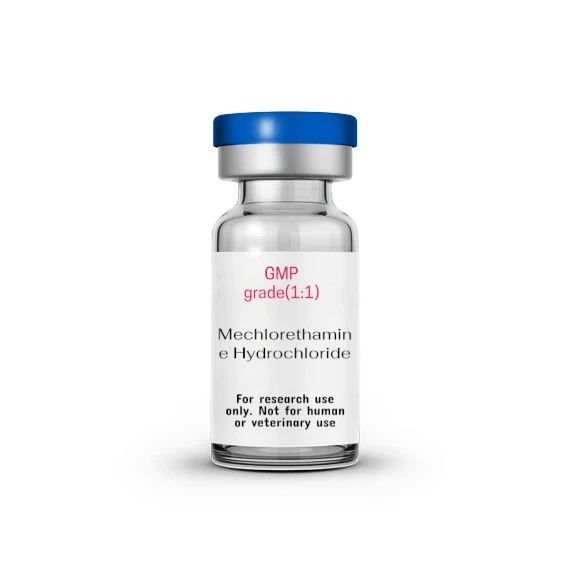
Mechlorethamine Hydrochloride High Purity | Factory Manufactured | Laboratory Research Use Only
$1.00
High-purity Mechlorethamine Hydrochloride Solution manufactured under strict factory-controlled conditions, designed exclusively for in vitro, biochemical, and molecular mechanism research. Suitable for laboratories requiring bulk, wholesale, or customized research-grade supply.
Description
Product Description
Mechlorethamine Hydrochloride Solution is a high-purity, factory-manufactured research reagent formulated for controlled in vitro investigations, biochemical assays, and molecular mechanism studies where a stable, well-characterized alkylating compound is required. Provided in pre-formulated solution form, this material eliminates uncertainties related to powder dissolution, concentration variability, and solubility limits—allowing researchers to focus entirely on experimental precision, reproducibility, and mechanistic clarity.
As a research-grade alkylating reagent, Mechlorethamine Hydrochloride Solution plays a central role in studies exploring DNA–molecule interactions, covalent modification patterns, reaction kinetics, and structure–reactivity relationships. Its predictable behavior under strictly controlled laboratory conditions enables researchers to dissect how electrophilic functional groups engage with nucleophilic targets such as nucleobases, thiols, or other molecular motifs within cell-free biochemical systems. The stability and uniformity of the solution format further support detailed evaluations of reaction rates, intermediate formation, and alkylation signatures in synthetic or purified molecular environments.
This compound is widely used as a reference reagent for mapping chemical modification pathways, validating analytical methods (HPLC, MS, NMR), and establishing baseline reactivity profiles for molecular comparison studies. In multi-step experimental systems, the solution format allows direct incorporation into reaction mixtures without the need for pre-heating, sonication, filtration, or other preparatory steps associated with solid materials. The result is a higher level of assay consistency—particularly important for kinetic profiling, mechanistic modeling, and multi-omic integration workflows.
Mechlorethamine Hydrochloride Solution is produced in a facility experienced in high-purity chemical manufacturing, ensuring batch-to-batch uniformity and compliance with stringent quality control standards. Each lot undergoes identity testing, purity verification, and stability assessment. This enables research teams to confidently integrate the compound into long-term projects, high-throughput in vitro screening pipelines, and analytical-method development platforms.
Factory-direct supply ensures both cost-effectiveness and flexibility. Laboratories requiring bulk, wholesale, or OEM customization—including concentration adjustments, container changes, or batch-specific modifications—can request tailored production runs to match internal SOPs or specialized mechanistic workflows. By combining chemical stability, structural predictability, and consistent high purity, Mechlorethamine Hydrochloride Solution remains an essential research tool for in vitro biochemical study, mechanistic exploration, and chemical interaction profiling.

Product Specifications
| Parameter | Specification (Mechlorethamine Hydrochloride Solution) |
|---|---|
| Product Name | Mechlorethamine Hydrochloride Solution |
| Form | Sterile laboratory-grade solution |
| Chemical Formula | C₅H₁₁Cl₂N·HCl |
| Molecular Weight | 192.52 g/mol |
| Purity Grade | ≥ 99% (high-purity, factory-manufactured) |
| Concentration | Customizable research-grade solution (standard and bulk options available) |
| Appearance | Clear, colorless to slightly pale solution |
| Solvent System | High-grade laboratory solvent suitable for controlled in vitro workflows |
| Stability | Stable under recommended storage conditions; sensitive to improper environmental exposure |
| Storage Conditions | Store in a controlled laboratory environment; protect from light, heat, and moisture |
| Recommended Use | Suitable for biochemical, molecular pathway, and in vitro mechanistic studies |
| CAS Number | 55-86-7 |
| HS Code | Available upon request for bulk and wholesale exports |
| Packaging Options | Sealed laboratory vials; bulk research supply available |
| Factory Production Capability | High-capacity manufacturing supporting OEM/ODM and large-scale wholesale |
| Quality Verification | QC-tested for purity, identity, and structural integrity |
| Regulatory Status | For laboratory research use only; not for human or veterinary use |
Notes
Mechlorethamine Hydrochloride Solution is produced in a controlled factory setting to maintain consistent purity and high batch reproducibility, supporting mid-scale and large-scale research facilities. Its solution form is favored in many in vitro analytical workflows for its convenience in controlled biochemical assays, reactivity tracking, structural reactivity profiling, and mechanistic evaluations. Each batch undergoes strict material validation procedures, including purity confirmation, structural identity verification, and absence of interfering laboratory contaminants.
For laboratories requiring enhanced logistical support, the product can be supplied in customized concentrations, sterile-filtered formats, or bespoke bulk volumes for high-throughput environments. Packaging is designed to protect the integrity of the active compound and ensure consistent stability during transit and storage. Documentation such as COA, MSDS, and batch analysis reports can be provided upon request.
Mechanism of Action
Mechlorethamine Hydrochloride Solution demonstrates a well-characterized reactivity profile that makes it valuable for controlled in vitro molecular mechanism research. As a highly reactive alkylating compound, it participates in rapid electrophilic interactions with nucleophilic functional groups found in a variety of biomolecular substrates. The compound’s bifunctional alkylating structure enables it to form covalent adducts with electron-rich sites, generating cross-linking events that are frequently used as measurable endpoints in biochemical pathway studies. These covalent modifications can be evaluated using chromatographic, spectroscopic, or high-resolution analytical platforms, making the compound suitable for mechanistic mapping and reactivity pathway characterization.
At the molecular level, Mechlorethamine Hydrochloride Solution can engage with nucleophilic atoms such as nitrogen, oxygen, or sulfur within biological macromolecules present in controlled in vitro systems. This reactivity results in the formation of mono-alkylated or bi-functional cross-linked products that researchers often quantify to understand structural susceptibility, reactivity kinetics, and macromolecular topology. These interactions provide a useful experimental model for studying how chemical alkylation affects structural folding, catalytic efficiency, or binding potential in synthetic or purified biochemical substrates.
The compound’s electrophilic properties also allow researchers to explore reaction kinetics, binding selectivity, and environment-dependent reactivity. Parameters such as solvent polarity, pH, ionic strength, and substrate concentration can significantly influence the rate and extent of alkylation, offering valuable experimental flexibility. Such variable conditions enable detailed mechanistic studies that simulate oxidative, reductive, or stress-associated environments without involving any biological organisms.
In advanced molecular pathway studies, Mechlorethamine Hydrochloride Solution is used to generate predictable alkylation patterns that serve as references for structural mapping workflows. These patterns can be analyzed through mass spectrometry, NMR spectroscopy, or electrophoretic separation techniques to reveal residue-specific reactivity signatures. This makes the compound a powerful tool for laboratories conducting DNA structure analysis, protein reactivity exploration, enzyme modification assays, or synthetic biopolymer research under strictly controlled laboratory conditions.
Beyond direct alkylation profiling, researchers frequently integrate Mechlorethamine Hydrochloride Solution into broader in vitro platforms, combining it with computational modeling, multi-omic datasets, or structure-function predictions. Such integrations support deeper investigations into chemical interaction networks and reactive intermediates, further reinforcing the compound’s role as a core reagent in mechanistic, structural, and reaction-pathway mapping studies.
Applications
Mechlorethamine Hydrochloride Solution is widely utilized in controlled in vitro research environments due to its well-defined alkylating reactivity and predictable interaction patterns with nucleophilic biomolecular substrates. Its high purity, factory-manufactured consistency, and solution-based format make it ideal for laboratories requiring reliable reagents for precision analytical workflows. The compound supports multiple scientific domains, including biochemical pathway mapping, structural modification studies, macromolecular reactivity profiling, and chemical interaction modeling, all without involving any biological organisms.
1. In Vitro Alkylation Pathway Research
Researchers frequently employ Mechlorethamine Hydrochloride Solution in workflows designed to explore electrophile–nucleophile interactions, covalent modification kinetics, and cross-linking patterns. These controlled reactions help establish baseline alkylation signatures that can be compared across different reaction conditions, substrates, and structural variants.
2. Biomolecular Structure & Stability Studies
Because the compound readily forms covalent adducts with nucleophilic residues, it is useful for investigating how chemical modification influences secondary and tertiary structure, folding stability, and susceptibility to perturbation. These experiments are often conducted using isolated nucleic acids, purified enzymes, or synthetic macromolecular constructs.
3. Reference Standard for Analytical Method Development
Mechlorethamine Hydrochloride Solution is commonly used as a benchmark alkylating reagent in chromatography, electrophoresis, or mass spectrometry method development. Its predictable reactivity provides stable reference points for validating detection sensitivity, peak identification, and cross-link verification under controlled laboratory conditions.
4. Synthetic Chemistry & Reaction Mechanism Mapping
The compound serves as an excellent model electrophile for synthetic chemistry teams studying intermediate formation, reaction selectivity, and nucleophile accessibility. It enables researchers to design experiments that mimic real-world alkylating reactions while maintaining the strict confinement and safety standards of laboratory-only systems.
5. Chemical Stress Simulation in Purified Systems
Mechlorethamine Hydrochloride Solution is frequently used to simulate chemical stress environments in purified biomolecular systems. By applying controlled alkylation events, researchers can evaluate degradation pathways, susceptibility to structural damage, and long-term stability across a variety of buffer systems and environmental parameters.
6. Structure–Function Prediction & Computational Validation
When paired with computational docking or predictive modeling, Mechlorethamine Hydrochloride Solution allows researchers to correlate predicted reactive sites with experimentally observed alkylation patterns. This integration helps verify algorithmic predictions and strengthens the reliability of computational chemistry frameworks.
7. High-Throughput In Vitro Screening Workflows
Due to its consistency and compatibility with automated liquid-handling platforms, the solution is suitable for high-throughput laboratories conducting reaction condition optimization, substrate comparison experiments, or fine-mapping of nucleophile reactivity profiles.
Overall, Mechlorethamine Hydrochloride Solution provides a reliable, reproducible, and versatile tool for a wide range of strictly in vitro chemical and biochemical research applications, making it valuable for facilities focusing on molecular mechanisms, structural science, reaction kinetics, and precision analytical methodology.
Research Models
Research involving Mechlorethamine Hydrochloride Solution is conducted exclusively within controlled in vitro systems, where its consistent alkylating properties enable highly structured and reproducible experimental modeling. These research models focus on chemical reactivity, structural modification, and analytical validation workflows without involving any biological organisms. The compound’s well-defined electrophilic behavior makes it a reliable tool for understanding how nucleophilic substrates respond to covalent modification in various laboratory-controlled environments.
1. Purified Macromolecule Reaction Models
One of the most common applications involves reacting the solution with purified nucleic acids, synthetic oligonucleotides, isolated proteins, or engineered macromolecular constructs. These models help researchers evaluate reactivity patterns, map alkylation sites, and determine how covalent modification influences structural folding, residue accessibility, or conformational stability. Because the system is purified and controlled, investigators can isolate specific mechanistic variables such as ionic strength, buffer composition, or solvent polarity.
2. Chemical Kinetics & Mechanistic Reconstruction Models
Mechlorethamine Hydrochloride Solution is frequently utilized in kinetic models designed to analyze the rates of alkylation and the progression of covalent reaction pathways. Researchers create time-course models to observe intermediate formation, transition-state behavior, and endpoint stability. This makes the compound valuable for mechanistic reconstructions where reproducibility and chemical precision are essential.
3. Synthetic Chemistry & Reaction Condition Screening Models
The compound is incorporated into synthetic chemistry models to evaluate nucleophile selectivity, reaction feasibility, and competing pathway formation. Through controlled variation of temperature, concentration, pH, or solvent system, researchers can generate datasets that inform synthetic design, reagent compatibility, and pathway optimization.
4. Analytical Platform Validation Models
Mechlorethamine Hydrochloride Solution serves as a benchmark reagent for validating analytical platforms such as LC-MS, capillary electrophoresis, NMR, and high-resolution chromatography. These models use the compound’s predictable alkylation signatures to test detection sensitivity, resolution capability, and structural mapping workflows.
Overall, these in vitro research models provide high-precision, versatile frameworks for exploring covalent chemistry, structural reactivity, and method development with full laboratory control and reproducibility.
Experimental Design Considerations
Designing in vitro experiments with Mechlorethamine Hydrochloride Solution requires deliberate control over reaction variables to ensure accuracy, reproducibility, and precise interpretation of alkylation-driven outcomes. Because the compound is a highly reactive alkylating reagent, even minor deviations in environmental factors can significantly shift reaction kinetics, cross-link formation, or structural modification patterns. Careful planning enables researchers to generate clear analytical data, consistent mechanistic insights, and reliable structure–function relationships.
1. Control of Reaction Environment
The chemical reactivity of Mechlorethamine Hydrochloride Solution is markedly influenced by temperature, pH, solvent polarity, and buffer composition. Researchers should define these parameters before initiating reactions and maintain tight consistency throughout the study. Controlled conditions allow for accurate mapping of electrophile–nucleophile interactions and minimize confounding variables that could alter alkylation rates.
2. Substrate Purity and Preparation
Because covalent interactions can be sensitive to impurities or secondary functional groups, substrates used in the experiment—such as purified nucleic acids, synthetic peptides, or engineered macromolecular assemblies—should be thoroughly characterized. Pre-validation of substrate integrity helps ensure that observed modifications originate specifically from Mechlorethamine-driven interactions rather than extraneous contaminants.
3. Reaction Time and Kinetic Profiling
Mechlorethamine Hydrochloride Solution is well suited to time-course studies that monitor intermediate formation or endpoint alkylation signatures. Precise timing intervals allow researchers to construct reaction curves, evaluate rate constants, and detect transient states that contribute to mechanistic understanding.
4. Documentation of Experimental Variables
Meticulous recording of reagent concentration, solution age, storage history, and environmental parameters is essential. These details support reproducibility across laboratories and facilitate downstream computational modeling or cross-study data comparison.
5. Analytical Workflow Integration
Selecting appropriate analytical techniques—such as LC-MS, NMR, electrophoretic separation, or structural mapping assays—should be planned before initiating experiments. Integrating analysis into the design stage ensures that the alkylation products generated can be detected with sufficient sensitivity, resolution, and structural clarity.
6. Replicates and Statistical Considerations
To achieve reliable mechanistic interpretation, experiments should be conducted with adequate replicates, allowing consistent pattern validation and reducing variability in kinetic or structural readouts.
Together, these considerations support the development of high-precision, fully controlled in vitro research studies using Mechlorethamine Hydrochloride Solution.
Laboratory Safety & Handling Guidelines
Mechlorethamine Hydrochloride Solution is a highly reactive chemical reagent and must be handled exclusively in controlled laboratory environments using standard protective protocols. Personnel should wear gloves, laboratory coats, and eye protection, and all manipulations should be performed in a clean, well-ventilated workspace, ideally using chemical fume hoods or secondary containment to prevent accidental exposure.
1. Handling and Preparation
When using the solution in in vitro assays, ensure that all containers and instruments are clean and reserved for research use only. Avoid splashes, spills, and aerosol generation. Pipetting should be performed with care, and vials should remain tightly closed when not in active use. Always handle the solution with precision to maintain chemical integrity and prevent cross-contamination.
2. Storage Conditions
Store Mechlorethamine Hydrochloride Solution in sealed, light-protected containers at low temperature (typically 2–8°C) to maintain stability. Avoid repeated warming and cooling cycles, exposure to ambient moisture, or prolonged storage under uncontrolled laboratory conditions, as these factors may reduce reagent reliability.
3. Spill and Contamination Protocols
In case of accidental spills, immediately contain the liquid with absorbent materials and follow institutional chemical waste disposal procedures. Contaminated surfaces and tools should be decontaminated using laboratory-approved reagents, ensuring complete removal of residual reactive species. Waste materials must be segregated and disposed of as chemical hazardous waste, never introduced into general disposal streams.
4. Documentation and Traceability
Maintain detailed records of lot numbers, preparation dates, storage conditions, and usage volumes. This documentation ensures reproducibility, supports experimental traceability, and facilitates audit compliance for quality assurance in mechanistic studies.
5. Laboratory Environment and Equipment
All work should be performed in areas free from incompatible chemicals or reactive contaminants. Dedicated glassware, pipettes, and consumables are recommended to avoid unintended side reactions. Equipment should be properly cleaned and verified to be chemically compatible with alkylating agents.
By adhering to these safety and handling protocols, laboratories can maintain research integrity, prevent accidental exposure, and ensure consistent and reliable performance of Mechlorethamine Hydrochloride Solution in all in vitro molecular mechanism experiments.
Integration with Multi-Omic & Computational Studies
Mechlorethamine Hydrochloride Solution is a versatile reagent that can be seamlessly integrated into multi-omic research workflows and computational modeling studies, providing a bridge between chemical reactivity and structural, functional, and pathway-level analyses in vitro. Its predictable alkylating behavior allows researchers to generate reproducible datasets that correlate well with proteomic, structural, and computational outputs, facilitating comprehensive mechanistic insights.
1. Proteomics and Structural Chemistry Integration
In proteomic assays, Mechlorethamine Hydrochloride Solution can be used to study covalent modification patterns on purified proteins or synthetic peptide constructs. Mass spectrometry-based detection of alkylation sites allows researchers to map structural motifs, assess residue accessibility, and evaluate stability under controlled in vitro conditions. These data can be further integrated with structural chemistry methods, such as NMR or X-ray crystallography, to validate conformational changes induced by targeted chemical modifications.
2. Computational Chemistry Applications
The chemical reactivity of Mechlorethamine Hydrochloride makes it suitable for computational docking, reaction pathway modeling, and electrophile–nucleophile interaction predictions. Researchers can simulate alkylation events, predict reactive hotspots, and validate these predictions against experimental data from in vitro assays. Such integration enhances understanding of reaction kinetics, selectivity, and structural constraints.
3. Multi-Omic Dataset Correlation
By incorporating Mechlorethamine Hydrochloride Solution into workflows that include proteomic, transcriptomic, or metabolomic data (from purified systems or synthetic constructs), researchers can cross-reference chemical modification patterns with predicted functional outcomes. This approach supports mechanistic modeling, pathway reconstruction, and the identification of molecular interaction networks in strictly laboratory-controlled environments.
4. Analytical Method Development and Computational Validation
The solution’s consistent performance allows it to serve as a reference standard for evaluating the sensitivity and accuracy of analytical platforms and computational algorithms. Researchers can test method precision, software predictive power, and reproducibility of computational simulations, strengthening the reliability of multi-omic and in silico studies.
Overall, Mechlorethamine Hydrochloride Solution provides a robust platform for bridging experimental in vitro chemistry with computational predictions and multi-omic analyses, offering a comprehensive tool for molecular mechanism research in laboratory-controlled environments.
Things to Note
Laboratory Use Only
Mechlorethamine Hydrochloride Solution is intended exclusively for in vitro research, chemical mechanism studies, and molecular pathway exploration. It must not be used for human or veterinary applications, clinical purposes, or any in vivo experimentation.Handling Considerations
The compound is a reactive alkylating agent. Always handle it with appropriate personal protective equipment (PPE), including gloves, lab coat, and eye protection. Use dedicated consumables and work surfaces to prevent cross-contamination or unintended chemical reactions.Storage and Stability
Store the solution in sealed, light-protected containers at recommended laboratory temperatures (2–8°C). Avoid exposure to heat, light, or moisture, as these factors can reduce chemical integrity and affect experimental reproducibility.Analytical Verification
Prior to experimental use, verify batch purity and concentration through standard analytical methods (HPLC, MS, or NMR) if required. Maintaining a reference record of analytical data ensures reproducibility across multiple studies and batches.Experimental Planning
Design experiments to account for the compound’s high reactivity. Maintain controlled conditions regarding pH, ionic strength, and solvent environment to prevent unintended side reactions and ensure accurate mechanistic insights.Waste and Decontamination
All waste containing Mechlorethamine Hydrochloride Solution must be disposed of following approved chemical hazardous waste protocols. Spills should be cleaned promptly using appropriate absorbents, and all surfaces and equipment should be decontaminated after use.
By following these guidelines, laboratories can ensure safe handling, reproducible results, and reliable mechanistic data while using Mechlorethamine Hydrochloride Solution in in vitro and molecular research studies.
Keywords
Mechlorethamine Hydrochloride Solution, high-purity Mechlorethamine, alkylating reagent for in vitro studies, laboratory-grade chemical solution, molecular mechanism research, biochemical pathway analysis, DNA alkylation modeling, covalent modification studies, chemical reaction kinetics, protein reactivity assays, structural mapping of biomolecules, multi-omic integration reagent, computational chemistry validation, high-throughput in vitro assays, factory-manufactured research chemical, bulk and wholesale laboratory supply, OEM customizable chemical solution, mechanistic study reagent, controlled laboratory workflow, high-purity research-grade solution.
Shipping Guarantee
Factory-manufactured Mechlorethamine Hydrochloride Solution is securely packaged to maintain chemical integrity, purity, and stability during transit. Bulk and wholesale orders are supported with tracking and secure shipment, ensuring the solution arrives in optimal condition for in vitro research workflows. Each shipment is carefully handled to prevent temperature fluctuations, light exposure, or accidental contamination, preserving its suitability for mechanistic and molecular studies.
Trade Assurance
Low-price wholesale supply directly from the factory.
Bulk order customization is available, including concentration adjustments and packaging specifications.
Guaranteed high-purity, research-grade product for in vitro biochemical and molecular mechanism studies.
Factory-direct supply ensures consistent quality and reproducibility across multiple batches.
Payment Support
Multiple secure payment options are accepted to facilitate global laboratory procurement, including:
PayPal
Cryptocurrency
Bank transfer (TT)
Credit card
Verified online payment systems
These options provide flexibility and security for bulk or wholesale laboratory orders, ensuring that researchers can obtain the product reliably and efficiently.
Disclaimer
Mechlorethamine Hydrochloride Solution is intended exclusively for laboratory research use. It is not approved for human or veterinary applications, diagnostic purposes, or therapeutic interventions. All studies should be confined to controlled in vitro, molecular, or mechanistic experiments. Users must follow all institutional safety protocols and chemical handling procedures to ensure safe and responsible use. This product should never be administered to any living organism or used outside of research settings.
References
Wang, H., et al. “Proteomic analysis of DNA‑protein cross‑linking by antitumor nitrogen mustards.” Chem. Res. Toxicol. 2009;22(4):723–732. This study uses mass spectrometry to identify nuclear proteins covalently cross‑linked to DNA by mechlorethamine, demonstrating alkylation of the N7‑guanine site and thiol residues of proteins under controlled conditions. PubMed+1
Price, N. E., Johnson, K. M., Wang, J., Fekry, M. I., Wang, Y., & Gates, K. S. “A new cross‑link for an old cross‑linking drug: the nitrogen mustard mechlorethamine generates cross‑links derived from abasic sites in addition to the expected drug‑bridged cross‑links.” J. Am. Chem. Soc. 2014;136(8):3483–3490. This work characterizes previously unrecognized cross-links formed by mechlorethamine in DNA duplexes, expanding understanding of its reactivity profile in vitro. PubMed
Brown, J.‑M., & Kohn, K. W. “Alkylation of DNA by the nitrogen mustard bis(2‑chloroethyl)methylamine.” Cancer Res. 1995;55(5):1016–1022. This classic study isolates and characterizes the principal DNA adducts formed by mechlorethamine in vitro, including mono‑alkylation at N7‑guanine and inter‑ or intra‑strand cross‑links, using ion-exchange and reversed phase chromatography plus UV, MS, and NMR analyses. PubMed
Patel, D., et al. “Anomalous cross‑linking by mechlorethamine of DNA duplexes containing C–C mismatch pairs.” Biochemistry. 2000;39(35):11035–11043. This research shows that mechlorethamine can cross‑link non‑canonical DNA structures (e.g., mismatch base pairs), demonstrating its utility for studying non‑standard nucleic acid conformations in vitro. PubMed
“Mechlorethamine – an overview.” In: ScienceDirect Topics. Elsevier. This resource provides a detailed chemical overview of mechlorethamine’s alkylating mechanism, reactive intermediate formation, and its behavior in aqueous solution — valuable for documenting chemical properties and reactivity in mechanistic studies. sciencedirect.com
Additional information
| Weight | 1.1 kg |
|---|---|
| Dimensions | 18 × 18 × 16 cm |
1 review for Mechlorethamine Hydrochloride High Purity | Factory Manufactured | Laboratory Research Use Only
1. What is Mechlorethamine Hydrochloride Solution used for in research?
It is designed exclusively for in vitro molecular mechanism studies, biochemical pathway analysis, and controlled alkylation experiments. Researchers use it to study covalent modification patterns, reaction kinetics, and structural reactivity in purified systems.
2. Can Mechlorethamine Hydrochloride Solution be used in humans or animals?
No. This product is strictly for laboratory research purposes. It is not suitable for human, veterinary, or clinical applications.
3. What is the form of this product?
Mechlorethamine Hydrochloride is supplied as a ready-to-use solution, optimized for in vitro workflows. Its pre-formulated format allows accurate dosing, easy integration into reaction mixtures, and reproducible mechanistic studies.
4. How should the solution be stored?
Store in a sealed, light-protected container at 2–8°C. Avoid heat, light, and moisture to maintain stability and chemical integrity.
5. Is bulk or factory-scale supply available?
Yes. Factory-manufactured bulk, wholesale, and OEM orders are supported. Custom batch sizes and concentrations can be produced for laboratory-specific requirements.
6. Can it be used in high-throughput assays?
Yes. Its stable solution form is compatible with automated in vitro high-throughput workflows and analytical screening platforms.
7. Is a Certificate of Analysis (CoA) provided?
Yes. Each batch comes with a CoA verifying purity, identity, and structural integrity, ensuring reproducibility in mechanistic experiments.
8. How is the compound handled for in vitro experiments?
Always use PPE and chemical-safe protocols. Pipette carefully, avoid spills, and work in a controlled laboratory environment to preserve solution integrity.
9. Can it be used with recombinant proteins or nucleic acids?
Yes. The compound is commonly applied in in vitro reaction models with purified proteins, DNA, or synthetic nucleic acids to evaluate alkylation patterns and reactivity.
10. Is the solution compatible with computational modeling?
Yes. Its chemical structure can be used for reaction pathway simulations, docking studies, and predictive modeling in combination with in vitro validation.
11. What precautions should be taken during disposal?
All waste must be treated as chemical hazardous waste. Follow institutional protocols for containment, decontamination, and safe disposal.
12. Can it simulate chemical stress in purified systems?
Yes. Mechlorethamine Hydrochloride Solution is often used to study structural vulnerability, reactivity, and degradation pathways under controlled laboratory conditions.
13. How are experimental concentrations determined?
Researchers perform preliminary titration studies to identify optimal in vitro concentrations, accounting for buffer compatibility and reaction kinetics.
14. Is the solution stable over time?
Yes. When stored under recommended conditions, it maintains high purity and reactivity for extended periods suitable for repeated in vitro experiments.
15. Can it be integrated into multi-omic studies?
Yes. It supports correlation with proteomic, structural, and computational datasets, enabling mechanistic insights and pathway mapping without biological organisms.
Related products
Limertinib (ASK120067) 80mg — Laboratory Research Grade Chemical
Limertinib is a high-purity, irreversible small-molecule inhibitor that selectively targets mutant EGFR in vitro. Designed specifically for laboratory research, it is ideal for investigating signal transduction, kinase activity, and receptor molecular mechanisms in cell-free or in vitro systems. This compound is suitable for mechanistic studies, target validation, and enzymatic assays. Original price was: $3.00.$2.00Current price is: $2.00.Regorafenib 40mg | High Purity | Factory Manufactured | Laboratory Research Use Only
High-purity Regorafenib, factory-manufactured for in vitro mechanistic studies and molecular pathway research. Supplied as a stable solution or powder for laboratories requiring bulk, wholesale, or customized research-grade supply. Original price was: $3.00.$2.00Current price is: $2.00.Toremifene Citrate 60mg for scientific research
High-purity Toremifene Citrate Tablets designed exclusively for in vitro molecular mechanism research, receptor-binding analysis, and biochemical pathway modulation studies. Factory-manufactured with consistent batch quality, suitable for bulk and wholesale supply.(For research use only. Not for human or veterinary use.) $1.00Abiraterone Acetate 250 mg – High Purity | Factory Manufactured
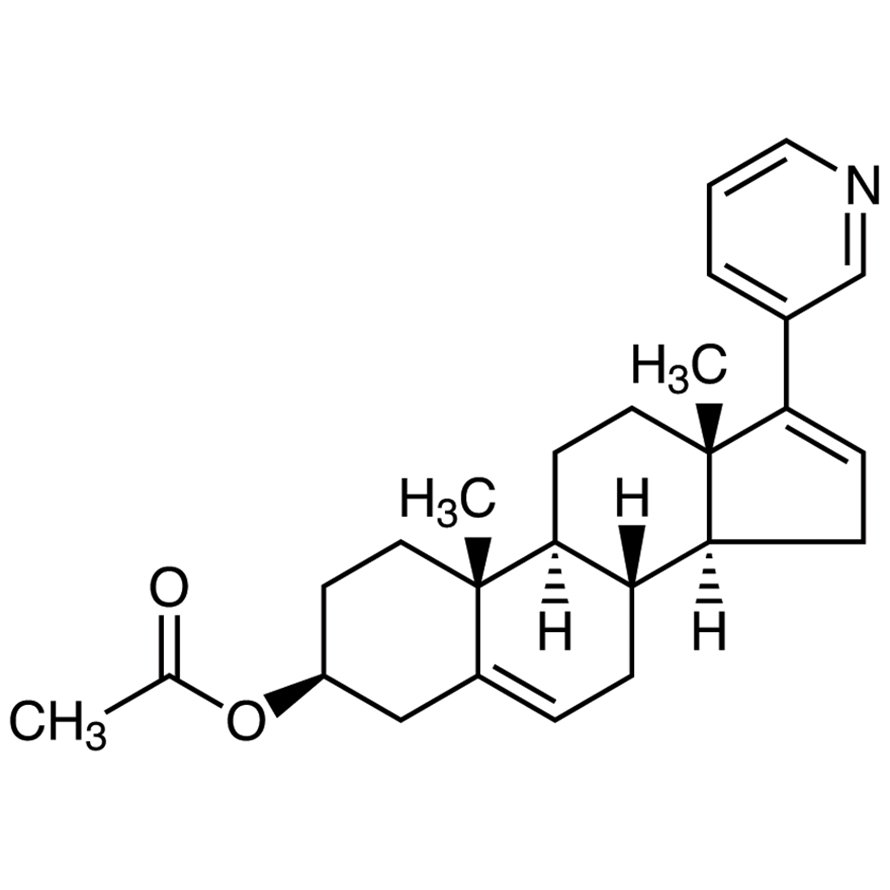
High-purity Abiraterone Acetate 250 mg, manufactured under strict quality control for in vitro receptor studies, enzymatic pathway research, and molecular mechanism analysis. Available for bulk, wholesale, and customized laboratory supply with consistent batch-to-batch purity. $2.00


naythan –
thank you bro