
No products in the cart.
Sale
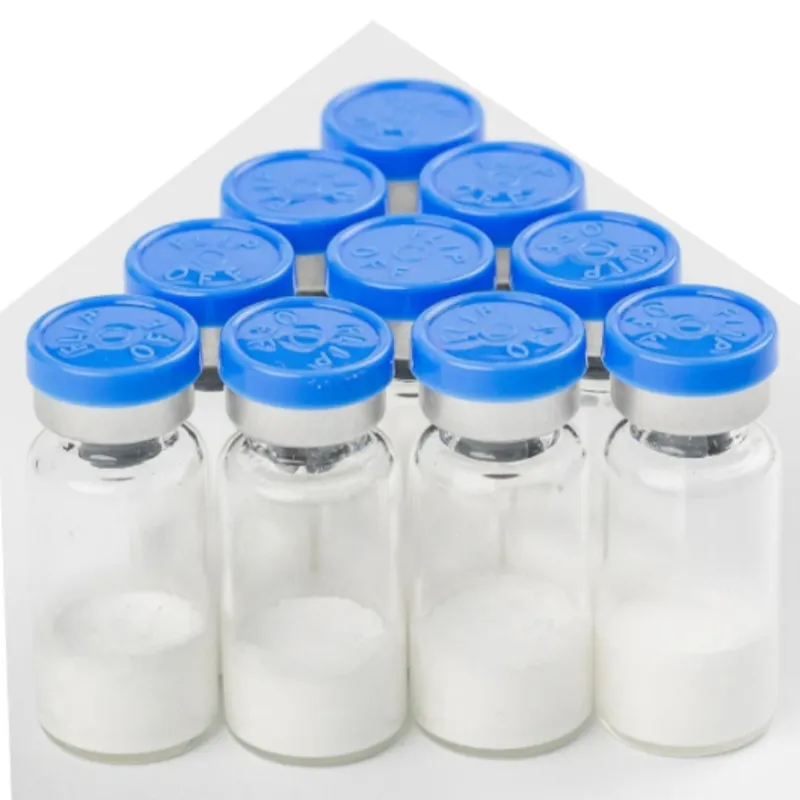
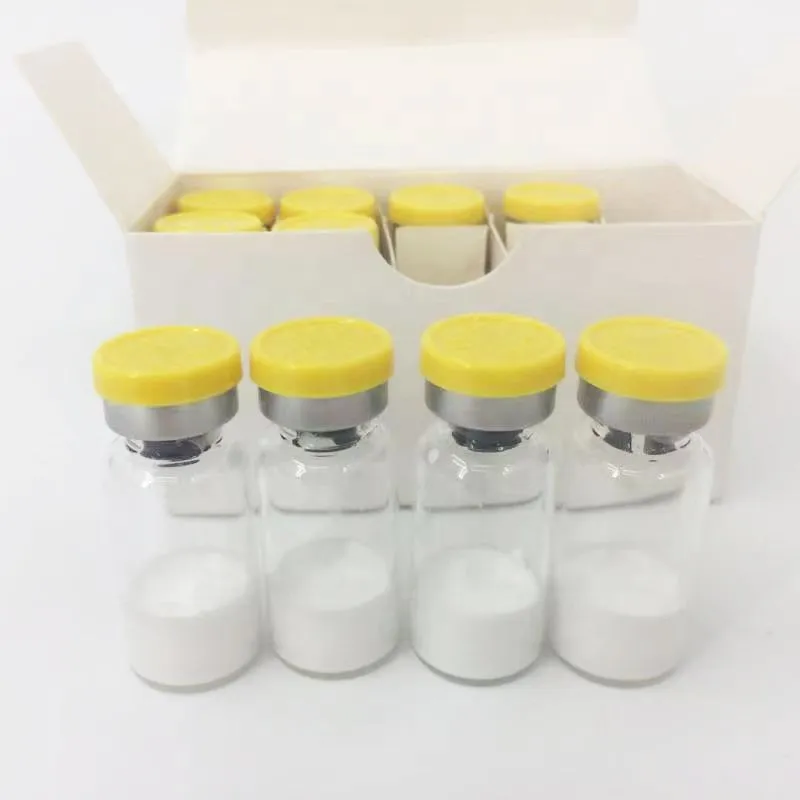
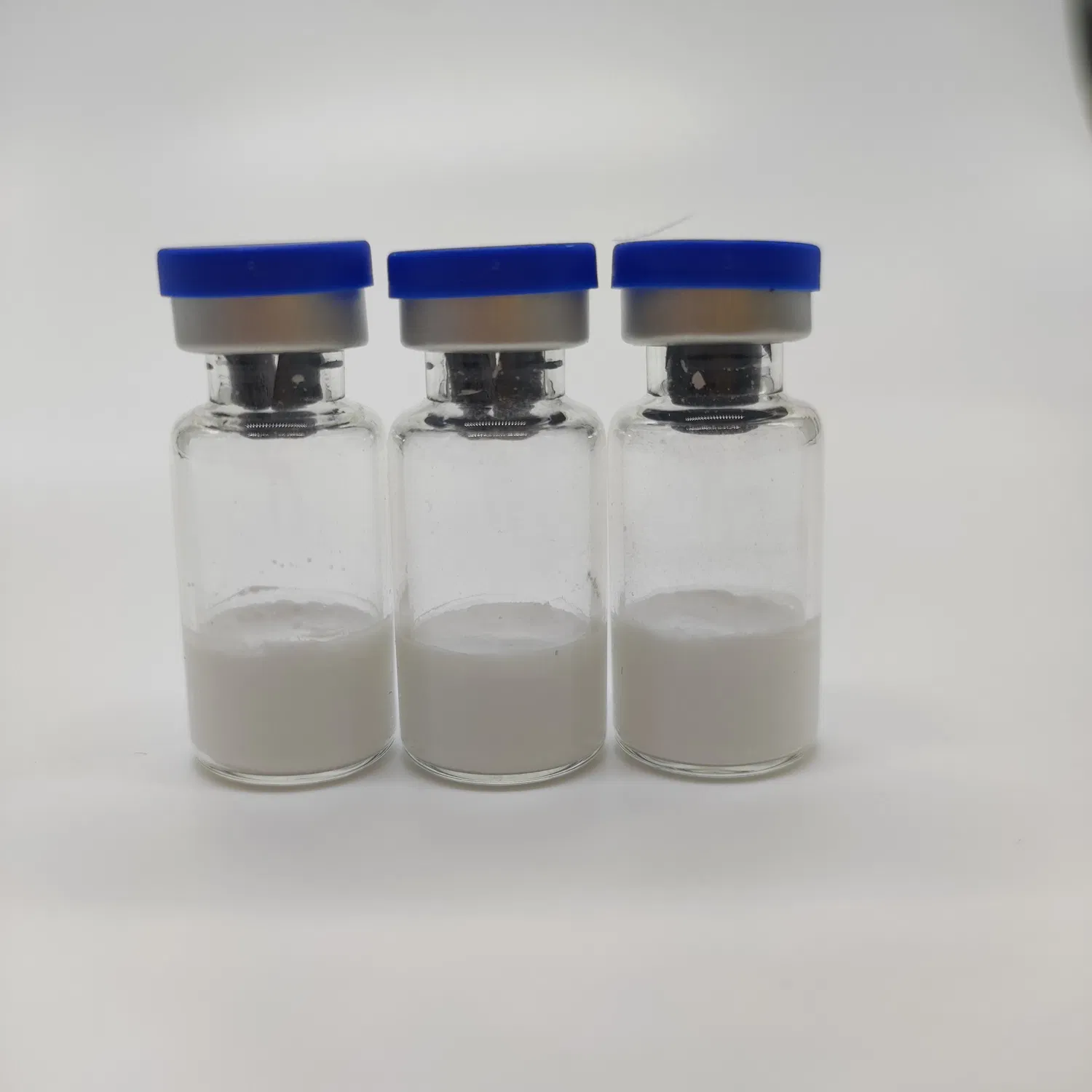
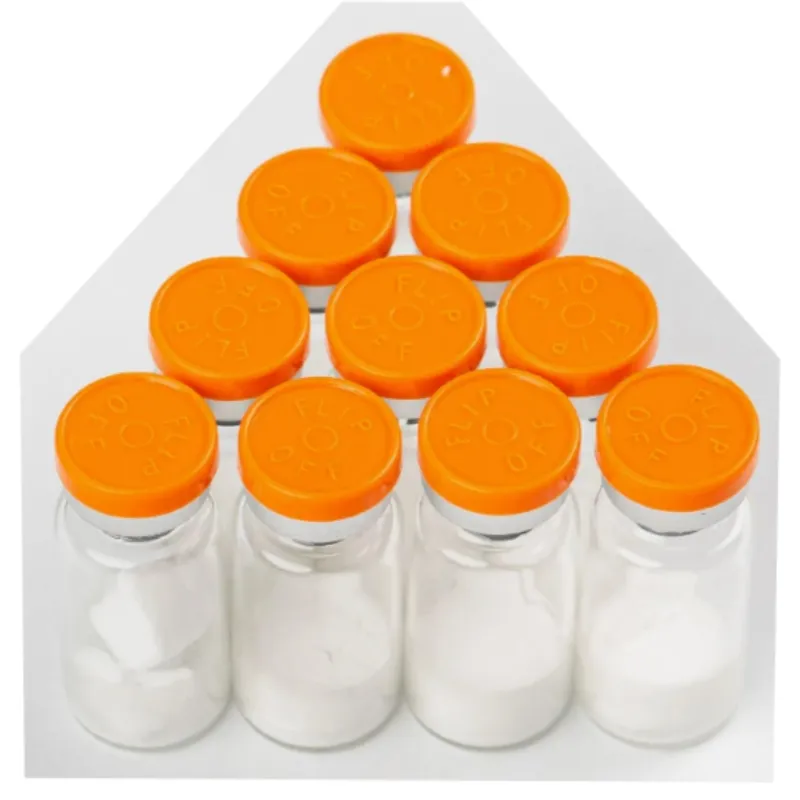
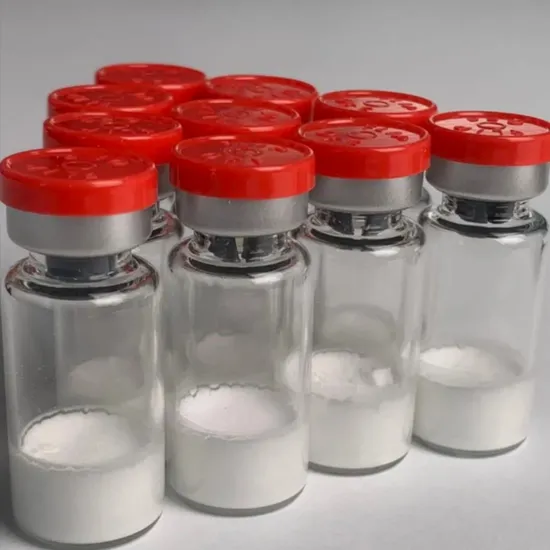
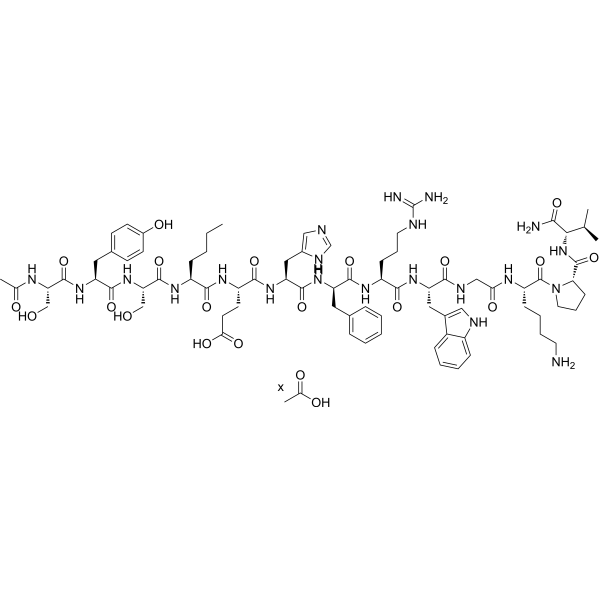
Melanotan I Acetate (98%High-purity powder) | GMP Supplier & Manufacturer
Original price was: $26.00.$18.00Current price is: $18.00.
High-purity Melanotan I Acetate for in vitro mechanistic research of melanocortin receptor signaling. Factory-manufactured, analytically verified, B2B-ready for consistent laboratory applications.
Description
Contents
hide
Product Description
Melanotan I Acetate (MT-I Acetate) is a high-purity synthetic melanocortin peptide widely utilized in in vitro mechanistic research to investigate melanocortin receptor function, receptor-ligand interactions, and downstream intracellular signaling pathways. Unlike Melanotan II, MT-I Acetate features a distinct amino acid sequence and acetylation modification, providing a complementary molecular tool for detailed mechanistic studies and receptor pharmacology experiments. Its well-characterized structure and chemical stability make it suitable for quantitative studies of receptor selectivity, signal transduction kinetics, and pathway-specific effects.
Produced through solid-phase peptide synthesis (SPPS) under rigorous factory-controlled conditions, MT-I Acetate achieves ≥98% purity, with each batch verified via HPLC and mass spectrometry. This ensures reproducible results across laboratories and supports B2B procurement for research institutions and contract research organizations. Standardized manufacturing and analytical verification guarantee traceable quality and batch-to-batch consistency, which is critical for advanced mechanistic investigations.
MT-I Acetate is particularly valuable for structure–activity relationship (SAR) research, enabling systematic evaluation of amino acid modifications, cyclization patterns, and receptor engagement. Its solubility in standard laboratory buffers and chemical stability under recommended storage conditions allow seamless integration into recombinant receptor systems, engineered cell lines, and cell-free biochemical assays. Researchers can use MT-I Acetate to study intracellular cAMP modulation, protein kinase A activation, calcium flux, and MAP kinase signaling, providing comprehensive mechanistic insights.
Beyond traditional wet-lab studies, MT-I Acetate is compatible with computational modeling, molecular docking, and multi-omic integration, bridging in vitro observations with predictive receptor-ligand interaction simulations, systems biology analyses, and network-level mechanistic mapping. The combination of high purity, standardized production, and analytical verification positions Melanotan I Acetate as a robust, reproducible molecular probe for in vitro research, enabling detailed exploration of melanocortin receptor biology, intracellular signaling, and peptide-mediated molecular mechanisms.

Melanotan I Acetate Product Specifications
| Parameter | Description |
|---|---|
| Product Name | Melanotan I Acetate (MT-I Acetate) |
| CAS Number | 1566590-77-9 |
| Molecular Type | Synthetic Peptide |
| Amino Acid Sequence | Ac-Nle-cyclo[Asp-His-D-Phe-Arg-Trp-Lys]-NH₂ (acetate) |
| Molecular Weight | ~1025.2 g/mol |
| Appearance | White to off-white lyophilized powder |
| Purity | ≥98% (HPLC verified) |
| Manufacturing Method | Solid-Phase Peptide Synthesis (SPPS) |
| Analytical Methods | HPLC, Mass Spectrometry, Peptide Mapping |
| Solubility | Soluble in standard laboratory buffers; verify compatibility with assay conditions |
| Storage Recommendation | Store at -20°C or lower, protected from light and moisture |
| Stability | Chemically stable under recommended storage; avoid repeated freeze-thaw cycles |
| Production Scale | Factory-manufactured; bulk and wholesale supply available |
| Documentation | Certificate of Analysis (COA) and batch verification included |
| Packaging | Sealed research-grade containers suitable for international shipping |
| Export Origin | China, B2B compliant with international export regulations |
| Customization | Available upon request for batch size, purity, and analytical documentation |
Notes:
Designed exclusively for in vitro mechanistic studies.
Factory-direct production ensures batch traceability, reproducibility, and B2B trust.
Bulk and wholesale options available to support long-term research programs.
Analytical documentation guarantees consistent quality for multi-platform experimental use.
Suitable for receptor signaling, SAR studies, and multi-omic integration.
Mechanism of Action
Melanotan I Acetate (MT-I Acetate) functions as a high-affinity synthetic agonist for melanocortin receptors, primarily MC1R, MC3R, MC4R, and MC5R, enabling precise in vitro investigation of receptor-mediated signaling pathways. Structural modifications, including acetylation and amino acid cyclization, confer enhanced receptor binding potency, improved stability, and subtype selectivity, making MT-I Acetate a versatile tool for detailed mechanistic studies and receptor pharmacology research.
Upon binding to melanocortin receptors, MT-I Acetate induces conformational changes in G protein-coupled receptors (GPCRs), activating the Gαs subunit and stimulating adenylyl cyclase, which elevates intracellular cAMP levels. This secondary messenger regulates downstream effectors, including protein kinase A (PKA), transcription factors, and other intracellular signaling proteins, allowing researchers to examine signal amplification, receptor desensitization, and biased signaling. MT-I Acetate also facilitates the study of cross-talk between melanocortin receptors and other GPCRs, as well as interactions with phospholipase C, intracellular calcium flux, and MAP kinase pathways, providing comprehensive mechanistic insight.
MT-I Acetate is particularly useful for quantitative receptor pharmacology, including receptor affinity profiling, activation kinetics, and pathway specificity studies. Its chemical stability and high-purity manufacturing ensure reproducibility across batches, laboratories, and assay platforms, which is essential for robust in vitro mechanistic experiments. Researchers frequently integrate MT-I Acetate data with computational modeling, molecular docking, and structure–activity relationship (SAR) analyses, enabling predictive insights into receptor-ligand interactions and optimization of experimental design.
Additionally, MT-I Acetate can be applied in multi-platform experimental workflows, including recombinant receptor-expressing cell lines, engineered mammalian systems, and cell-free biochemical assays. Integration with multi-omic approaches, such as transcriptomics, proteomics, and metabolomics, allows mapping of receptor-mediated signaling networks and comprehensive analysis of intracellular pathways. Its combination of high purity, standardized production, and analytical verification makes MT-I Acetate a robust and reproducible molecular probe for in vitro mechanistic research and advanced computational studies.
Overall, Melanotan I Acetate serves as a research-grade tool for exploring melanocortin receptor biology, intracellular signal transduction, and peptide-receptor interactions, providing laboratories with a reliable and mechanistically informative platform for detailed in vitro experimentation.
Applications
Melanotan I Acetate (MT-I Acetate) is widely employed in in vitro mechanistic research and serves as a versatile molecular tool across multiple experimental applications. Its high purity and well-characterized structure make it ideal for melanocortin receptor signaling studies, including MC1R, MC3R, MC4R, and MC5R subtypes, allowing laboratories to investigate receptor specificity, ligand binding dynamics, and downstream intracellular pathways under controlled conditions.
Receptor Binding and Selectivity Studies:
MT-I Acetate is frequently used to assess ligand-receptor interactions, determine receptor subtype selectivity, and evaluate binding kinetics. Researchers can perform dose-response profiling, receptor occupancy assays, and competitive binding experiments to generate quantitative insights into melanocortin receptor pharmacology. Its reproducibility across batches supports reliable B2B research procurement and consistent experimental outcomes.Signal Transduction Analysis:
The peptide enables detailed investigation of intracellular second messenger systems, including cAMP accumulation, protein kinase A (PKA) activation, calcium flux, and MAP kinase signaling. MT-I Acetate allows researchers to dissect signal amplification, receptor desensitization, biased signaling, and cross-talk between receptors, providing comprehensive mechanistic understanding of melanocortin pathways.Structure–Activity Relationship (SAR) Studies:
MT-I Acetate serves as a reference peptide for SAR experiments, allowing systematic evaluation of amino acid substitutions, cyclization patterns, and acetylation modifications on receptor engagement and functional outcomes. This facilitates optimization of peptide analogs for enhanced receptor affinity, selectivity, and pathway specificity, supporting advanced in vitro research programs.Mechanistic Pathway Mapping:
MT-I Acetate supports studies that map intracellular signaling networks, enabling exploration of cross-talk between melanocortin receptors and other GPCRs, as well as downstream modulation of phospholipase C, calcium signaling, and MAP kinase cascades. This makes it a robust tool for laboratories conducting mechanistic network analysis.Integration with Multi-Omic and Computational Studies:
Data generated with MT-I Acetate can be integrated into transcriptomic, proteomic, and metabolomic workflows, enhancing systems biology analyses and mechanistic interpretation. Coupled with molecular docking, QSAR modeling, and computational receptor-ligand simulations, MT-I Acetate provides predictive insights for experimental design and multi-platform validation.High-Throughput and B2B Research Applications:
Due to its chemical stability, high purity, and standardized production, MT-I Acetate is compatible with high-throughput screening, multi-well plate assays, and automated experimental platforms, supporting long-term B2B research programs and reproducible results across laboratories.
Overall, Melanotan I Acetate provides a robust, reproducible, and versatile platform for in vitro mechanistic research, enabling laboratories to explore melanocortin receptor biology, intracellular signaling networks, and peptide-receptor interactions across a wide range of experimental applications. Its high purity, analytical verification, and factory-standardized production reinforce B2B trust and reliability in mechanistic research workflows.
Melanotan I Acetate Research Models
Melanotan I Acetate (MT-I Acetate) is compatible with a variety of in vitro research models that facilitate detailed investigation of melanocortin receptor signaling, intracellular pathways, and receptor-ligand interactions. Its high purity and well-characterized structure ensure reproducible results across multiple experimental platforms, supporting B2B procurement and long-term research programs.
Recombinant Receptor-Expressing Cell Lines:
MT-I Acetate is extensively used in cell lines engineered to express specific melanocortin receptors (MC1R, MC3R, MC4R, MC5R). These systems allow precise quantification of receptor binding kinetics, downstream signaling activation, and subtype selectivity. Researchers can perform dose-response, receptor occupancy, and signaling pathway assays to map mechanistic effects.Engineered Mammalian Cell Systems:
MT-I Acetate is suitable for mammalian cell models designed to examine intracellular cAMP, protein kinase A (PKA), calcium flux, and MAP kinase pathway activation. These systems provide a controlled environment for studying receptor desensitization, signal amplification, and biased signaling under physiologically relevant conditions in vitro.Cell-Free Biochemical Assays:
For detailed molecular analysis, MT-I Acetate can be applied in cell-free systems, such as purified receptor preparations, liposome-reconstituted GPCRs, or enzymatic activity assays. These platforms enable high-precision mechanistic studies, including peptide-receptor interactions, allosteric modulation, and receptor-ligand binding thermodynamics.Multi-Omic Integration Models:
MT-I Acetate data can be incorporated into multi-omic research workflows, including transcriptomics, proteomics, and metabolomics. These approaches allow comprehensive mapping of signaling networks and identification of pathway-specific biomarkers, supporting systems biology and computational modeling applications.High-Throughput Screening Platforms:
Due to its chemical stability, batch reproducibility, and high purity, MT-I Acetate is compatible with automated high-throughput screening (HTS) platforms, including multi-well plate assays, reporter gene systems, and receptor activity assays. This supports B2B laboratories conducting large-scale mechanistic studies and SAR analyses.
Overall, Melanotan I Acetate provides a robust and versatile research-grade probe for multiple in vitro experimental models, enabling laboratories to explore melanocortin receptor biology, intracellular signaling mechanisms, and peptide-mediated molecular interactions. Its combination of high purity, analytical verification, and factory-standardized production ensures reliability and reproducibility across diverse research models and experimental workflows.

Experimental Design Considerations
When designing experiments with Melanotan I Acetate (MT-I Acetate), careful consideration of concentration, incubation time, and assay conditions is essential to ensure reliable and reproducible results. The peptide’s high purity and analytical verification support consistency across multiple experimental platforms, but variations in receptor subtype expression, cell line characteristics, and buffer conditions must be accounted for during assay setup.
Concentration and Dose Optimization:
Researchers should determine optimal MT-I Acetate concentrations for each receptor subtype and experimental model, using dose-response curves to identify effective and physiologically relevant ranges. Over- or under-saturation can affect receptor binding kinetics and downstream signaling readouts.Incubation and Kinetic Parameters:
Time-course studies are recommended to assess activation kinetics, desensitization, and signal amplification. MT-I Acetate can induce rapid changes in cAMP, PKA activity, calcium flux, and MAP kinase signaling, and capturing these dynamics requires careful temporal planning.Control and Reference Standards:
Include appropriate positive and negative controls, such as known receptor agonists or antagonists, to validate assay performance. Batch numbers and analytical verification details should be recorded to ensure reproducibility, especially in B2B research environments.Integration with Multi-Platform Studies:
MT-I Acetate data can be combined with computational modeling, multi-omic analyses, and structure–activity relationship (SAR) studies. This integration supports mechanistic interpretation, predictive modeling, and optimization of experimental design across multiple assay systems.Reproducibility and Documentation:
Maintain detailed experimental records, including peptide batch information, storage conditions, and assay parameters. MT-I Acetate’s factory-standardized production and high purity minimize variability, enabling consistent results across laboratories and high-throughput platforms.
By carefully considering these parameters, researchers can leverage Melanotan I Acetate to obtain robust, mechanistically informative data on melanocortin receptor biology, intracellular signaling pathways, and receptor-ligand interactions in diverse in vitro research models.
Melanotan I Acetate Laboratory Safety & Handling Guidelines
Melanotan I Acetate (MT-I Acetate) is supplied exclusively for in vitro mechanistic research. To ensure experimental integrity and laboratory safety, strict adherence to handling, storage, and disposal protocols is essential. The following guidelines provide comprehensive recommendations for safe use in research environments.
Personal Protective Equipment (PPE):
Always wear appropriate PPE, including lab coat, gloves, and eye protection, when handling MT-I Acetate. Avoid direct skin or eye contact, and do not inhale powders or aerosols. Dedicated work surfaces and pipettes should be used to prevent cross-contamination.Storage Conditions:
Store MT-I Acetate at -20°C or lower, protected from light, moisture, and temperature fluctuations. Lyophilized powder should be kept in sealed, research-grade containers. Reconstituted solutions must be used promptly or stored according to experimental requirements to maintain chemical stability and peptide integrity.Handling Procedures:
When preparing solutions, use analytical-grade solvents or buffers compatible with the assay system. Avoid repeated freeze-thaw cycles, which may compromise peptide stability. Work in a well-ventilated area or fume hood if powders are being handled extensively.Waste Disposal:
Dispose of any residual MT-I Acetate, consumables, or contaminated solutions according to local institutional chemical safety regulations. Clearly label waste containers to differentiate research-grade peptides from general laboratory waste. Ensure proper decontamination of surfaces and equipment after use.B2B Research Compliance:
MT-I Acetate is produced under factory-standardized conditions with analytical verification to ensure reproducibility across laboratories. Maintaining proper handling, storage, and documentation supports B2B research confidence, long-term experimental integrity, and regulatory compliance for in vitro studies.Emergency Measures:
In case of accidental exposure, follow standard laboratory emergency protocols: rinse affected skin or eyes with copious water, seek medical attention if necessary, and report incidents according to institutional safety guidelines. Ensure spill kits are available for minor powder or solution containment.
By following these guidelines, laboratories can safely handle Melanotan I Acetate, preserving both experimental reproducibility and researcher safety while supporting robust in vitro mechanistic investigations.

Integration with Multi-Omic & Computational Studies
Melanotan I Acetate (MT-I Acetate) offers significant potential for integration into multi-omic and computational research workflows, allowing researchers to gain comprehensive insights into melanocortin receptor biology, intracellular signaling, and peptide-mediated molecular mechanisms. Its high purity, well-characterized structure, and reproducible synthesis ensure that experimental data can be confidently incorporated into complex mechanistic analyses.
Transcriptomic Integration:
MT-I Acetate can be used in cell-based systems to assess transcriptional responses downstream of melanocortin receptor activation. Coupling peptide treatment with RNA sequencing or quantitative PCR enables mapping of receptor-specific gene expression profiles, providing insight into signaling cascades, pathway specificity, and potential regulatory networks in vitro.Proteomic and Phosphoproteomic Analyses:
High-purity MT-I Acetate facilitates mass spectrometry-based proteomic studies to quantify receptor-mediated changes in protein expression, post-translational modifications, and phosphorylation events. Such studies can reveal pathway activation, cross-talk between receptors, and mechanistic effects on intracellular signaling proteins, supporting structure–function analyses and mechanistic modeling.Metabolomic Applications:
By integrating MT-I Acetate into metabolomic workflows, researchers can investigate downstream metabolic changes influenced by melanocortin receptor activation. Coupled with intracellular signaling readouts, this approach allows comprehensive evaluation of peptide-mediated cellular responses and supports mechanistic network analysis.Computational Modeling:
MT-I Acetate data can be utilized for molecular docking, receptor-ligand simulation, and QSAR modeling, enabling predictive studies of receptor binding, ligand specificity, and potential allosteric modulation. Computational integration complements in vitro experiments, providing a systems-level understanding of peptide-receptor interactions.Multi-Platform Experimental Workflows:
The reproducibility and analytical verification of MT-I Acetate allow its application across recombinant receptor cell lines, engineered mammalian systems, and cell-free biochemical assays, facilitating high-throughput studies and cross-platform validation. This supports B2B research programs, ensuring consistent, mechanistically informative data suitable for downstream computational and multi-omic analyses.Systems Biology and Network Analysis:
Integration of MT-I Acetate with multi-omic datasets enables construction of signaling networks and mechanistic maps, allowing researchers to dissect pathway specificity, receptor cross-talk, and downstream molecular effects. This approach enhances predictive modeling, hypothesis generation, and mechanistic interpretation.
By combining high-purity, factory-standardized MT-I Acetate with multi-omic and computational methodologies, laboratories can obtain robust, reproducible, and mechanistically rich datasets. This positions MT-I Acetate as a versatile molecular probe for advanced in vitro research, supporting both experimental discovery and predictive modeling in melanocortin receptor biology and intracellular signaling studies.
Keywords
Melanotan I Acetate, MT-I Acetate, melanocortin receptor agonist, in vitro peptide research, receptor signaling, cAMP modulation, PKA activation, intracellular signaling, SAR studies, mechanistic peptide probe, high-purity peptide, B2B laboratory supply, receptor-ligand interaction, multi-omic integration, computational modeling
Shipping Guarantee
Secure, research-grade packaging ensures peptide integrity
Temperature-controlled logistics for international transit
Tracked shipments ensure timely and reliable delivery
Ideal for laboratories requiring consistent batch quality and B2B traceability
Melanotan I Acetate Trade Assurance
Factory-direct production guarantees batch traceability
Certificates of Analysis (COA) provided
Bulk and wholesale options available for long-term research programs
Standardized manufacturing minimizes variability and enhances B2B trust
Payment Support
Credit Card
T/T (Telegraphic Transfer)
Encrypted Cryptocurrency Payments
Flexible international B2B payment options
Disclaimer
Melanotan I Acetate is supplied exclusively for in vitro mechanistic research.
Not intended for clinical, diagnostic, therapeutic, or in vivo use.
Use only within controlled laboratory environments following institutional safety protocols.
Proper handling, storage, and disposal are essential to maintain experimental integrity and researcher safety.
All B2B procurement and laboratory use must comply with local regulatory and safety guidelines.
References
Melanocortin 1 Receptor: Structure, Function, and Regulation – Review of MC1R molecular structure, ligand binding, and cAMP signaling mechanisms, providing foundational insights into Melanotan I Acetate receptor interactions.
https://pubmed.ncbi.nlm.nih.gov/27303435/Melanocortin 1 Receptor (MC1R): Pharmacological and Therapeutic Aspects – Open access article discussing melanocortin receptor agonists, including α-MSH analogs, and their molecular signaling pathways.
https://www.ncbi.nlm.nih.gov/pmc/articles/PMC10418475/The Melanocortin Receptor System: A Target for Multiple Degenerative Diseases – Comprehensive review of MC receptor signaling and ligand interactions, covering GPCR mechanisms relevant to peptide probes like Melanotan I Acetate.
https://pubmed.ncbi.nlm.nih.gov/26916163/Design, Synthesis, and Biological Evaluation of New Cyclic Melanotropin Peptide Analogues Selective for the Human Melanocortin‑4 Receptor – Medicinal chemistry study on cyclic melanotropin analogues, providing data on receptor binding affinity and activation mechanisms.
https://pubs.acs.org/doi/10.1021/jm060768fDiscovery of a Highly Selective MC1R Agonist Pentapeptide – MDPI research article demonstrating synthesis of selective MC1R peptide agonists, including molecular recognition and signaling pathway insights.
https://www.mdpi.com/1422-0067/20/24/6143

Additional information
| Weight | 0.8 kg |
|---|---|
| Dimensions | 36 × 28 × 36 cm |
What is Melanotan I Acetate?
Melanotan I Acetate (MT-I Acetate) is a high-purity synthetic melanocortin peptide designed for in vitro mechanistic research. It functions as an agonist of melanocortin receptors, enabling studies of intracellular signaling and receptor-ligand interactions.
What are the primary research applications of Melanotan I Acetate?
MT-I Acetate is used in receptor binding assays, signal transduction analysis, structure–activity relationship (SAR) studies, and multi-omic integration. It is suitable for recombinant receptor-expressing cell lines, engineered mammalian systems, and cell-free biochemical assays.
Which melanocortin receptors does Melanotan I Acetate target?
MT-I Acetate primarily interacts with MC1R, MC3R, MC4R, and MC5R, making it suitable for studies of receptor specificity, cAMP modulation, PKA activation, and MAP kinase signaling.
Is Melanotan I Acetate stable in laboratory conditions?
Yes, when stored at -20°C or lower in sealed, light-protected containers, MT-I Acetate maintains chemical stability. Reconstituted solutions should be used promptly or stored under controlled conditions to prevent degradation.
How should Melanotan I Acetate be handled?
Use personal protective equipment (PPE) including gloves, lab coat, and eye protection. Work in a well-ventilated area or fume hood if handling powder extensively, and avoid skin contact or inhalation.
Can Melanotan I Acetate be used for in vivo studies?
No, MT-I Acetate is supplied exclusively for in vitro mechanistic research. It is not intended for clinical, diagnostic, therapeutic, or in vivo applications.
How is batch quality ensured for B2B research?
Each batch undergoes analytical verification via HPLC and mass spectrometry, ensuring ≥98% purity. Certificates of Analysis (COA) and batch documentation support reproducible results across laboratories.
Is Melanotan I Acetate compatible with multi-omic studies?
Yes, MT-I Acetate can be integrated with transcriptomics, proteomics, and metabolomics, allowing comprehensive analysis of receptor-mediated intracellular signaling networks.
Can MT-I Acetate be used for computational modeling?
Absolutely. Experimental data with MT-I Acetate can be applied to molecular docking, QSAR modeling, and predictive receptor-ligand simulations, supporting mechanistic hypothesis generation.
What are the recommended experimental design considerations?
Optimize concentration, incubation time, and assay conditions for specific receptor subtypes. Include proper controls and replicates, and document batch information to ensure reproducibility.
Is MT-I Acetate suitable for high-throughput screening?
Yes, its chemical stability, high purity, and batch reproducibility make it compatible with multi-well plate assays and automated receptor activity screening.
How should unused MT-I Acetate be stored or disposed of?
Store unused peptide at -20°C, protected from light and moisture. Dispose of residues and contaminated consumables according to institutional chemical safety regulations.
Can MT-I Acetate be used in structure–activity relationship (SAR) studies?
Yes, MT-I Acetate serves as a reference peptide for SAR research, facilitating evaluation of amino acid substitutions, cyclization patterns, and receptor activation profiles.
What makes MT-I Acetate suitable for B2B procurement?
Factory-standardized synthesis, high purity, analytical verification, and batch traceability ensure reliability and reproducibility, supporting long-term research programs and bulk orders.
Related products
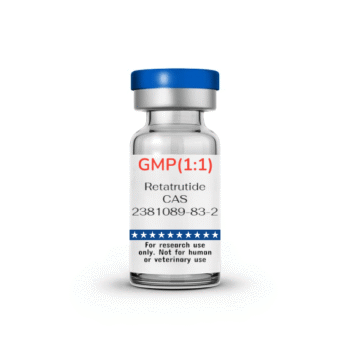
Retatrutide | CAS 2381089-83-2 | Dual GLP-1/GIP/Glucagon Receptor Agonist
Retatrutide (CAS 2381089-83-2) is a high-purity research-grade peptide optimized for in vitro mechanistic studies. It supports investigations into signal transduction, receptor interactions, and molecular pathway modulation. Supplied as a lyophilized powder, it ensures stability and reproducibility for laboratory research applications. Original price was: $14.00.$12.00Current price is: $12.00.USA Warehouse 99% IV Infusion Therapy Anti-Aging Injection Peptide for Weight Loss & Muscle Building
USA Warehouse 99% IV Infusion Therapy Anti-Aging Injection Peptide for Weight Loss & Muscle Building Original price was: $38.00.$23.00Current price is: $23.00.Wholesales Weight Loss Peptides Raw Powder CAS 129954-34-3 with Safe Delivery
$2.00Function Weight Loss Peptides Color White Purity 99%OverGLP-1/GIP/glucagon combination therapy The Future of Metabolic Treatment (Wholesale Supplier Guide)
GLP-1/GIP/glucagon combination therapy Original price was: $38.00.$23.00Current price is: $23.00.

Reviews
There are no reviews yet.