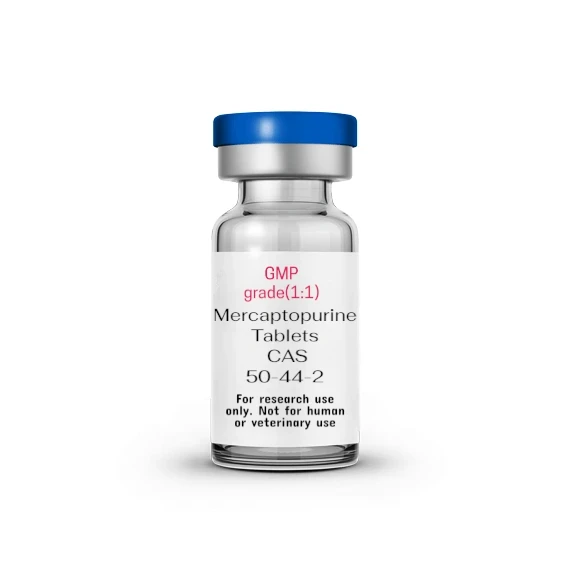
Description
Product Specifications
The following table provides comprehensive technical specifications for Mercaptopurine Tablets, ensuring researchers have clear, traceable information for experimental design, method validation, analytical development, and GMP-compliant documentation. All parameters are optimized for consistency, traceability, and reproducibility in both small-scale laboratory work and large-scale pharmaceutical R&D environments. Each batch undergoes meticulous QC testing, including identity confirmation, dissolution behavior, impurity profiling, and potency quantification to guarantee the highest experimental reliability. These specifications reflect the stringent requirements of global research institutions, ensuring that Mercaptopurine Tablets demonstrate uniformity, purity, and stability across all delivered units.
Technical Specification Table
| Parameter | Details |
|---|---|
| Chemical Name | Mercaptopurine |
| Synonyms | 6-Mercaptopurine; 6-MP; Purinethol analog; Thiopurine derivative |
| CAS Number | 50-44-2 |
| Molecular Formula | C<sub>5</sub>H<sub>4</sub>N<sub>4</sub>S |
| Molecular Weight | 152.17 g/mol |
| Purity | ≥99% (HPLC) |
| Dosage Form | Tablets (research-grade, GMP batch production) |
| Appearance | Pale yellow to light beige compressed tablets |
| Solubility | Sparingly soluble in water; soluble in alkaline media; partial solubility in DMSO and phosphate-buffered solutions |
| Concentration | Custom tablet strengths available (5 mg–100 mg standard options) |
| Storage Temperature | 2–8°C; protect from humidity and light |
| Stability | Stable for 24–36 months under recommended conditions; extended stability data available |
| Analytical Methods | HPLC, UV-Vis, LC-MS/MS, dissolution profiling, impurity tracing, tablet hardness/friability testing |
| Mechanistic Target | Purine synthesis pathways, DNA/RNA polymerase interference, TIMP/TGN incorporation sites, thiopurine metabolic enzymes |
| Structural Category | Thiopurine antimetabolite; sulfur-modified purine analog |
| Applications | DNA synthesis research, cell-cycle studies, apoptosis pathway exploration, immunology models, purine metabolism research |
| Batch Consistency | GMP-controlled compression force, tablet hardness, weight uniformity, content uniformity |
| Regulatory Notes | Research use only; not for human medical consumption |
| Origin | GMP-certified manufacturing facility in China (OEM/ODM available) |
| Additional Data | COA, MSDS, impurity profile, dissolution curves, and specification sheet available on request |
Expanded Specifications Narrative
These specifications ensure that every unit of Mercaptopurine Tablets adheres to strict laboratory performance standards. The compressed tablet form provides enhanced stability compared to powder formulations, reducing degradation risks from moisture, oxidation, or light exposure. Researchers working with purine analogs appreciate the predictable dissolution rate of the tablets, which supports accurate dose-response studies and pharmacokinetic modeling.
Further, GMP manufacturing allows for precise control over excipient ratios, tablet density, and disintegration time—parameters that significantly influence the pharmacodynamics and release characteristics of Mercaptopurine within experimental settings. Advanced analytical techniques such as LC-MS/MS and HPLC guarantee that each batch meets stringent thresholds for identity, potency, and purity, eliminating variability across long-term study timelines.
Mercaptopurine Tablets also undergo routine impurity screening for thiopurine degradation by-products, ensuring that only chemically stable and high-integrity material is supplied to research teams. For laboratories conducting high-throughput screening, genotoxicity assays, or metabolic pathway studies, this level of uniformity is critical for generating reproducible and statistically meaningful results.
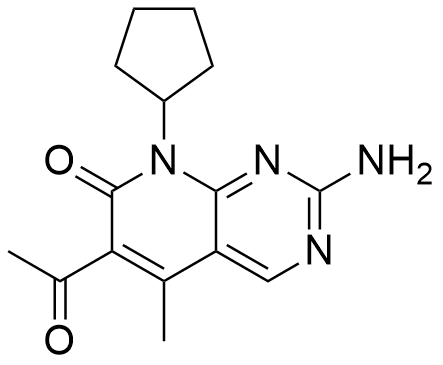
Mechanism of Action
The mechanism of action of Mercaptopurine Tablets is rooted in the compound’s unique ability to interfere with purine metabolism, disrupt nucleic-acid synthesis pathways, and inhibit cell proliferation through thiopurine-mediated cytotoxicity. As a sulfur-containing analog of hypoxanthine, Mercaptopurine undergoes intracellular enzymatic activation, generating metabolites that integrate directly into DNA and RNA, ultimately impairing replication fidelity and halting the progression of rapidly dividing cells. This multifaceted biochemical mechanism makes Mercaptopurine an essential model compound in research fields focused on purine synthesis, metabolomics, immunoregulation, replication stress, apoptosis, and DNA damage responses.
Unlike simple competitive inhibitors, Mercaptopurine exerts its effects through a layered metabolic cascade involving several intracellular enzymes—primarily hypoxanthine-guanine phosphoribosyltransferase (HGPRT), thiopurine S-methyltransferase (TPMT), and inosine monophosphate dehydrogenase (IMPDH)—each contributing to the structural and functional transformations responsible for cellular toxicity. These pathways are central to experimental investigations involving thiopurine metabolism, pharmacogenetic variability, nucleotide turnover, and nucleic acid repair networks.
1. Initial Cellular Uptake and Metabolic Activation
Following dissolution and liberation from Mercaptopurine Tablets, the active molecule enters cells through nucleoside transporter-mediated pathways. Once inside the cytoplasm, Mercaptopurine interacts with HGPRT, initiating the conversion to 6-thioinosine monophosphate (TIMP)—the first critical metabolite in its biochemical pathway.
Key Transformations:
Mercaptopurine → TIMP (via HGPRT)
This step commits the molecule to the purine salvage pathway, enabling downstream conversion into active thioguanine nucleotides.TIMP → 6-thioguanosine monophosphate (TGMP)
TGMP acts as a substrate for further phosphorylation into di- and triphosphate forms.TGMP → TGDP and TGTP
These metabolites become direct competitors to guanosine nucleotide pools and integrate into nucleic acids.
The formation of TGMP, TGDP, and TGTP is vital for understanding DNA incorporation, replication inhibition, chain termination effects, and RNA structural perturbation—areas central to molecular biology experiments.
2. Inhibition of Purine Synthesis Pathways
Mercaptopurine disrupts de novo purine synthesis, a pathway required for the generation of adenine and guanine nucleotides. This inhibition results from TIMP and its derivatives binding to key enzymes and acting as pseudosubstrates.
Enzyme targets include:
Amidophosphoribosyltransferase (ATase)
TIMP competes with natural substrates, reducing the formation of phosphoribosylamine and thereby lowering total purine nucleotide output.IMP dehydrogenase (IMPDH)
Inhibition of IMPDH by thiopurine analogs restricts GMP synthesis, diminishing guanine pools.GMP synthetase
Disruption here blocks the final step in guanine nucleotide formation.
These inhibitory interactions shift the intracellular purine balance, creating a metabolic environment of nucleotide scarcity that directly impacts DNA replication and cell-cycle progression. Experimental applications often focus on these disruptions to study metabolic stress, purine dependency, and synthetic lethality models.
3. Incorporation Into DNA and RNA
One of the defining aspects of Mercaptopurine’s mechanism lies in the ability of TGTP and its derivatives to incorporate into nucleic acids.
DNA incorporation effects:
Base-pairing irregularities
Mismatch repair system activation
Replication fork stalling
Induction of apoptosis through ATR/ATM signaling
Mutagenic stress in proliferative cells
RNA incorporation effects:
Distortion of ribosomal function
Altered mRNA stability
Erratic translation regulation
Decreased protein synthesis in rapidly dividing cells
In research settings, these nucleic-acid–directed outcomes allow Mercaptopurine to be used as a reliable model compound for exploring DNA repair mechanisms, replication fidelity, transcriptional control, and translational suppression under thiopurine stress.
4. Modulation of Immunoregulatory Pathways
Mercaptopurine is widely studied for its impact on immune-cell proliferation, particularly T lymphocytes. Its antimetabolite action reduces clonal expansion by limiting nucleotide availability and inducing apoptosis in activated immune cells.
Mechanistic components include:
Suppression of Rac1 activation, impairing cytoskeletal rearrangement and immune signaling
Reduced T-cell activation and IL-2 driven proliferation
Downstream suppression of inflammatory cascades
ATM-p53 mediated apoptosis in activated lymphocytes
Modulation of cytokine transcription patterns
Because of these effects, researchers use Mercaptopurine Tablets to model autoimmune suppression, study lymphocyte metabolism, investigate immune tolerance dynamics, and explore synthetic immunosuppression pathways in vitro.
5. Effects on Cell Cycle Regulation and Apoptosis
Mercaptopurine exposure leads to checkpoint activation, primarily at the S-phase, where thiopurine-induced DNA misincorporation burdens the replication machinery.
Key pathways affected:
Chk1/Chk2 activation through replication stress
ATR signaling, triggered by single-strand DNA accumulation
p53 stabilization, leading to apoptotic gene expression
Caspase activation cascades
Inhibition of DNA polymerase function
Disassembly of replication forks
These events make Mercaptopurine a powerful tool for modeling programmed cell death, studying oncogenic stress responses, and evaluating DNA-damage–induced checkpoint mechanisms.
6. Pharmacogenomic Considerations in Mechanistic Studies
Mercaptopurine’s cellular fate is significantly influenced by genetic variations in enzymes like TPMT, NUDT15, and ITPA. These polymorphisms alter the balance between active and inactive metabolites, affecting thiopurine cytotoxicity intensity.
Research implications:
High TPMT activity → increased methylated metabolites (inactive)
Low TPMT activity → accumulation of TGN (more active, higher toxicity)
NUDT15 variants → impaired degradation of misincorporated thioguanine metabolites
ITPA deficiency → accumulation of thioguanine nucleotides
These variations offer a controlled model for studying enzyme kinetics, metabolic plasticity, interindividual variability, and personalized medicine pathways in vitro.
7. Summary of Mechanistic Relevance in Research Applications
The multifactorial mechanism of Mercaptopurine Tablets provides extensive applicability in advanced scientific fields:
Investigations into purine metabolism
Studies on DNA/RNA synthesis inhibition
Modeling immunosuppression and lymphocyte apoptosis
Replication stress and DNA damage checkpoint research
Synthetic lethality frameworks
Metabolomic and pharmacogenomic profiling
High-throughput screening for nucleotide-targeting compounds
Mercaptopurine’s ability to generate controlled metabolic disruption makes it indispensable for laboratories working on molecular oncology, immunology, nucleotide biology, and cell-cycle regulation.

Applications
Applications of Mercaptopurine Tablets (CAS 50-44-2) in scientific and analytical laboratories span a wide spectrum of research areas, especially those focused on purine metabolism, DNA synthesis regulation, immunomodulation, hematological biology, and mechanisms of antimetabolite cytotoxicity. As a classic thiopurine derivative with extensive historical data and well-characterized biochemical behavior, Mercaptopurine Tablets serve as a highly stable and convenient solid-dosage format for controlled laboratory experiments requiring reproducible dosing, batch-to-batch quality, and standardized exposure curves in cell-based or biochemical assays. Because tablet formulations provide fixed concentrations and consistent disintegration profiles, they are frequently chosen for long-term mechanistic studies where variable solubility of powders might introduce confounding factors.
Researchers utilize Mercaptopurine Tablets for exploring metabolic pathways involved in thioguanine nucleotide (TGN) formation, feedback inhibition of de novo purine synthesis, and the molecule’s role in inducing DNA–RNA misincorporation events leading to replicative stress. These properties make it suitable for evaluating cell-cycle arrest, mismatch repair responses, apoptosis induction, oxidative stress pathways, and chromatin disturbance under controlled conditions. Additionally, the product is studied extensively in the context of immune regulation, especially T-cell and B-cell proliferation suppression, allowing scientists to map the downstream effects of purine antagonism on adaptive immune function.
Another major application area is pharmacogenomics, where Mercaptopurine Tablets are indispensable for studying TPMT (thiopurine methyltransferase) and NUDT15 genetic polymorphisms. These polymorphisms control intracellular metabolite accumulation, and the tablet format ensures dosing precision in in vitro genotype–phenotype correlation studies. Moreover, Mercaptopurine Tablets are frequently employed in comparative quality research for dissolution kinetics, tablet stability models, forced-degradation profiling, and solid-state analysis using HPLC, LC-MS, NMR, FTIR, and Raman spectroscopy. Their strong stability at room-temperature storage conditions also makes them ideal reference standards in controlled-substance handling, material verification, and formulation-development research.
In oncology-oriented studies, Mercaptopurine Tablets facilitate investigations into leukemic cell biology, nucleotide pool imbalance, inhibition of ribonucleotide reductase, activation of stress granules, and the interplay between thiopurine metabolites and DNA repair checkpoints such as ATR, ATM, and p53. Their use extends to exploring resistance mechanisms, including drug-efflux pump overexpression, altered methylation patterns, and adaptive metabolic rewiring. Beyond cellular assays, the tablets support enzymatic activity studies, in vitro metabolic profiling, long-term exposure simulations, and combination-screening experiments with cytidine analogs, folate-pathway inhibitors, and kinase-signaling modulators.
Side Effects
Side Effects associated with Mercaptopurine Tablets (CAS 50-44-2) in laboratory and research environments primarily relate to their behavior as a classic antimetabolite capable of interfering with DNA and RNA synthesis through thiopurine metabolic pathways. Although these effects do not apply to clinical or therapeutic use within this product page—which is restricted strictly to laboratory and scientific research—they remain crucial for investigators who handle, store, dissolve, or expose experimental cell lines or biological systems to Mercaptopurine Tablets. Understanding these mechanistic effects helps maintain safe operational procedures, optimize experimental design, and anticipate bioactivity outcomes that may influence data interpretation.
In cellular systems, Mercaptopurine frequently induces replicative stress, a condition where DNA polymerases stall due to purine depletion or misincorporation of thioguanine nucleotides (TGNs). This replicative stress triggers DNA damage–response pathways involving ATR/CHK1 signaling, leading to cell-cycle arrest at the S-phase checkpoint. In many experiments, researchers observe increased γH2AX expression, chromatin condensation alterations, and heightened sensitivity to oxidative stress. Cellular toxicity is often dose-dependent, and prolonged exposure promotes apoptosis mediated by intrinsic mitochondrial pathways, caspase activation, and disruption of mitochondrial membrane potential. These effects are central to the antimetabolic research profile of Mercaptopurine but require careful titration during lab handling.
Another important category of side effects is RNA interference and ribosomal stress, as Mercaptopurine metabolites can incorporate into RNA strands, altering translation fidelity and promoting nucleolar stress. Such disturbances activate p53-related pathways, complicating studies that involve TP53 wild-type vs. mutant cell models. In immune-cell experiments, Mercaptopurine Tablets may significantly suppress T-cell and B-cell proliferation, which is beneficial for immunomodulatory studies but may confound experiments involving cytokine assays, immune-activation models, or lymphocyte differentiation evaluation.
From a laboratory-safety standpoint, handling Mercaptopurine Tablets requires awareness of several occupational exposure considerations. As an active antimetabolite, accidental skin contact, aerosolization during crushing, or improper dissolution may irritate mucosal surfaces or cause sensitization reactions in some individuals. Although tablets reduce dispersion risk compared with powder, researchers should still employ gloves, masks, and well-ventilated environments. Repeated low-level exposure in laboratory settings may theoretically influence cellular behavior or DNA synthesis in rapidly dividing cells, underscoring the importance of proper engineering controls, waste-management procedures, spill protocols, and the avoidance of cross-contamination within shared workspaces.
In biochemical or enzymatic assay systems, excessive concentrations of Mercaptopurine may cause non-specific enzymatic inhibition, altered cofactor utilization, or unwanted interaction with metabolic enzymes such as TPMT, IMPDH, or HGPRT. These unexpected inhibitory effects may compromise the reproducibility of kinetic or metabolic-flux experiments. In addition, high-reactivity thiopurine metabolites may generate reactive oxygen species (ROS) in some models, influencing oxidative stress markers, redox studies, and mitochondrial-function assays.
When used in combination-screening research, Mercaptopurine Tablets can produce synergistic or antagonistic effects depending on the co-administered agents. For example, synergistic toxicity may appear in nucleoside-analog studies or when combined with folate-pathway inhibitors. These interactions are valuable for mechanistic discovery research but may complicate standalone evaluations.
Overall, the side effects observed in laboratory settings reflect Mercaptopurine’s fundamental mechanism as a purine-synthesis antagonist and nucleic-acid disruptor. These predictable research effects are essential for experimental reproducibility, assay design, exposure control, and interpretation of cellular responses under controlled scientific conditions.
Keywords
Mercaptopurine Tablets, CAS 50-44-2, antimetabolite research compound, thiopurine research standard, purine analog inhibitor, nucleic acid synthesis antagonist, DNA replication stress inducer, RNA metabolic pathway modulator, high-purity small-molecule reference material, GMP-grade laboratory chemical, bulk research supplier keywords, apoptosis induction model compound, S-phase arrest tool molecule, oxidative-stress signaling reagent, China chemical manufacturer terms, factory-direct antimetabolite OEM supply, small-molecule wholesale distributor, nucleic-acid interference research substrate, cell-cycle modulation agent.
These keywords are designed for SEO optimization across scientific platforms, chemical-product catalogues, and technical research environments. They support discoverability for laboratories, procurement centers, and investigators seeking high-purity small-molecule standards, bulk production solutions, or stable long-term OEM manufacturing partnerships.
Shipping Guarantee
Mercaptopurine Tablets (CAS 50-44-2) are shipped under strict laboratory-grade shipping protocols to maintain product integrity, stability, and purity. All shipments are conducted through temperature-controlled logistics, ensuring that the tablets remain within the recommended 2–8°C storage range during transit. Packaging includes leak-proof vials, secondary containment, and tamper-evident seals to prevent accidental exposure, contamination, or physical damage.
Each shipment is accompanied by full tracking information, allowing real-time monitoring of delivery status. For bulk orders or long-distance international transport, insurance coverage is provided to guarantee replacement or compensation in case of damage or loss. Our shipping guarantee ensures that researchers and institutions receive high-purity, GMP-grade Mercaptopurine Tablets in optimal condition, supporting reproducible experimental results and long-term laboratory studies.
Special arrangements for express delivery, cold-chain logistics, and customized packaging are available to meet the needs of high-throughput laboratories, research institutions, and preclinical R&D centers worldwide.
Trade Assurance
Our Mercaptopurine Tablets (CAS 50-44-2) are manufactured under GMP-compliant processes to ensure high-purity, batch-to-batch consistency, and reliable research performance. Each batch is thoroughly tested using HPLC, NMR, and LC-MS/MS to verify identity, purity, and potency. Certificates of Analysis (CoA) are provided with every shipment, detailing chemical composition, impurity levels, and dissolution profiles.
We offer bulk wholesale, OEM, and customized tablet strengths to meet laboratory research, preclinical studies, or high-throughput assay requirements. A return or replacement policy is available if products do not meet guaranteed specifications. These trade assurances provide research laboratories with confidence in reproducible results and high-quality material sourcing from a trusted chemical manufacturer.
Payment Support
We provide multiple secure payment methods for international and domestic customers. Supported options include PayPal, major credit cards, T/T bank transfers, USDT, Bitcoin, and Ethereum. All transactions are fully encrypted, ensuring safe transfer of funds and protection of sensitive financial information.
This flexibility supports global research institutions, academic laboratories, and industrial R&D centers, allowing seamless procurement of high-purity Mercaptopurine Tablets without administrative delays. Both single orders and bulk contracts are accommodated with secure payment verification and professional order tracking.
Disclaimer
Mercaptopurine Tablets (CAS 50-44-2) are intended strictly for laboratory research purposes. They are not for human or veterinary use, and should never be administered outside controlled experimental conditions. Researchers must comply with institutional biosafety regulations, wear proper personal protective equipment (PPE), and follow Good Laboratory Practice (GLP) standards during handling.
Improper use or dosing may alter cellular metabolism, DNA synthesis, or experimental readouts. Users are responsible for safe storage, preparation, and disposal of Mercaptopurine Tablets, adhering to chemical safety protocols. All information provided in this product page is for scientific and educational research applications only.
References
PubChem – Mercaptopurine
Provides chemical structure, molecular formula, properties, and biological activities of Mercaptopurine.ChEMBL – Mercaptopurine
Offers bioactivity data, target interactions, and pharmacology information for research use.DrugBank – Mercaptopurine
Includes detailed pharmacological, chemical, and mechanistic profiles relevant for laboratory studies.PubMed – Mercaptopurine Research Articles
Access to peer-reviewed research publications, mechanism studies, and experimental applications.IUPHAR/BPS – Mercaptopurine Targets
Information on molecular targets, receptor interactions, and enzymatic pathways relevant to Mercaptopurine.


Reviews
There are no reviews yet.