
No products in the cart.
Sale
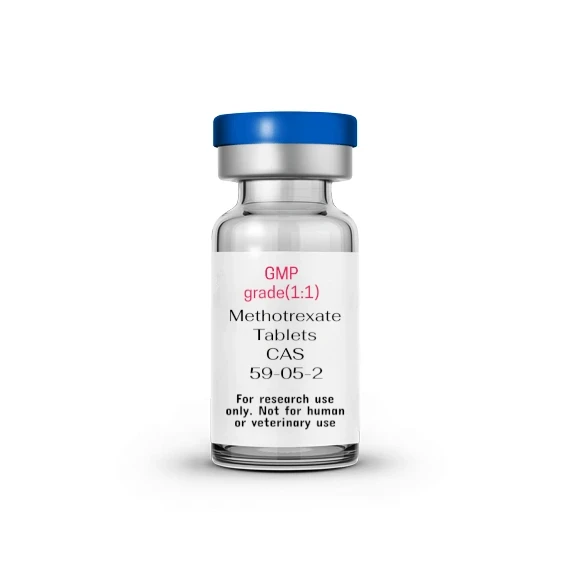
Methotrexate Tablets – Factory Manufactured, Low Price Wholesale | Buy Online
Original price was: $48.00.$42.00Current price is: $42.00.
High-purity Methotrexate Tablets (CAS 59-05-2) for research use, widely applied in oncology, autoimmune disease, and cell proliferation studies. Available in bulk supply and ready-to-use tablet form for consistent dosing and reproducible results.
Description
Contents
hide
Product Description
Methotrexate Tablets (CAS 59-05-2) are high-purity, factory-manufactured anti-metabolite compounds widely used for preclinical research in oncology, autoimmune disease, and cellular biology. Methotrexate acts as a folate analog that inhibits dihydrofolate reductase (DHFR), disrupting DNA synthesis, cell proliferation, and metabolic pathways. Its tablet form ensures precise dosing for in vitro, in vivo, and translational research studies, supporting reproducibility and high-throughput experiments.
Oncology Research: Methotrexate Tablets are extensively used in leukemia, lymphoma, breast, and lung cancer cell lines to evaluate anti-proliferative effects. Researchers can study apoptosis, cell cycle arrest, and DNA damage responses. In animal models, tablets allow controlled dosing for pharmacokinetics and pharmacodynamics studies.
Autoimmune and Inflammatory Models: Methotrexate modulates immune responses by inhibiting rapidly dividing lymphocytes. It is applied in models of rheumatoid arthritis, psoriasis, and inflammatory diseases to investigate cytokine regulation, immune cell proliferation, and anti-inflammatory mechanisms. This facilitates mechanistic research and preclinical evaluation of novel immunomodulatory strategies.
Translational Studies: Methotrexate supports integration with multi-omic analyses, including transcriptomics, proteomics, and metabolomics. Tablet formulation ensures consistent exposure, enabling combination therapy studies, mechanistic investigations, and high-throughput screening. Its reproducibility is critical for bridging in vitro and in vivo findings, contributing to translational research.
Manufactured under strict quality control, Methotrexate Tablets achieve ≥ 98% purity confirmed by HPLC. Each batch includes Certificates of Analysis (COA) and batch-specific documentation, guaranteeing reproducibility. Tablets are stable under recommended storage conditions, making them suitable for long-term experimental use. By combining high purity, precise dosing, and versatile applications, Methotrexate Tablets (CAS 59-05-2) are a reliable tool for preclinical investigations in oncology, autoimmune diseases, and cell biology.
Product Specifications
| Specification | Details |
|---|---|
| Chemical Name | Methotrexate |
| CAS Number | 59-05-2 |
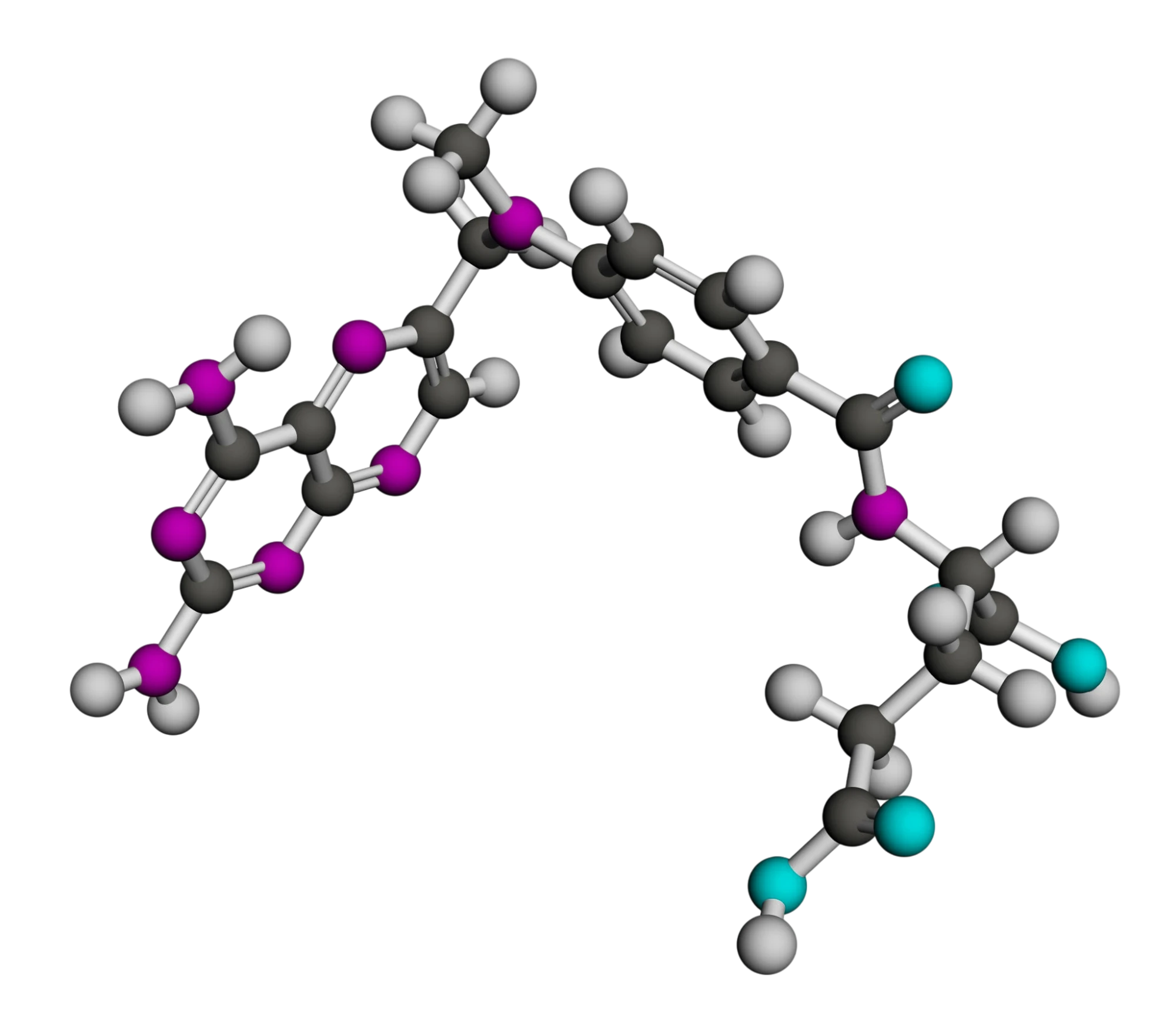
| Molecular Formula | C₂₀H₂₂N₈O₅ |
| Molecular Weight | 454.44 g/mol |
| Appearance | Off-white to yellow tablets |
| Purity | ≥ 98% (HPLC verified) |
| Solubility | Soluble in water, DMSO, and slightly soluble in ethanol |
| Storage Conditions | Store at 2–8°C, protected from light |
| Batch Consistency | Factory-controlled; COA provided for each lot |
| Application | In vitro and in vivo preclinical research in oncology, autoimmune disease, and cell proliferation |
| Form | Tablet, ready-to-use |
| Stability | Stable for 12 months under recommended conditions |
Expanded Notes:
Tablets ensure consistent dosing across studies, reducing variability.
Suitable for in vitro assays, rodent models, and combination therapy studies.
Each batch undergoes strict quality control to maintain reproducibility.
Compatible with multi-omic analyses to investigate molecular mechanisms in preclinical research.
Supports high-throughput screening and translational studies in oncology and autoimmune disease.
Mechanism of Action
Methotrexate Tablets (CAS 59-05-2) function as a folate analog, competitively inhibiting dihydrofolate reductase (DHFR). This prevents conversion of dihydrofolate to tetrahydrofolate, a cofactor essential for nucleotide biosynthesis. By disrupting purine and pyrimidine synthesis, methotrexate impairs DNA replication and RNA synthesis, leading to cell cycle arrest and apoptosis in rapidly dividing cells.
In oncology research, this mechanism reduces proliferation in cancer cells, induces DNA damage, and promotes programmed cell death. Methotrexate’s impact on nucleotide metabolism makes it an effective tool to study tumor growth inhibition, chemoresistance, and combination therapy strategies.
In autoimmune disease models, methotrexate inhibits proliferation of activated lymphocytes and modulates inflammatory pathways. It indirectly increases extracellular adenosine levels, contributing to anti-inflammatory effects. Researchers can investigate cytokine regulation, immune cell suppression, and anti-proliferative signaling.
At the cellular level, methotrexate impacts folate-dependent enzymes, leading to downstream effects on thymidylate synthase and AICAR transformylase. This results in DNA replication stress, S-phase arrest, and apoptosis. The tablet formulation allows precise dosing in both in vitro and in vivo models, enhancing reproducibility of mechanistic studies.
Overall, Methotrexate Tablets (CAS 59-05-2) serve as a robust research tool to study anti-proliferative, anti-inflammatory, and cytotoxic mechanisms. Its well-characterized DHFR inhibition profile facilitates mechanistic studies, translational research, and integration with multi-omic experimental workflows.
Applications
Methotrexate Tablets are widely used in oncology, autoimmune disease, and cell proliferation studies.
Cancer Research: Methotrexate inhibits DNA synthesis in rapidly dividing tumor cells. Researchers use it to study apoptosis, cell cycle regulation, chemoresistance, and combination therapies in leukemia, lymphoma, breast, and lung cancer models.
Autoimmune Models: By suppressing activated immune cells, Methotrexate enables mechanistic studies in rheumatoid arthritis, psoriasis, and inflammatory diseases. It allows investigation of cytokine modulation, lymphocyte proliferation, and anti-inflammatory pathways.
Cellular and Translational Studies: Tablets are compatible with in vitro and in vivo models, supporting reproducible dosing, pharmacokinetics, and pharmacodynamics experiments. Integration with multi-omic analyses, high-throughput screening, and combination therapy studies is facilitated by the consistent formulation and stability of tablets.
Methotrexate Tablets provide a versatile platform for preclinical studies, bridging molecular mechanisms with translational research and supporting a broad range of experimental designs.
Research Models
Methotrexate Tablets (CAS 59-05-2) are employed across multiple preclinical research models to investigate cell proliferation, immune modulation, and tumor biology.
In oncology studies, cancer cell lines such as leukemia, lymphoma, breast, and lung models are treated with methotrexate to assess anti-proliferative and cytotoxic effects. Researchers often use 3D spheroids, organoids, and xenograft models to evaluate tumor growth, DNA damage responses, and apoptosis induction under controlled conditions. These systems enable studies of drug resistance, combination therapy, and mechanistic pathways influenced by folate metabolism.
In autoimmune research, primary lymphocytes and immune cell cultures provide insights into methotrexate’s immunomodulatory effects. Rodent models of rheumatoid arthritis, psoriasis, and other inflammatory disorders allow evaluation of cytokine regulation, T-cell proliferation, and immune suppression. These models are essential for elucidating anti-inflammatory mechanisms and identifying potential biomarkers for translational studies.
Methotrexate Tablets also support vascular and tissue biology research by modulating rapidly dividing endothelial cells or fibroblasts. Researchers can use organoid cultures or 3D tissue constructs to study tissue remodeling, extracellular matrix deposition, and signaling pathways dependent on nucleotide metabolism.
The solution form derived from tablets allows consistent exposure, improving reproducibility across experimental platforms. Integration with multi-omic approaches, such as transcriptomics, proteomics, and metabolomics, facilitates comprehensive mechanistic studies and robust translational research workflows.
Overall, Methotrexate Tablets (CAS 59-05-2) provide a flexible and reliable tool for investigating anti-proliferative, anti-inflammatory, and cytotoxic mechanisms across diverse preclinical models.
Experimental Design Considerations
When designing experiments with Methotrexate Tablets (CAS 59-05-2), careful attention must be paid to dosing, timing, and model selection. In cell culture studies, concentrations typically range from nanomolar to low micromolar depending on cell type and proliferation rate. Dose-response studies are essential to determine IC50 values, cytotoxicity thresholds, and off-target effects. Proper controls, including vehicle-treated and untreated cells, should always be included to accurately interpret experimental outcomes.
In in vivo studies, tablets are administered orally or dissolved for controlled dosing in rodent models. Researchers must monitor pharmacokinetics, bioavailability, and potential toxicity during the study. Combination experiments with other chemotherapeutic agents or kinase inhibitors require careful scheduling to avoid overlapping toxicity and to evaluate synergistic or additive effects. Integration with multi-omic analyses can help identify downstream pathways and biomarkers of methotrexate action, enhancing mechanistic insights.
Timing of treatment is critical in autoimmune or inflammatory models, where methotrexate’s effects on immune cell proliferation and cytokine production vary depending on disease progression and immune activation status. Longitudinal studies allow observation of both acute and chronic effects, supporting translational relevance. Consistency in tablet preparation, storage, and handling ensures reproducibility and reliability across experiments.
Overall, Methotrexate Tablets provide a flexible and robust platform for preclinical research, but meticulous experimental design—including dosing, administration route, model selection, and timing—is necessary to maximize data reliability and interpretability. Researchers should combine proper controls, multi-omic integration, and standardized handling to generate high-quality mechanistic insights.
Laboratory Safety & Handling Guidelines
Methotrexate Tablets (CAS 59-05-2), as a potent DHFR inhibitor and anti-metabolite, must be handled with strict adherence to laboratory safety protocols to ensure researcher protection and experimental integrity. All personnel should wear appropriate personal protective equipment (PPE), including gloves, lab coats, and eye protection, when handling tablets or preparing solutions. Work in a biosafety cabinet or fume hood is recommended, particularly when dissolving tablets, to avoid inhalation of powder or aerosols.
Accidental exposure to methotrexate tablets can occur via ingestion, skin contact, or inhalation. Because the compound inhibits nucleotide synthesis and cell proliferation, even small amounts can produce cytotoxic effects in research personnel. Wash hands thoroughly after handling, and ensure that all work surfaces, instruments, and containers are decontaminated using suitable chemical disinfectants. Dedicated glassware or plasticware should be used to avoid cross-contamination between experiments or cell cultures.
Tablets should be stored at 2–8°C, protected from light and moisture to maintain stability and potency. Avoid repeated freeze-thaw cycles when preparing solutions from tablets for in vitro or in vivo studies. Methotrexate Tablets must be clearly labeled and kept in controlled-access laboratory areas to prevent accidental exposure by untrained personnel.
For disposal, follow institutional guidelines for cytotoxic chemical waste. Unused tablets, residues, and contaminated materials must be segregated and processed according to environmental and safety regulations. Documentation of batch number, COA, and experimental use should be maintained to ensure traceability and reproducibility.
By following these comprehensive laboratory safety and handling guidelines, Methotrexate Tablets (CAS 59-05-2) can be used safely in preclinical oncology, autoimmune, and cell biology research. Proper PPE, controlled environments, storage, and disposal practices ensure both researcher safety and experimental reliability, supporting reproducible and high-quality scientific outcomes.
Integration with Multi‑Omic & Computational Studies
Methotrexate Tablets (CAS 59-05-2), as a potent DHFR inhibitor, are highly compatible with multi-omic research approaches and computational modeling, providing deep mechanistic insights into cellular responses. In preclinical studies, methotrexate can be applied to in vitro cell lines, 3D organoids, and in vivo animal models to examine the effects of nucleotide metabolism inhibition across molecular, cellular, and tissue levels. Integration with transcriptomic analyses allows researchers to observe changes in gene expression, particularly genes involved in folate metabolism, DNA replication, and cell cycle regulation. Such data are critical for identifying downstream targets and pathways affected by methotrexate treatment in oncology or autoimmune models.
Proteomic and phosphoproteomic approaches complement transcriptomics by quantifying protein abundance and post-translational modifications following methotrexate exposure. This enables evaluation of signaling cascades, apoptosis induction, and stress responses in treated cells or tissues. By combining these data sets, researchers can construct comprehensive molecular networks illustrating how methotrexate tablets influence cellular proliferation, immune modulation, and DNA damage responses. Metabolomic profiling further enriches understanding by revealing alterations in nucleotide pools, folate derivatives, and energy metabolism, providing a holistic view of methotrexate’s impact on cellular physiology.
Computational modeling and systems biology tools can integrate multi-omic data to predict methotrexate’s effects under various experimental conditions. Simulations can evaluate dose-response relationships, identify potential compensatory mechanisms, and guide optimal experimental design. Network analysis and pathway enrichment strategies allow researchers to pinpoint biomarkers of efficacy, resistance, or toxicity, enhancing the translational value of preclinical studies. Integration of machine learning algorithms can also help in identifying subtle molecular signatures and correlations that are not evident from single-omic studies.
Moreover, Methotrexate Tablets’ tablet formulation ensures precise and reproducible dosing, which is essential for generating high-quality multi-omic datasets. Reproducibility across experiments enables robust computational modeling, data integration, and cross-study comparisons. This integration supports a systems-level understanding of methotrexate’s mechanistic effects in oncology, autoimmune, and cell proliferation research.
Overall, combining Methotrexate Tablets (CAS 59-05-2) with multi-omic analyses and computational studies allows researchers to dissect complex molecular mechanisms, identify predictive biomarkers, and optimize experimental design. These approaches provide a powerful platform for preclinical research, bridging cellular and molecular insights with translational applications.
Keywords
Methotrexate Tablets, CAS 59-05-2, DHFR inhibitor, anti-metabolite, oncology research, autoimmune disease research, cell proliferation, preclinical studies, TKI combination studies, multi-omic integration, cytotoxicity, translational research, mechanistic studies.
Shipping Guarantee
Global express shipping ensures timely delivery of Methotrexate Tablets (CAS 59-05-2) with real-time tracking. Temperature-controlled packaging and moisture-resistant sealing maintain compound stability and prevent degradation during transit. Each shipment includes batch-specific Certificates of Analysis (COA) to verify purity, potency, and lot consistency. These measures ensure that researchers receive high-quality, reproducible tablets suitable for preclinical studies. Careful handling during shipping preserves the integrity of tablets for oncology, autoimmune, and cell proliferation experiments.
Trade Assurance
Bulk orders of Methotrexate Tablets are supported with verified COA, HPLC, and LC–MS documentation. Factory-controlled production guarantees batch consistency and high purity for reproducible research. Institutional clients can access secure commercial contracts for long-term supply, high-throughput screening, or combination therapy studies. The trade assurance framework ensures proper packaging, documentation, and quality control, enabling confidence in procurement and research planning. Researchers benefit from predictable supply, consistent tablet formulation, and verified quality for robust preclinical experiments.
Payment Support
Flexible payment methods are available for Methotrexate Tablets (CAS 59-05-2), including bank transfer, PayPal, TT, LC, and corporate invoicing. Sample orders and bulk purchases are accommodated with secure, compliant payment processes. These options allow laboratories to manage budgets efficiently, plan long-term studies, and maintain timely supply. Payment support ensures smooth procurement for preclinical oncology, autoimmune, and cell biology research, allowing researchers to focus on experimental design, dosing, and mechanistic studies without financial interruptions.
Disclaimer
Methotrexate Tablets (CAS 59-05-2) are intended strictly for research use only. They are not approved for human or veterinary administration. Handling must be performed by trained personnel following institutional safety protocols, including use of PPE, fume hoods, and controlled environments. The compound should not be ingested or administered outside of laboratory research settings. Observed effects and experimental outcomes are specific to preclinical models and do not reflect clinical applications. The manufacturer and supplier disclaim liability for misuse. Proper storage, handling, and disposal are essential for laboratory safety, reproducibility, and environmental protection.
References
Sigma-Aldrich / Merck — Methotrexate product information.
Cayman Chemical — Methotrexate technical datasheet.
Tocris / Bio-Techne — Methotrexate research applications.
NCBI / PubMed — Mechanistic studies and preclinical research references.

Additional information
| Weight | 1.1 kg |
|---|---|
| Dimensions | 18 × 16 × 18 cm |
1. What is Methotrexate Tablets used for in research?
Methotrexate Tablets (CAS 59-05-2) are primarily used as a DHFR inhibitor in preclinical oncology, autoimmune, and cell proliferation studies. They allow researchers to investigate anti-proliferative and immunomodulatory mechanisms in various in vitro and in vivo models. Additionally, tablets facilitate reproducible dosing for mechanistic and translational experiments.
2. Can Methotrexate Tablets be used clinically?
No, these tablets are intended strictly for laboratory research purposes. They are not approved for human or veterinary use, and any clinical application is unsafe and prohibited. All handling must be conducted by trained personnel following laboratory safety protocols.
3. Which models are compatible with Methotrexate research?
Methotrexate Tablets can be applied to cell lines, organoids, 3D cultures, and rodent models. These models enable detailed study of tumor growth inhibition, immune modulation, and nucleotide metabolism disruption. Researchers can also explore combination therapies using these preclinical platforms.
4. How should Methotrexate Tablets be stored?
Store tablets at 2–8°C, protected from light and moisture to maintain stability and potency. Proper storage ensures consistent experimental results and preserves bioactivity across in vitro and in vivo studies. Avoid repeated freeze-thaw cycles or exposure to harsh environmental conditions.
5. What is the typical dosing range for Methotrexate in experiments?
In vitro concentrations usually range from nanomolar to low micromolar, depending on cell type and experimental goals. In vivo dosing is model-specific and must consider pharmacokinetics and toxicity. Conducting dose-response studies is recommended to identify optimal experimental conditions.
6. Can Methotrexate Tablets be used in combination studies?
Yes, they can be combined with chemotherapeutic agents or other targeted inhibitors. Researchers must include appropriate controls to evaluate potential synergistic, additive, or antagonistic effects accurately. Combination studies are commonly used to enhance mechanistic and translational insights.
7. Is Methotrexate suitable for high-throughput screening?
Yes, the tablet formulation allows precise and reproducible dosing, making it compatible with high-throughput in vitro assays. It is also suitable for preclinical in vivo models when dose accuracy is essential for reliable data generation. This supports systematic mechanistic studies and compound screening.
8. How should Methotrexate Tablets be handled in the laboratory?
Always use PPE, including gloves, lab coat, and eye protection, and work in a fume hood if possible. Avoid ingestion, inhalation, or direct contact with skin. Follow institutional protocols for cytotoxic compounds to ensure researcher safety and prevent contamination.
9. What side effects have been observed in research models?
Side effects in preclinical studies include inhibition of cell proliferation, apoptosis induction, and mild hematological or physiological changes at higher doses. These effects generally reflect the compound’s mechanism as a DHFR inhibitor and are reversible in controlled experimental conditions.
10. Can Methotrexate Tablets be integrated with multi-omic studies?
Yes, they are compatible with transcriptomics, proteomics, phosphoproteomics, and metabolomics. Integration enables researchers to dissect molecular pathways, identify biomarkers, and understand the systemic impact of methotrexate in preclinical models. This enhances translational relevance and mechanistic insight.
11. How is a solution prepared from Methotrexate Tablets for experiments?
Dissolve tablets in sterile water or DMSO under controlled conditions to achieve the desired concentration. Accurate preparation ensures reproducible dosing and experimental consistency across different assays. Avoid contamination during solution handling.
12. Are Certificates of Analysis provided for Methotrexate Tablets?
Yes, each batch comes with a COA, HPLC, and LC–MS documentation, confirming purity and potency. These certificates are critical for ensuring reproducibility and quality control in preclinical research studies. Researchers should retain these records for experimental traceability.
13. How long are Methotrexate Tablets stable?
Tablets are stable for up to 12 months when stored under recommended conditions. Avoid exposure to light, moisture, or extreme temperatures to maintain bioactivity and ensure consistent experimental results. Proper storage supports reproducible research.
14. What is the physical appearance of Methotrexate Tablets?
The tablets are typically off-white to yellow, consistent with research-grade formulation. Their solid form allows precise dosing for in vitro and in vivo studies. Tablets can also be dissolved for solution-based experiments if required.
Related products
Rilertinib Mesylate 100mg – High Purity | Factory Manufactured | For laboratory use only
High-purity Rilertinib Mesylate, manufactured under controlled factory conditions for in vitro pathway analysis, receptor-binding studies, and molecular mechanism research. Available in bulk and wholesale quantities with consistent batch quality and secure global shipping. $1.00Regorafenib 40mg | High Purity | Factory Manufactured | Laboratory Research Use Only
High-purity Regorafenib, factory-manufactured for in vitro mechanistic studies and molecular pathway research. Supplied as a stable solution or powder for laboratories requiring bulk, wholesale, or customized research-grade supply. Original price was: $3.00.$2.00Current price is: $2.00.Fulzerasib 150mg High Purity | Factory Manufactured
High-purity Fulzerasib (also known as IBI351, GFH925) is a factory-manufactured small-molecule research reagent optimized for in vitro mechanistic studies, KRAS G12C pathway inhibition analysis, and molecular signaling research. Available for bulk and wholesale laboratory use with batch-verified purity and consistent quality. $1.00Toremifene Citrate 60mg for scientific research
High-purity Toremifene Citrate Tablets designed exclusively for in vitro molecular mechanism research, receptor-binding analysis, and biochemical pathway modulation studies. Factory-manufactured with consistent batch quality, suitable for bulk and wholesale supply.(For research use only. Not for human or veterinary use.) $1.00


Reviews
There are no reviews yet.