
No products in the cart.
Sale

Murepavadin (CAS 944252-63-5) | Cyclic Peptide Antibiotic for Pseudomonas aeruginosa Research
Original price was: $20.00.$18.00Current price is: $18.00.
Murepavadin (POL7080) is a synthetic cyclic peptide antibiotic exhibiting high specificity and potency against Pseudomonas aeruginosa, including multidrug-resistant strains. Murepavadin is a valuable tool for preclinical studies of bacterial resistance, lipopolysaccharide transport, and novel antibiotic mechanisms.
Description
Product Description
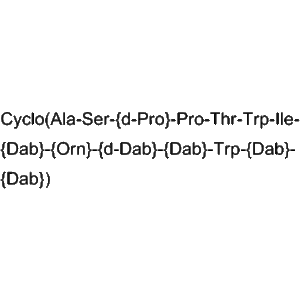
Murepavadin (CAS 944252-63-5, POL7080) is a synthetic 14-amino-acid cyclic peptide that represents a new class of highly specific antibiotics, targeting Gram-negative bacteria, particularly Pseudomonas aeruginosa. Its cyclic structure confers high stability, improved membrane penetration, and resistance to proteolytic degradation, which makes it a robust candidate for laboratory research in microbial pathogenesis and drug discovery.
This peptide specifically interacts with the lipopolysaccharide transport protein D (LptD) located on the outer membrane of P. aeruginosa, disrupting bacterial membrane assembly and ultimately leading to cell death. Unlike conventional broad-spectrum antibiotics, Murepavadin exhibits remarkable selectivity, minimizing off-target effects on other bacterial species and the commensal microbiota.
In vitro studies demonstrate that Murepavadin exhibits extremely low MIC50 and MIC90 values (0.12 mg/L) for P. aeruginosa, highlighting its potent antimicrobial activity. This specificity allows researchers to study mechanisms of bacterial resistance, membrane transport pathways, and LptD-targeted antimicrobial strategies.
Due to its unique mode of action and stability, Murepavadin is increasingly used in preclinical investigations of antibiotic resistance mechanisms, including studies on multidrug-resistant (MDR) and extensively drug-resistant (XDR) Pseudomonas aeruginosa strains. Its cyclic nature ensures prolonged activity in experimental models while facilitating reproducible laboratory results.
Murepavadin is supplied as a lyophilized peptide powder from a GMP-certified manufacturer, guaranteeing high purity and quality for both wholesale and retail laboratory research applications.
For laboratory research use only. Not for human or veterinary use.
Product Specifications
| Parameter | Details |
|---|---|
| Product Name | Murepavadin (POL7080) |
| Synonyms | POL7080 |
| CAS Number | 944252-63-5 |
| Molecular Type | Cyclic peptide |
| Amino Acid Length | 14-amino-acid peptide |
| Purity | ? 98% (HPLC) |
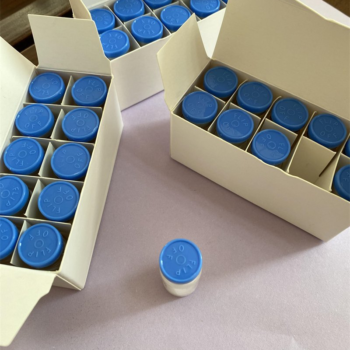
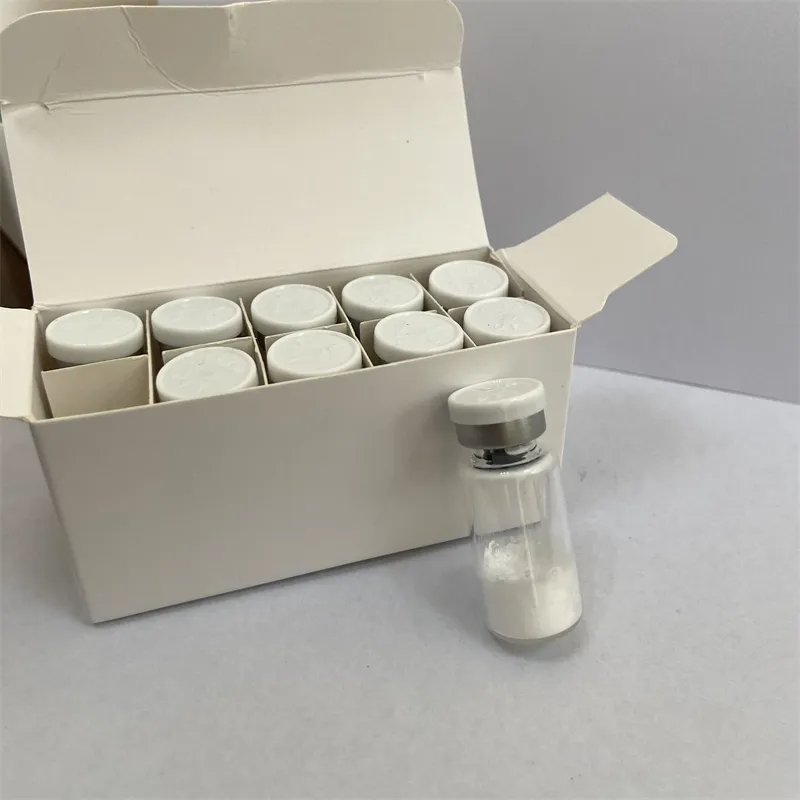
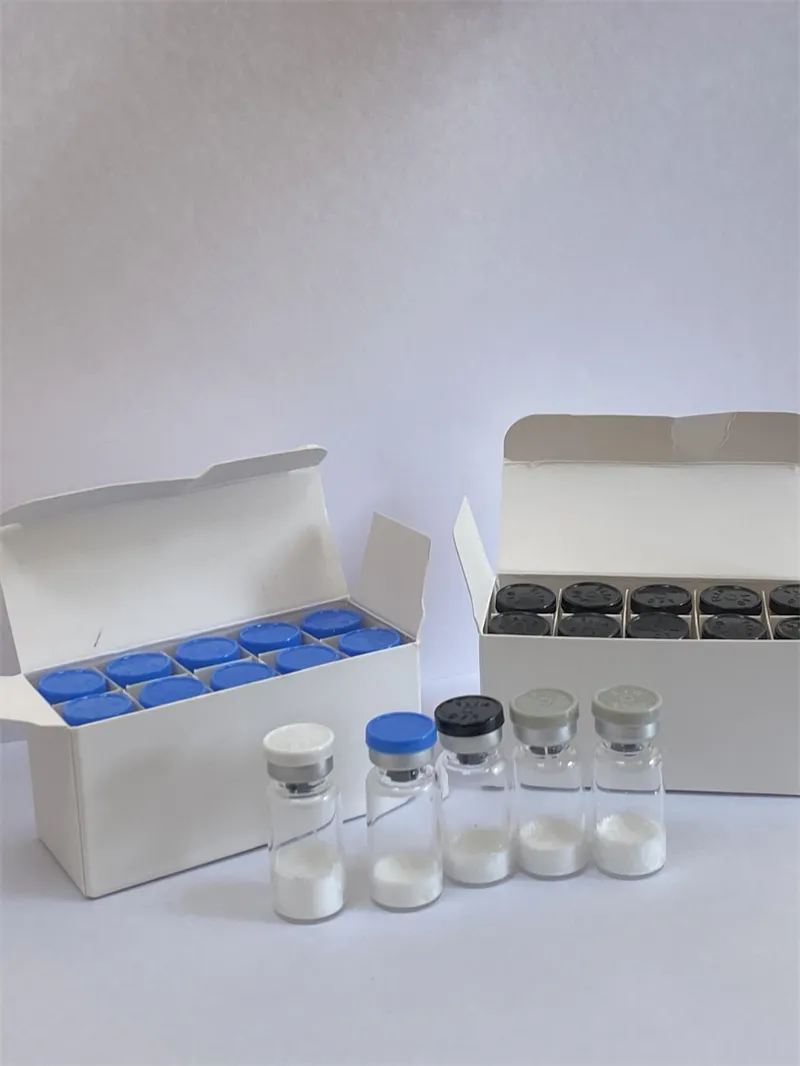
| Appearance | Lyophilized peptide powder |
| Mechanism | LptD-targeted antibiotic for Pseudomonas aeruginosa |
| Stability | Stable at -20°C; avoid repeated freeze-thaw cycles |
| Storage Conditions | Store at -20°C under inert atmosphere |
| GMP Compliance | Produced in GMP-certified facility |
| Application | Laboratory research on bacterial resistance, Pseudomonas aeruginosa, and novel antimicrobial strategies |
| Availability | Wholesale & retail supply |
Mechanism of Action & Research Applications
Murepavadin’s primary mechanism involves highly selective binding to the lipopolysaccharide transport protein D (LptD) on the outer membrane of Pseudomonas aeruginosa. By disrupting the LptD function, Murepavadin prevents proper assembly of the bacterial outer membrane, leading to increased membrane permeability, loss of membrane integrity, and eventual cell death.
Key Mechanisms:
Outer Membrane Targeting:
Selectively binds to LptD, a critical protein in lipopolysaccharide transport.
Disruption of LptD blocks incorporation of LPS into the outer membrane.
Cyclic Peptide Stability:
Cyclic structure increases proteolytic resistance.
Enhances peptide stability in vitro and prolongs biological activity.
Potent Anti-Pseudomonal Activity:
Extremely low MIC50 and MIC90 (0.12 mg/L) for P. aeruginosa.
Effective against multidrug-resistant (MDR) strains.
Minimal Off-Target Effects:
Highly selective for P. aeruginosa; reduced impact on commensal flora.
Allows for focused studies on target bacteria and resistance mechanisms.
Research Applications:
Bacterial Resistance Studies: Evaluate mechanisms of acquired or intrinsic resistance to LptD-targeted therapies.
Antibiotic Development: Investigate structure-activity relationships of cyclic peptides.
Membrane Protein Studies: Explore outer membrane assembly, transport processes, and protein-ligand interactions.
Multidrug-Resistant Strain Testing: Preclinical assessment of novel antibiotics in MDR and XDR P. aeruginosa models.
Drug Combination Studies: Test synergistic effects with other antimicrobial agents.
Murepavadin serves as a cutting-edge tool for microbiology and antimicrobial research, enabling scientists to dissect mechanisms of bacterial survival, outer membrane biogenesis, and the development of next-generation antibiotics.
Side Effects (For Reference in Research Models)
Experimental use of Murepavadin in vitro and in animal models shows minimal off-target cytotoxicity due to its high specificity for P. aeruginosa. Observed effects in research may include:
Altered bacterial membrane integrity: Targeted to LptD-expressing bacteria.
Bactericidal activity: Effective at low concentrations for P. aeruginosa.
Limited impact on non-target bacteria: Preserves other Gram-negative and Gram-positive flora in co-culture studies.
Peptide stability considerations: Avoid repeated freeze-thaw cycles to maintain activity.
Strictly for laboratory research use. Not intended for clinical application.
Disclaimer
Murepavadin is intended exclusively for laboratory research purposes. It is not for human or veterinary use, nor for administration as a therapeutic or supplement. Researchers must follow appropriate lab safety procedures when handling the peptide.
Keywords
Murepavadin
POL7080 peptide antibiotic
Pseudomonas aeruginosa research peptide
Cyclic peptide antimicrobial
LptD-targeted antibiotic
Laboratory bacterial resistance research
MDR Pseudomonas study
Novel antimicrobial peptide
Additional information
| Weight | 0.8 kg |
|---|---|
| Dimensions | 36 × 52 × 52 cm |
Related products
Factory Supply Peptide Healthcare 99% with Safe Delivery
Peptide Healthcare Usage Delta-Sleep Inducing Peptides Purity 99%Over Dose 2mg 5mg 10mg 15mg 20mg Highe Original price was: $28.00.$23.00Current price is: $23.00.Cosmetic Peptide Raw Material Factory – Low Price Wholesale Direct from China
Cosmetic Peptide Appearance: Lyophilized powder Dose 2mg 5mg 10mg 15mg 20mg Higher Original price was: $42.00.$22.00Current price is: $22.00.Retatrutide cost with insurance
Retatrutide cost with insurance Original price was: $38.00.$26.00Current price is: $26.00.Top Quality Peptides Lyophilized Powder – Reta Trutide Fitness and Weight Loss Peptide in Stock | Factory Wholesale
Peptides Function Weight Loss Peptides Moq:10 vials per box Original price was: $38.00.$22.00Current price is: $22.00.

Reviews
There are no reviews yet.