
No products in the cart.
Sale
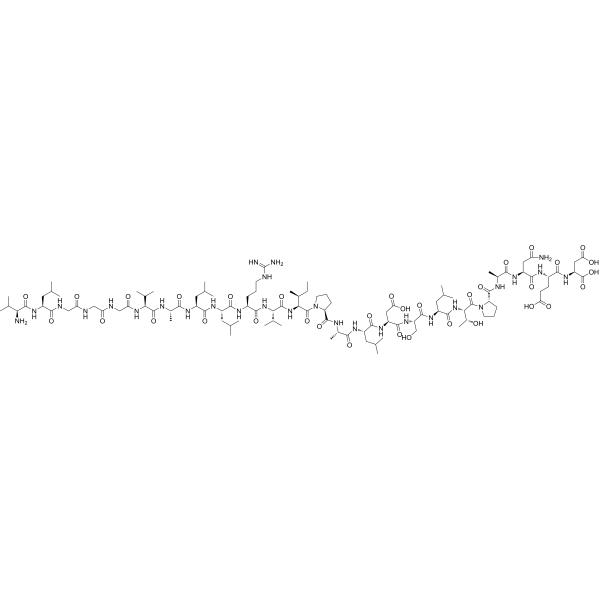
NBI-6024 | CAS No. 239480-61-6
Original price was: $36.00.$25.00Current price is: $25.00.
NBI-6024 (CAS No. 239480-61-6) is an altered peptide ligand (APL) designed as a modified epitope recognized by inflammatory interferon-gamma-producing T helper cells in type 1 diabetes. It is a valuable research tool for immunology, peptide-based therapy, and autoimmune disease models.
Description
Product Description
NBI-6024 is a synthetic altered peptide ligand (APL) with significant relevance in the study of type 1 diabetes (T1D) and immune system regulation. It represents a modified version of a naturally occurring peptide epitope that is recognized by interferon-gamma-producing CD4+ T helper lymphocytes. This immune recognition is central to the autoimmune destruction of pancreatic β-cells, the hallmark of type 1 diabetes.
The rationale for designing altered peptide ligands such as NBI-6024 stems from the concept of immune modulation. In autoimmune diseases like T1D, the immune system mistakenly targets self-antigens, leading to chronic inflammation and tissue damage. By modifying the structure of disease-related epitopes, APLs are intended to alter T cell recognition and cytokine secretion patterns, ultimately shifting the immune response away from destructive autoimmunity.
Scientific Significance
Epitope Modification: NBI-6024 modifies critical residues of a diabetes-associated peptide epitope to reduce its immunogenicity while retaining recognition by T cells.
T Cell Modulation: Instead of triggering destructive immune responses, NBI-6024 can promote regulatory or tolerogenic responses, potentially re-educating the immune system.
Type 1 Diabetes Research: NBI-6024 serves as a model compound for testing whether peptide-based immunotherapies can halt or reverse β-cell destruction.
Broader Relevance in Immunology
Beyond type 1 diabetes, altered peptide ligands represent a broader class of experimental molecules with potential applications in autoimmune disease therapy, vaccine development, and tolerance induction strategies. By reshaping T cell interactions, APLs like NBI-6024 highlight the promise of precision immunomodulation in biomedical research.
Product Specifications
| Property | Description |
|---|---|
| CAS Number | 239480-61-6 |
| Product Name | NBI-6024 |
| Synonyms | Altered peptide ligand NBI-6024; Modified diabetes epitope ligand |
| Molecular Formula | C___H___N___O___ (exact formula available upon request) |
| Molecular Weight | Available upon request |
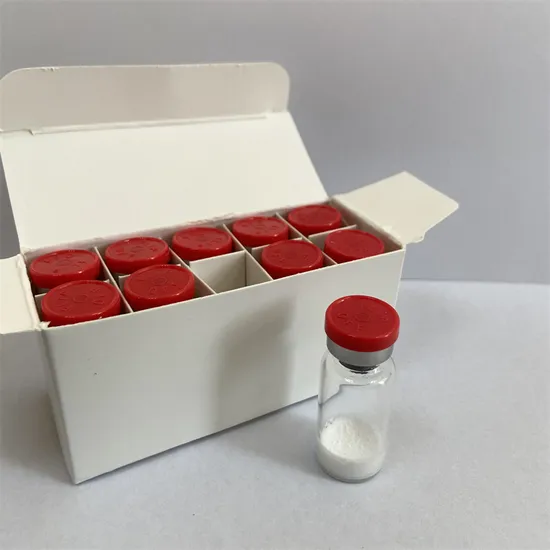
| Appearance | White to off-white powder |
| Purity | ≥ 98% (HPLC) |
| Solubility | Soluble in DMSO, DMF; limited aqueous solubility |
| Storage Conditions | Store at -20°C, protected from light and moisture |
| Stability | Stable under recommended storage for extended periods |
| Applications | Research use only; not for human or veterinary administration |
Extended Specification Details
The molecular profile of NBI-6024 highlights its design as a synthetic peptide analog. With carefully chosen amino acid substitutions, this ligand alters the way T cells perceive the antigen without completely abolishing recognition. This balance between recognition and modulation is the defining feature of APLs.
In research studies, NBI-6024 has been characterized for:
Binding affinity to MHC class II molecules.
Cytokine induction patterns in T helper cell subsets.
Dose-dependent immune response modulation.
These properties make NBI-6024 an important reference compound for laboratories exploring immune tolerance therapies.
Mechanism of Action & Research Applications
Mechanism of Action
NBI-6024 works through the following immunological processes:
Peptide Presentation: The modified peptide is presented by antigen-presenting cells via MHC class II molecules.
T Cell Engagement: Instead of strongly activating inflammatory Th1 cells, the altered structure shifts signaling toward regulatory or Th2-like responses.
Cytokine Balance: Reduced interferon-gamma secretion, accompanied by changes in interleukin (IL-4, IL-10) profiles, supports a tolerogenic immune shift.
Immune Tolerance Induction: Over time, repeated exposure can desensitize autoreactive T cells, potentially reducing autoimmune progression.
Research Applications
Type 1 Diabetes (T1D): Investigated as a candidate for preventing or slowing β-cell destruction in newly diagnosed or at-risk patients.
Autoimmune Tolerance Models: Used in studies of peptide-based immune re-education across autoimmune conditions.
Cytokine Pathway Studies: Serves as a tool for dissecting IFN-γ-driven immune cascades.
Peptide Immunotherapy Research: Provides a template for designing next-generation APLs targeting other autoimmune epitopes.
T Cell Epitope Mapping: Helps map the functional relevance of T cell receptor interactions with peptide-MHC complexes.
Clinical and Preclinical Insights
Early-stage studies of NBI-6024 suggested it could modulate immune responses in type 1 diabetes patients. Although not yet widely adopted clinically, its design illustrates key lessons in peptide immunotherapy—namely, that modifying antigen recognition can profoundly alter disease-related immune dynamics.

Side Effects (For Research Reference)
While NBI-6024 is designated for research use only, insights from early trials and immunological studies provide some reference points:
Cytokine Shifts: May alter IFN-γ and IL-10 secretion, leading to measurable immune profile changes.
Local Reactions: In peptide administration models, mild injection-site irritation has been observed.
Immune Non-Responsiveness: Some individuals may show no immune modulation, highlighting variability in peptide responsiveness.
Theoretical Risks: Over-suppression of T cell activity could, in principle, dampen protective immunity, though not documented as a major effect in research.
Research Safety Considerations
Use in controlled laboratory conditions under CMGP (Customized Manufacturing Good Practice).
Proper peptide handling to avoid degradation or contamination.
Monitoring immune responses when tested in preclinical or translational models.
Importance for Research
Even though no severe adverse profiles have been widely reported in laboratory contexts, documenting immune changes and peptide-specific effects remains critical. Researchers can use NBI-6024 to better understand the balance between therapeutic immune modulation and unintended immunosuppression.
Disclaimer
For research use only. Not for human or veterinary use. Handle under CMGP (Customized Manufacturing Good Practice) laboratory standards.
Keywords
NBI-6024 CAS 239480-61-6, altered peptide ligand, type 1 diabetes peptide therapy, IFN-gamma T cell epitope, autoimmune tolerance peptide, APL diabetes research, immunology research ligand.
Additional information
| Weight | 0.8 kg |
|---|---|
| Dimensions | 56 × 23 × 56 cm |
What is NBI-6024?
An altered peptide ligand (APL) designed to modulate T cell responses in type 1 diabetes research.
What is its CAS number?
239480-61-6.
How does NBI-6024 work?
It modifies T cell recognition of a diabetes-associated epitope, reducing inflammatory interferon-gamma responses.
What is its main research use?
Studying immune tolerance strategies in type 1 diabetes.
Can NBI-6024 be used in humans?
No, it is for laboratory research only.
Why is it called an altered peptide ligand?
Because it is a modified version of a natural peptide epitope designed to change T cell activation.
Does NBI-6024 have therapeutic potential?
It has been investigated as a candidate for diabetes immunotherapy but is currently limited to research use.
What is its molecular formula?
Exact formula available upon request.
How should it be stored?
At -20°C, protected from light and moisture.
Does it have side effects?
In research, it mainly modulates cytokine patterns; safety concerns are minimal under controlled laboratory use.
Related products
99% Pure Peptide Reta Trutide Epitalon in Stock Factory wholesale
Peptide Reta Purity 99%Over Original price was: $39.00.$26.00Current price is: $26.00.USA Warehouse 99% IV Infusion Therapy Anti-Aging Injection Peptide for Weight Loss & Muscle Building
USA Warehouse 99% IV Infusion Therapy Anti-Aging Injection Peptide for Weight Loss & Muscle Building Original price was: $38.00.$23.00Current price is: $23.00.High Purity Weight Loss Peptide Reta, Trutide, GHK-Cu, Epitalon Peptide – The Ultimate Solution for Effective Weight Loss and Anti-Aging
Weight Loss Peptide Function Dose 2mg 5mg 10mg 15mg 20mg Higher Original price was: $36.00.$25.00Current price is: $25.00.Best Price with Peptides 10mg Vials – High-Purity Weight Loss Peptide in Stock with Safe Delivery
Weight Loss Peptide Moq: 10 vials per box Package: plastic or paper box Purity:99% Original price was: $36.00.$24.00Current price is: $24.00.



Reviews
There are no reviews yet.