
No products in the cart.
Sale
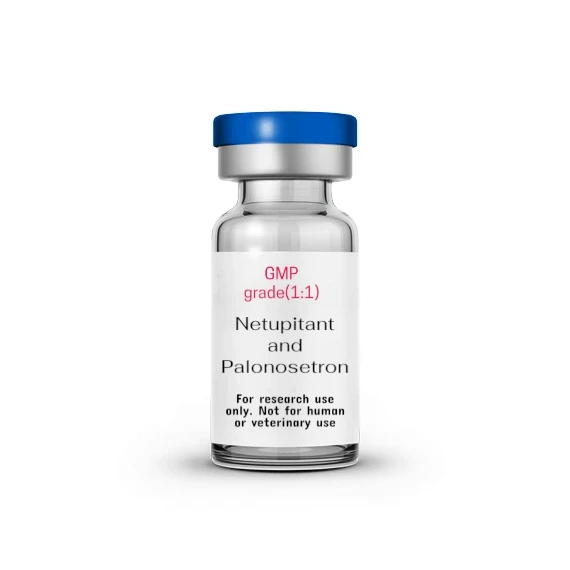

Netupitant and Palonosetron | CAS 290297-26-6 | NK1 and 5-HT3 Receptor Antagonist Combination for Antiemetic Research
Original price was: $3.00.$2.00Current price is: $2.00.
Netupitant and Palonosetron is a combination of small-molecule receptor antagonists targeting NK1 and 5-HT3 receptors, widely used in laboratory research to study chemotherapy- and radiation-induced nausea and vomiting. This compound combination allows researchers to investigate multi-receptor antiemetic mechanisms, serotonergic and neurokinin signaling, and pharmacodynamic interactions in preclinical and in vitro models.
Description
Contents
hide
Product Description
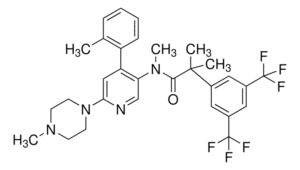
Netupitant and Palonosetron is a dual small-molecule combination designed for experimental research in antiemetic pharmacology. Netupitant functions as a selective neurokinin-1 (NK1) receptor antagonist, while Palonosetron selectively inhibits 5-hydroxytryptamine type 3 (5-HT3) receptors. Together, they provide a powerful tool for studying the neural and gastrointestinal pathways involved in emesis.
Mechanistic Rationale for Research
Chemotherapy and radiation-induced nausea involve multiple neurotransmitters, primarily substance P and serotonin. Netupitant blocks NK1 receptor-mediated signaling, reducing substance P-induced neuronal activation in the central nervous system. Palonosetron, by inhibiting 5-HT3 receptors on vagal afferents and central neurons, modulates serotonin-mediated emetic signals. This dual mechanism allows researchers to investigate synergistic receptor interactions, combination pharmacodynamics, and dose optimization in laboratory models.
Experimental Applications
NK1 and 5-HT3 receptor studies: Exploring receptor-mediated signaling in in vitro cell lines and in vivo animal models.
Antiemetic combination research: Investigating multi-receptor blockade and synergistic effects on emesis pathways.
Pharmacokinetic and pharmacodynamic studies: Evaluating receptor occupancy, duration of action, and molecular interactions in preclinical studies.
Signal transduction research: Examining downstream effects on cAMP, intracellular calcium flux, and neurotransmitter release.
Toxicological and mechanistic modeling: Assessing cell viability, cytotoxicity, and off-target interactions in controlled experimental settings.
Netupitant and Palonosetron is provided as a high-purity crystalline powder or formulated solution, suitable for in vitro assays, receptor-binding studies, and preclinical animal research. Analytical verification ensures ≥99% purity and chemical stability under recommended storage conditions. Its small-molecule nature allows precise dosing and reproducible pharmacological studies in laboratory settings.
Product Specifications
| Item | Details |
|---|---|
| Product Name | Netupitant and Palonosetron |
| CAS Number | 290297-26-6 |
| Synonyms | NK1/5-HT3 antagonist combination; Oral antiemetic research compound |
| Molecular Formula | C28H27F7N4O3·C19H19ClN2O5 (combination) |
| Molecular Weight | 888.91 g/mol (combined) |
| Purity | ≥99% |
| Appearance | White to off-white crystalline powder |
| Solubility | Soluble in DMSO, ethanol, and aqueous buffers |
| Storage Temperature | 2–8 °C, protect from light and moisture |
| Category | Small-molecule research chemical |
| Applications | Antiemetic research, NK1 and 5-HT3 receptor studies, preclinical pharmacology |
| Formulation | Solid powder or solution suitable for in vitro and in vivo studies |
| Stability | Stable under recommended conditions; chemical integrity verified |
| Shelf Life | 24 months |
| Supplier Type | Laboratory research chemical supplier |
| Intended Use | For laboratory research use only |
Mechanism of Action
Netupitant and Palonosetron exert complementary mechanisms targeting emetic signaling pathways:
NK1 Receptor Antagonism by Netupitant
Netupitant selectively binds NK1 receptors, preventing substance P-mediated depolarization of neurons in the central nervous system. This inhibition is essential for modeling the contribution of neurokinin signaling to nausea and vomiting in experimental research.
5-HT3 Receptor Antagonism by Palonosetron
Palonosetron binds with high affinity to 5-HT3 receptors on vagal afferent fibers and central chemoreceptor trigger zones. This blocks serotonin-mediated excitatory signaling that initiates emetic reflexes.
Synergistic Combination Effects
The dual blockade allows researchers to explore additive or synergistic antiemetic mechanisms, receptor cross-talk, and optimization of combination dosing in vitro and in vivo. Experimental models may evaluate downstream effects such as calcium signaling, neurotransmitter release, and neuronal excitability.
Experimental Applications
In vitro receptor-binding and functional assays
Preclinical animal studies on chemotherapy- and radiation-induced emesis
Investigation of intracellular signal transduction and neurotransmitter modulation
Dose-response and pharmacodynamic studies
Assessment of off-target effects and chemical stability in laboratory conditions
Netupitant and Palonosetron’s high receptor selectivity and chemical stability make it a reliable small-molecule tool for mechanistic antiemetic research.
Side Effects
In experimental settings, Netupitant and Palonosetron demonstrate minimal cytotoxicity at recommended concentrations. Observed effects may include mild, transient modulation of intracellular signaling in vitro. They are not intended for clinical use outside controlled laboratory research.
Keywords
Netupitant and Palonosetron, NK1 receptor antagonist, 5-HT3 receptor antagonist, antiemetic research, serotonin receptor studies, substance P signaling, preclinical pharmacology, laboratory research chemical, small-molecule combination, high-purity chemical compound, factory chemical supplier, chemical wholesale China, low-price chemical supplier, China research chemical manufacturer, OEM & bulk chemical production, experimental anti-nausea agent
Shipping Guarantee
All shipments of Netupitant and Palonosetron are handled using validated cold-chain and protective packaging logistics to preserve compound integrity. Each package is sealed in moisture-proof containers with secondary protective wrapping and continuous temperature monitoring. Products are shipped via express international couriers with full tracking and insurance coverage to ensure safe and timely delivery.
Trade Assurance
We guarantee the authenticity and high purity (≥99%) of Netupitant and Palonosetron. Each batch undergoes rigorous analytical verification, including HPLC, MS, and NMR, to confirm identity, purity, and structural integrity. A Certificate of Analysis (CoA) is provided with each batch. Our trade assurance policy guarantees replacement or refund for any deviation from listed specifications.
Payment Support
We provide secure and flexible payment options for global research transactions, including PayPal, major credit cards (Visa, MasterCard, American Express), telegraphic transfer (T/T), and cryptocurrencies (USDT, Bitcoin, Ethereum). All transactions are encrypted and verified, ensuring confidentiality and fund security.
Disclaimer
All products are intended for laboratory research use only. They are not drugs, medical devices, or diagnostics and should not be administered to humans or animals. Researchers must adhere to institutional biosafety and chemical safety guidelines. Information provided is for scientific reference only and does not imply therapeutic efficacy, safety, or regulatory approval.

Additional information
| Weight | 1.1 kg |
|---|---|
| Dimensions | 18 × 16 × 18 cm |
Q1: What is Netupitant and Palonosetron used for in research?
A1: This combination is used to study NK1 and 5-HT3 receptor-mediated antiemetic mechanisms, serotonin and substance P signaling, and preclinical models of chemotherapy- and radiation-induced nausea.
Q2: Is Netupitant and Palonosetron a high-purity compound?
A2: Yes, it is synthesized to ≥99% purity, verified by HPLC, MS, and NMR for reproducible laboratory results.
Q3: How should Netupitant and Palonosetron be stored?
A3: Store at 2–8 °C in a dry, light-protected environment. Solutions should be kept refrigerated and protected from repeated freeze-thaw cycles.
Q4: What is the typical appearance of this compound?
A4: White to off-white crystalline powder or formulated solution.
Q5: Can it be used in combination studies with other experimental agents?
A5: Yes, it is suitable for evaluating synergistic or additive antiemetic effects in vitro and in vivo.
Q6: Is the compound stable during storage?
A6: Yes, it remains chemically stable under recommended conditions for up to 24 months.
Q7: Where is Netupitant and Palonosetron manufactured?
A7: Produced under research-grade chemical standards in China, ensuring batch consistency and verified high purity.
Q8: Are OEM or bulk production services available?
A8: Yes, OEM, bulk, and contract manufacturing for laboratory research purposes are supported.
Q9: What documentation is provided with each batch?
A9: Each batch includes a CoA verifying identity, ≥99% purity, and analytical verification.
Q10: Is the compound soluble in laboratory solvents?
A10: Yes, soluble in DMSO, ethanol, and compatible aqueous buffers for solution preparation and assays.
Q11: What type of supplier provides this combination?
A11: Professional laboratory research chemical suppliers specializing in high-purity small molecules.
Q12: Does the product contain preservatives?
A12: No, it is supplied in pure form without stabilizers or preservatives.
Q13: What is the minimum order quantity (MOQ)?
A13: MOQ depends on batch availability, supporting both small-scale research and bulk experiments.
Q14: How is cold-chain shipping ensured?
A14: Temperature-controlled packaging with continuous monitoring preserves chemical integrity and stability.
Q15: Can international researchers order directly?
A15: Yes, direct international orders are supported with competitive pricing and rapid shipping from our China research facility.
Related products
Iparomlimab and Tuvonralimab 50 mg/2 mL Solution
Iparomlimab and Tuvonralimab is a high-purity monoclonal antibody solution supplied at 50 mg/2 mL by factory manufacturing with low-price wholesale availability. Designed exclusively for in vitro molecular mechanism studies, protein interaction assays, and signaling pathway research, it provides reproducible and reliable experimental performance. Strictly for laboratory research use. $1.00Granisetron Hydrochloride Dispersible 1mg
High-purity Granisetron Hydrochloride Dispersible is a factory-manufactured research reagent optimized for in vitro receptor binding studies, 5-HT3 receptor mechanistic analysis, and molecular signaling research. Available for bulk and wholesale laboratory use with batch-verified purity and reproducible performance. $1.00Toremifene Citrate 60mg for scientific research
High-purity Toremifene Citrate Tablets designed exclusively for in vitro molecular mechanism research, receptor-binding analysis, and biochemical pathway modulation studies. Factory-manufactured with consistent batch quality, suitable for bulk and wholesale supply.(For research use only. Not for human or veterinary use.) $1.00Abiraterone Acetate 250 mg – High Purity | Factory Manufactured
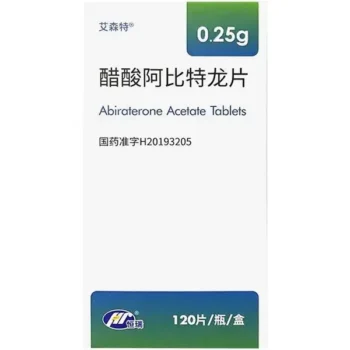
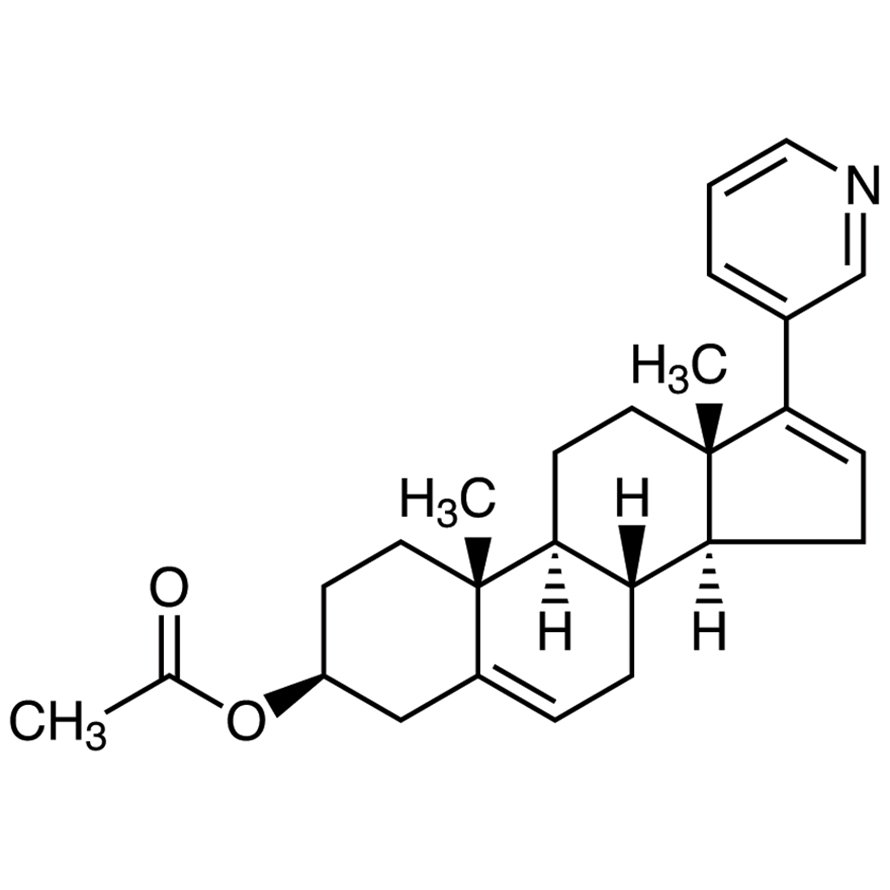
High-purity Abiraterone Acetate 250 mg, manufactured under strict quality control for in vitro receptor studies, enzymatic pathway research, and molecular mechanism analysis. Available for bulk, wholesale, and customized laboratory supply with consistent batch-to-batch purity. $2.00


Reviews
There are no reviews yet.