
No products in the cart.
Sale
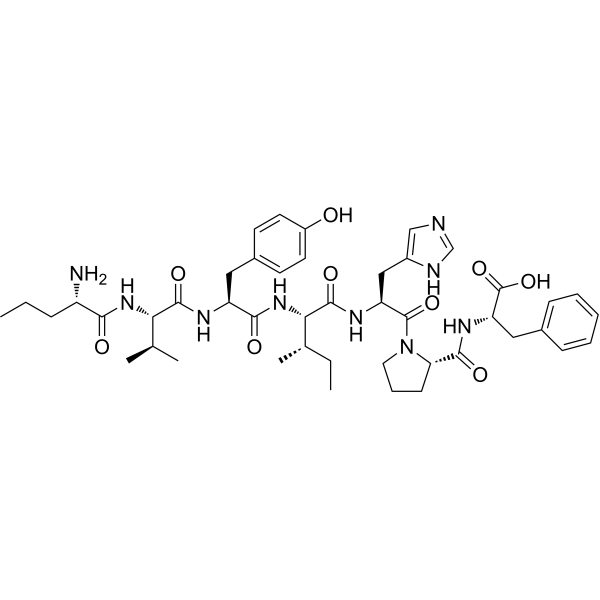
Nva-VYIHPF | CAS 51988-72-8 | Angiotensin II Analog for Cardiovascular Research
Original price was: $56.00.$34.00Current price is: $34.00.
Nva-VYIHPF is a bioactive hexapeptide analog of Angiotensin II. It binds angiotensin receptors and modulates blood pressure and vascular contraction, supporting studies of cardiovascular and renal physiology.
Description
Contents
hide
Product Description
Nva-VYIHPF is a synthetic Angiotensin II analog engineered to mimic the biological activity of the endogenous octapeptide hormone Angiotensin II (HY-13948), a key effector of the renin-angiotensin system (RAS). By substituting the N-terminal asparagine with norvaline (Nva), this analog displays enhanced stability and modulated receptor interaction while retaining vasoactive potency.
Angiotensin II plays a central role in regulating blood pressure, fluid homeostasis, and vascular smooth-muscle contraction. Nva-VYIHPF is used to investigate how small structural modifications influence angiotensin receptor binding and signaling bias between AT₁ and AT₂ receptors. It is particularly useful in mechanistic research on hypertension, heart failure, renal function, and vascular remodeling.
Key Features
Angiotensin II analog with N-terminal norvaline substitution
High affinity for AT₁ and AT₂ receptors
Modulates vascular tone and smooth muscle contraction
Facilitates structure–activity relationship (SAR) studies of the RAS
Useful for in-vitro and in-vivo cardiovascular research
The modification confers improved metabolic stability and altered signal bias, enabling researchers to distinguish between canonical G-protein-dependent and β-arrestin-dependent pathways in angiotensin signaling.
Product Specifications
| Attribute | Description |
|---|---|
| Product Name | Nva-VYIHPF |
| CAS Number | 51988-72-8 |
| Synonyms | Norvaline-Angiotensin II analog, Ang II variant Nva-VYIHPF, Angiotensin II peptide mimetic |
| Chemical Class | Peptide analog of Angiotensin II |
| Sequence | Nva-Val-Tyr-Ile-His-Pro-Phe |
| Molecular Formula | C₄₁H₆₀N₁₀O₈ |
| Molecular Weight | ~848 Da |
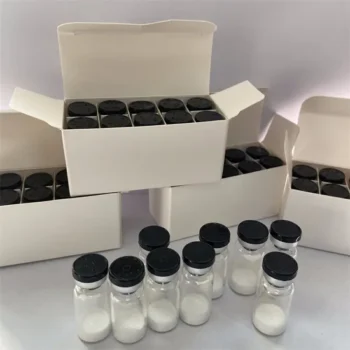
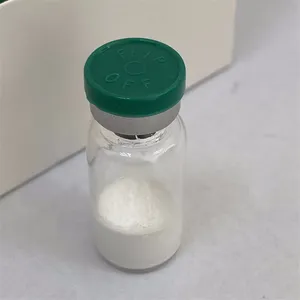
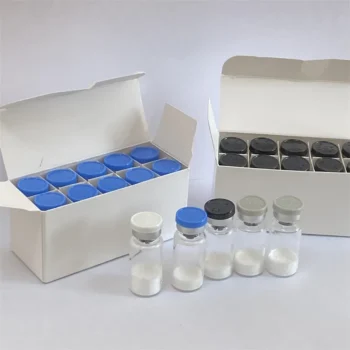
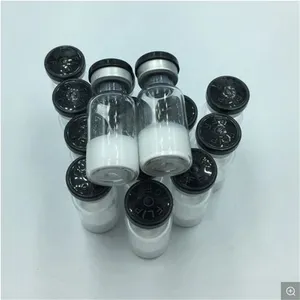
| Appearance | White lyophilized powder |
| Purity | ≥ 98% (HPLC) |
| Solubility | Soluble in water, PBS, and DMSO |
| Storage Conditions | –20 °C, light-protected |
| Stability | Stable ≥ 2 years under recommended conditions |
| Applications | RAS signaling research, vascular biology, hypertension models |
| Safety Level | For research use only |
| QC Verification | HPLC, MS analysis, amino acid composition |
Mechanism of Action
1. Renin–Angiotensin System Overview
The renin–angiotensin system is a hormonal cascade that controls blood pressure and fluid balance. Angiotensin II, the principal effector peptide, acts on specific receptors to induce vasoconstriction, aldosterone secretion, and sympathetic activation. Nva-VYIHPF retains the core sequence motifs responsible for binding to angiotensin receptors but exhibits altered metabolic behavior and slightly modified receptor bias.
2. AT₁ Receptor Activation
At physiological concentrations, Nva-VYIHPF binds to the AT₁ receptor, a GPCR predominantly expressed in vascular smooth muscle cells and the adrenal cortex. This interaction activates phospholipase C (PLC), leading to inositol-trisphosphate (IP₃) and diacylglycerol (DAG) generation, subsequent Ca²⁺ mobilization, and smooth muscle contraction. The result is transient vasoconstriction and an increase in arterial pressure, mirroring natural Ang II effects.
3. AT₂ Receptor Modulation
In contrast to the AT₁ pathway, the AT₂ receptor mediates vasodilation, anti-proliferation, and tissue repair. Nva-VYIHPF shows partial agonism at AT₂, providing a unique tool for studying the antagonistic balance between AT₁ and AT₂ signaling. It stimulates nitric oxide (NO) release and cyclic GMP accumulation in endothelial cells, which contributes to vascular relaxation and cytoprotection.
4. Signal Bias and Receptor Selectivity
The replacement of Asp¹ with Norvaline reduces peptide susceptibility to aminopeptidase cleavage, enhancing stability. Moreover, this substitution alters the electrostatic interactions within the receptor binding pocket, shifting downstream signaling from canonical Gq-mediated Ca²⁺ release toward non-canonical pathways such as ERK1/2 and β-arrestin signaling.
Such bias is valuable for probing the molecular basis of GPCR conformational selectivity and for designing next-generation angiotensin modulators with fewer side effects.
5. Physiological Consequences
Induces reversible vasoconstriction in isolated arterial rings
Promotes aldosterone and vasopressin release in endocrine models
Enhances oxidative stress markers through NADPH oxidase activation (via AT₁)
Counter-regulated by AT₂-mediated NO signaling that balances vascular tone
Overall, Nva-VYIHPF provides a precise means to decipher the complex interplay of Ang II receptor pathways and their pharmacological modulation.

Side Effects
Although Nva-VYIHPF is intended only for laboratory use, its bioactivity resembles Ang II and may cause the following effects in biological systems:
Vasoconstriction and transient blood pressure elevation
Increased aldosterone secretion leading to fluid retention in animal models
Oxidative stress via AT₁ activation and ROS production
Endothelial dysfunction at high concentrations
Compensatory NO release through AT₂ stimulation
Care should be taken to titrate doses according to experimental objectives and cell types. The peptide should not be administered in clinical settings.
Disclaimer
For research use only. Not for human or veterinary use, diagnosis, or treatment.
Keywords
Nva-VYIHPF, Angiotensin II analog, Norvaline peptide, AT₁ receptor agonist, AT₂ modulator, renin-angiotensin system, hypertension research, vascular biology, GPCR bias, peptide analog.
Shipping Guarantee
All products are professionally packaged and shipped with insurance and customs clearance support to ensure safe delivery worldwide.
Transaction Guarantee
Secure payment methods including T/T, PayPal, and cryptocurrency are accepted. Full refund or replacement for logistics loss or quality issues is guaranteed.
Additional information
| Weight | 0.9 kg |
|---|---|
| Dimensions | 83 × 52 × 83 cm |
What is Nva-VYIHPF?
A synthetic Angiotensin II analog with a norvaline substitution at the N-terminus.
What is the CAS number?
51988-72-8.
What is its main use?
To study renin-angiotensin system function and receptor signal bias.
Which receptors does it target?
AT₁ and AT₂ angiotensin receptors.
Is it more stable than Ang II?
Yes, the Nva substitution enhances resistance to enzymatic degradation.
Does it cause vasoconstriction?
Yes, via AT₁ receptor activation in vascular smooth muscle.
What are the potential research fields?
Cardiovascular physiology, renal regulation, and signal transduction.
How should it be stored?
At –20 °C in a dry, light-protected environment.
Is it a natural peptide?
No, it is synthetic and chemically modified.
Is it for clinical use?
No, research use only.
Related products
Anti-Aging Peptide Raw Powder CAS 307297-39-8 Epitalon – Low Price Wholesale
Anti-Aging Moq:10 vials per box Appearance:Lyophilized powder Purity:99% Original price was: $29.00.$23.00Current price is: $23.00.High Purity Weight Loss Peptide Reta, Trutide, GHK-Cu, Epitalon Peptide – The Ultimate Solution for Effective Weight Loss and Anti-Aging
Weight Loss Peptide Function Dose 2mg 5mg 10mg 15mg 20mg Higher Original price was: $36.00.$25.00Current price is: $25.00.Retatrutide | CAS 2381089-83-2 | Dual GLP-1/GIP/Glucagon Receptor Agonist
Retatrutide (CAS 2381089-83-2) is a high-purity research-grade peptide optimized for in vitro mechanistic studies. It supports investigations into signal transduction, receptor interactions, and molecular pathway modulation. Supplied as a lyophilized powder, it ensures stability and reproducibility for laboratory research applications. Original price was: $14.00.$12.00Current price is: $12.00.USA Warehouse 99% IV Infusion Therapy Anti-Aging Injection Peptide for Weight Loss & Muscle Building
USA Warehouse 99% IV Infusion Therapy Anti-Aging Injection Peptide for Weight Loss & Muscle Building Original price was: $38.00.$23.00Current price is: $23.00.
Reviews
There are no reviews yet.