
No products in the cart.
Sale
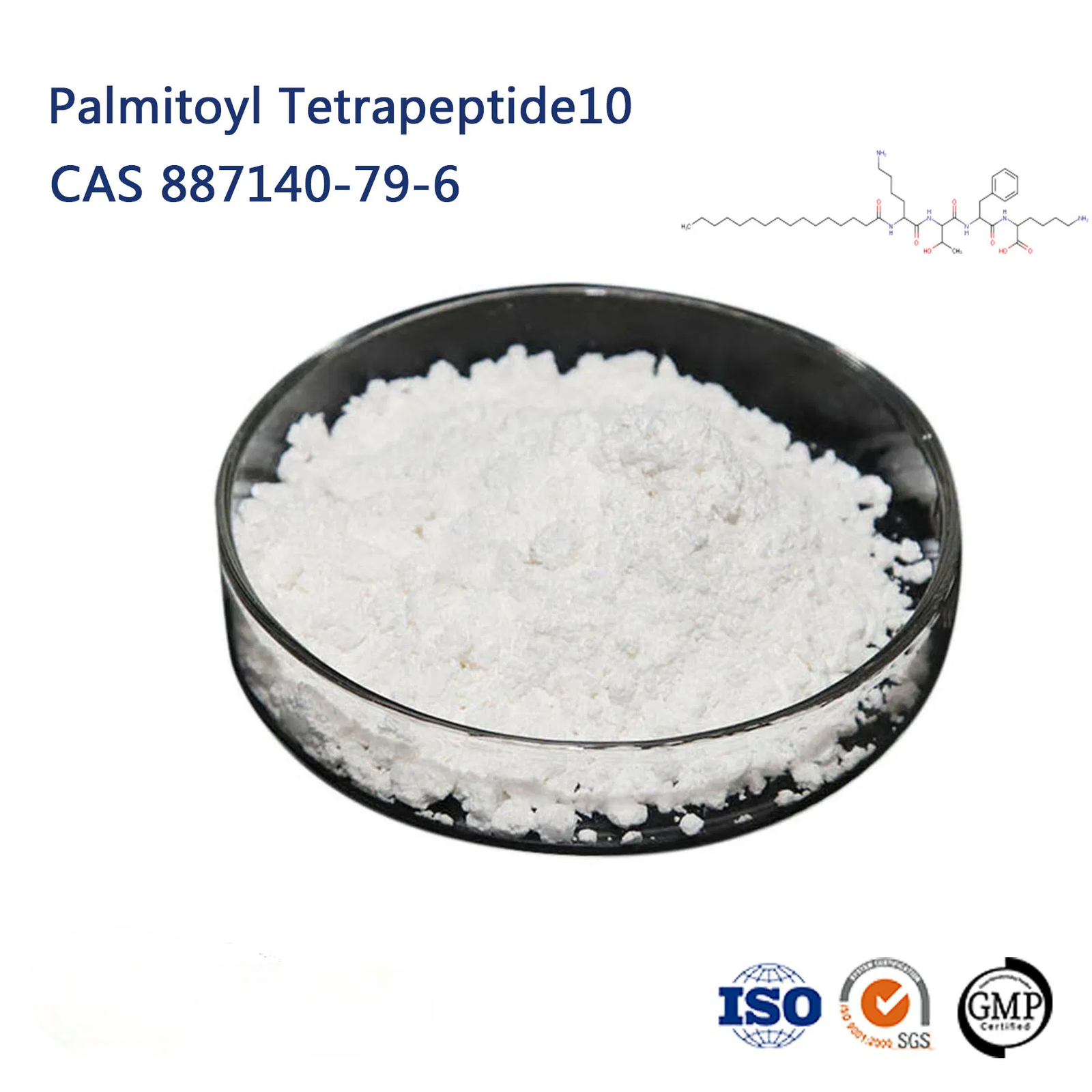

Palmitoyl tetrapeptide-10 | CAS 887140-79-6 | Skin Barrier Strengthening Peptide for Sensitive Skin and Pigmentation
Original price was: $3.00.$2.00Current price is: $2.00.
Palmitoyl tetrapeptide-10 is a biomimetic lipopeptide that reinforces the skin barrier, improves keratinocyte cohesion, and enhances epidermal resilience. It is widely studied for its ability to strengthen sensitive skin and restore epidermal balance in cosmetic peptide research.
Description
Product Description
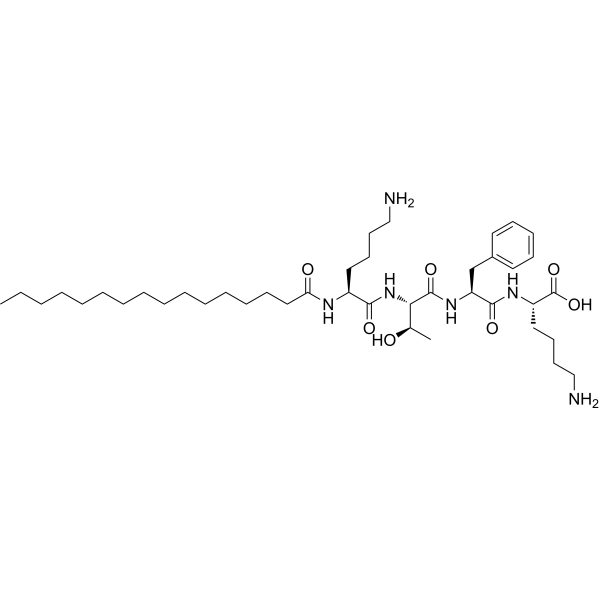
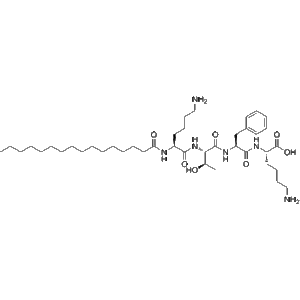
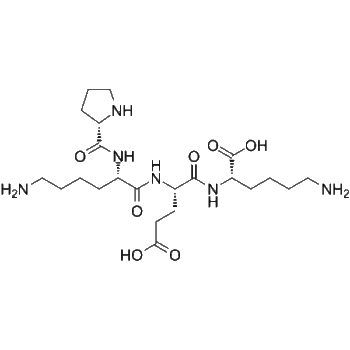
Palmitoyl tetrapeptide-10 (CAS 887140-79-6) is a synthetic biomimetic peptide that has gained increasing attention in cosmetic peptide research for its ability to reinforce the skin barrier, enhance keratinocyte differentiation, and improve the overall health of sensitive skin. This lipopeptide combines a bioactive tetrapeptide sequence with a palmitoyl fatty acid chain that allows deeper penetration through the stratum corneum and stable integration within skin cell membranes. Through this amphiphilic nature, Palmitoyl tetrapeptide-10 achieves both bioavailability and long-lasting skin-repair activity, making it a valuable component for laboratory studies in the field of anti-aging and skin barrier restoration.
In research environments, Palmitoyl tetrapeptide-10 is often explored for its ability to promote corneodesmosin and filaggrin synthesis—two critical proteins responsible for the cohesion and hydration of the epidermis. By enhancing these structural elements, the peptide strengthens the skin’s natural defense system, helping it better resist environmental aggressors such as pollution, UV radiation, and oxidative stress. Sensitive skin models treated with Palmitoyl tetrapeptide-10 show visible improvements in resilience, texture uniformity, and tolerance thresholds, which are indicators of restored epidermal integrity.
Furthermore, Palmitoyl tetrapeptide-10 contributes to cellular communication between the dermis and epidermis, facilitating cross-talk that regulates differentiation and renewal. This communication is essential for maintaining homeostasis in skin exposed to repeated irritation, mechanical stress, or overexposure to cosmetic actives. As a lipid-conjugated peptide, it integrates seamlessly into phospholipid membranes, enhancing transport efficiency and prolonging its bioactivity in skin models.
In cosmetic peptide research, Palmitoyl tetrapeptide-10 is often studied as part of anti-aging peptide complexes, where it complements collagen-stimulating peptides such as Palmitoyl tripeptide-1 or Palmitoyl tetrapeptide-7. Together, they create synergistic activity, promoting elasticity, firmness, and smoother skin appearance. Palmitoyl tetrapeptide-10 specifically targets barrier recovery, offering benefits in sensitive-skin formulations and post-procedural repair solutions.
Laboratory research demonstrates that Palmitoyl tetrapeptide-10 activates genes related to epidermal cohesion, particularly those involved in corneocyte adhesion and keratinocyte terminal differentiation. These processes ensure the stratum corneum remains intact and capable of retaining optimal moisture. Additionally, it helps mitigate the effects of pro-inflammatory cytokines such as IL-6 and TNF-α, which often contribute to sensitivity and redness. This anti-inflammatory property supports its inclusion in experimental soothing and barrier-repair formulations.
From a molecular perspective, Palmitoyl tetrapeptide-10 enhances lipid synthesis within the skin, supporting ceramide and sphingolipid production, both essential for preventing transepidermal water loss (TEWL). Its antioxidant capacity also protects cellular components from oxidative degradation, a fundamental factor in delaying signs of premature aging.
The peptide’s multifaceted mechanism—spanning barrier enhancement, anti-inflammatory modulation, and hydration support—positions Palmitoyl tetrapeptide-10 as a highly relevant molecule in modern dermatological and cosmetic peptide studies. Researchers investigating sensitive skin, pigmentation irregularities, and epidermal renewal rely on this peptide as a reference compound for developing advanced skin-repair formulations.
Product Specifications
| Item | Details |
|---|---|
| Product Name | Palmitoyl tetrapeptide-10 |
| CAS Number | 887140-79-6 |
| Molecular Formula | C₃₂H₅₈N₈O₆ |
| Molecular Weight | 650.86 g/mol |
| Purity | ≥99% |
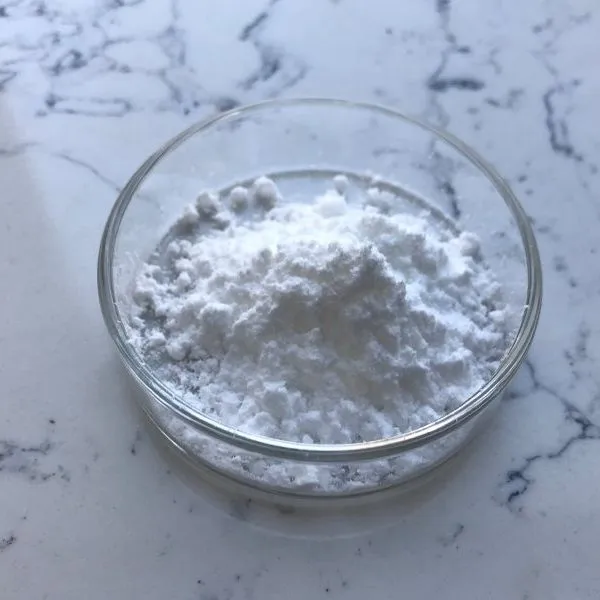
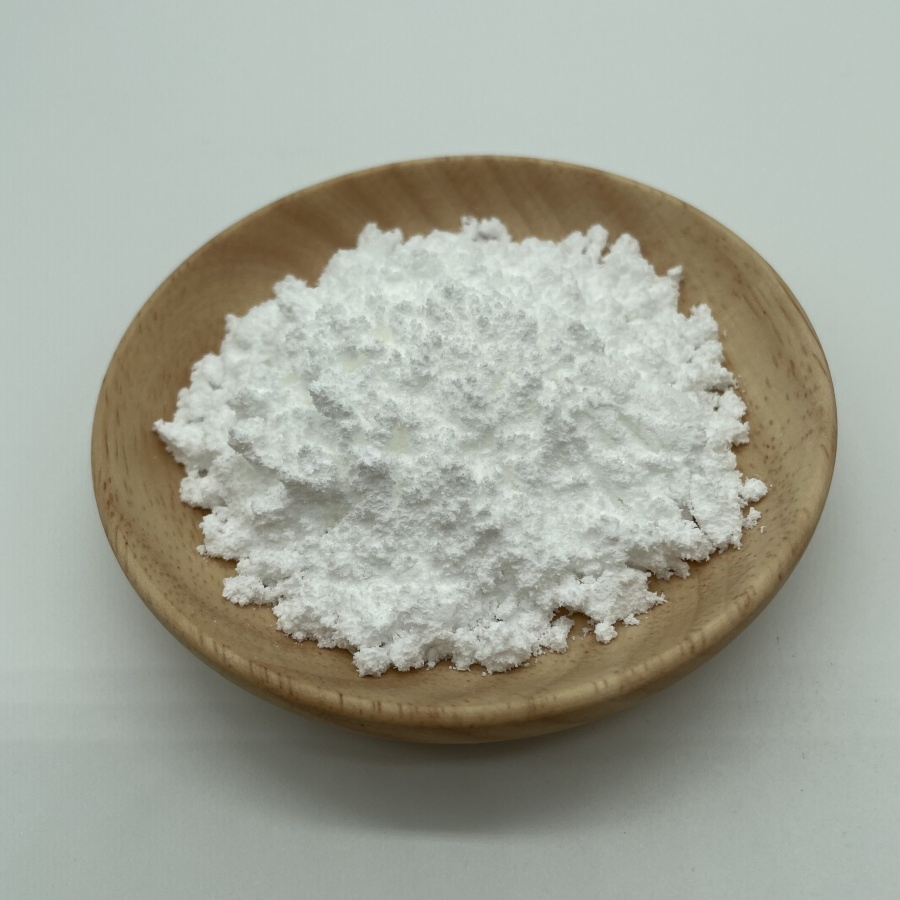
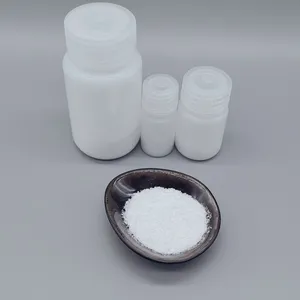
| Appearance | White to off-white lyophilized powder |
| Solubility | Soluble in water and ethanol |
| Stability | Stable at –20°C under dry conditions |
| Synonyms | PTP-10, Palmitoyl tetrapeptide-10 acetate |
| Category | Cosmetic Peptide / Bioactive Lipopeptide |
| Applications | Skin barrier strengthening, sensitive skin research, anti-aging peptide studies |
| Research Area | Skin repair, epidermal protection, pigmentation balance |
| Supplier Type | OEM peptide manufacturer / factory peptide supplier |
| Intended Use | For laboratory research use only |
Mechanism of Action
The biological mechanism of Palmitoyl tetrapeptide-10 involves targeted enhancement of epidermal cohesion and restoration of the stratum corneum’s defensive architecture. The peptide achieves this by activating specific genes responsible for keratinocyte differentiation and desmosomal junction formation, including those coding for corneodesmosin and filaggrin.
Stimulation of Filaggrin Production
Filaggrin is a vital epidermal protein that binds keratin filaments together, providing skin strength and structure. Palmitoyl tetrapeptide-10 upregulates filaggrin gene expression, reinforcing the barrier and improving water retention. This enhances the natural moisturizing factor (NMF) levels in the epidermis, restoring hydration and smoothness.Enhancement of Corneodesmosin Synthesis
Corneodesmosin contributes to cell-cell adhesion in the stratum corneum. Palmitoyl tetrapeptide-10 promotes its synthesis, improving cohesion between corneocytes and reducing barrier permeability. This leads to smoother texture and protection against irritants.Anti-Inflammatory and Antioxidant Modulation
The peptide downregulates pro-inflammatory cytokines and protects cells from oxidative stress. Its antioxidant potential reduces ROS accumulation, safeguarding lipids and proteins from degradation.Regulation of Pigmentation
Palmitoyl tetrapeptide-10 indirectly influences melanocyte behavior by stabilizing the epidermal microenvironment. Through homeostatic regulation, it prevents hyperactivation of melanogenesis pathways, leading to even skin tone.Lipid Metabolism Support
The palmitoyl modification enhances lipid affinity, promoting ceramide synthesis and maintaining healthy lipid layers in the stratum corneum. This process ensures low TEWL and prevents dryness or sensitivity.
In cosmetic peptide research, Palmitoyl tetrapeptide-10 demonstrates significant synergy with other peptides such as Palmitoyl tripeptide-1, Palmitoyl tetrapeptide-7, and Acetyl hexapeptide-8. When combined, these molecules enhance the structural regeneration of the dermis and epidermis, resulting in greater skin elasticity and barrier integrity.
Side Effects
In controlled laboratory research, Palmitoyl tetrapeptide-10 exhibits a high safety margin with no known toxic or sensitizing effects. It is non-irritating and well-tolerated in reconstructed human epidermis models. Some in vitro studies indicate that excessive concentrations may cause temporary stress responses in sensitive cell lines, though these are reversible upon dilution.
Researchers should ensure sterile techniques and avoid cross-contamination. Peptide degradation can occur under exposure to heat, humidity, or light; thus, storage at –20°C in desiccated vials is recommended. The product is not intended for human or animal administration and must be used for laboratory purposes only.
Keywords
Palmitoyl tetrapeptide-10, skin barrier peptide, cosmetic peptide, sensitive skin peptide, high-purity peptide, peptide factory China, peptide wholesale supplier, OEM peptide production, bioactive peptide, peptide raw material, low-price peptide supplier, cosmetic peptide manufacturer, laboratory peptide factory, lyophilized peptide powder, anti-aging cosmetic peptide.
Shipping Guarantee
All shipments are handled using validated cold-chain logistics to preserve peptide integrity. Each package is sealed in moisture-proof containers with secondary protective wrapping and continuous temperature monitoring. Products are shipped via express international couriers with full tracking and insurance coverage.

Trade Assurance
We ensure product authenticity, verified ≥99% purity, and compliance with analytical standards (HPLC, MS, and NMR). Each batch is supplied with a Certificate of Analysis (CoA). Our trade assurance policy guarantees replacement or refund for any deviation from listed specifications.
Payment Support
We provide flexible and secure global payment options to support international research transactions. Accepted payment methods include PayPal, major credit cards (Visa, MasterCard, American Express), telegraphic transfer (T/T), and cryptocurrencies (USDT, Bitcoin, Ethereum). All transactions are protected by industry-standard encryption and verified payment gateways to ensure confidentiality and fund security.
Disclaimer
All products listed are intended for laboratory research use only and not for human or veterinary use. They are not drugs, medical devices, or diagnostics and should not be administered to humans or animals. Researchers must handle all materials in accordance with institutional biosafety and chemical safety guidelines. The information provided is for scientific reference only and does not imply therapeutic efficacy, safety, or regulatory approval.

Additional information
| Weight | 1.8 kg |
|---|---|
| Dimensions | 56 × 42 × 56 cm |
What is Palmitoyl tetrapeptide-10 used for in research?
It is primarily used to study skin barrier repair, keratinocyte differentiation, and sensitive-skin restoration.
What purity do your peptides maintain?
All peptides, including Palmitoyl tetrapeptide-10, are verified at ≥99% purity.
Can I order from a China peptide factory directly?
Yes, we operate as a certified China peptide manufacturer with OEM and bulk peptide supply options.
Do you provide peptide raw material for formulation trials?
Yes, lyophilized peptide raw powders are available for laboratory studies.
Is Palmitoyl tetrapeptide-10 stable during shipping?
Absolutely. It is shipped with validated cold-chain packaging and monitored temperature control.
Can you customize peptide synthesis?
Yes, custom synthesis and labeling services are available.
Is this peptide suitable for cosmetic peptide research only?
Yes, it is strictly for laboratory research and cosmetic ingredient development.
Do you offer low-price peptide supplier terms for bulk purchases?
Yes, discounted pricing is available for bulk or OEM peptide orders.
How do you ensure high-purity peptide production?
Each peptide undergoes strict HPLC and MS testing with CoA certification.
Do you offer OEM peptide production?
Yes, full OEM and private-label peptide production services are supported.
What are the main benefits of Palmitoyl tetrapeptide-10 in research?
It enhances skin barrier strength, reduces irritation, and supports balanced pigmentation.
Can I combine this peptide with others for synergistic studies?
Yes, it shows synergy with collagen-stimulating peptides like Palmitoyl tripeptide-1.
Is Palmitoyl tetrapeptide-10 shipped globally?
Yes, we offer worldwide shipping with tracking and insurance.
Do you accept cryptocurrency payments?
Yes, we accept USDT, Bitcoin, and Ethereum for secure global transactions.
Are you a verified factory peptide supplier?
Yes, we are a direct factory peptide supplier specializing in high-purity cosmetic peptides.
Related products
Palmitoyl pentapeptide-4 | CAS 214047-00-4 | Anti-Aging Cosmetic Peptide for Skin Regeneration and Wrinkle Reduction Research
Palmitoyl pentapeptide-4 (Matrixyl) is a synthetic cosmetic peptide widely recognized for its anti-aging, collagen-stimulating, and wrinkle-reducing properties. It is commonly utilized in research for dermal regeneration, skin elasticity enhancement, and anti-wrinkle cosmetic formulations. Original price was: $32.00.$26.00Current price is: $26.00.N-Acetylcarnosine | CAS 56353-15-2 | Antioxidant Peptide for Skin Brightening and Anti-Aging Research
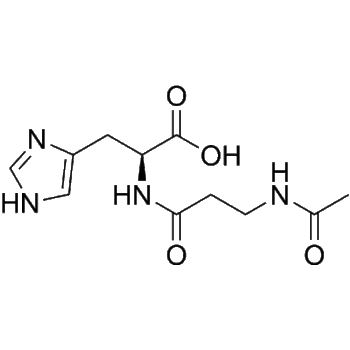
N-Acetylcarnosine (NAC) is a histidine-containing dipeptide derivative of L-carnosine, widely recognized in cosmetic research for its antioxidant, brightening, and anti-aging properties. It supports collagen preservation, cellular repair, and oxidative balance in skin and ocular oxidative stress models. Original price was: $3.00.$1.00Current price is: $1.00.Tetrapeptide-30 | CAS 1036207-61-0 | Skin-Brightening Cosmetic Peptide for Melanin Inhibition Research
Tetrapeptide-30 is a synthetic cosmetic peptide composed of four amino acids, designed for skin-brightening research. It functions as a tyrosinase inhibitor, helping reduce hyperpigmentation and even out skin tone in laboratory studies. Original price was: $3.00.$2.00Current price is: $2.00.Palmitoyl hexapeptide-12 | CAS 171263-26-6 | Bioactive Anti-Aging Peptide for Skin Repair and Photoaging Research
Palmitoyl hexapeptide-12 is a bioactive cosmetic peptide that reduces IL-6 expression, promotes extracellular matrix regeneration, and supports skin elasticity. It is widely used in anti-aging and photoaging research to explore cellular repair and dermal collagen synthesis. Original price was: $3.00.$1.00Current price is: $1.00.
Reviews
There are no reviews yet.