
No products in the cart.
Sale
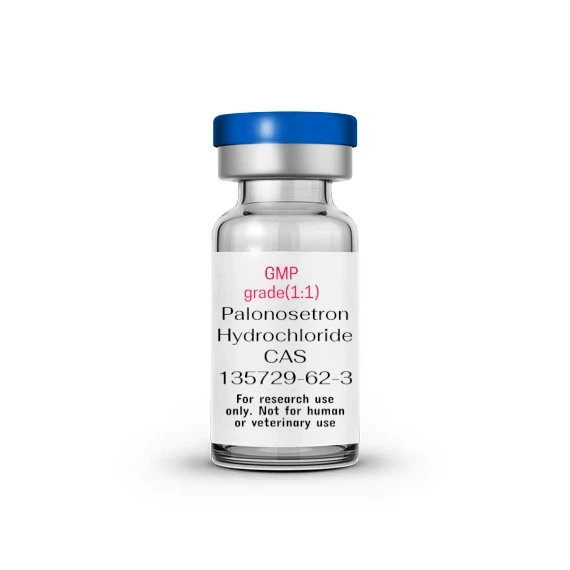

Palonosetron Hydrochloride | CAS 135729-62-3 | High-Purity Lyophilized Powder for 5-HT3 Receptor Research and GMP Customization
Original price was: $3.00.$2.00Current price is: $2.00.
Palonosetron Hydrochloride (CAS 135729-62-3) is a high-purity lyophilized biologically active compound selectively targeting 5-HT3 receptors. It is widely used in receptor-ligand studies, signal transduction analysis, and preclinical modeling. Suitable for structural biology, pharmacological research, and translational studies, Palonosetron Hydrochloride ensures reproducible results. Bulk supply and GMP factory OEM customization support industrial and academic research applications.
Description
Contents
hide
Product Description
Palonosetron Hydrochloride is a potent, selective 5-HT3 receptor antagonist with high purity and stability, widely utilized in neuroscience, gastroenterology, and preclinical pharmacology research. The compound inhibits serotonin-mediated ion channel activation and regulates downstream signaling pathways including MAPK/ERK, PI3K/AKT, cAMP, and intracellular calcium flux. High-purity lyophilized Palonosetron Hydrochloride ensures reproducible results across multiple experimental platforms and supports both small-scale academic research and bulk GMP production.
5-HT3 receptors, members of the ligand-gated ion channel family, are widely expressed in central and enteric nervous systems and play a critical role in neurotransmission, nausea, emesis, gastrointestinal motility, and neuronal signaling. Palonosetron Hydrochloride selectively binds to 5-HT3 receptors, preventing serotonin-induced depolarization and downstream intracellular signaling. Its high chemical purity and lyophilized format ensure consistent pharmacological activity and minimal experimental variability.
In neuronal studies, Palonosetron Hydrochloride inhibits serotonin-induced excitatory postsynaptic potentials, regulates synaptic plasticity, and controls neurotransmitter release. This enables precise investigations into neuronal differentiation, neuroprotection, and functional synaptic assays. In gastrointestinal research, Palonosetron Hydrochloride modulates serotonin-mediated smooth muscle contraction and neurotransmitter release, providing a reliable tool for preclinical studies of chemotherapy-induced nausea and vomiting (CINV) and gastrointestinal physiology.
High-purity lyophilized Palonosetron Hydrochloride is also compatible with structural biology techniques such as X-ray crystallography, Cryo-EM, and NMR. Researchers can study ligand-receptor binding, receptor conformational dynamics, and protein-ligand interactions, enabling rational drug design and therapeutic development. Additionally, Palonosetron Hydrochloride is optimized for high-throughput screening, supporting automated 384- and 1536-well plate assays, combination therapy studies, and translational research.
The lyophilized format of Palonosetron Hydrochloride ensures prolonged shelf-life and activity stability, easy reconstitution in PBS, DMSO, or compatible buffers, and reproducible results across multiple experimental runs. Its GMP-grade bulk production and OEM customization further enhance its suitability for industrial research and large-scale pharmacological investigations. Researchers consistently utilize Palonosetron Hydrochloride to study receptor-ligand interactions, receptor trafficking, desensitization, and intracellular signaling pathways with high reproducibility and reliability.
Product Specifications
The specifications of Palonosetron Hydrochloride are meticulously validated to ensure consistent quality, chemical purity, and experimental reproducibility. Each batch undergoes rigorous analytical testing, including HPLC, LC-MS, NMR, and functional assays, to meet ≥99% purity standards. The lyophilized powder format ensures stability for long-term storage and consistent reconstitution for experimental applications. Researchers can rely on Palonosetron Hydrochloride for receptor pharmacology, high-throughput screening, organoid studies, preclinical assays, and structural biology investigations. Bulk GMP-grade OEM customization is available to meet diverse laboratory and industrial research needs.
| Parameter | Specification |
|---|---|
| Chemical Name / Synonyms | Palonosetron Hydrochloride; CAS 135729-62-3 |
| CAS Number | 135729-62-3 |
| Molecular Formula | C27H32N2O7·HCl |
| Molecular Weight | 597.04 g/mol |
| Purity | ≥99%, verified by HPLC, LC-MS, NMR |
| Appearance | White to off-white lyophilized powder |
| Dosage Form | Lyophilized powder |
| Solubility | Soluble in water, DMSO, or compatible buffers |
| Concentration | Customizable upon reconstitution |
| Storage Temperature | 2–8°C lyophilized; short-term post-reconstitution |
| Stability | Up to 24 months lyophilized; short-term solution stability |
| Analytical Methods | HPLC, LC-MS, NMR, UV spectroscopy, functional assays |
| Mechanistic Target | 5-HT3 receptor antagonist |
| Structural Category | Small-molecule serotonin receptor modulator |
| Applications | Receptor pharmacology, preclinical studies, high-throughput screening, organoid research |
| Batch Consistency | Validated chemical and functional reproducibility |
| Regulatory Notes | Laboratory research only, not for human or veterinary use |
| Origin | China, factory direct supply |
| Additional Data | CoA, MSDS, spectral and functional assay data available |
Mechanism of Action
Palonosetron Hydrochloride selectively binds to 5-HT3 receptors, stabilizing the inactive receptor conformation and preventing serotonin-induced ion influx, neuronal depolarization, and subsequent intracellular signaling. The compound modulates downstream pathways including MAPK/ERK, PI3K/AKT, cAMP, and NF-κB, which are critical for neuronal excitability, gastrointestinal motility, and cellular responses.
High-affinity binding of Palonosetron Hydrochloride prevents receptor activation and modulates receptor internalization, recycling, and desensitization in both neuronal and gastrointestinal systems. It inhibits serotonin-induced calcium influx, modulates transcription factor activity, and ensures reproducible functional outcomes in preclinical models.
In cellular and tissue-level studies, Palonosetron Hydrochloride suppresses excitatory postsynaptic potentials in neurons, reduces neurotransmitter release in gastrointestinal tissues, and modulates smooth muscle contraction. In organoid and spheroid cultures, it facilitates mechanistic studies of receptor signaling, functional responses, and tissue-level pharmacology.
The compound is widely applied in high-throughput screening, combination therapy studies, receptor trafficking investigations, and antiemetic mechanism research. Its lyophilized format ensures chemical stability, reproducibility, and compatibility with automated plate-based assays, 3D tissue models, and preclinical pharmacological studies.
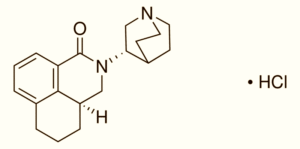
Side Effects
Cellular Effects
Palonosetron Hydrochloride modulates intracellular calcium flux and neuronal excitability. Prolonged exposure may lead to receptor desensitization, altered gene expression, or changes in synaptic transmission. Researchers should monitor functional responses to ensure reproducibility.
Tissue-Level Effects
It alters neurotransmitter release in gastrointestinal tissues and modulates smooth muscle contractility. In organoid and spheroid models, Palonosetron Hydrochloride may influence tissue responses and intracellular signaling pathways, requiring careful experimental design.
Experimental Considerations
Lyophilized Palonosetron Hydrochloride should be reconstituted immediately before use. Freeze-thaw cycles should be minimized to maintain functional activity. Standard sterile handling procedures are recommended, and all experimental manipulations should comply with institutional safety protocols.
Laboratory Safety Guidelines
Appropriate PPE including gloves, lab coat, and eye protection should be worn. Work in a biosafety cabinet when necessary, and follow proper chemical and biological waste disposal procedures.
Storage and Stability
Store lyophilized Palonosetron Hydrochloride at -20°C to -80°C, protected from light and moisture. Reconstituted solutions should be used promptly and not subjected to repeated freeze-thaw cycles.
Keywords
high-purity Palonosetron Hydrochloride, 5-HT3 receptor antagonist, lyophilized compound, receptor-targeted research reagent, signal transduction probe, preclinical pharmacology reagent, factory small-molecule supplier, bulk production, high-purity chemical, China chemical manufacturer, neurotransmission research reagent, antiemetic research compound, drug discovery reagent, functional cell assay reagent, high-throughput receptor screening, translational research reagent
Shipping Guarantee
Cold-chain logistics with insulated, moisture-proof packaging. Tracking, insurance, and customs documentation included. Bulk orders receive reinforced packaging for maximum stability.
Trade Assurance
Purity ≥99% confirmed via HPLC, LC-MS, and NMR. Certificates of Analysis and MSDS provided. GMP-grade OEM customization ensures batch consistency. Replacement or refund guaranteed for quality discrepancies.
Payment Support
PayPal, major credit cards, T/T, USDT, Bitcoin, Ethereum accepted. Secure encrypted transactions for domestic and international orders.
Disclaimer
Strictly for laboratory and preclinical research. Not for human or veterinary use. Researchers must follow institutional safety protocols and use appropriate PPE.
References

Additional information
| Weight | 1.1 kg |
|---|---|
| Dimensions | 18 × 16 × 18 cm |
1. What is Palonosetron Hydrochloride used for?
Palonosetron Hydrochloride is used for 5-HT3 receptor-ligand studies, neuronal and gastrointestinal signal transduction, preclinical pharmacology, and drug discovery. It provides reproducible results in functional assays and translational models.
2. What purity does Palonosetron Hydrochloride meet?
≥99%, verified by HPLC, LC-MS, and NMR. Each batch of Palonosetron Hydrochloride comes with a CoA and MSDS.
3. Can I purchase bulk Palonosetron Hydrochloride?
Yes, GMP-grade OEM customization and bulk production of Palonosetron Hydrochloride are available from our factory.
4. How should Palonosetron Hydrochloride be stored?
Lyophilized Palonosetron Hydrochloride should be stored at -20°C to -80°C, protected from moisture and light.
5. Can it be used in vivo?
No, Palonosetron Hydrochloride is strictly for laboratory and preclinical research, not for human or veterinary use.
6. How is Palonosetron Hydrochloride reconstituted?
Reconstitute in PBS, DMSO, or a compatible buffer immediately before use. Use sterile techniques.
7. Are Certificates of Analysis included?
Yes, each batch of Palonosetron Hydrochloride comes with CoA, MSDS, and functional assay data.
8. Can it be shipped internationally?
Yes, via cold-chain logistics with tracking, insurance, and customs documentation.
9. Is it suitable for high-throughput screening?
Yes, Palonosetron Hydrochloride is compatible with 384- and 1536-well automated plate assays.
10. Can it be used in structural biology studies?
Yes, it is compatible with Cryo-EM, X-ray crystallography, NMR, and other biophysical methods.
11. Can it be used for combination therapy studies?
Yes, ideal for evaluating synergy with chemotherapeutic agents or serotonin receptor modulators.
12. Is it suitable for organoid or spheroid studies?
Yes, for receptor signaling and functional assays in 3D models.
13. Can it modulate neuronal calcium signaling?
Yes, it prevents serotonin-induced calcium influx and modulates neuronal excitability.
14. Can it be used to study gastrointestinal motility?
Yes, it modulates smooth muscle contractility and neurotransmitter release in tissue assays.
Related products
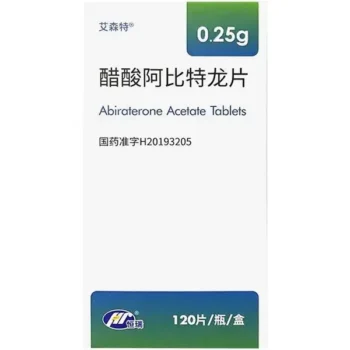
Abiraterone Acetate 250 mg – High Purity | Factory Manufactured
High-purity Abiraterone Acetate 250 mg, manufactured under strict quality control for in vitro receptor studies, enzymatic pathway research, and molecular mechanism analysis. Available for bulk, wholesale, and customized laboratory supply with consistent batch-to-batch purity. $2.00Limertinib (ASK120067) 80mg — Laboratory Research Grade Chemical
Limertinib is a high-purity, irreversible small-molecule inhibitor that selectively targets mutant EGFR in vitro. Designed specifically for laboratory research, it is ideal for investigating signal transduction, kinase activity, and receptor molecular mechanisms in cell-free or in vitro systems. This compound is suitable for mechanistic studies, target validation, and enzymatic assays. Original price was: $3.00.$2.00Current price is: $2.00.Propranolol Hydrochloride Solution 10 mg/mL (40 mL)
Propranolol Hydrochloride Solution (10 mg/mL, 40 mL) is a high-purity small-molecule reagent manufactured under controlled factory conditions for laboratory research and in vitro molecular mechanism studies. The solution format enables precise concentration control, reproducible assay preparation, and seamless integration into biochemical and signaling pathway research workflows.
$1.00Pirtobrutinib 100mg | High purity | Factory manufactured
Pirtobrutinib is a high-purity small-molecule research compound, factory manufactured and supplied at low-price wholesale scale, specifically developed for in vitro biochemical assays, molecular interaction analysis, and signaling pathway investigations. This product is intended exclusively for laboratory research use. $2.00


Reviews
There are no reviews yet.