
No products in the cart.
Sale
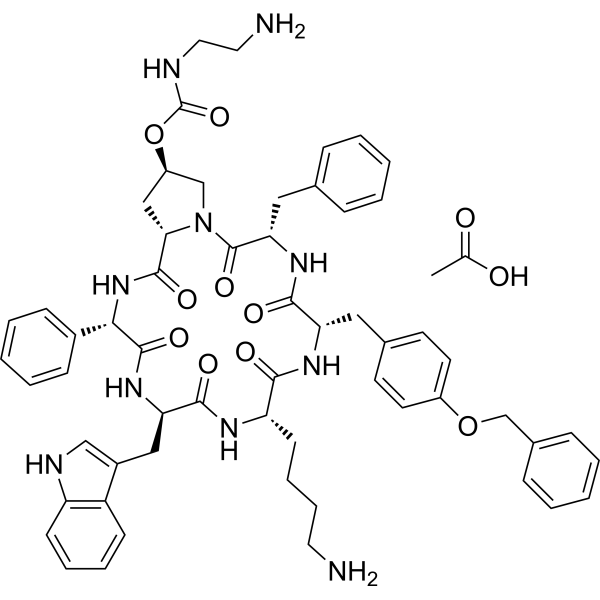
Pasireotide Acetate – Purity 99.25% | GMP Factory Wholesale supply
Original price was: $36.00.$34.00Current price is: $34.00.
Pasireotide Acetate is a high-purity synthetic cyclic somatostatin analog developed for research use. It exhibits broad somatostatin receptor subtype affinity, with particularly strong binding to SSTR5, and is widely used in endocrine and neuroendocrine signaling studies.
Description
Product Description
Pasireotide Acetate is a synthetic cyclic peptide and a second-generation somatostatin analog intended strictly for research and laboratory use only. Compared with first-generation somatostatin analogs, Pasireotide Acetate demonstrates a broader somatostatin receptor (SSTR) binding spectrum, showing particularly high affinity for SSTR5, while retaining functional activity at SSTR1, SSTR2, and SSTR3.
In experimental research, Pasireotide Acetate is commonly applied as a reference compound in endocrine system studies, pituitary and neuroendocrine tumor (NET) models, and somatostatin receptor pharmacology investigations. Its well-characterized molecular structure and consistent activity profile make it suitable for controlled in vitro and in vivo studies focused on hormone secretion regulation and GPCR-mediated signaling pathways.
Product Specifications
| Item | Description |
|---|---|
| Product Name | Pasireotide Acetate |
| Synonyms | SOM230 Acetate, Pasireotide |
| CAS Number | 396091-73-1 |
| Molecular Formula | C58H66N10O15·C2H4O2 |
| Molecular Weight | ~1131.3 g/mol (acetate salt) |
| Amino Acid Sequence | Cyclo[(N-Me)Ala-Tyr-(D-Trp)-Lys-Val-Phe] |
| Peptide Type | Cyclic synthetic somatostatin analog |
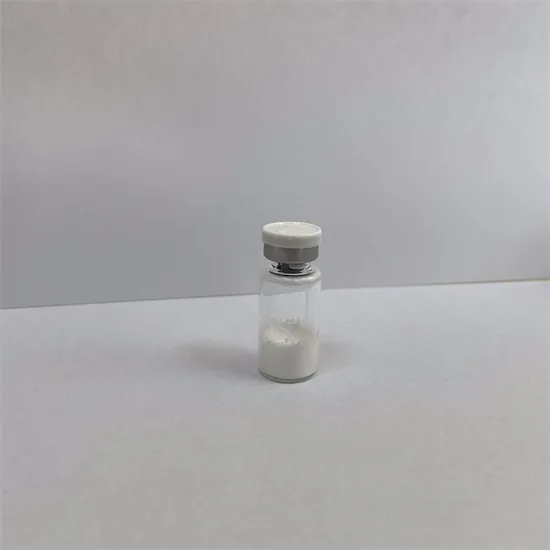
| Form | Lyophilized powder |
| Purity | ≥98% (HPLC) |
| Strength Options | 1 mg / 5 mg / 10 mg |
| Appearance | White to off-white powder |
| Identity Verification | HPLC, Mass Spectrometry |
| Solubility | Soluble in water and dilute acidic buffers |
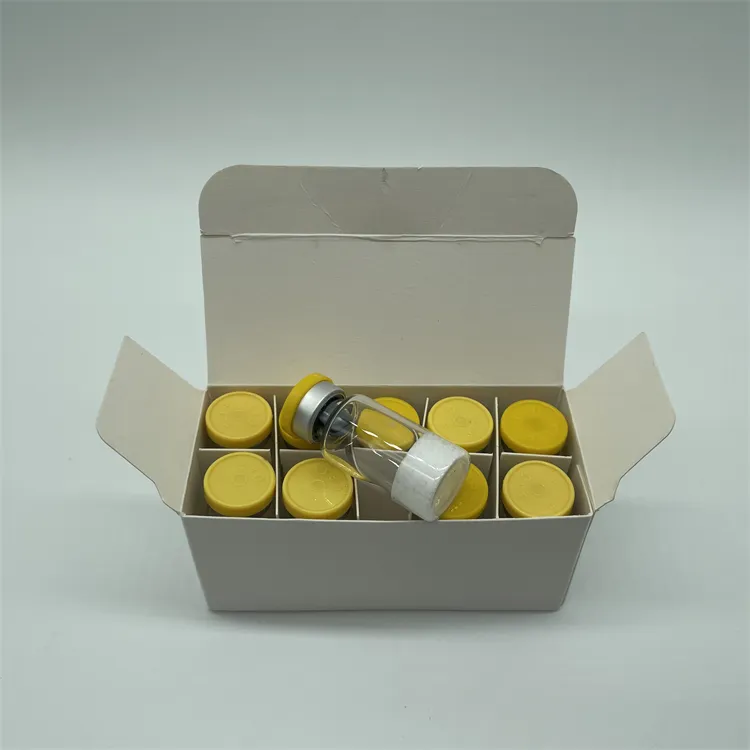
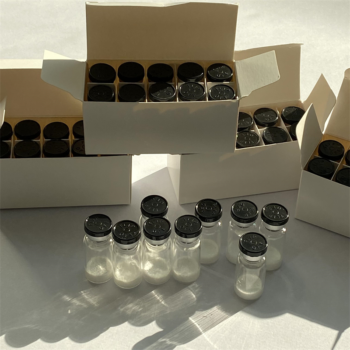
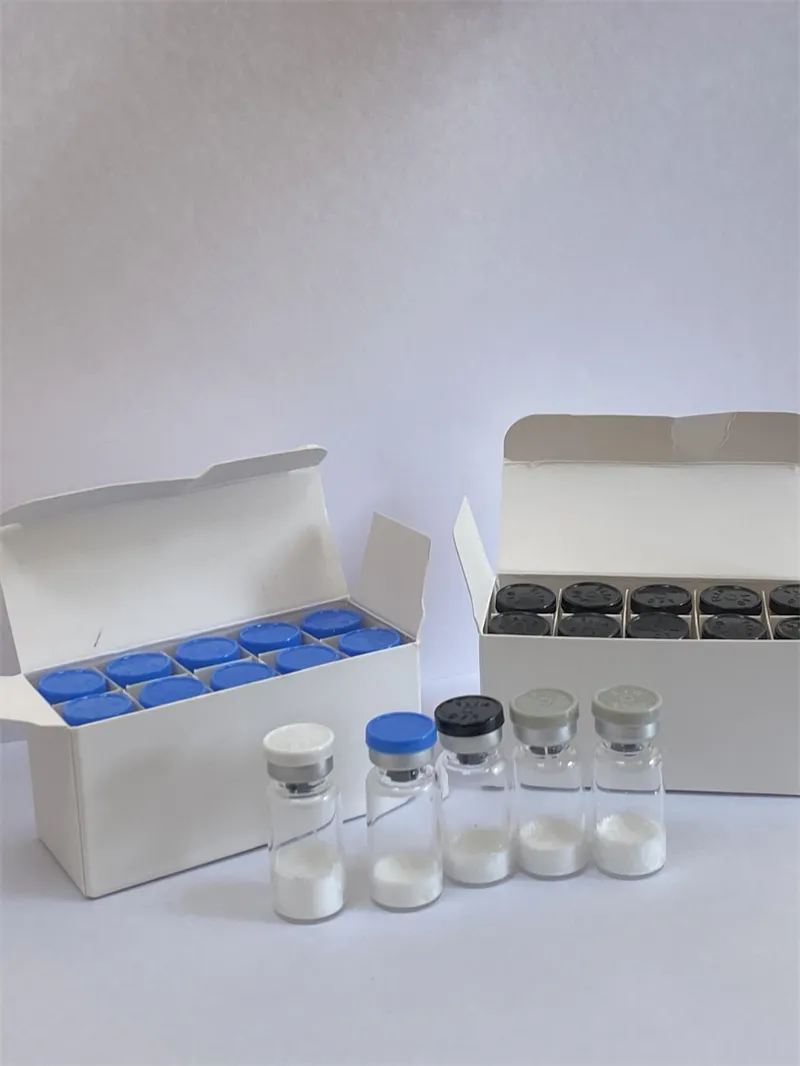
| Packaging | Sterile, sealed research vials |
| Storage Condition | −20 °C, dry and light-protected |
| Intended Use | Research use only (RUO) |
Key Features
Broad somatostatin receptor subtype binding profile
High affinity toward SSTR5 for endocrine research applications
High purity suitable for reproducible experimental outcomes
Stable lyophilized formulation for laboratory storage
Applicable to in vitro and in vivo research models
Applications
Pasireotide Acetate is widely used in the following research areas:
Endocrine signaling and hormone regulation studies
Neuroendocrine tumor (NET) research models
Pituitary adenoma and ACTH / GH secretion investigations
Somatostatin receptor subtype comparison studies
GPCR signaling, receptor internalization, and desensitization research
For detailed mechanistic analysis and experimental design discussion, see the corresponding Pasireotide Acetate 03 template research article.
Usage & Reconstitution Guidelines
Pasireotide Acetate should be handled using standard sterile laboratory techniques. The lyophilized powder is typically reconstituted with sterile water or dilute acidic buffer to prepare stock solutions for experimental use.
Aliquoting after reconstitution is recommended to minimize repeated freeze–thaw cycles. Experimental concentrations should be optimized according to receptor expression levels and specific study objectives.
Storage & Stability
Store unopened vials at −20 °C
Protect from moisture and light
Avoid repeated freeze–thaw cycles
Properly stored aliquots remain stable for extended research periods
Shipping Guarantee
All Pasireotide Acetate shipments are prepared in accordance with standardized laboratory material handling and packaging procedures.
Light- and moisture-protected packaging
Secure outer containers to prevent damage
Batch-level labeling for traceability
Handling protocols designed to preserve peptide stability
Trade Assurance
Each batch of Pasireotide Acetate undergoes internal quality verification prior to release.
Identity and purity confirmation
Specification conformity checks
Batch consistency review
Lot-level traceability documentation
Payment Support
To support laboratories, research institutions, and commercial research partners, multiple payment options are available:
Wire Transfer (T/T)
Business-to-business payment methods
Region-specific payment solutions upon request
Documentation Available
The following documentation may be provided upon request:
Certificate of Analysis (COA)
HPLC purity report
Mass spectrometry data
Batch and lot information
Disclaimer
This product is intended for research and laboratory use only.
Not for human or veterinary use.
All handling and experimental applications must comply with applicable laws, institutional policies, and laboratory safety regulations.
Additional information
| Weight | 0.6 kg |
|---|---|
| Dimensions | 28 × 21 × 28 cm |
1. What is Pasireotide Acetate primarily used for in research?
Pasireotide Acetate is mainly used to study somatostatin receptor–mediated signaling, endocrine regulation, and neuroendocrine tumor–related pathways in controlled laboratory settings.
2. How is Pasireotide Acetate different from first-generation somatostatin analogs?
Unlike first-generation analogs, Pasireotide Acetate exhibits broader somatostatin receptor subtype affinity, with particularly high binding activity toward SSTR5.
3. Is Pasireotide Acetate suitable for in vivo experiments?
Yes, it is commonly used in preclinical in vivo research models when appropriately formulated and handled under institutional research guidelines.
4. What purity level is typically provided for research use?
Pasireotide Acetate is supplied with a purity of ≥98%, as verified by analytical methods such as HPLC.
5. Which analytical techniques are used for identity verification?
Product identity is confirmed using high-performance liquid chromatography (HPLC) and mass spectrometry (MS).
6. How should Pasireotide Acetate be reconstituted for experiments?
It is generally reconstituted in sterile water or dilute acidic buffer under aseptic conditions, followed by aliquoting to avoid repeated freeze–thaw cycles.
7. What factors should be considered when designing experiments with Pasireotide Acetate?
Researchers should consider somatostatin receptor expression levels, exposure duration, dosing range, and potential receptor desensitization effects.
8. Can Pasireotide Acetate be used for receptor subtype comparison studies?
Yes, it is frequently used as a reference compound in comparative studies involving multiple somatostatin receptor subtypes.
9. How should Pasireotide Acetate be stored to maintain stability?
The lyophilized peptide should be stored at −20 °C, protected from moisture and light, and handled to minimize freeze–thaw cycles.
10. Is Pasireotide Acetate intended for clinical or therapeutic use?
No. Pasireotide Acetate is supplied strictly for research and laboratory use only and is not intended for human or veterinary application.
Related products
USA Warehouse 99% IV Infusion Therapy Anti-Aging Injection Peptide for Weight Loss & Muscle Building
USA Warehouse 99% IV Infusion Therapy Anti-Aging Injection Peptide for Weight Loss & Muscle Building Original price was: $38.00.$23.00Current price is: $23.00.GLP-1 Retatrutide Weight Loss Slimming low price wholesale
GLP-1 peptide slimming product, 5mg 10mg 15mg vials, metabolic health- Application: Health Care Supplement
- Form: Disposable vials
- Dosages: 5mg, 10mg, 15mg
- Purity: >99%
High Purity 99.9% Weight Loss Peptide – Raw Material Factory Wholesale at Low Price
Weight Loss Peptide Appearance:Lyophilized powder Grade Standard:Top Quality Original price was: $12.00.$9.80Current price is: $9.80.Top Quality Peptides Lyophilized Powder – Reta Trutide Fitness and Weight Loss Peptide in Stock | Factory Wholesale
Peptides Function Weight Loss Peptides Moq:10 vials per box Original price was: $38.00.$22.00Current price is: $22.00.
Reviews
There are no reviews yet.