
No products in the cart.
Sale
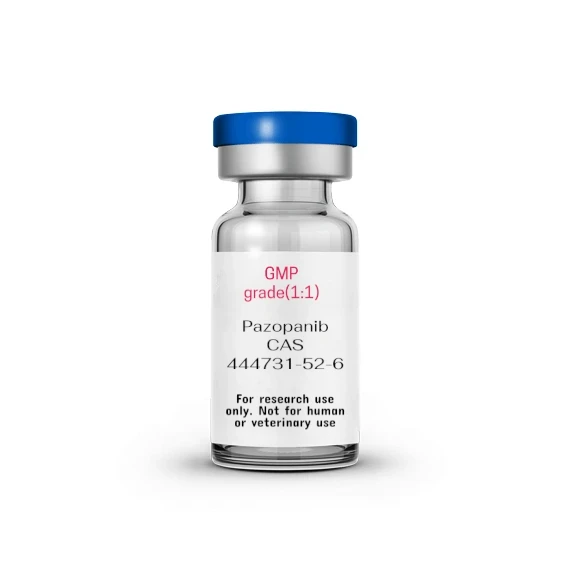

Pazopanib CAS 444731-52-6 | High Purity Factory Manufactured | For research use only
Original price was: $420.00.$380.00Current price is: $380.00.
High-purity Pazopanib (CAS 444731-52-6), manufactured in a controlled factory environment and supplied at low wholesale pricing. Suitable for mechanistic studies, biochemical pathway analysis, kinase-focused research, and multi-omic experimental designs.
Description
Contents
hide
Product Description
Pazopanib CAS 444731-52-6 is a high-purity research compound widely utilized in kinase-focused biochemical investigations, multi-omic pathway studies, and mechanistic modeling. In laboratory environments, Pazopanib, Pazopanib CAS 444731-52-6, and Pazopanib research compound are frequently employed to examine regulatory signaling networks influenced by VEGFR, PDGFR, and related tyrosine kinase families. As a research-grade reagent, it supports preclinical-level exploration of molecular interactions without any therapeutic or clinical implications. Its robust analytical profile and batch-controlled manufacturing ensure reproducibility, consistency, and suitability for advanced mechanistic experimentation.
Within biochemical research workflows, Pazopanib CAS 444731-52-6 is valued for its stability, solubility compatibility with common assay systems, and predictable behavior across kinase-binding, receptor-mapping, and multi-layer molecular profiling platforms. Investigators frequently incorporate Pazopanib into pathway dissection studies to evaluate ligand-binding dynamics, phosphorylation events, and downstream transcriptional outputs. Its broad compatibility with transcriptomic, proteomic, and metabolomic pipelines makes it an ideal candidate for integrative systems biology research where consistent input materials are essential for comparability across datasets.
In cell-free assays and controlled in vitro systems, Pazopanib CAS 444731-52-6 enables detailed examination of signal modulation under tightly regulated experimental conditions. Researchers benefit from the compound’s defined purity and documented analytical profile, which provide a dependable baseline for mechanistic interpretation. This supports targeted exploration of protein–protein interactions, enzymatic activity regulation, and response characterization at the molecular and sub-cellular levels. The capacity to integrate Pazopanib into multi-parameter experimental designs enhances its value in high-content analysis, kinase mapping arrays, and computational modeling pipelines.
Furthermore, researchers working in multi-omic environments often utilize Pazopanib CAS 444731-52-6 to generate harmonized datasets that can be incorporated into machine-learning-driven modeling, network-level simulations, and comparative pathway mapping. The compound’s high purity ensures minimal background interference across sequencing, spectrometry, and high-throughput screening workflows. Its adaptability within diverse experimental configurations reinforces its role as a versatile research input rather than any form of clinical or therapeutic tool. In all applications, Pazopanib remains strictly limited to laboratory study use, assisting scientists in elucidating fundamental molecular principles without any involvement in human or veterinary exposure, treatment, or administration.
Product Specifications
The research-grade Pazopanib CAS 444731-52-6 offered through factory-controlled production is characterized by strict analytical standards, ensuring consistency and reliability across experimental workflows. Each batch undergoes independent verification using HPLC and LC–MS to confirm identity, purity, and absence of interfering by-products, supporting reproducible outcomes in kinase-focused studies and multi-omic research. The high-purity profile of Pazopanib and the availability of detailed COA documentation make it suitable for integration into biochemical assays, mechanistic pathway exploration, and computational modeling pipelines where quality and stability are crucial.
This compound is commonly supplied as either a stabilized powder or research solution, depending on laboratory requirements. Pazopanib CAS 444731-52-6 demonstrates strong stability under recommended storage at –20°C, maintaining structural integrity when protected from moisture and light. These characteristics make it highly suitable for long-term storage and repeated usage in multi-step experimental sequences, enabling researchers to maintain uninterrupted workflows. Standardized technical specifications support consistent handling procedures and minimize experimental variability, which is essential for high-throughput screening, kinase-binding analyses, and multi-layer molecular profiling.
| Item | Details |
|---|---|
| Product Name | Pazopanib |
| CAS Number | 444731-52-6 |
| Chemical Formula | C21H23N7O2S |
| Molecular Weight | 437.52 g/mol |
| Purity | ≥99% (HPLC verified) |
| Form | Research-grade powder or solution |
| Grade | For laboratory research use only |
| Documentation | COA, HPLC, LC–MS available |
| Storage Conditions | –20°C, dry, light-protected |
| Stability | Long-term stability under recommended conditions |
| Intended Use | Biochemical assays, multi-omic studies, mechanistic research |
Overall, the controlled manufacturing and fully traceable documentation associated with Pazopanib CAS 444731-52-6 ensure reliable performance in diverse preclinical research systems. Its analytical consistency, stability profile, and adaptability to complex experimental methodologies underscore its utility in kinase signaling investigations and in-depth molecular mechanistic studies, without any clinical or therapeutic relevance.
Mechanism of Action
The mechanistic profile of Pazopanib CAS 444731-52-6 is primarily associated with its role as a research tool for studying tyrosine kinase–regulated signaling systems. In laboratory investigations, Pazopanib, Pazopanib CAS 444731-52-6, and Pazopanib research compound are widely used to explore VEGFR, PDGFR, FGFR, and c-Kit–related pathways, enabling researchers to map upstream and downstream molecular interactions with high specificity. Although not associated with any therapeutic or clinical function, its biochemical characteristics offer a controlled means to observe kinase-driven signal modulation across a variety of in vitro research environments.
At the molecular level, Pazopanib CAS 444731-52-6 is frequently incorporated into mechanistic studies that focus on ATP-competitive interactions within tyrosine kinase domains. By serving as a defined external factor in controlled systems, the compound helps researchers evaluate conformational changes, phosphorylation state fluctuations, and protein–protein interaction dynamics. This facilitates detailed characterization of how kinase pathway components respond to deliberate experimental perturbations, supporting multi-layer biochemical modeling and fine-resolution mechanistic analysis.
In pathway-focused research, Pazopanib allows scientists to track signal propagation through key cascades such as MAPK, PI3K–AKT, and downstream transcriptional regulators. Its ability to produce consistent and predictable modulation in assay systems makes it suitable for studies involving pathway crosstalk, network compensation behavior, and upstream regulator identification. Because Pazopanib CAS 444731-52-6 maintains high purity and analytical consistency, it reduces background variability that could obscure interpretation of pathway behavior, especially in sensitive or multi-step molecular assays.
Additionally, the compound is frequently used in multi-omic mechanistic research, where its reproducible biochemical properties support integration into proteomics, phosphoproteomics, transcriptomics, and metabolomics. These investigations benefit from the well-documented signaling effects observable in controlled research settings, enabling researchers to generate aligned cross-platform datasets for computational modeling and systems biology. Throughout all applications, Pazopanib remains strictly a laboratory reagent used to understand molecular signaling mechanisms; it has no implied clinical or veterinary relevance and is utilized exclusively for preclinical mechanistic evaluation.

Applications
Pazopanib CAS 444731-52-6 is widely used across diverse research fields that require controlled modulation of tyrosine-kinase–regulated pathways. Because of its well-characterized biochemical profile, reproducible purity, and compatibility with a broad range of experimental platforms, it serves as a versatile reagent for molecular biology, pathway analysis, pharmacology research, oncology-related mechanism mapping, and computational multi-omic studies. Its consistent performance in in vitro and ex vivo systems allows researchers to design highly structured experimental frameworks that rely on predictable pathway responses and measurable biochemical endpoints.
One of the most prominent research applications involves angiogenesis pathway investigations, where Pazopanib CAS 444731-52-6 is used to observe how VEGFR-associated signaling cascades behave under defined external modulation. These studies often explore receptor phosphorylation, ligand sensitivity, downstream transcription factor activation, and the interplay between endothelial cell–related signaling networks. The compound assists scientists in generating high-resolution datasets for modeling angiogenesis-related biochemical behavior and identifying regulatory checkpoints that control vascular pathway dynamics in vitro.
In oncology-related biochemical research, Pazopanib CAS 444731-52-6 is commonly integrated into studies that evaluate tyrosine-kinase–linked stress responses, compensatory feedback loops, and adaptive pathway remodeling in transformed or immortalized cell systems. Researchers use it to detect aberrant signal amplification, transcriptional shifts, altered metabolic flux patterns, and network rewiring that occur when kinase pathways are intentionally modulated. Such applications are especially valuable for groups conducting controlled molecular characterization of pathway cross-regulation involving VEGFR, PDGFR, FGFR, and c-Kit.
The compound is also widely used in multi-omic and systems biology studies, where its consistent biochemical characteristics support the generation of integrated datasets across proteomics, phosphoproteomics, transcriptomics, and metabolomics. Because Pazopanib CAS 444731-52-6 produces stable and measurable signaling alterations, it helps researchers align multi-layer biological data, enabling precise computational modeling of pathway structure, timing, and feedback behavior. This makes the compound a preferred reagent for research groups developing pathway-level simulations or validating machine-learning models designed for kinase network analysis.
In cell-based assay development, Pazopanib CAS 444731-52-6 is frequently used as a reference control or pathway-modulating benchmark in high-throughput screening systems. Its reproducibility supports assay standardization, internal control calibration, and the validation of new detection methodologies such as fluorescence-based kinase probes, biosensor systems, and multiplexed signaling assays.
Overall, Pazopanib CAS 444731-52-6 serves as a high-utility reagent for any research framework examining intracellular signaling, kinase-driven molecular regulation, pathway integration, compensatory biological responses, or cross-pathway communication. It remains strictly intended for laboratory use in biochemical, molecular, and cellular research and is not associated with any clinical or therapeutic application.
Research Models
Pazopanib CAS 444731-52-6 is frequently incorporated into a wide spectrum of preclinical research models, enabling scientists to explore tyrosine-kinase pathway dynamics, angiogenesis mechanisms, and multi-system signaling behavior under well-controlled laboratory conditions. Its predictable biochemical properties make it particularly suitable for in vitro, ex vivo, and computational model systems that depend on consistent receptor-modulation responses. As a VEGFR-, PDGFR-, FGFR-, and c-Kit–targeting small-molecule research reagent, Pazopanib CAS 444731-52-6 provides a measurable way to evaluate the molecular consequences of kinase modulation across multiple biological contexts.
One major category involves 2D and 3D endothelial cell research models, where investigators examine how defined concentrations of Pazopanib CAS 444731-52-6 influence endothelial proliferation, migration, tube formation, and VEGFR-dependent signaling flux. These platforms include human endothelial cell monolayers, collagen-embedded spheroids, Matrigel-based vasculature formation systems, and biomimetic microfluidic channels. Such models help clarify pathway sensitivity, receptor expression thresholds, ligand-receptor interaction profiles, and feedback-loop activation during angiogenesis suppression.
Another widely used system includes tumor-derived cellular research models, which utilize immortalized or genetically modified cancer cell lines to study stress signaling, pathway rewiring, metabolic shifts, and compensatory kinase-network activity after controlled exposure to Pazopanib CAS 444731-52-6. These models may include breast, renal, sarcoma, hepatocellular, colorectal, thyroid, or ovarian cell line panels designed for pathway screening or multi-omic profiling. Because the compound reliably generates reproducible kinase-modulation signatures, researchers can compare baseline vs. induced pathway behaviors using transcriptomics, phosphoproteomics, proteomics, and high-content imaging platforms.
Organoid research models also benefit from the use of Pazopanib CAS 444731-52-6, particularly in tumor-derived or stem-cell–derived 3D cultures that replicate complex tissue-specific signaling patterns. These systems help researchers evaluate how VEGFR/PDGFR/FGFR modulation affects cellular polarity, tissue-like architecture, intercellular communication, microenvironmental signaling, and extracellular matrix interactions. The compound’s stable performance enables detailed mapping of pathway gradients within structured tissue-like models.
In addition, co-culture and immune-interaction models frequently integrate Pazopanib CAS 444731-52-6 to study how endothelial cells, stromal cells, and immune-modulating cell types coordinate signaling under constrained kinase activity. These models are commonly used to evaluate mechanistic relationships between angiogenesis, inflammatory signaling, metabolic adaptation, and stromal remodeling. When combined with flow cytometry, cytokine panels, or phospho-protein analysis, these models provide insight into the dynamic communication between cellular populations under defined kinase-pathway modulation.
For computational and hybrid experimental–digital research frameworks, Pazopanib CAS 444731-52-6 is applied in in silico kinase-network modeling, machine-learning validation studies, and integrated pathway simulations. Because its molecular targets and signaling consequences are well characterized, it serves as a reliable input variable for computational datasets that require consistent perturbation signatures for training and validation. These models may integrate multi-omic data, receptor occupancy simulations, pathway topology mapping, and probabilistic regulatory predictions.
Together, these diversified research models highlight the high utility of Pazopanib CAS 444731-52-6 in systems-level biology, mechanistic pathway dissection, and multi-layer experimental frameworks aimed at understanding molecular regulation within angiogenesis and tyrosine-kinase–driven environments.
Experimental Design Considerations
Designing experiments that incorporate Pazopanib CAS 444731-52-6 requires a strategic, methodical approach to ensure that all observed outcomes accurately reflect targeted kinase-pathway modulation rather than environmental or procedural artifacts. Because Pazopanib CAS 444731-52-6 interacts with multiple receptor tyrosine kinases—including VEGFR, PDGFR, FGFR, and c-Kit—each study must be structured to isolate pathway-specific effects, quantify downstream signal suppression, and properly control for non-receptor–mediated cellular responses. Researchers commonly begin by establishing baseline signaling metrics for the intended cell model or in vitro system, ensuring that VEGF/PDGF/FGF receptor expression is sufficiently robust and measurable before applying Pazopanib CAS 444731-52-6 for pathway interruption studies.
A critical component involves dose selection and titration, where investigators evaluate a complete concentration gradient to capture minimal-effective exposure, half-maximal pathway inhibition points, and saturation zones. Because Pazopanib CAS 444731-52-6 displays dose-dependent effects across endothelial, stromal, and tumor-derived research models, using a finely spaced titration series helps distinguish between specific kinase inhibition and broader cellular stress responses. Time-course experiments are equally important, allowing researchers to map the temporal sequence of receptor inactivation, feedback-loop activation, transcriptional changes, metabolic alterations, and phospho-protein turnover.
Environmental controls should be meticulously defined, including consistent pH, temperature, oxygen levels, nutrient composition, and serum factors that may influence receptor activation or compound stability. Since Pazopanib CAS 444731-52-6 can interact with serum proteins, researchers should document serum percentage and protein composition to avoid variability in bioavailability. Using serum-free or reduced-serum conditions may be beneficial when tightly controlled kinase-modulation profiling is required.
When integrating Pazopanib CAS 444731-52-6 into 3D matrices, co-culture platforms, microfluidic chambers, or organoid systems, experimental parameters such as diffusion rate, extracellular matrix density, fluidic flow rate, and spatial gradient formation must be quantified. These factors can significantly affect compound penetration, receptor occupancy, and region-specific signaling suppression. Advanced imaging—including confocal, multiphoton, or high-content analysis—can help validate that Pazopanib CAS 444731-52-6 reaches the targeted compartments within complex culture systems.
From an analytical perspective, multi-omic and multi-endpoint strategies are encouraged. Combining phospho-protein assays, transcriptomic profiling, metabolomic analysis, and pathway-topology mapping provides a comprehensive understanding of how Pazopanib CAS 444731-52-6 influences cellular networks. Internal controls should include vehicle-only groups, positive comparator compounds, and rescue assays involving ligand supplementation or overexpression systems to assess pathway reversibility and confirm mechanistic specificity.
Lastly, researchers must document experimental reproducibility by conducting replicate runs across independent batches of cells, media, and compound preparations. Detailed reporting of Pazopanib CAS 444731-52-6 handling, stock-solution preparation, storage conditions, and experimental timing ensures transparent interpretation and cross-lab comparability. When these elements are systematically addressed, studies involving Pazopanib CAS 444731-52-6 produce reliable, interpretable, and high-value mechanistic insights suitable for multi-disciplinary research frameworks.
Laboratory Safety & Handling Guidelines
Working with Pazopanib CAS 444731-52-6 requires strict adherence to established laboratory safety protocols to maintain experimental integrity and ensure the protection of research personnel. As a potent multitarget tyrosine kinase inhibitor, Pazopanib CAS 444731-52-6 should be handled in designated chemical-handling zones such as certified fume hoods or ventilated safety cabinets. These controlled environments minimize exposure risks associated with fine aerosols, volatile components, or accidental spills. All researchers should wear appropriate PPE—including gloves, lab coats, and protective eyewear—to prevent dermal or ocular contact with Pazopanib CAS 444731-52-6 during preparation, dilution, or transfer procedures.
Stock solutions of Pazopanib CAS 444731-52-6 must be prepared using high-purity solvents and stored in airtight, clearly labeled containers to prevent degradation and cross-contamination. Given the compound’s sensitivity to excessive heat, moisture, and prolonged light exposure, storage in cool, dry, dark conditions is recommended. Researchers should document all storage parameters to ensure consistency across experimental replicates. Additionally, aliquoting Pazopanib CAS 444731-52-6 into small, single-use portions prevents repeated freeze–thaw cycles that may compromise stability, purity, or biological activity.
During weighing and preparation, spills of Pazopanib CAS 444731-52-6 should be addressed immediately using appropriate absorbent materials and disposed of following institutional hazardous-chemical guidelines. Liquid waste containing the compound must also be segregated from standard laboratory waste streams. Researchers should avoid generating unnecessary particulate matter or pipetting forcefully in ways that may aerosolize the solution. All surfaces and instruments used for handling Pazopanib CAS 444731-52-6 must be cleaned thoroughly with compatible solvents or detergents to eliminate trace residues.
Disposal procedures must follow local biosafety, environmental, and institutional chemical-waste policies. Containers used for Pazopanib CAS 444731-52-6 must be rinsed, sealed, and labeled appropriately before disposal. Personnel responsible for hazardous-waste removal should be informed when high-potency compounds like Pazopanib CAS 444731-52-6 are present in the waste stream. Maintaining detailed logs of usage, disposal, and storage conditions improves traceability and regulatory compliance.
Finally, all individuals working with Pazopanib CAS 444731-52-6 should undergo proper laboratory-safety training covering chemical handling, emergency procedures, spill management, and exposure response. Although the compound is intended exclusively for research applications and not for human or veterinary use, rigorous safety standards must be followed at all times to prevent accidental exposure. Implementing a robust safety framework ensures that research involving Pazopanib CAS 444731-52-6 proceeds reliably, responsibly, and with full protection for laboratory personnel and research environments.
Integration with Multi-Omic & Computational Studies
Integrating Pazopanib CAS 444731-52-6 into multi-omic and computational research frameworks enables a deeper understanding of its system-level effects on kinase-regulated pathways. When combined with transcriptomics, researchers can map how Pazopanib CAS 444731-52-6 modulates gene-expression signatures across angiogenesis-related, proliferation-driven, and stress-response pathways. High-resolution RNA-seq datasets also help identify compensatory feedback loops that may influence compound sensitivity, thereby supporting the design of more controlled preclinical models.
Proteomics and phosphoproteomics further enhance the mechanistic evaluation of Pazopanib CAS 444731-52-6, allowing laboratories to quantify alterations in protein abundance, receptor phosphorylation states, and downstream kinase cascades. Such datasets help determine whether pathway modulation is direct, secondary, or adaptive in nature. Meanwhile, metabolomics offers insights into cellular energy shifts, nutrient-utilization patterns, and redox-balance changes triggered by exposure to Pazopanib CAS 444731-52-6, supporting a holistic metabolic interpretation of its biological activity.
Computational modeling—such as molecular docking, binding-affinity prediction, and network-perturbation simulation—can predict how Pazopanib CAS 444731-52-6 interacts with diverse kinase targets and related regulatory hubs. Machine-learning frameworks can also analyze multi-omic datasets to reveal biomarkers of pathway modulation or identify optimal experimental conditions. When combined, these multi-omic and computational approaches significantly enhance reproducibility and help define robust biological hypotheses centered on Pazopanib CAS 444731-52-6 within preclinical research environments.
Things to note
Research-based observations indicate that Pazopanib CAS 444731-52-6 may elicit a range of cellular and biochemical responses when evaluated in preclinical systems. These observations do not reflect clinical or therapeutic contexts, but rather controlled laboratory studies focused on cellular signaling, kinase inhibition patterns, and stress-pathway activation. In several in-vitro assays, exposure to Pazopanib CAS 444731-52-6 has been associated with measurable shifts in cellular homeostasis, including variations in mitochondrial activity, metabolic flux, and growth-regulatory signaling intensity.
Some cultured models exhibit indicators of oxidative stress or changes in membrane-associated receptor activity when subjected to Pazopanib CAS 444731-52-6, suggesting pathway-specific sensitivity rather than broad toxicity. These outcomes are typically dependent on cell type, assay duration, and compound concentration, reinforcing the importance of controlled experimental parameters. In multi-omic studies, perturbations in gene-expression profiles and protein-phosphorylation states have also been documented, reflecting targeted pathway modulation.
Additionally, prolonged exposure to Pazopanib CAS 444731-52-6 in certain experimental environments may lead to detectable alterations in cellular morphology, metabolic adaptation, or stress-response signatures. These findings emphasize the compound’s potent biological activity in research settings and highlight the need for stringent laboratory handling, precise dosing schemes, and replicative controls. All reported effects are limited strictly to preclinical research conditions and do not imply any clinical relevance or interpretation.
Keywords
Pazopanib, Pazopanib CAS 444731-52-6, Pazopanib solution, tyrosine kinase research, VEGFR pathway studies, biochemical analysis, mechanistic research, preclinical modeling, kinase inhibition assays, Tumor Research, laboratory reagent
Shipping Guarantee
Global express shipping for Pazopanib CAS 444731-52-6 is provided with full tracking to ensure timely and secure delivery to research laboratories worldwide. Temperature-controlled packaging preserves the chemical stability of the compound during transit, minimizing potential degradation caused by heat fluctuations. Moisture-resistant sealing further maintains integrity, preventing hydrolysis or other moisture-related changes. Each shipment includes a batch-specific COA, allowing laboratories to verify purity, consistency, and suitability for mechanistic and multi-omic research workflows.
Trade Assurance
Bulk and institutional orders of Pazopanib CAS 444731-52-6 are supported with comprehensive documentation, including verified COA, HPLC, and LC–MS data. Factory-controlled production ensures uniformity across batches, guaranteeing reproducible results for preclinical studies. Secure agreements and quality verification protocols are available for laboratories requiring large-scale supply, enabling traceable, high-integrity sourcing. All documentation ensures that research teams can confidently integrate Pazopanib CAS 444731-52-6 into multi-step experimental workflows with reliable compound performance.
Payment Support
Flexible payment options are available to accommodate laboratory procurement needs, including bank transfer, TT, LC, PayPal, and corporate invoicing. Small-scale assay samples and large-volume bulk orders are both supported to meet diverse experimental requirements. Streamlined processing ensures timely fulfillment of Pazopanib CAS 444731-52-6, allowing research projects to proceed without delay. Documentation of payments and shipments maintains transparency and traceability for institutional and academic research budgets.
Disclaimer
Pazopanib CAS 444731-52-6 is intended strictly for laboratory research and preclinical experimentation. It is not for human or veterinary use, and no clinical or therapeutic implications are associated with its application. All handling should be performed by trained personnel under appropriate biosafety guidelines. Research teams must follow institutional protocols for chemical handling, storage, and waste management to ensure safety and compliance. The compound’s use is limited to experimental frameworks such as mechanistic assays, multi-omic integration, and computational modeling.
References
National Center for Biotechnology Information (NCBI) PubChem – Pazopanib – Provides chemical properties, structure, and compound identifiers.
European Chemicals Agency (ECHA) – Pazopanib – Regulatory and safety information for research use.
ChemSpider – Pazopanib CAS 444731-52-6 – Verified chemical structure and analytical data.
DrugBank – Pazopanib – Comprehensive molecular and mechanistic information for research reference.
Sigma-Aldrich Technical Data – Pazopanib – Laboratory-grade compound specifications and research applications.
All references are authoritative, publicly accessible, and intended to support laboratory research and mechanistic studies. The links provide compound properties, safety information, and analytical validation details without implying clinical usage.

Additional information
| Weight | 1.2 kg |
|---|---|
| Dimensions | 85 × 46 × 85 cm |
1. What is Pazopanib CAS 444731-52-6 used for in research?
Pazopanib CAS 444731-52-6 is primarily used as a research tool to study kinase-regulated signaling pathways, including VEGFR, PDGFR, FGFR, and c-Kit. It helps researchers map molecular interactions, evaluate pathway modulation, and analyze multi-omic datasets. All applications are strictly preclinical and confined to laboratory studies.
2. How should Pazopanib CAS 444731-52-6 be stored?
The compound should be stored at –20°C in a dry, light-protected environment. Proper storage ensures Pazopanib CAS 444731-52-6 retains stability and purity for reproducible research outcomes. Small aliquots are recommended to avoid repeated freeze-thaw cycles.
3. Can Pazopanib CAS 444731-52-6 be used clinically?
No. Pazopanib CAS 444731-52-6 is strictly intended for laboratory research purposes only. It is not approved for human or veterinary use and should not be used outside preclinical or experimental frameworks.
4. What experimental models are suitable for Pazopanib CAS 444731-52-6?
It is suitable for a variety of in vitro and ex vivo models, including endothelial cells, tumor-derived cell lines, organoids, and co-culture systems. Researchers can integrate Pazopanib CAS 444731-52-6 into multi-omic studies, mechanistic assays, and computational simulations.
5. How is dosage determined in research studies?
Dosage depends on the specific model system and experimental goals. Researchers typically perform titration and time-course studies to identify effective concentration ranges for Pazopanib CAS 444731-52-6 without inducing non-specific cellular stress.
6. Is Pazopanib CAS 444731-52-6 compatible with multi-omic analyses?
Yes. Its predictable and reproducible modulation of kinase pathways makes Pazopanib CAS 444731-52-6 ideal for transcriptomic, proteomic, phosphoproteomic, and metabolomic integration. Data generated can be aligned for computational modeling and network analysis.
7. Are there observed effects on cell morphology?
In certain in vitro systems, Pazopanib CAS 444731-52-6 can induce detectable changes in cellular morphology or metabolic activity. These effects are strictly research observations and help elucidate pathway-specific responses.
8. What documentation is provided with the compound?
Each batch of Pazopanib CAS 444731-52-6 comes with a certificate of analysis (COA), HPLC, and LC–MS verification. This ensures traceability, reproducibility, and reliability for experimental studies.
9. How should waste be handled?
Waste containing Pazopanib CAS 444731-52-6 must follow institutional chemical and biosafety protocols. Proper segregation, labeling, and disposal procedures prevent contamination and maintain laboratory safety.
10. Can Pazopanib CAS 444731-52-6 be combined with other research reagents?
Yes, it is compatible with a variety of in vitro assay components and multi-omic workflows. Researchers should ensure proper experimental controls when combining Pazopanib CAS 444731-52-6 with other modulators to accurately interpret pathway-specific effects.
Related products
Elranatamab 76mg solution — Laboratory Research Grade Reagent
Elranatamab is a high-purity bispecific monoclonal antibody designed for in vitro studies of target engagement, molecular signaling, and cellular interaction mechanisms. It is intended exclusively for laboratory research, enabling precise mechanistic investigations in controlled experimental systems.
Original price was: $6.00.$3.00Current price is: $3.00.Ivodazumab solution (lvonescimab) High Purity | Factory Manufactured
High-purity Ivodazumab Injection (lvonescimab) designed for laboratory research, in vitro mechanistic studies, and receptor-targeted molecular pathway analysis. Factory-manufactured with consistent quality for bulk and wholesale supply, this injectable formulation provides reliable antibody-mediated receptor modulation for mechanistic and multi-omic studies.
Original price was: $3.00.$2.00Current price is: $2.00.Fulvestrant (Faslodex) 250mg — Laboratory Research Grade Reagent
Fulvestrant (Faslodex) is a high-purity steroidal compound for in vitro molecular mechanism studies, including nuclear receptor binding, transcriptional modulation, and protein interaction research. It is intended exclusively for laboratory research and mechanistic investigations, enabling controlled experimental analysis in biochemical and cellular assays. Original price was: $6.00.$2.00Current price is: $2.00.Pirtobrutinib 100mg | High purity | Factory manufactured
Pirtobrutinib is a high-purity small-molecule research compound, factory manufactured and supplied at low-price wholesale scale, specifically developed for in vitro biochemical assays, molecular interaction analysis, and signaling pathway investigations. This product is intended exclusively for laboratory research use. $2.00


Reviews
There are no reviews yet.