
No products in the cart.
Sale
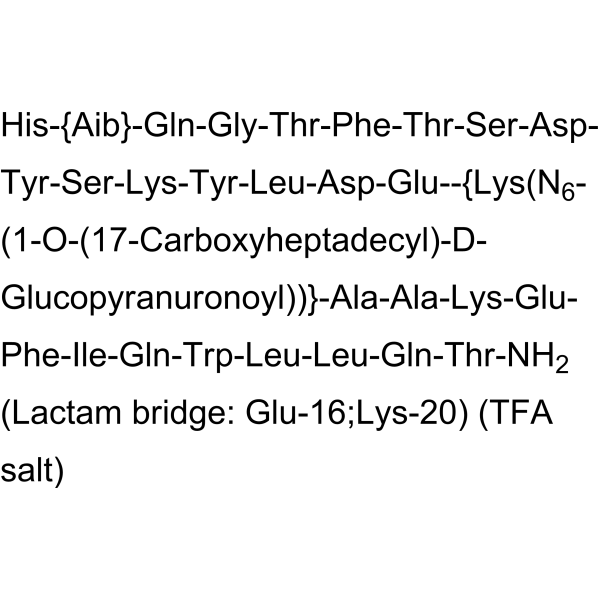
Pemvidutide TFA
Original price was: $36.00.$26.00Current price is: $26.00.
Pemvidutide TFA (ALT-801) is a synthetic dual agonist of GLP-1 and glucagon receptors (GLP-1R/GCGR). It has shown potent anti-obesity and liver-protective effects, making it a valuable research tool for non-alcoholic steatohepatitis (NASH), obesity, and metabolic dysfunction studies.
Description
Contents
hide
Product Description
Pemvidutide TFA (ALT-801, trifluoroacetate salt) represents one of the most advanced dual-incretin peptides currently under investigation. It is designed to activate both glucagon-like peptide-1 receptor (GLP-1R) and glucagon receptor (GCGR), providing a unique pharmacological balance between glucose regulation, appetite suppression, and lipid metabolism.
Background and Rationale
The global epidemic of obesity and non-alcoholic steatohepatitis (NASH) has become a critical public health challenge. According to recent estimates, more than 650 million adults worldwide suffer from obesity, and up to 25% of the adult population may have non-alcoholic fatty liver disease (NAFLD), with NASH being the progressive and more harmful form. Traditional therapies, such as lifestyle modification, GLP-1 analogues, and bariatric surgery, have shown benefits but remain insufficient to address both body weight control and hepatic lipid accumulation simultaneously.
Pemvidutide TFA is an optimized dual incretin agonist, specifically designed to achieve:
GLP-1R mediated glycemic control and appetite suppression
GCGR mediated lipid mobilization and thermogenesis
This combination is thought to provide synergistic weight loss and liver fat reduction while maintaining metabolic stability.
Research Value
Studies suggest that Pemvidutide achieves striking reductions in body weight, liver fat, and serum triglycerides. In clinical development programs, participants experienced not only reduced adiposity but also improvements in biomarkers of liver function, systemic insulin sensitivity, and lipid metabolism.
As a TFA salt, Pemvidutide exhibits superior solubility and stability compared to its free form, making it easier to handle in experimental settings. This ensures reproducibility and consistency across laboratory models.
Application Areas
Obesity Research – Appetite suppression, increased satiety, weight reduction.
NASH Research – Reduction of hepatic fat, improved fibrosis biomarkers, decreased inflammation.
Metabolic Disorders – Regulation of insulin sensitivity, lipid metabolism, and glucose homeostasis.
Cardiometabolic Disease – Potential impact on atherosclerosis and dyslipidemia.
Product Specifications
| Item | Details |
|---|---|
| Product Name | Pemvidutide TFA (ALT-801 TFA) |
| Synonyms | ALT-801, GLP-1R/GCGR dual agonist peptide |
| CAS No. | Research use only (not publicly disclosed) |
| Molecular Type | Synthetic peptide (TFA salt) |
| Targets | GLP-1 receptor (GLP-1R), Glucagon receptor (GCGR) |
| Mechanism | Dual agonism, incretin + glucagon signaling |
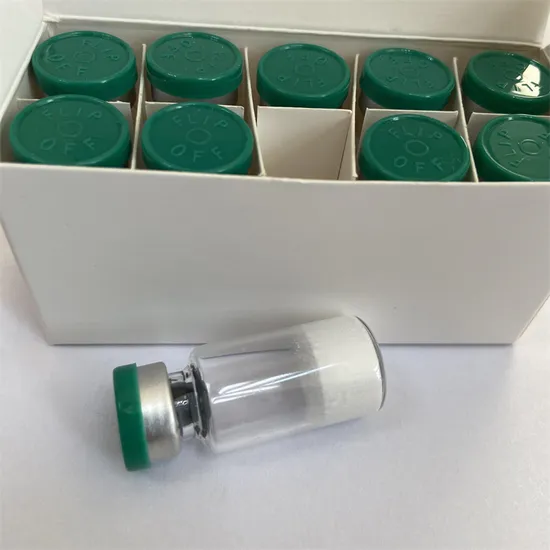
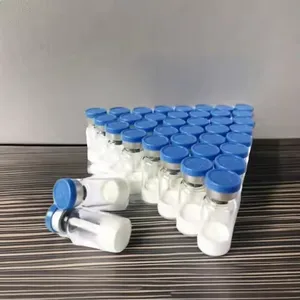
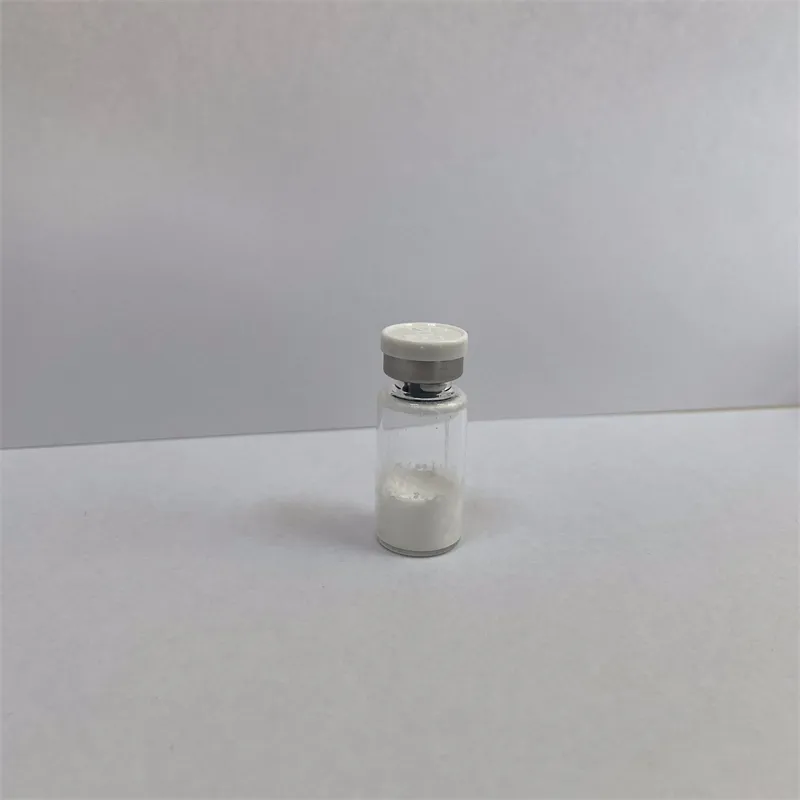
| Appearance | White/off-white lyophilized powder |
| Purity | ≥98% (HPLC validated) |
| Solubility | Soluble in water, PBS, DMSO |
| Storage | -20°C, protected from light and moisture |
| Stability | ≥12 months when stored properly |
| Delivery Form | Lyophilized powder in sealed vials |
| Applications | Obesity, NASH, metabolic research |
Extended Technical Notes
Peptide Backbone: The molecule is chemically optimized for receptor binding affinity and resistance to enzymatic degradation.
Salt Form Advantage: The TFA salt improves aqueous solubility, enabling accurate dose-response assessments in preclinical studies.
Quality Control: Each batch undergoes rigorous HPLC and mass spectrometry validation to ensure reproducibility.
Storage Stability: Stability testing confirms reliable activity after long-term frozen storage.
Laboratory Applications: Suitable for cell-based assays, in vivo metabolic studies, and comparative incretin research.
Mechanism of Action
Pemvidutide TFA exerts its effects by simultaneously activating GLP-1R and GCGR. This dual agonism leads to complementary metabolic outcomes.
GLP-1R Signaling
Activation of GLP-1R promotes:
Insulin secretion in a glucose-dependent manner.
Suppression of glucagon secretion under hyperglycemia.
Delayed gastric emptying, leading to prolonged satiety.
Appetite regulation through central nervous system pathways (hypothalamus).
GCGR Signaling
Activation of GCGR contributes to:
Increased hepatic lipid oxidation, reducing intrahepatic fat.
Energy expenditure via enhanced thermogenesis.
Mobilization of stored triglycerides, improving systemic lipid profiles.
Dual Synergy
Unlike single agonists, Pemvidutide achieves:
Enhanced weight loss through appetite suppression (GLP-1R) + fat burning (GCGR).
NASH benefit by directly reducing liver fat while preventing further accumulation.
Improved cardiovascular risk factors, including lipid modulation and insulin sensitivity.
Comparative Mechanistic Insights
Compared with semaglutide (GLP-1 agonist only): Pemvidutide shows greater impact on hepatic steatosis.
Compared with pure glucagon agonists: Pemvidutide avoids excessive hyperglycemia by maintaining GLP-1 mediated insulin control.
This balance suggests that dual agonists may represent the next generation of incretin-based therapies.

Side Effects
While Pemvidutide TFA is promising, potential research-observed adverse effects must be considered:
Gastrointestinal Effects
Nausea, vomiting, and diarrhea are common in incretin-based peptides.
Dose titration in preclinical studies reduces GI-related dropout.
Metabolic Considerations
Hyperglycemia risk: GCGR activation can raise fasting glucose, but balanced by GLP-1 insulinotropic effect.
Hypoglycemia is rare due to glucose-dependent insulin secretion.
Hepatic and Pancreatic Safety
Animal models show improved hepatic profiles, but long-term safety requires monitoring of liver enzymes.
GLP-1 based compounds have raised questions regarding pancreatic safety; careful dose-dependent analysis is advised.
Cardiovascular Outcomes
GLP-1 agonists are generally cardioprotective; however, dual agonism warrants careful study of blood pressure and heart rate variability.
Laboratory Handling Risks
Like all peptides, handling should be done with protective gloves, lab coats, and sterile equipment.
Product is for research use only, not suitable for diagnostic or therapeutic application.
Disclaimer
Pemvidutide TFA is supplied for laboratory research use only. Not approved for human consumption, diagnostic use, or therapeutic application.
Keywords
Pemvidutide TFA, ALT-801 peptide, dual GLP-1R GCGR agonist, obesity research compound, NASH peptide research, incretin-based therapy, liver fat reduction peptide, metabolic disorder peptide.
Shipping Guarantee
All products are shipped with full customs clearance support.
Worldwide delivery with careful packaging to ensure peptide stability.
Any damage or loss during transport is covered by full compensation.
Transaction Guarantee
Multiple secure payment options: T/T, PayPal, Cryptocurrency, and others upon request.
Transparent order tracking and dedicated support team.
Buyer protection ensures safe and reliable transactions.

Additional information
| Weight | 0.8 kg |
|---|---|
| Dimensions | 56 × 26 × 56 cm |
What is Pemvidutide TFA?
A dual GLP-1R/GCGR agonist peptide salt designed for obesity and NASH research.
Why use the TFA salt form?
The TFA salt provides enhanced solubility and long-term stability compared to the free peptide.
What research fields is it most relevant for?
Obesity, non-alcoholic steatohepatitis (NASH), metabolic dysfunction, and cardiovascular risk studies.
How is it different from semaglutide?
Semaglutide only targets GLP-1R, while Pemvidutide targets both GLP-1R and GCGR, offering superior liver fat reduction.
How should it be stored?
At -20°C, desiccated, and away from light for long-term stability.
Is it suitable for human use?
No, this product is strictly for laboratory research only.
What is the purity of the product?
≥98% confirmed by HPLC and mass spectrometry.
How is it delivered?
As a sterile, lyophilized peptide powder in sealed vials.
Does it affect blood sugar?
It may increase energy expenditure and lipid metabolism via GCGR, but GLP-1R activity balances glucose control.
Can it replace GLP-1 therapies in clinics?
Not approved for clinical use; it remains an experimental research compound.
Related products
Retatrutide Raw Material Factory: Low-Price Wholesale for High-Purity Peptides
Retatrutide MOQ 1 Box Source Dry Powder Original price was: $38.00.$22.00Current price is: $22.00.Wholesale Cibinetide Peptide Sterile Solution
Cibinetide Sterile Solution is a synthetic, tissue-protective erythropoietin-derived peptide engineered for research use in inflammation, neuroprotection, and cellular stress-response models. Its high purity, GMP-compliant preparation, and ready-to-use sterile formulation make it ideal for laboratories requiring consistent, reproducible peptide performance in advanced mechanistic studies.(For research use only. Not for human or veterinary use) Original price was: $38.00.$22.00Current price is: $22.00.Cosmetic Peptide Raw Material Factory – Low Price Wholesale Direct from China
Cosmetic Peptide Appearance: Lyophilized powder Dose 2mg 5mg 10mg 15mg 20mg Higher Original price was: $42.00.$22.00Current price is: $22.00.Factory Supply Peptide Healthcare 99% with Safe Delivery
Peptide Healthcare Usage Delta-Sleep Inducing Peptides Purity 99%Over Dose 2mg 5mg 10mg 15mg 20mg Highe Original price was: $28.00.$23.00Current price is: $23.00.


Reviews
There are no reviews yet.