
No products in the cart.
Sale


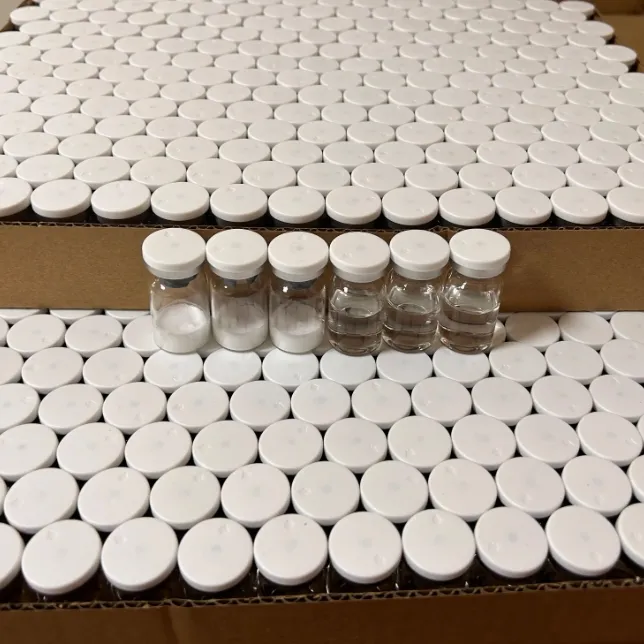
Pentagastrin 99%High Purity
Original price was: $36.00.$32.00Current price is: $32.00.
Pentagastrin is a synthetic peptide analog of gastrin used as a reference molecular probe in laboratory research to study gastrin receptor (CCK2R) signaling, GPCR-mediated pathways, and peptide–receptor interactions under controlled in vitro conditions.
Description
Contents
hide
Product Description
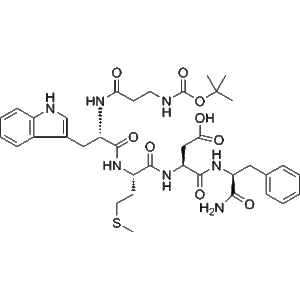
Pentagastrin is a synthetic pentapeptide analog of gastrin, engineered to replicate the biologically active C-terminal sequence responsible for gastrin receptor (cholecystokinin B receptor, CCK2R) recognition. Due to its well-defined structure, high purity, and reproducible receptor interaction profile, pentagastrin is widely regarded as a standard molecular probe in laboratory research focused on peptide–receptor interactions and GPCR-mediated signaling mechanisms.
From a chemical and structural standpoint, pentagastrin consists of a short, precisely sequenced peptide backbone that preserves the essential residues required for high-affinity binding to CCK2R. This minimal yet functionally active structure allows researchers to study receptor activation dynamics without the structural complexity associated with longer endogenous gastrin peptides. As a result, pentagastrin is frequently selected for mechanistic investigations where experimental clarity and signal specificity are critical.
In controlled in vitro systems, pentagastrin is used to initiate receptor-dependent intracellular signaling cascades, enabling detailed analysis of second messenger generation, calcium-dependent pathways, kinase activation, and transcriptional responses. Its predictable signaling behavior makes it suitable for assay development, method validation, and cross-platform comparison in molecular pharmacology and cell signaling research.
Pentagastrin is also commonly employed as a reference ligand in comparative studies involving gastrin analogs, receptor modulators, or peptide variants. By serving as a benchmark compound, it supports structure–activity relationship (SAR) analysis and facilitates interpretation of differences in receptor affinity, signaling efficacy, and pathway selectivity across experimental datasets.
Manufactured using solid-phase peptide synthesis (SPPS), pentagastrin is produced under tightly controlled conditions to ensure batch-to-batch consistency and high chemical integrity. Each batch undergoes rigorous analytical testing, including high-performance liquid chromatography (HPLC) for purity assessment and mass spectrometry (MS) for molecular identity confirmation. This level of quality control is essential for reproducible data generation in advanced laboratory research.
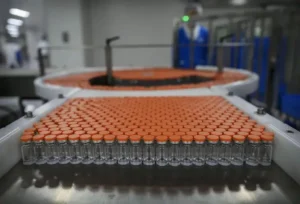
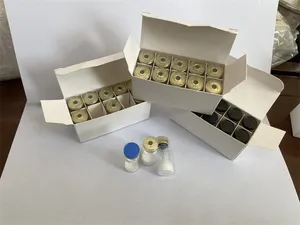
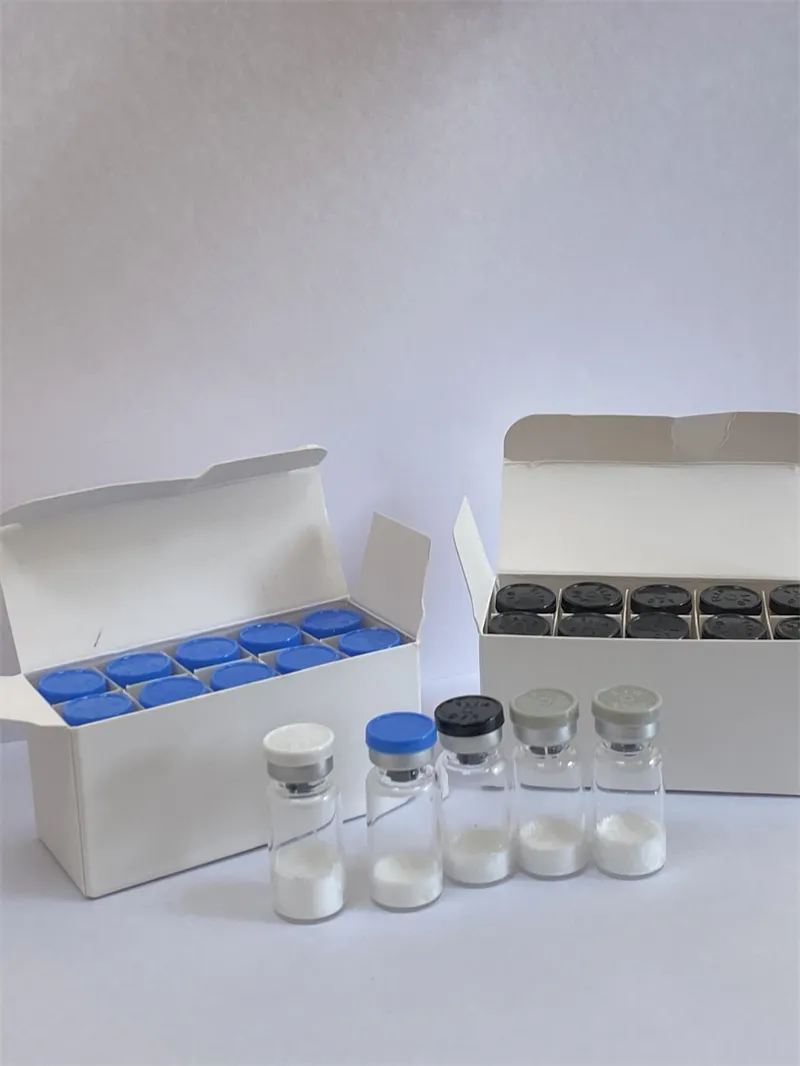
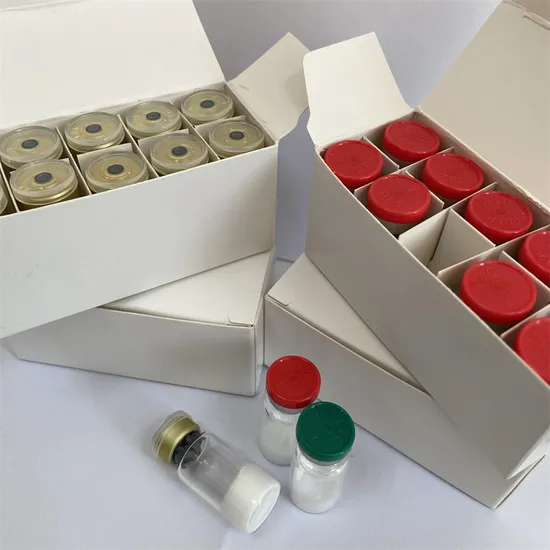
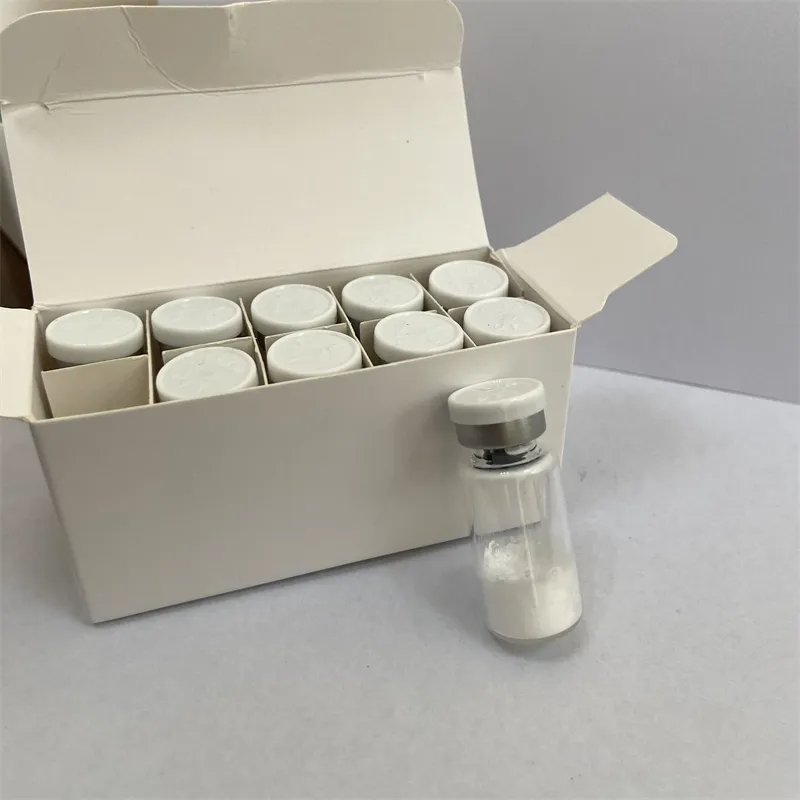
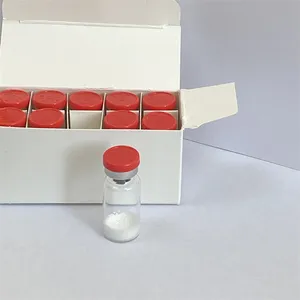
The product is supplied as a lyophilized powder, a format that enhances stability during storage and transport while allowing precise experimental reconstitution. Factory-direct manufacturing in China enables scalable production, cost efficiency, and stable bulk supply, supporting academic laboratories, contract research organizations (CROs), and industrial R&D groups engaged in peptide and GPCR-focused research.
Overall, pentagastrin represents a highly reliable research-grade peptide for studying gastrin receptor biology, GPCR signaling regulation, and peptide–receptor interaction mechanisms. Its defined molecular properties, consistent quality, and global wholesale availability make it an essential component in modern molecular and cellular research workflows.
Product Specifications
| Specification Item | Details |
|---|---|
| Product Name | Pentagastrin |
| Chemical Type | Synthetic Peptide |
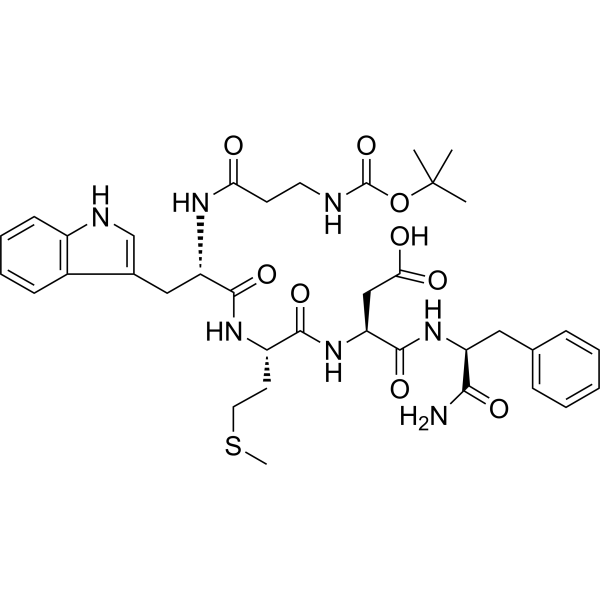
| Amino Acid Sequence | β-Ala–Trp–Met–Asp–Phe–NH₂ |
| Molecular Formula | C₂₂H₃₀N₆O₅S |
| Molecular Weight | ~474.6 g/mol |
| CAS Number | 5534-95-2 |
| Appearance | White to off-white lyophilized powder |
| Purity | ≥99% (HPLC) |
| Identity Verification | Mass Spectrometry (MS) |
| Salt/Form | Free peptide (amide-terminated) |
| Solubility | Soluble in water and standard aqueous laboratory buffers |
| Production Method | Solid-Phase Peptide Synthesis (SPPS) |
| Quality Control | HPLC purity, MS identity, batch traceability |
| Recommended Storage | −20 °C (long-term storage) |
| Stability | Stable under recommended storage and handling conditions |
| Application Grade | Research Use Only (RUO) |
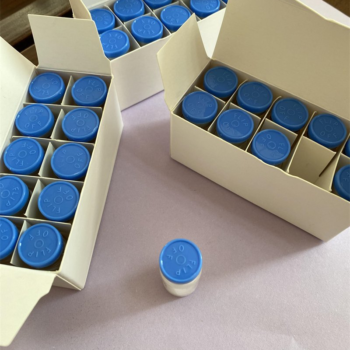
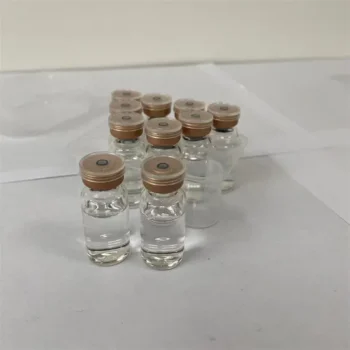
| Packaging Options | Vial packaging; bulk quantities available |
| Customization | Bulk supply, OEM labeling, documentation customization |
Pentagastrin Technical Notes
Pentagastrin is supplied as a high-purity lyophilized peptide, enabling precise control over experimental concentration and solution preparation. The amide-terminated C-terminal structure is critical for maintaining consistent interaction with the gastrin/CCK2 receptor, making this specification particularly suitable for receptor binding and signaling studies.
Purity is verified at ≥99% by analytical HPLC, ensuring that peptide-related impurities are minimized and do not interfere with sensitive molecular assays. Molecular identity confirmation by mass spectrometry guarantees accurate peptide composition and sequence fidelity, which is essential for reproducible in vitro experiments and comparative studies.
The product is synthesized via solid-phase peptide synthesis (SPPS) using validated protocols to ensure sequence accuracy and batch-to-batch consistency. Each production batch undergoes standardized quality control procedures, with full analytical documentation available to support internal laboratory quality systems and cross-study reproducibility.
Pentagastrin demonstrates good solubility in commonly used aqueous laboratory buffers, supporting flexible integration into diverse experimental workflows. When stored at recommended conditions, the lyophilized material maintains chemical stability, making it suitable for both short-term experimental use and long-term research programs.
Factory-direct manufacturing in China enables scalable bulk production, competitive wholesale pricing, and reliable global B2B export, supporting academic institutions, CROs, and industrial research partners requiring consistent peptide supply.
Mechanism of Action
Pentagastrin functions as a synthetic agonist of the gastrin/cholecystokinin B receptor (CCK2R), a class A G protein–coupled receptor (GPCR) extensively studied in molecular and cellular signaling research. By retaining the biologically active C-terminal motif of endogenous gastrin peptides, pentagastrin exhibits high-affinity interaction with the ligand-binding domain of CCK2R, enabling reproducible receptor activation in controlled in vitro systems.
Upon receptor engagement, pentagastrin induces conformational changes in CCK2R that promote coupling to Gαq/11 proteins, initiating downstream signal transduction cascades. This coupling activates phospholipase C (PLC), leading to the hydrolysis of phosphatidylinositol 4,5-bisphosphate (PIP₂) into the second messengers inositol 1,4,5-trisphosphate (IP₃) and diacylglycerol (DAG). IP₃-mediated calcium release from intracellular stores and DAG-dependent protein kinase C (PKC) activation represent key early signaling events triggered by pentagastrin.
Elevated intracellular calcium levels and PKC activity further propagate signaling through mitogen-activated protein kinase (MAPK) pathways, including ERK1/2 phosphorylation. These downstream signaling modules regulate a variety of transcriptional and post-translational processes that are commonly evaluated in receptor biology and GPCR signaling studies. Pentagastrin’s consistent ability to activate these pathways makes it a reliable probe for dissecting calcium-dependent and kinase-mediated signaling mechanisms.
In addition to signal initiation, pentagastrin is frequently used to investigate GPCR regulatory processes, such as receptor desensitization, internalization, and recycling. Prolonged or repeated receptor stimulation in vitro can lead to CCK2R phosphorylation, β-arrestin recruitment, and clathrin-mediated endocytosis. These processes are central to understanding receptor responsiveness, signal attenuation, and intracellular trafficking dynamics.
Because of its defined molecular structure and predictable signaling profile, pentagastrin serves as a benchmark ligand in comparative studies evaluating novel gastrin analogs or receptor modulators. Its mechanistic clarity supports quantitative analysis of ligand efficacy, pathway engagement, and receptor coupling efficiency within controlled laboratory environments.
Applications
Pentagastrin is widely applied as a research-grade synthetic peptide in laboratory studies focused on gastrin receptor (CCK2R) biology, GPCR signaling mechanisms, and peptide–receptor interactions. Its well-defined molecular structure and reproducible receptor activation profile make it an essential tool for mechanistic investigations conducted under controlled in vitro conditions.
Receptor Binding and Pharmacological Profiling
In receptor pharmacology research, pentagastrin is frequently used in ligand–receptor binding assays to characterize CCK2R affinity, binding kinetics, and competitive displacement. Radioligand-based and fluorescence-based platforms utilize pentagastrin as a reference ligand to benchmark novel gastrin analogs or receptor modulators. These applications support detailed structure–activity relationship (SAR) analyses and receptor selectivity assessments.
Intracellular Signaling Pathway Analysis
Pentagastrin is extensively employed in studies examining GPCR-mediated intracellular signaling cascades. In CCK2R-expressing cell systems, it is used to trigger calcium mobilization, PKC activation, and MAPK/ERK pathway engagement. These experiments provide insights into second messenger dynamics, signal amplification, and pathway crosstalk at the molecular level.
GPCR Regulation and Trafficking Studies
Beyond signal initiation, pentagastrin is valuable for investigating receptor regulation processes, including desensitization, internalization, and recycling. Imaging-based assays and biochemical approaches leverage pentagastrin-induced receptor activation to examine β-arrestin recruitment, endocytic trafficking, and receptor resensitization dynamics.
Gene Expression and Transcriptional Research
Pentagastrin is also applied in gene expression studies to evaluate downstream transcriptional responses following CCK2R activation. Experimental platforms may include reporter gene assays, quantitative PCR, or transcriptomic analyses to map receptor-driven regulatory networks within defined cellular systems.
Comparative and Systems-Level Research
As a benchmark gastrin analog, pentagastrin is commonly integrated into comparative research frameworks that assess ligand efficacy, signaling bias, or pathway preference. Data generated from these studies are often incorporated into systems biology and computational models, supporting quantitative interpretation of GPCR signaling behavior and predictive modeling.
Collectively, these applications underscore pentagastrin’s role as a versatile molecular probe for advanced research into GPCR function, peptide signaling, and receptor-mediated intracellular processes in laboratory environments.

Research Models
Pentagastrin is extensively utilized across a range of in vitro research models designed to investigate gastrin/cholecystokinin B receptor (CCK2R)–mediated signaling mechanisms, receptor regulation, and peptide–receptor interaction dynamics. Its defined peptide structure and consistent receptor activation profile support reproducible experimentation across diverse laboratory platforms.
CCK2R-Expressing Cell Line Models
A primary research model involves cultured cell lines engineered to express CCK2R, including transiently or stably transfected systems. These models allow precise evaluation of ligand–receptor binding, signaling efficacy, and downstream pathway activation under controlled conditions. Pentagastrin is commonly applied as a reference agonist to normalize responses and compare receptor activation parameters across experiments.
Endogenous Receptor Cell Models
Pentagastrin is also used in cell systems that endogenously express CCK2R, enabling investigation of receptor signaling within a native cellular context. These models support studies of calcium signaling, kinase activation, and transcriptional responses while maintaining experimental control characteristic of in vitro research.
Second Messenger and Reporter Assay Models
Research models incorporating second messenger detection platforms, such as calcium-sensitive fluorescent probes, IP₃ assays, and luciferase-based reporter constructs, are widely used with pentagastrin. These systems provide quantitative, time-resolved measurement of GPCR signaling events and are suitable for dose–response and pathway bias analyses.
Receptor Trafficking and Imaging Models
Advanced imaging-based models employ pentagastrin to examine CCK2R internalization, intracellular trafficking, and recycling dynamics. Fluorescent receptor tagging, confocal microscopy, and live-cell imaging enable spatial and temporal characterization of receptor regulation following ligand engagement.
Comparative and Integrative Research Models
Pentagastrin frequently serves as a benchmark compound in comparative research models assessing novel gastrin analogs or receptor modulators. Data generated across multiple model systems can be integrated to support systems-level analysis of GPCR signaling behavior and receptor regulatory mechanisms.
Overall, these research models highlight pentagastrin as a robust and versatile molecular tool for probing CCK2R function, GPCR signaling architecture, and peptide-driven cellular responses within controlled laboratory environments.

Experimental Design Considerations
When incorporating pentagastrin into controlled in vitro research workflows, careful experimental design is essential to ensure reproducibility, mechanistic clarity, and reliable interpretation of results. As a synthetic peptide ligand with defined affinity for the gastrin/cholecystokinin B receptor (CCK2R), pentagastrin should be evaluated within appropriately optimized concentration ranges to avoid receptor saturation or non-specific signaling effects.
Selection of suitable CCK2R-expressing cell models is a critical first step. Researchers should confirm receptor expression levels, signaling competency, and baseline activity prior to experimental use. Differences in receptor density or coupling efficiency may significantly influence observed signaling magnitude, particularly in calcium mobilization and kinase activation assays.
Temporal parameters should be precisely controlled, as CCK2R signaling exhibits time-dependent dynamics, including rapid second messenger generation followed by receptor desensitization and internalization. Short exposure designs are recommended for early signaling studies, while extended incubation protocols may be employed to examine receptor regulatory processes.
Pentagastrin is frequently used as a reference ligand in comparative studies. Inclusion of appropriate positive controls, negative controls, and vehicle controls supports normalization across experiments and enables meaningful comparison of signaling outcomes. Replicate measurements and independent experimental repeats are strongly recommended to ensure statistical robustness.
Finally, standardized handling procedures, buffer composition, and environmental conditions should be maintained throughout the study. Detailed documentation of experimental parameters and reagent batch information further supports data consistency, particularly in multi-project or collaborative research settings.

Laboratory Safety & Handling Guidelines
Pentagastrin is a synthetic peptide reagent intended strictly for laboratory research use and should be handled in accordance with established chemical and biochemical safety protocols. All personnel working with this material should be trained in peptide handling procedures and operate within controlled laboratory environments equipped with appropriate safety infrastructure.
Handling of pentagastrin should be performed using personal protective equipment (PPE), including laboratory gloves, protective clothing, and safety eyewear, to minimize accidental skin or eye exposure. Although pentagastrin is not classified as acutely hazardous at research-scale quantities, direct contact and inhalation of powders or aerosols should be avoided. Work involving reconstitution or dilution should be conducted in a clean bench or biosafety cabinet where feasible.
Pentagastrin is typically supplied as a lyophilized powder and should be reconstituted using sterile, research-grade solvents or buffers as specified in experimental protocols. Solutions should be prepared under aseptic conditions to prevent contamination. Reconstituted solutions are recommended to be aliquoted into single-use volumes to reduce repeated freeze–thaw cycles, which may compromise peptide integrity and biological activity.
Storage conditions are critical for maintaining product stability. Lyophilized pentagastrin should be stored at −20 °C or below, protected from light and moisture. Once reconstituted, solutions should be stored at low temperatures according to stability data and discarded if signs of degradation, precipitation, or microbial contamination are observed.
Waste materials containing pentagastrin, including residual solutions, contaminated consumables, and packaging, should be disposed of in accordance with institutional chemical waste disposal guidelines. Disposal procedures should comply with local regulatory requirements and laboratory safety policies.
Comprehensive documentation, including batch numbers, preparation dates, storage conditions, and usage records, is strongly recommended. Maintaining detailed handling logs enhances traceability, supports reproducibility, and facilitates quality assurance in long-term or multi-center research programs.
Integration with Multi-Omic & Computational Studies
Pentagastrin serves as a valuable molecular probe for integration into multi-omic research frameworks, supporting advanced investigations into peptide–receptor interactions, signaling cascades, and regulatory networks at multiple biological layers. Its well-defined structure and receptor specificity enable controlled experimental perturbations suitable for systems-level analysis.
In transcriptomic studies, pentagastrin is frequently incorporated into in vitro stimulation models to examine downstream gene expression patterns associated with gastrin-responsive signaling pathways. High-throughput RNA sequencing (RNA-seq) and quantitative transcript profiling can be applied to identify differentially expressed genes, transcription factor activation signatures, and pathway enrichment profiles following receptor engagement.
From a proteomics perspective, pentagastrin-mediated signaling can be explored using mass spectrometry–based approaches, including phosphoproteomics and targeted protein quantification. These methods allow precise mapping of intracellular signal transduction events, post-translational modifications, and dynamic protein–protein interaction networks initiated at the receptor level.
Pentagastrin also integrates effectively into metabolomic analyses, where its use in controlled cellular systems facilitates the investigation of metabolic pathway modulation and biochemical flux changes. Coupling metabolomic datasets with transcriptomic and proteomic outputs enables comprehensive cross-omic correlation and mechanistic interpretation.
Computational modeling plays a critical role in contextualizing these datasets. Molecular docking, receptor–ligand modeling, and molecular dynamics simulations are commonly employed to characterize binding conformations and interaction energetics. Additionally, systems biology tools such as network modeling, pathway reconstruction, and machine-learning–based data integration support hypothesis generation and predictive modeling.
Overall, pentagastrin’s compatibility with multi-omic platforms and computational pipelines makes it a robust reference compound for integrative, data-driven research aimed at elucidating peptide-mediated signaling mechanisms in complex biological systems.

Keywords
Pentagastrin peptide, gastrin receptor ligand, CCK2 receptor research, synthetic peptide high purity, GPCR signaling in vitro, peptide reference standard, factory manufactured peptide, China B2B wholesale
Shipping Guarantee
All Pentagastrin shipments are packaged using secure, research-grade materials to maintain chemical and structural integrity during international transit. Temperature-controlled logistics are employed when necessary to preserve peptide stability. Each shipment undergoes inspection for completeness and compliance with documentation standards. Global shipping channels are optimized for delivery to laboratories and research institutions. Customers receive detailed tracking and verification information to ensure reliability.
Trade Assurance
Factory-direct manufacturing ensures strict batch traceability, consistent high purity, and validated analytical documentation. Long-term bulk and wholesale cooperation is available to support academic, industrial, and contract research organization (CRO) programs. OEM and customized packaging services can be arranged based on research needs. Quality assurance procedures are documented to support laboratory compliance requirements. Verified export processes guarantee secure and timely international delivery.
Payment Support
Multiple secure payment methods are supported to facilitate international procurement. Credit card payments are accepted for standard orders. T/T (Telegraphic Transfer) is available for bulk or recurring purchases. Encrypted cryptocurrency payment options are also supported for added transaction security. All payment processes comply with established B2B trade standards and financial regulations.
Disclaimer
Pentagastrin is strictly for laboratory research use only. It is not intended for diagnostic, therapeutic, or any non-research applications. All information provided is intended solely for scientific, educational, and experimental reference within controlled laboratory environments. Users must follow institutional safety and handling protocols. The manufacturer disclaims liability for misuse outside authorized laboratory settings.
References
PubChem – Pentagastrin (CAS 5534‑95‑2)
Comprehensive chemical summary including structure, identifiers, and peptide properties. 米尔波尔西格玛DrugBank – Gastrin/Cholecystokinin B Receptor and Pentagastrin Action
Authoritative pharmacological overview of the gastrin/CCK‑B receptor and agonist interaction profile. DrugBankPubMed – Cholecystokinin and Gastrin Receptors Review
Peer‑reviewed overview of CCK receptors, including CCK2R relevant to pentagastrin receptor studies. PubMedPubMed – Characterization of gastrin‑CCK2 receptor interaction
Research article describing key molecular determinants of gastrin‑family peptide interaction with CCK2R. PubMedFrontiers in Pharmacology – Molecular Determinants of Pentagastrin/CCK2R Binding
Original research on structural and dynamic determinants of peptide engagement with CCK2R. Frontiers

Additional information
| Weight | 1 kg |
|---|---|
| Dimensions | 26 × 23 × 26 cm |
What is Pentagastrin used for in research?
Pentagastrin is a synthetic peptide used as a reference ligand to study gastrin receptor (CCK2R) signaling in vitro. It facilitates investigations of receptor-mediated intracellular cascades, calcium flux, and kinase activation. Researchers use it to benchmark receptor responses and compare ligand efficacy.
Which receptor does Pentagastrin target?
Pentagastrin selectively binds to the cholecystokinin B receptor (CCK2R). This interaction initiates Gαq/11-mediated signaling pathways. Its high receptor specificity makes it ideal for mechanistic studies.
Is Pentagastrin chemically synthesized?
Yes, Pentagastrin is produced via solid-phase peptide synthesis (SPPS). This ensures consistent peptide sequence, high purity, and reproducibility across batches. Analytical verification is conducted using HPLC and mass spectrometry.
What purity is provided?
The product has a purity of ≥99% as verified by HPLC. This high purity minimizes interference in receptor binding and signaling assays. It ensures reliability in quantitative and comparative experiments.
Can Pentagastrin be used as a reference ligand?
Yes, it serves as a benchmark compound for ligand-receptor studies. Researchers use it in competitive binding assays, structure–activity relationship analyses, and signaling pathway characterization. Its reproducible activity supports standardized experimentation.
Which experimental systems are compatible?.
Pentagastrin is compatible with CCK2R-expressing cell lines, including transfected and endogenous receptor models. It is suitable for calcium mobilization, kinase activity assays, reporter gene studies, and imaging-based receptor trafficking experiments.
Is Pentagastrin suitable for multi-omic studies?
Yes, it can be incorporated into transcriptomic, proteomic, and phosphoproteomic studies. These applications allow mapping of receptor-mediated pathways and integration with computational modeling for systems biology analysis.
How should Pentagastrin be stored?
Lyophilized Pentagastrin should be stored at −20 °C, protected from light and moisture. Reconstituted solutions should be aliquoted to minimize freeze–thaw cycles. Proper storage preserves peptide integrity and signaling activity.
Can it be used for receptor internalization studies?
Yes, Pentagastrin effectively induces CCK2R internalization and β-arrestin recruitment in vitro. Imaging and biochemical assays can capture receptor trafficking dynamics. It is widely used to study receptor desensitization mechanisms.
Is it available in bulk or customized formats?
Yes, the peptide is offered in bulk quantities and supports OEM/custom packaging. This facilitates large-scale laboratory use and integration into multi-project research pipelines. Batch documentation is provided for quality assurance.
How is solubility ensured for experimental use?
Pentagastrin is soluble in water and standard aqueous buffers. Researchers should use sterile, analytical-grade solvents for reconstitution. Proper solubilization ensures uniform assay conditions.
Is analytical documentation provided?
Yes, each batch comes with a Certificate of Analysis (COA) and quality verification data. This includes HPLC purity and mass spectrometry confirmation. Documentation supports reproducibility and regulatory compliance.
Can it be used in signaling bias studies?
Yes, Pentagastrin serves as a reference agonist in evaluating pathway-selective signaling responses. Comparative studies of receptor modulators or peptide analogs can be performed using standardized assay conditions.
Are there recommended handling precautions?
Standard laboratory safety practices should be followed, including PPE use, controlled environment handling, and avoidance of inhalation or skin contact. Lyophilized material should be handled under clean conditions to maintain peptide integrity.
Is Pentagastrin intended for non-research applications?
No, Pentagastrin is strictly for laboratory research use. It is not intended for diagnostic, therapeutic, or any in vivo application. All use should remain within controlled experimental environments.
Related products
Top Quality Peptides Lyophilized Powder – Reta Trutide Fitness and Weight Loss Peptide in Stock | Factory Wholesale
Peptides Function Weight Loss Peptides Moq:10 vials per box Original price was: $38.00.$22.00Current price is: $22.00.GLP-1/GIP/glucagon combination therapy The Future of Metabolic Treatment (Wholesale Supplier Guide)
GLP-1/GIP/glucagon combination therapy Original price was: $38.00.$23.00Current price is: $23.00.Retatrutide cost with insurance
Retatrutide cost with insurance Original price was: $38.00.$26.00Current price is: $26.00.Best Price with Peptides 10mg Vials – High-Purity Weight Loss Peptide in Stock with Safe Delivery
Weight Loss Peptide Moq: 10 vials per box Package: plastic or paper box Purity:99% Original price was: $36.00.$24.00Current price is: $24.00.

Reviews
There are no reviews yet.