
No products in the cart.
Sale
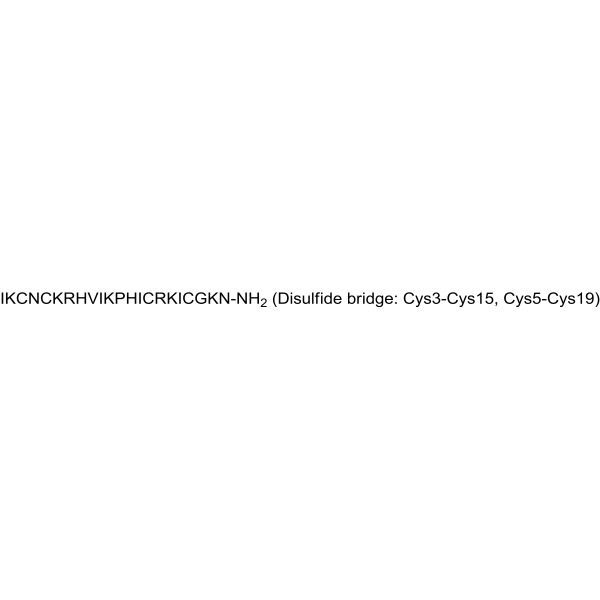
Peptide 401 – High Purity Research Peptide for Vascular Permeability Studies
Original price was: $22.00.$18.00Current price is: $18.00.
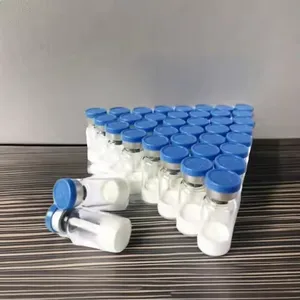
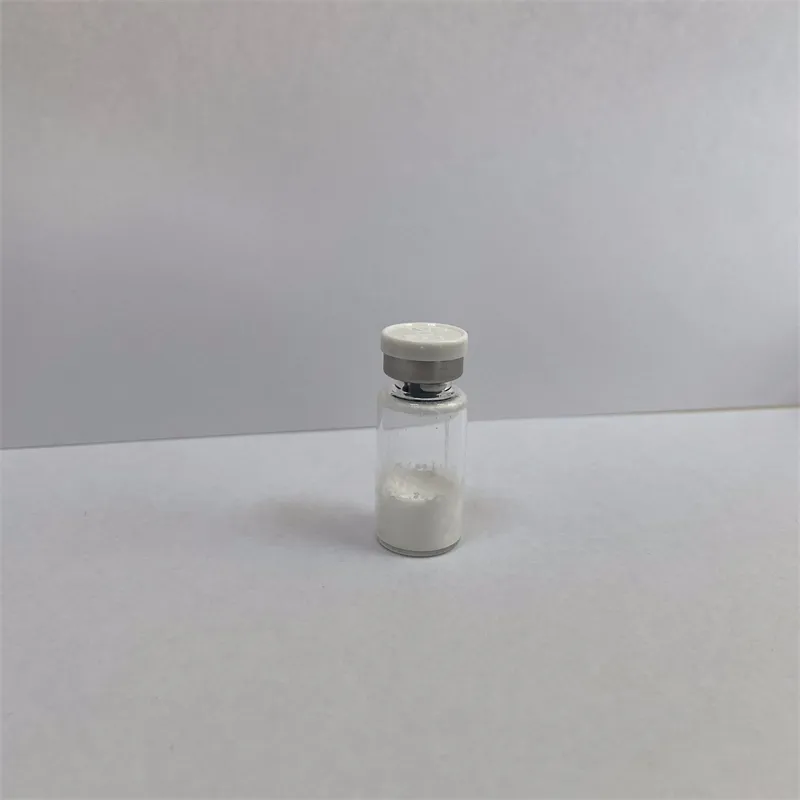
Peptide 401 (CAS 32908-73-9) is a bioactive peptide isolated from bee venom, recognized for its ability to induce mast cell degranulation and regulate vascular permeability. With 97.86% purity and GMP-grade manufacturing, Peptide 401 is a reliable choice for laboratory research in immunology, pharmacology, and vascular biology. Available for wholesale and retail supply. For research use only.?If you need to place an order or inquire about wholesale product prices, specifications and uses, please contact our staff?
Description
Peptide 401 is a well-characterized peptide compound originating from bee venom that has garnered scientific interest due to its potent ability to trigger mast cell degranulation. This bioactivity makes it particularly relevant in the study of immune responses, inflammatory reactions, and vascular permeability. By modulating mast cell function, Peptide 401 provides a powerful research tool for understanding the mechanisms of allergic reactions, inflammatory pathways, and vascular regulation.
One of the most notable properties of Peptide 401 is its capacity to suppress vascular permeability induced by smooth muscle spasmogens such as histamine and serotonin (5-HT). Since these mediators play key roles in inflammatory processes and allergic responses, Peptide 401 allows researchers to dissect the fine balance between mediator release, mast cell biology, and vascular reactivity.
This peptide, produced under GMP-certified conditions, is supplied in high purity (97.86%), ensuring reproducibility and reliability in experimental studies. Its unique mode of action and bioactive profile make it a valuable candidate for diverse research domains including:
Mast cell biology and immune cell signaling
Vascular permeability and endothelial regulation
Allergic inflammation and hypersensitivity models
Smooth muscle contraction and mediator release mechanisms
Venom-derived bioactive peptide pharmacology
By integrating Peptide 401 into controlled experimental settings, scientists can gain novel insights into how mast cells interact with other components of the immune system and vasculature.
For laboratory research use only. Not intended for human or veterinary applications.
Product Specifications
| Parameter | Details |
|---|---|
| Product Name | Peptide 401 |
| Synonyms | Mast Cell Degranulating Factor (Bee Venom Peptide) |
| CAS Number | 32908-73-9 |
| Molecular Origin | Bioactive peptide from bee venom |
| Purity | 97.86% (HPLC) |
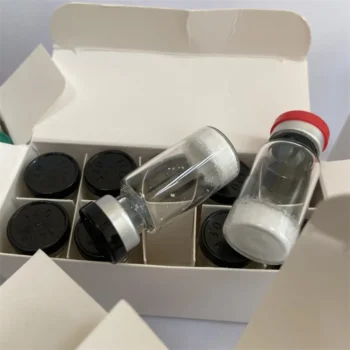
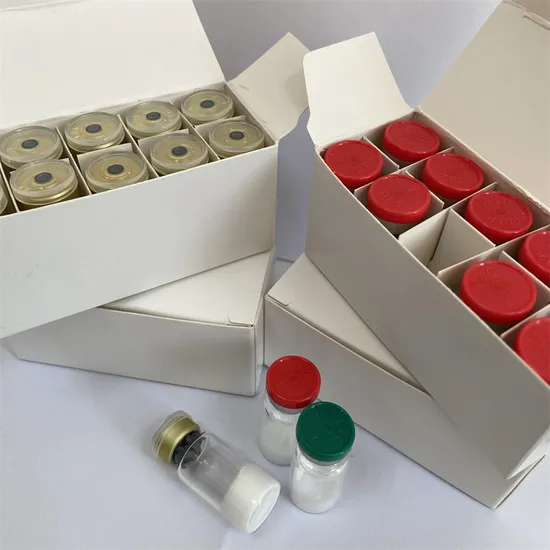
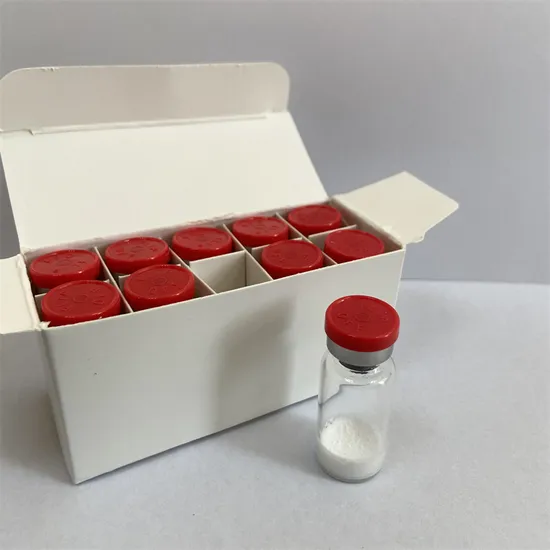
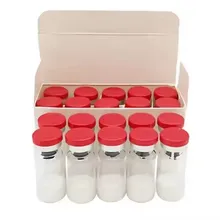
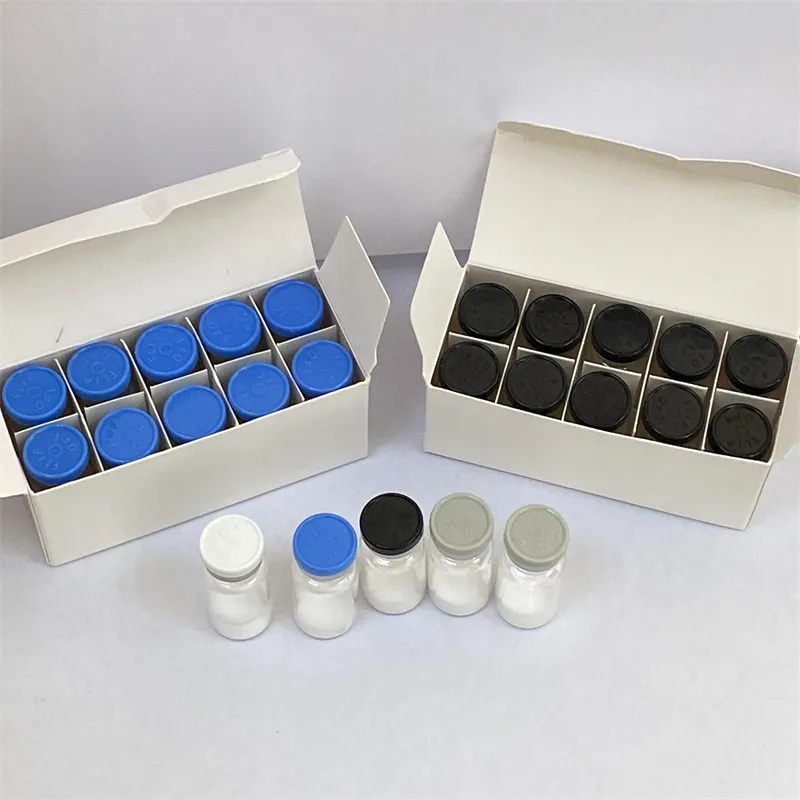
| Appearance | Lyophilized white to off-white peptide powder |
| Solubility | Soluble in water and aqueous buffers |
| Stability | Stable for long-term storage at -20°C; avoid repeated freeze-thaw cycles |
| Storage | Store at -20°C under inert conditions |
| Application | Research use in mast cell biology, vascular permeability, inflammation |
| GMP Compliance | Manufactured in GMP-certified facility |
| Availability | Offered in bulk (wholesale) and small-scale (retail) supply |
Mechanism of Action & Research Applications
Peptide 401 exerts its biological activity primarily through mast cell degranulation. Mast cells are immune cells rich in histamine and other inflammatory mediators that are rapidly released upon activation. Peptide 401 directly stimulates these cells, resulting in the release of histamine, serotonin (5-HT), and other vasoactive compounds. This process significantly influences vascular permeability, smooth muscle contraction, and immune cell recruitment.
In research settings, Peptide 401 is employed to model and analyze:
Mast cell activation and mediator release – allowing scientists to study allergic reactions, hypersensitivity disorders, and potential therapeutic inhibitors.
Vascular permeability modulation – Peptide 401 suppresses the increase in vascular leakage caused by smooth muscle spasmogens such as histamine and serotonin, making it relevant for vascular biology studies.
Pharmacological testing – Researchers can utilize Peptide 401 to evaluate novel anti-inflammatory or anti-allergic compounds.
Toxin and venom research – As a bee venom-derived peptide, it helps explore the therapeutic and pathophysiological relevance of natural toxins.
Inflammatory disease models – Its ability to regulate permeability and degranulation makes it useful in models of asthma, arthritis, and hypersensitivity.
Thus, Peptide 401 serves as both a research probe for understanding immune-vascular interactions and as a pharmacological tool for identifying potential drug targets in inflammatory diseases.
Side Effects (For Reference in Models)
While Peptide 401 is strictly intended for laboratory research, its known biological activity suggests possible side effects in model systems:
Histamine release – leading to vasodilation, itching, or local inflammation.
Increased vascular permeability – though it paradoxically suppresses mediator-induced leakage, mast cell activation itself may alter vascular stability.
Smooth muscle effects – contraction or spasm due to histamine and serotonin release.
Immune modulation – altered immune responses depending on experimental context.
Inflammatory response – excessive mediator release may contribute to tissue inflammation.
These effects should be carefully monitored in laboratory settings to ensure reproducibility and reliability of research outcomes.
Note: All listed effects are based on research observations in laboratory models. Peptide 401 is not intended for medical use.
Disclaimer
Peptide 401 is intended solely for laboratory research purposes. It is not approved for human consumption, medical use, or veterinary applications. All handling should be performed by trained professionals in compliance with laboratory safety standards.
Keywords
Peptide 401
Bee venom peptide
Mast cell degranulating factor
Vascular permeability research peptide
Inflammation research peptide
GMP peptide supplier
Immunology research peptides
Mast cell biology peptides
Additional information
| Weight | 0.8 kg |
|---|---|
| Dimensions | 85 × 53 × 85 cm |
What is Peptide 401?
Peptide 401 is a mast cell degranulating factor isolated from bee venom, used in research on immune responses, inflammation, and vascular permeability.
What is the CAS number of Peptide 401?
The CAS number of Peptide 401 is 32908-73-9.
What is the purity of Peptide 401?
Peptide 401 is manufactured at a purity level of 97.86%, tested by HPLC.
What are the main research applications of Peptide 401?
Peptide 401 is used in studies of mast cell biology, vascular permeability regulation, inflammatory disease models, and venom peptide pharmacology.
How does Peptide 401 work?
Peptide 401 induces mast cell degranulation, leading to the release of histamine, serotonin, and other mediators that influence vascular and immune responses.
Is Peptide 401 produced in a GMP facility?
Yes, Peptide 401 is manufactured in a GMP-certified facility to ensure quality and reproducibility.
Can Peptide 401 be used in human therapy?
No, Peptide 401 is strictly intended for laboratory research use and is not approved for therapeutic use.
How should Peptide 401 be stored?
It should be stored at -20°C under inert atmosphere and protected from repeated freeze-thaw cycles.
What makes Peptide 401 unique compared to other research peptides?
Its origin from bee venom and its potent mast cell degranulating activity make it a unique and valuable tool for studying immune and vascular mechanisms.
Can I purchase Peptide 401 in bulk?
Yes, Peptide 401 is available for both wholesale and retail supply to meet diverse laboratory research needs.
Related products
GLP-1/GIP/glucagon combination therapy The Future of Metabolic Treatment (Wholesale Supplier Guide)
GLP-1/GIP/glucagon combination therapy Original price was: $38.00.$23.00Current price is: $23.00.Wholesale Cibinetide Peptide Sterile Solution
Cibinetide Sterile Solution is a synthetic, tissue-protective erythropoietin-derived peptide engineered for research use in inflammation, neuroprotection, and cellular stress-response models. Its high purity, GMP-compliant preparation, and ready-to-use sterile formulation make it ideal for laboratories requiring consistent, reproducible peptide performance in advanced mechanistic studies.(For research use only. Not for human or veterinary use) Original price was: $38.00.$22.00Current price is: $22.00.99% Pure Peptide Reta Trutide Epitalon in Stock Factory wholesale
Peptide Reta Purity 99%Over Original price was: $39.00.$26.00Current price is: $26.00.USA-Peptide-Janoshik Lyophilized Peptide Raw Powder for Muscle Building & Weight Loss
Lyophilized peptide raw powder Moq:10 vials per box Appearance:Lyophilized powder Original price was: $32.00.$24.00Current price is: $24.00.
Reviews
There are no reviews yet.