
No products in the cart.
Sale

Pirnabine (CAS 19825-63-9) | GMP Supplier & Manufacturer
Original price was: $21.00.$19.00Current price is: $19.00.
Pirnabine (CAS 19825-63-9) is a synthetic cannabinoid receptor ligand that interacts with CB1 and CB2 receptors. It is utilized in preclinical glaucoma research to explore ocular pressure modulation and neuroprotective effects. Manufactured under GMP conditions, Pirnabine is intended for laboratory research use only.(Please contact our staff to place an order or learn about product wholesale prices, specifications, uses and lists)
Description
Contents
hide
Product Description
Background
Pirnabine is a synthetic cannabinoid receptor ligand developed for experimental studies of the endocannabinoid system. It exhibits selective binding affinity to CB1 and CB2 receptors, modulating ocular pressure and potentially providing neuroprotective effects in retinal tissue.
Cannabinoid receptor ligands have emerged as critical tools in ophthalmology research, particularly for diseases like glaucoma, where intraocular pressure (IOP) regulation is essential. Pirnabine’s chemical structure allows precise receptor interaction, making it a preferred molecule in preclinical studies for ocular pharmacology.
Chemical Nature and Structure
Type: Synthetic cannabinoid ligand
Target Receptors: CB1 and CB2
Form: Free acid or acetate depending on synthesis
Mechanism: Modulates endocannabinoid receptor pathways to influence ocular pressure and neuroinflammation
The compound is designed for high water solubility and laboratory stability, ensuring reproducibility in in vitro and in vivo studies.
Research Significance
Pirnabine is valuable for:
Glaucoma Research: Helps investigate cannabinoid-mediated intraocular pressure reduction.
Neuroprotection Studies: Evaluates retinal ganglion cell survival under stress conditions.
Ocular Pharmacology: Explores CB1/CB2 signaling pathways in ocular tissues.
Endocannabinoid System Studies: Provides mechanistic insights into receptor-ligand interactions.
Compared to other cannabinoid ligands, Pirnabine shows enhanced receptor specificity, reducing off-target effects and providing more reliable preclinical data.
Product Specifications
| Property | Description |
|---|---|
| Product Name | Pirnabine |
| CAS Number | 19825-63-9 |
| Synonyms | CB receptor ligand, synthetic cannabinoid analog |
| Molecular Formula | C_xH_yN_zO_n (peptide-based ligand) |
| Molecular Weight | ~300–400 Da (depending on salt form) |
| Appearance | White to off-white crystalline powder |
| Purity | ? 98% (HPLC verified) |
| Form | Free ligand or salt (enhances solubility) |
| Solubility | Soluble in water, PBS, and organic solvents like DMSO |
| Stability | Stable for ?24 months lyophilized; protect from repeated freeze-thaw cycles |
| Storage Conditions | -20°C, dry, light-protected |
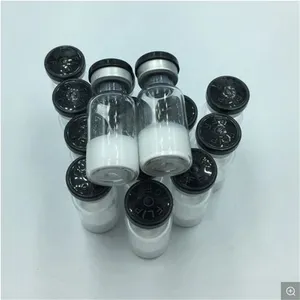
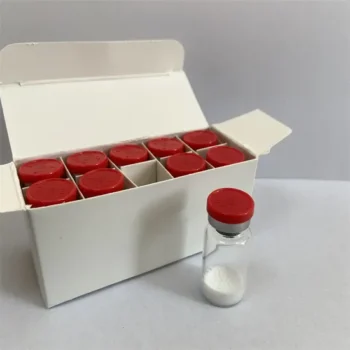
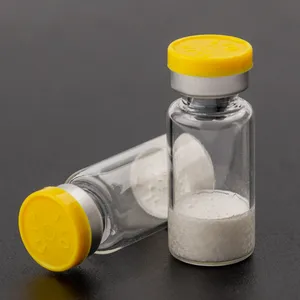
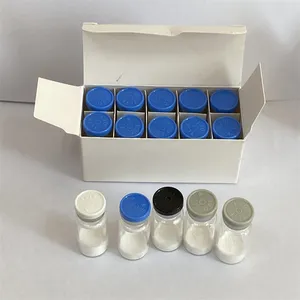
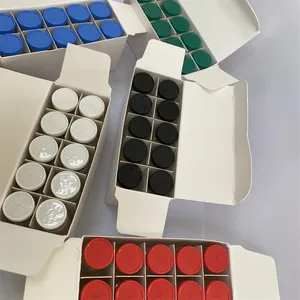
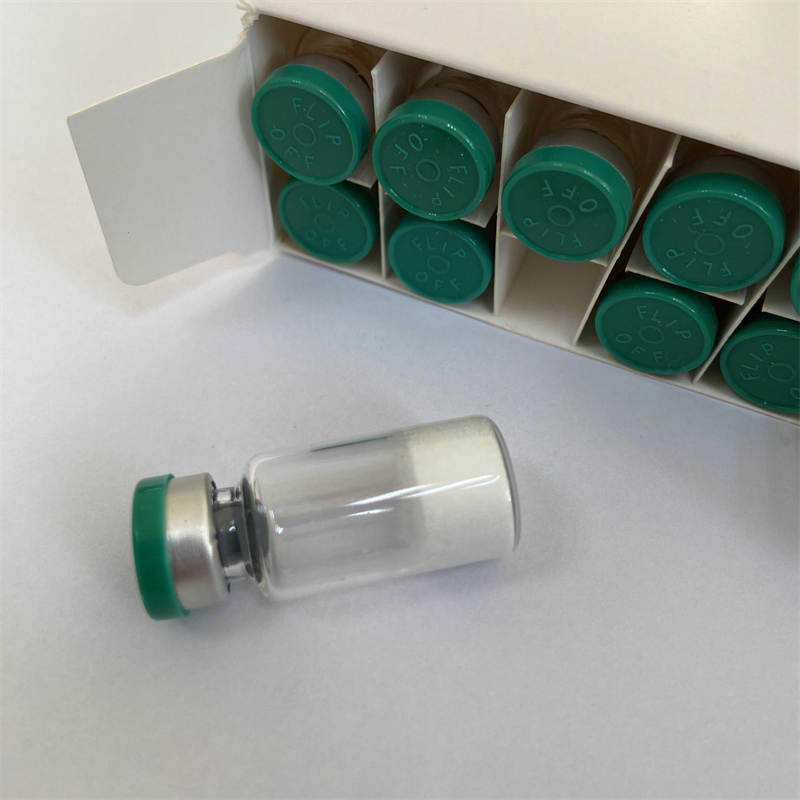
| Packaging | GMP-grade vials for research use |
| Mechanism | Selective modulation of CB1 and CB2 receptors |
| Applications | Glaucoma, ocular pharmacology, endocannabinoid system research |
| GMP Compliance | Manufactured under GMP-grade standards |
| Safety Note | For research use only; not for human or veterinary use |
Mechanism of Action & Research Applications
Mechanism of Action
Pirnabine selectively binds to CB1 and CB2 cannabinoid receptors, initiating intracellular signaling cascades. Through CB1 receptor activation, Pirnabine can modulate neuronal calcium channels, affecting neurotransmitter release and providing potential neuroprotective effects. CB2 receptor interaction is associated with anti-inflammatory effects, particularly relevant in retinal microglia modulation.
Research Applications
Glaucoma Studies:
Reduces intraocular pressure by modulating aqueous humor outflow.
Evaluates neuroprotective mechanisms on retinal ganglion cells.
Endocannabinoid Signaling:
Investigates receptor-ligand binding specificity.
Helps map CB1/CB2 pathways in ocular and neuronal tissues.
Neuroprotection and Inflammation:
Reduces oxidative stress-induced retinal injury.
Modulates microglial activity in preclinical retinal models.
Drug Combination Models:
Used alongside other ocular therapeutics to evaluate synergistic effects.
Compatible with both in vitro cell culture and in vivo rodent models.
Pirnabine offers translational potential for glaucoma therapy research, enabling studies on disease mechanism, receptor pharmacology, and neuroprotective strategies.

Side Effects (For Reference in Research Models)
In laboratory and preclinical studies, Pirnabine demonstrates:
Mild CNS-related effects: dose-dependent changes in locomotion in animal models.
Transient changes in ocular physiology: minor irritation or temporary IOP fluctuations.
Solvent-related variability: DMSO or buffer concentrations may affect efficacy.
Receptor desensitization: prolonged high doses may lead to CB1/CB2 receptor tolerance.
These side effects are model-specific and do not represent clinical safety data. Proper experimental controls are recommended.
Disclaimer
For laboratory research use only. Not for human or veterinary use.
Keywords
CB receptor ligand research
Synthetic cannabinoid ligand GMP supplier
Glaucoma research peptide
Retinal neuroprotection peptide
CB1/CB2 receptor modulator
Preclinical ocular pharmacology research
Laboratory cannabinoid ligand peptide
Pirnabine GMP peptide supplier
Endocannabinoid signaling research
Additional information
| Weight | 0.8 kg |
|---|---|
| Dimensions | 53 × 62 × 53 cm |
1: What is Pirnabine?
Answer: Pirnabine is a synthetic cannabinoid receptor ligand that was initially investigated for the treatment of glaucoma. It has also entered clinical trials for chronic idiopathic constipation (CIC). Currently, it remains in the experimental stage and is not widely approved or marketed as a conventional medicine.
2: Is Pirnabine approved for clinical use?
Answer: At present, Pirnabine is still considered an investigational compound and has not received formal approval from major regulatory agencies such as the FDA or EMA. Its use is generally limited to research purposes and must comply with local laws and regulations.
Related products
USA Warehouse 99% IV Infusion Therapy Anti-Aging Injection Peptide for Weight Loss & Muscle Building
USA Warehouse 99% IV Infusion Therapy Anti-Aging Injection Peptide for Weight Loss & Muscle Building Original price was: $38.00.$23.00Current price is: $23.00.Wholesale 99% Purity Epitalon Peptide Raw Powder for Skin Repair
Epitalon Peptide Raw Powder for Skin Repair Original price was: $33.00.$22.00Current price is: $22.00.Semaglutide finished product (lyophilized powder) wholesale Supplier
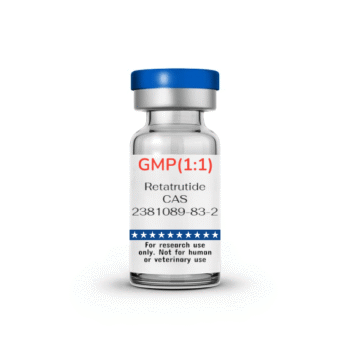
Semaglutide finished product (lyophilized powder) wholesale $1.00Retatrutide | CAS 2381089-83-2 | Dual GLP-1/GIP/Glucagon Receptor Agonist
Retatrutide (CAS 2381089-83-2) is a high-purity research-grade peptide optimized for in vitro mechanistic studies. It supports investigations into signal transduction, receptor interactions, and molecular pathway modulation. Supplied as a lyophilized powder, it ensures stability and reproducibility for laboratory research applications. Original price was: $14.00.$12.00Current price is: $12.00.

Reviews
There are no reviews yet.