
No products in the cart.
Sale
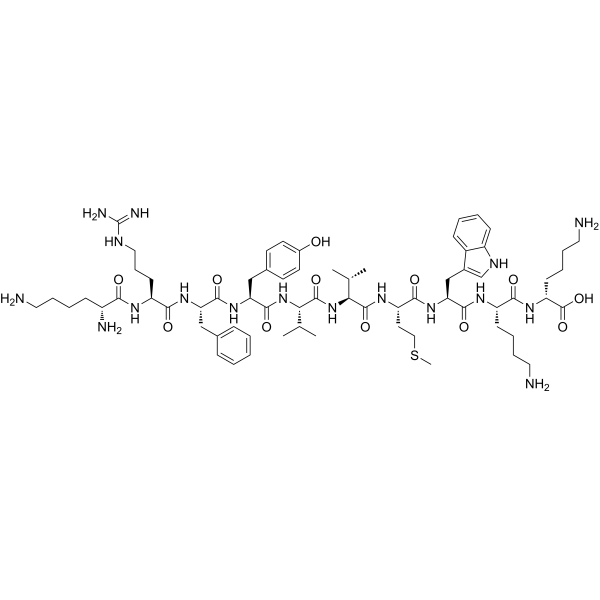
PKHB1
Original price was: $38.00.$26.00Current price is: $26.00.
PKHB1 is a thrombospondin-1-derived peptide that induces calcium-dependent cell death and stimulates immunogenic responses in tumor models. It modulates mitochondrial function, ROS production, and intracellular Ca²⁺ levels, serving as a research tool in oncology, apoptosis, and immunotherapy.
Description
Contents
hide
Product Description
PKHB1 (Thrombospondin-1 Peptide Mimic) is a synthetic peptide designed to mimic the biological activity of thrombospondin-1 (TSP-1), a multifunctional matricellular glycoprotein involved in angiogenesis inhibition, apoptosis induction, and immune regulation. As a potent TSP-1 mimetic, PKHB1 has emerged as a novel anticancer compound with dual pro-apoptotic and immunogenic effects.
Background
Thrombospondin-1 (TSP-1) is a natural ligand for the CD47 receptor, a “don’t eat me” signal that modulates immune evasion and cell survival. PKHB1 binds to CD47, triggering signaling cascades that alter intracellular calcium levels, mitochondrial membrane potential, and reactive oxygen species (ROS) production. These events culminate in calcium-dependent cell death, bypassing classical caspase-dependent apoptosis mechanisms.
In preclinical studies, PKHB1 has demonstrated strong cytotoxic effects against multiple tumor types, including breast cancer, glioma, and leukemia models. Its ability to induce immunogenic cell death (ICD) distinguishes it from traditional chemotherapeutic agents, as it simultaneously promotes immune recognition of tumor cells.
Research Applications
Oncology Research: PKHB1 is used to study cancer cell death pathways and immune modulation.
Apoptosis Studies: Serves as a unique model compound for calcium- and ROS-dependent apoptosis.
Mitochondrial Biology: Allows investigation of mitochondrial dysfunction and oxidative stress.
Immunotherapy Research: Explores CD47 blockade and the induction of immunogenic cancer cell death.
Key Biological Findings
Induces mitochondrial swelling and loss of membrane potential, leading to non-classical cell death.
Elevates ROS levels and cytosolic Ca²⁺ concentration.
Activates DAMPs (damage-associated molecular patterns) release, including ATP, calreticulin, and HMGB1, which are essential for immune activation.
Promotes antigen-presenting cell recruitment and T-cell activation, facilitating adaptive immune responses.
PKHB1 thus represents an intersection between cell death signaling and tumor immunology. Its unique mechanism of inducing calcium- and immune-dependent cell death provides insights for next-generation anticancer strategies.
Product Specifications
| Attribute | Description |
|---|---|
| Product Name | PKHB1 |
| CAS Number | 1505523-99-8 |
| Chemical Class | Peptide (Thrombospondin-1 mimic) |
| Molecular Formula | C₆₈H₉₉N₁₉O₁₈ |
| Molecular Weight | Approx. 1460 g/mol |
| Sequence | Derived from TSP-1 active domain |
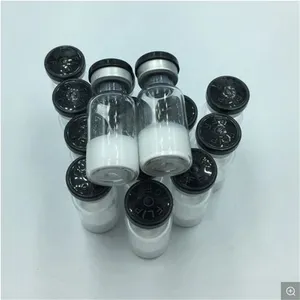
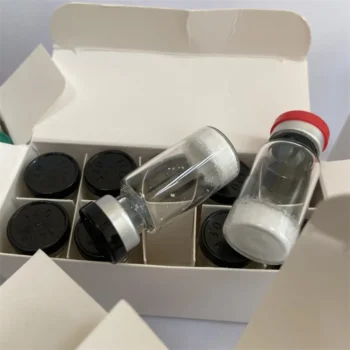
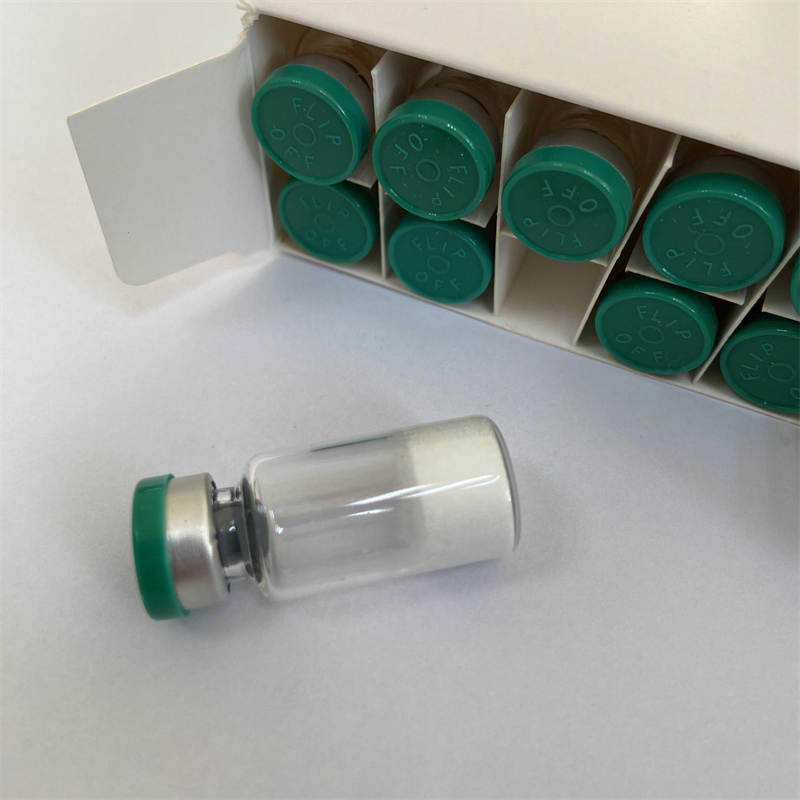
| Appearance | White to off-white lyophilized powder |
| Purity | ≥98% (HPLC) |
| Solubility | Water, PBS, DMSO |
| Storage Conditions | –20°C, desiccated, light-protected |
| Stability | Stable for ≥2 years under recommended storage |
| Applications | Oncology, immunology, apoptosis, mitochondrial studies |
| Safety Level | For research use only |
| QC Tests | HPLC, MS, amino acid analysis |
Mechanism of Action
PKHB1 exerts its anticancer effects by mimicking the functional domain of thrombospondin-1 (TSP-1) and engaging the CD47 receptor, a surface protein that modulates cellular self-recognition and apoptosis resistance.
1. CD47 Activation and Calcium Signaling
Upon binding to CD47, PKHB1 disrupts intracellular calcium homeostasis. This binding triggers rapid Ca²⁺ influx from extracellular and endoplasmic reticulum stores, leading to mitochondrial Ca²⁺ overload. The excess mitochondrial calcium causes membrane depolarization, loss of ATP production, and generation of reactive oxygen species (ROS).
2. ROS Production and Mitochondrial Alteration
PKHB1-induced ROS accumulation amplifies oxidative stress, damaging mitochondrial DNA and lipids. These events collectively result in non-caspase-dependent cell death, a form of necrosis-like apoptosis that differs from typical apoptotic pathways. Mitochondrial swelling and cytochrome c release are hallmarks of this process.
3. Immunogenic Cell Death (ICD) Induction
A defining feature of PKHB1 is its ability to convert dying tumor cells into immunogenic entities. During PKHB1-induced cell death, tumor cells release DAMPs such as ATP, HMGB1, and calreticulin, which serve as “danger signals.” These molecules recruit dendritic cells (DCs) and macrophages, facilitating tumor antigen presentation and the activation of cytotoxic T lymphocytes (CTLs). This mechanism provides a bridge between direct tumor cytotoxicity and immune activation.
4. Synergy with Immunotherapies
By activating CD47-dependent pathways, PKHB1 may potentiate the efficacy of immune checkpoint inhibitors (e.g., anti-PD-1/PD-L1) or tumor vaccines, as both rely on enhanced immune recognition of tumor antigens. Studies suggest that combining PKHB1 with immunotherapies enhances tumor regression and memory T-cell formation in vivo.
5. Cellular Pathway Overview
↑ Intracellular Ca²⁺
↑ ROS accumulation
↓ Mitochondrial membrane potential (ΔΨm)
↑ ATP and calreticulin release
↑ Dendritic cell activation
↑ Tumor antigen presentation
Through these interconnected mechanisms, PKHB1 not only induces direct cancer cell death but also reprograms the tumor microenvironment toward immune responsiveness — a hallmark of effective antitumor therapy.
Side Effects
While PKHB1 is intended for research use only, experimental studies have revealed several cellular and physiological effects that resemble drug-related side effects in vivo models:
Mitochondrial Toxicity: Overaccumulation of calcium and ROS may impair mitochondrial respiration in non-cancerous cells.
Oxidative Stress: Persistent ROS generation can cause oxidative damage to lipids and proteins.
Inflammatory Responses: The release of DAMPs might trigger local inflammation and cytokine release in tissue models.
Cytotoxicity in Non-Target Cells: High concentrations may induce death in healthy epithelial or endothelial cells.
Immune Overactivation: Excessive immune stimulation could lead to cytotoxic immune infiltration in normal tissues.
Calcium Dysregulation: Altered Ca²⁺ fluxes may interfere with cardiac or neuronal signaling in experimental systems.
Researchers should therefore apply appropriate controls, dosage optimization, and safety measures when employing PKHB1 in cellular or animal models.
Disclaimer
For research use only. Not intended for human or veterinary use, diagnosis, or treatment.
Keywords
PKHB1, CAS 1505523-99-8, thrombospondin-1 mimic, CD47 peptide, immunogenic cell death, ROS, calcium-dependent apoptosis, antitumor peptide, mitochondrial dysfunction, cancer immunotherapy research.
Shipping Guarantee
All products are shipped with tax-inclusive clearance and damage/loss insurance.
Transaction Guarantee
We accept T/T, PayPal, cryptocurrency, and other secure payment options. Contact staff for details.
Additional information
| Weight | 0.8 kg |
|---|---|
| Dimensions | 56 × 28 × 56 cm |
What is PKHB1?
PKHB1 is a thrombospondin-1 (TSP-1) mimetic peptide that induces calcium-dependent and immunogenic cell death.
What is its CAS number?
CAS No. 1505523-99-8.
What are its main biological targets?
PKHB1 binds to CD47, triggering calcium influx, ROS generation, and mitochondrial dysfunction.
How does PKHB1 induce cell death?
It activates calcium-dependent necrosis-like apoptosis and promotes the release of immunogenic DAMPs.
Does PKHB1 stimulate the immune system?
Yes, by inducing immunogenic cell death and promoting dendritic cell activation and T-cell responses.
Is PKHB1 used clinically?
No, it is for research use only, primarily in oncology and immunotherapy studies.
What cell types respond to PKHB1?
Breast cancer, glioma, leukemia, and other tumor cell lines exhibit sensitivity to PKHB1.
Can PKHB1 be combined with immunotherapies?
Yes, it may enhance the efficacy of checkpoint inhibitors or cancer vaccines.
How should PKHB1 be stored?
At –20°C, protected from light and moisture.
What solvents are suitable for PKHB1?
What solvents are suitable for PKHB1?
What assays is PKHB1 commonly used in?
Mitochondrial assays, ROS detection, immune cell activation, and cytotoxicity studies.
What precautions are recommended?
Use in BSL-2 labs with protective gear; avoid inhalation or direct contact.
Related products
Retatrutide cost with insurance
Retatrutide cost with insurance Original price was: $38.00.$26.00Current price is: $26.00.USA Warehouse 99% IV Infusion Therapy Anti-Aging Injection Peptide for Weight Loss & Muscle Building
USA Warehouse 99% IV Infusion Therapy Anti-Aging Injection Peptide for Weight Loss & Muscle Building Original price was: $38.00.$23.00Current price is: $23.00.GLP-1/GIP/glucagon combination therapy The Future of Metabolic Treatment (Wholesale Supplier Guide)
GLP-1/GIP/glucagon combination therapy Original price was: $38.00.$23.00Current price is: $23.00.Retatrutide | CAS 2381089-83-2 | Dual GLP-1/GIP/Glucagon Receptor Agonist
Retatrutide (CAS 2381089-83-2) is a high-purity research-grade peptide optimized for in vitro mechanistic studies. It supports investigations into signal transduction, receptor interactions, and molecular pathway modulation. Supplied as a lyophilized powder, it ensures stability and reproducibility for laboratory research applications. Original price was: $14.00.$12.00Current price is: $12.00.

Reviews
There are no reviews yet.