
No products in the cart.
Sale

PNC-28 Acetate – GMP Grade Peptide for Pancreatic Cancer Research
Original price was: $18.00.$16.00Current price is: $16.00.
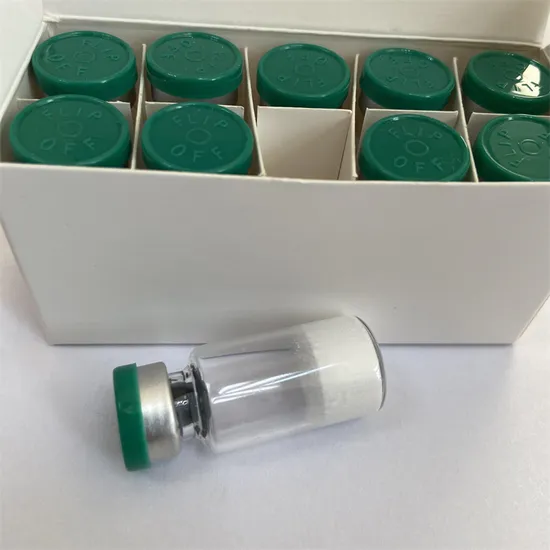
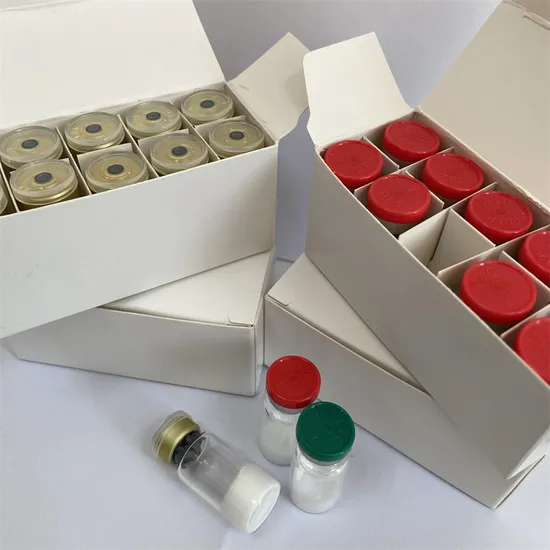
PNC-28 acetate is a synthetic peptide derived from the mdm-2 binding domain of the p53 protein. With a purity of 99.42%, it supports cancer biology research, particularly pancreatic cancer studies. GMP-compliant manufacturing ensures consistent quality for laboratory research applications. Wholesale and retail supply available.?If you need to place an order or inquire about wholesale product prices, specifications and uses, please contact our staff?
Description
PNC-28 acetate is a synthetic peptide derived from the mdm-2-binding domain (residues 17–26) of the tumor suppressor protein p53, combined with a membrane-crossing penetratin sequence to enhance intracellular delivery. This unique structural design makes it a valuable research tool for exploring mechanisms of apoptosis and targeted anticancer activity. With a high purity level of 99.42%, supplied by a GMP-certified manufacturer, PNC-28 acetate meets the quality standards required for advanced scientific research projects.
In research studies, PNC-28 acetate has been investigated for its ability to selectively target cancer cells, particularly in pancreatic cancer models, by inducing mitochondrial disruption and apoptosis. Its design allows for efficient entry into tumor cells, making it an important compound in the exploration of novel therapeutic strategies, drug delivery models, and cancer biology pathways.
The peptide is available in wholesale and retail quantities, supporting laboratories, universities, and biotech companies worldwide. It is recommended for oncology-related studies, peptide–protein interaction experiments, and cancer therapeutic research models.
PNC-28 acetate is provided strictly for laboratory research purposes only and is not intended for human use, clinical applications, or therapeutic administration.
Product Specifications
| Parameter | Description |
|---|---|
| Product Name | PNC-28 Acetate |
| Synonyms | p53-derived peptide with penetratin sequence |
| CAS Number | N/A |
| Sequence Origin | Derived from mdm-2-binding domain of p53 (residues 17–26) |
| Purity | 99.42% (HPLC) |
| Molecular Type | Synthetic peptide |
| Storage Conditions | Store at –20°C, protected from moisture and light |
| Solubility | Soluble in aqueous buffers and suitable organic solvents |
| Form | Lyophilized powder |
| Application | Cancer research, apoptosis studies, peptide–protein interactions |
| Manufacturer Standard | GMP-compliant supplier |
| Availability | Bulk and small-quantity supply; wholesale and retail supported |
Mechanism of Action & Research Applications
PNC-28 acetate functions by mimicking a portion of the p53 tumor suppressor protein, specifically its mdm-2-binding region. The peptide is engineered to contain a penetratin sequence, allowing it to cross the plasma membrane efficiently and reach intracellular targets. Once internalized, PNC-28 acetate interacts with cancer cell pathways to induce mitochondrial damage, loss of membrane potential, and activation of apoptosis.
Unlike non-specific cytotoxic agents, PNC-28 acetate has been observed in laboratory models to demonstrate selective toxicity towards malignant cells, sparing normal cells to a significant degree. This selectivity makes it a particularly valuable research compound in studying targeted cancer therapy strategies.
Research Applications include:
Pancreatic Cancer Models – Used to study apoptosis induction and mitochondrial disruption in pancreatic tumor cells.
Cancer Therapeutics Development – Provides a model compound for evaluating radionuclide-drug conjugates (RDCs) and peptide-based drug delivery systems.
Protein-Protein Interaction Studies – Investigating the role of p53 and its regulatory partners, particularly the mdm-2 pathway.
Mechanistic Oncology Research – Understanding apoptosis induction, mitochondrial dynamics, and intracellular peptide transport.
Peptide Engineering Studies – Used as a model peptide for designing future anticancer peptides with enhanced stability and delivery.
As research into p53-based therapeutics continues, PNC-28 acetate serves as a critical experimental tool for both mechanistic studies and applied cancer biology projects. Its utility in preclinical cancer models highlights its potential importance in expanding the field of precision oncology research.

Side Effects (For Reference in Models)
In laboratory research models, PNC-28 acetate has been reported to cause the following effects, primarily linked to its apoptotic and mitochondrial mechanisms:
Mitochondrial membrane depolarization leading to rapid cell death in cancer cells.
Induction of apoptosis through caspase activation.
Selective cytotoxicity, observed mainly in tumor cells compared to normal cells.
Potential off-target interactions at higher concentrations in cell culture experiments.
Cytotoxic responses that may vary depending on the cancer cell line used.
It is important to emphasize that all reported side effects are based on preclinical and experimental models. PNC-28 acetate is not approved for therapeutic use in humans and should only be utilized in controlled laboratory environments for scientific research.
Disclaimer
PNC-28 acetate is supplied exclusively for laboratory research purposes. It is not intended for human consumption, medical treatment, or diagnostic use. Handling should only be performed by trained professionals under appropriate laboratory safety protocols.
Keywords
PNC-28 acetate, PNC-28 peptide, p53-derived peptide, pancreatic cancer research peptide, apoptosis research peptide, GMP peptide supplier, cancer therapeutic research, peptide for oncology studies, wholesale research peptides, peptide apoptosis mechanism
Additional information
| Weight | 0.8 kg |
|---|---|
| Dimensions | 26 × 23 × 26 cm |
What is PNC-28 acetate?
PNC-28 acetate is a synthetic peptide derived from the mdm-2-binding region of the p53 protein with a penetratin sequence for enhanced cell penetration.
What is the primary research application of PNC-28 acetate?
PNC-28 acetate is primarily used in pancreatic cancer research and apoptosis studies.
How does PNC-28 acetate work in research models?
It enters tumor cells via the penetratin sequence and induces apoptosis by disrupting mitochondrial integrity.
What purity level does PNC-28 acetate have?
The product is manufactured at 99.42% purity, verified by HPLC, under GMP standards.
Can PNC-28 acetate be used in human therapy?
No, PNC-28 acetate is strictly for laboratory research use only, not for therapeutic or clinical use.
What storage conditions are recommended for PNC-28 acetate?
It should be stored at –20°C, protected from moisture and light, to maintain stability.
Why is PNC-28 acetate important in cancer research?
It provides a targeted model for studying apoptosis in tumor cells, especially in pancreatic cancer.
Is bulk supply of PNC-28 acetate available?
Yes, PNC-28 acetate is available in both bulk and retail quantities to support laboratory and institutional research.
What makes PNC-28 acetate unique compared to other peptides?
Its design includes a cell-penetrating sequence and selective action against cancer cells, making it a valuable tool in oncology studies.
Is PNC-28 acetate manufactured under GMP standards?
Yes, it is produced by a GMP-certified supplier to ensure quality and consistency.
Related products
Retatrutide Raw Material Factory: Low-Price Wholesale for High-Purity Peptides
Retatrutide MOQ 1 Box Source Dry Powder Original price was: $38.00.$22.00Current price is: $22.00.99% Pure Peptide Reta Trutide Epitalon in Stock Factory wholesale
Peptide Reta Purity 99%Over Original price was: $39.00.$26.00Current price is: $26.00.GLP-1/GIP/glucagon combination therapy The Future of Metabolic Treatment (Wholesale Supplier Guide)
GLP-1/GIP/glucagon combination therapy Original price was: $38.00.$23.00Current price is: $23.00.Wholesale 99% Purity Epitalon Peptide Raw Powder for Skin Repair
Epitalon Peptide Raw Powder for Skin Repair Original price was: $33.00.$22.00Current price is: $22.00.






Reviews
There are no reviews yet.