
No products in the cart.
Sale
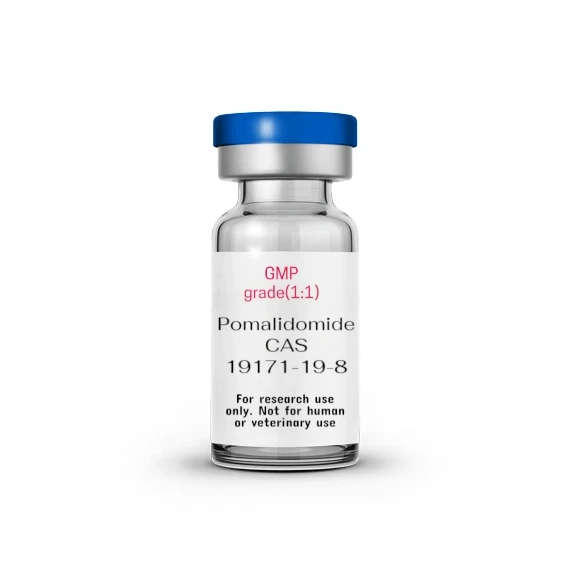

Pomalidomide | CAS 19171-19-8 | Immunomodulatory Agent for Hematologic Research
Original price was: $3.00.$1.00Current price is: $1.00.
Pomalidomide is a third-generation immunomodulatory compound belonging to the thalidomide analogue class. It is extensively utilized in laboratory research to explore mechanisms of immune regulation, cytokine modulation, angiogenesis inhibition, and cell differentiation. As a potent derivative of thalidomide and lenalidomide, Pomalidomide is a key molecule for investigating hematologic malignancies and immune cell signaling in preclinical studies.
Description
Product Description
Pomalidomide is a synthetic derivative of thalidomide designed to enhance immunomodulatory potency while reducing off-target effects. Structurally classified as an imidazo[4,5-d]isoindole-1,3-dione, it is one of the key compounds in the IMiD (immunomodulatory drug) family, which includes thalidomide and lenalidomide. These compounds act as cereblon (CRBN) modulators, influencing protein ubiquitination and degradation processes that regulate immune and hematopoietic cell activity.
Chemical and Structural Characteristics
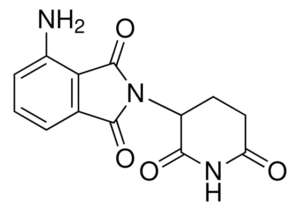
The molecular structure of Pomalidomide contains a glutarimide ring fused to a phthalimide moiety. This configuration enables interaction with the cereblon (CRBN) protein, part of the E3 ubiquitin ligase complex. By binding to CRBN, Pomalidomide alters substrate specificity, leading to targeted degradation of transcription factors such as Ikaros (IKZF1) and Aiolos (IKZF3), which are key regulators of B- and T-cell development.
Pomalidomide is chemically represented by the molecular formula C13H11N3O4 and a molecular weight of 273.25 g/mol. It appears as a white to off-white crystalline powder and is sparingly soluble in water but soluble in DMSO, DMF, and ethanol. Laboratory formulations often use DMSO stock solutions for in vitro assays.
Applications in Research
Pomalidomide is widely applied in preclinical and molecular research for its multifaceted effects on immune function, angiogenesis, and cytokine production. Major research applications include:
Cytokine Modulation Studies
Pomalidomide upregulates interleukin-2 (IL-2) and interferon-gamma (IFN-γ) while downregulating tumor necrosis factor-alpha (TNF-α) and interleukin-6 (IL-6). This dual activity provides an important experimental model for exploring cytokine balance and immunoregulation in cellular systems.Immune Cell Signaling
Laboratory studies utilize Pomalidomide to assess T-cell proliferation, natural killer (NK) cell activation, and modulation of costimulatory signaling. It is a valuable compound for mechanistic investigations into adaptive and innate immune responses.Angiogenesis Inhibition Research
Through its action on vascular endothelial growth factor (VEGF) pathways, Pomalidomide suppresses angiogenesis in cell-based assays. Researchers use it to explore endothelial signaling, microvessel formation, and tumor microenvironment regulation.Hematologic and Oncology Mechanisms
In preclinical research, Pomalidomide serves as a model compound for studying multiple myeloma biology and myelodysplastic syndromes (MDS). It enables examination of cereblon-dependent ubiquitination and degradation of oncogenic transcription factors.Gene and Proteome-Level Investigations
Modern omics platforms integrate Pomalidomide in high-throughput screening of protein–protein interactions and ubiquitin-dependent proteolysis. Its well-characterized mechanism provides reproducible outcomes for post-translational modification research.
Product Specifications
| Item | Details |
|---|---|
| Product Name | Pomalidomide |
| CAS Number | 19171-19-8 |
| Synonyms | CC-4047; IMiD-3; ACTIMID |
| Molecular Formula | C13H11N3O4 |
| Molecular Weight | 273.25 g/mol |
| Purity | ≥99% |
| Appearance | White to off-white crystalline powder |
| Solubility | Soluble in DMSO, DMF, ethanol; slightly soluble in water |
| Storage Temperature | 2–8 °C |
| Category | Small-molecule immunomodulatory agent |
| Applications | Cytokine modulation, immune cell activation, angiogenesis inhibition, hematologic research |
| Formulation | Suitable for in vitro and in vivo research models |
| Stability | Stable under recommended storage conditions |
| Shelf Life | 24 months |
| Supplier Type | Research chemical supplier |
| Intended Use | For laboratory research use only |
Mechanism of Action
Pomalidomide acts through a complex and highly regulated mechanism centered on modulation of the cereblon (CRBN) E3 ubiquitin ligase complex. Its action influences protein degradation, cytokine release, and cellular differentiation, making it a pivotal molecule in immune system research.
Cereblon Binding and E3 Ligase Modulation
Cereblon, the substrate receptor of the CRL4^CRBN complex, is the primary molecular target of Pomalidomide. Upon binding, Pomalidomide alters substrate specificity of the ligase complex, promoting the ubiquitination and proteasomal degradation of Ikaros (IKZF1) and Aiolos (IKZF3). These transcription factors regulate the development of B and T lymphocytes. Their downregulation leads to increased IL-2 production and enhanced T-cell activation, which are hallmark effects of IMiD compounds.
Cytokine Regulation
Pomalidomide influences both pro-inflammatory and anti-inflammatory cytokine networks:
Upregulated Cytokines: IL-2, IFN-γ (promotes T-cell proliferation and NK cell activity).
Downregulated Cytokines: TNF-α, IL-6 (suppresses chronic inflammation and tumor-promoting signals).
This bidirectional modulation makes Pomalidomide a powerful tool for dissecting immune homeostasis and cytokine feedback loops.
Inhibition of Angiogenesis
Pomalidomide also inhibits angiogenesis by suppressing endothelial cell proliferation and migration. This occurs through downregulation of vascular endothelial growth factor (VEGF) and basic fibroblast growth factor (bFGF). Laboratory assays involving endothelial tube formation or chick chorioallantoic membrane (CAM) models frequently employ Pomalidomide as a reference inhibitor to quantify antiangiogenic activity.
Cell Cycle and Apoptosis Regulation
Beyond immune signaling, Pomalidomide affects cell cycle dynamics in hematologic cells. By promoting degradation of oncogenic transcription factors and interfering with NF-κB signaling, it induces cell cycle arrest and apoptosis in malignant cell lines. Researchers use these effects to model cell death pathways and to evaluate synergistic responses with other small molecules.
Mechanism of Action
Cereblon-Dependent Protein Degradation and Transcriptional Reprogramming
Pomalidomide serves as a molecular glue, reshaping the substrate specificity of the CRL4^CRBN complex. By enabling the recruitment of specific transcription factors, it promotes their ubiquitination and subsequent degradation via the proteasome. This process alters transcriptional networks governing immune cell proliferation, differentiation, and cytokine production.
Notably, degradation of Ikaros (IKZF1) and Aiolos (IKZF3) enhances IL-2 expression by relieving transcriptional repression on the IL-2 promoter in activated T cells. This immunomodulatory axis forms the biochemical basis for Pomalidomide’s potency in immunological research.
In parallel, suppression of IRF4—a downstream effector of Ikaros family proteins—affects plasma cell survival and differentiation, which has critical implications in hematologic malignancy models.
Synergistic Pathway Studies
Pomalidomide has been reported to exhibit synergistic molecular interactions when combined with other agents in experimental systems:
With Dexamethasone: Enhances apoptosis in malignant plasma cell lines.
With Interferon-α: Promotes immune activation and cytokine release.
With Proteasome Inhibitors: Expands research opportunities for dual-pathway modulation studies in proteostasis and cell death.
Researchers employ these combinations to dissect the integrated roles of ubiquitin–proteasome signaling, transcriptional regulation, and apoptosis in cell biology.
Side Effects
Pomalidomide’s side effects are primarily derived from its immunomodulatory and hematopoietic influences. While these are not observed in standard laboratory assays, understanding the biological impact of its mechanisms is important for responsible handling in research contexts.
1. Hematologic Impacts
Due to suppression of select bone marrow progenitor lineages, exposure in in vivo models may lead to changes in neutrophil or platelet counts. These effects are dose-dependent and reversible under controlled conditions.
2. Immune System Modulation
Excessive cytokine release can result in imbalanced immune responses in experimental systems. Elevated levels of IL-2 and IFN-γ may induce hyperactivation of T cells or NK cells, altering the baseline parameters of cell viability studies.
3. Off-Target Protein Degradation
Although cereblon-dependent targeting is specific, extended exposure or non-optimized concentrations can lead to unintended proteolysis of additional transcription factors. This necessitates precise titration in cell-based experiments.
4. Oxidative and Metabolic Stress
High doses of Pomalidomide in metabolic assays can elevate reactive oxygen species (ROS) levels, leading to transient oxidative stress. Laboratory safety protocols recommend monitoring these effects under controlled redox conditions.
All observed side effects are relevant to research evaluation only and do not represent clinical pharmacology. This compound is strictly intended for scientific study, not for human or veterinary use.
Keywords
Pomalidomide, CAS 19171-19-8, IMiD compound, immunomodulatory drug, cereblon modulator, cytokine research, angiogenesis inhibition, hematologic research, thalidomide analogue, small-molecule immunoregulator, protein degradation, E3 ligase, high purity compound, laboratory-grade material, research chemical supplier China, peptide wholesale supplier, OEM small-molecule manufacturer, bulk chemical powder.
Shipping Guarantee
All Pomalidomide shipments are handled using validated cold-chain logistics to preserve compound integrity. Each package is sealed in moisture-proof containers with secondary protective wrapping and continuous temperature monitoring. Products are shipped via express international couriers with full tracking and insurance coverage.
Trade Assurance
We Pomalidomide ensure product authenticity, verified ≥99% purity, and compliance with analytical standards (HPLC, MS, and NMR). Each batch is supplied with a Certificate of Analysis (CoA). Our trade assurance policy guarantees replacement or refund for any deviation from listed specifications.
Payment Support
We Pomalidomide provide flexible and secure global payment options to support international research transactions. Accepted payment methods include PayPal, major credit cards (Visa, MasterCard, American Express), telegraphic transfer (T/T), and cryptocurrencies (USDT, Bitcoin, Ethereum). All transactions are protected by industry-standard encryption and verified payment gateways to ensure confidentiality and fund security.
Disclaimer
All Pomalidomide products listed are intended for laboratory research use only and not for human or veterinary use. They are not drugs, medical devices, or diagnostics and should not be administered to humans or animals. Researchers must handle all materials in accordance with institutional biosafety and chemical safety guidelines. The information provided is for scientific reference only and does not imply therapeutic efficacy, safety, or regulatory approval.

Additional information
| Weight | 1.1 kg |
|---|---|
| Dimensions | 18 × 16 × 18 cm |
1. What is Pomalidomide used for in research?
Pomalidomide is utilized in laboratory research to explore immune regulation, cytokine modulation, angiogenesis inhibition, and cereblon-mediated protein degradation.
2. Is Pomalidomide a peptide or a small molecule?
It is a small-molecule thalidomide analogue, not a peptide. It modulates protein degradation pathways via cereblon binding.
3. What purity level is available for this compound?
All Pomalidomide supplied is verified at ≥99% purity, confirmed by HPLC and MS analysis.
4. What type of studies commonly use Pomalidomide?
It is employed in hematologic, immunologic, and molecular cell biology studies involving cytokine regulation and E3 ligase function.
5. Can this product be used in animal or clinical trials?
No. Pomalidomide is for laboratory research use only, not for human or veterinary applications.
6. How should Pomalidomide be stored?
Store at 2–8 °C, in a tightly sealed container, protected from light and moisture.
7. Does Pomalidomide inhibit angiogenesis?
Yes, in research assays, it inhibits endothelial cell proliferation and VEGF-mediated angiogenic pathways.
8. Who manufactures this compound?
8. Who manufactures this compound?
9. Is bulk order or OEM peptide/small-molecule production supported?
Yes, OEM & bulk production services are available for research organizations and distributors worldwide.
10. What analytical methods confirm its quality?
Each batch is characterized by HPLC, MS, and NMR, ensuring identity, purity, and consistency.
11. What makes this product suitable for laboratory-grade research?
Its high purity, stability, and traceable analytical certification make it ideal for reproducible experimental outcomes.
12. Is the product available from a factory peptide supplier or research chemical source?
Yes, our facility operates as a factory peptide and small-molecule supplier in China, supporting both peptides and IMiD analogues like Pomalidomide.
13. Do you offer low-price bulk research compounds?
We provide competitive pricing through direct manufacturing and low-price peptide and small-molecule wholesale from China.
14. Can high-purity compounds be customized for special research needs?
Yes, we can customize synthesis and purification levels to achieve high purity beyond 99% when required.
15. Why choose a China peptide and chemical manufacturer for research sourcing?
Partnering with a China peptide manufacturer and research chemical supplier ensures access to cost-effective, high-quality, and batch-consistent compounds suitable for international scientific studies.
Related products
Regorafenib 40mg | High Purity | Factory Manufactured | Laboratory Research Use Only
High-purity Regorafenib, factory-manufactured for in vitro mechanistic studies and molecular pathway research. Supplied as a stable solution or powder for laboratories requiring bulk, wholesale, or customized research-grade supply. Original price was: $3.00.$2.00Current price is: $2.00.Limertinib (ASK120067) 80mg — Laboratory Research Grade Chemical
Limertinib is a high-purity, irreversible small-molecule inhibitor that selectively targets mutant EGFR in vitro. Designed specifically for laboratory research, it is ideal for investigating signal transduction, kinase activity, and receptor molecular mechanisms in cell-free or in vitro systems. This compound is suitable for mechanistic studies, target validation, and enzymatic assays. Original price was: $3.00.$2.00Current price is: $2.00.Pirtobrutinib 100mg | High purity | Factory manufactured
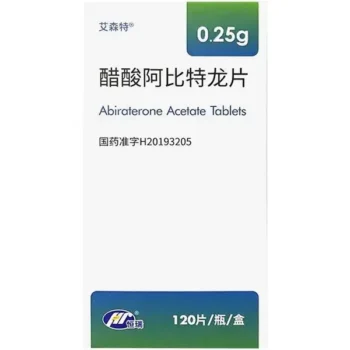
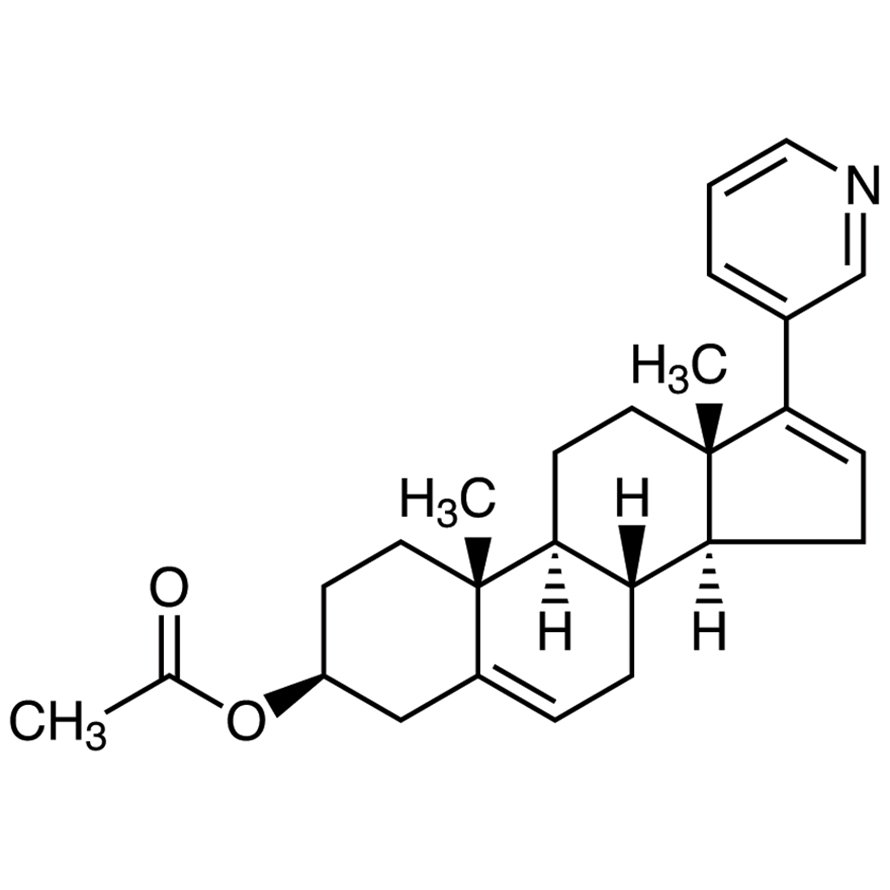
Pirtobrutinib is a high-purity small-molecule research compound, factory manufactured and supplied at low-price wholesale scale, specifically developed for in vitro biochemical assays, molecular interaction analysis, and signaling pathway investigations. This product is intended exclusively for laboratory research use. $2.00Abiraterone Acetate 250 mg – High Purity | Factory Manufactured
High-purity Abiraterone Acetate 250 mg, manufactured under strict quality control for in vitro receptor studies, enzymatic pathway research, and molecular mechanism analysis. Available for bulk, wholesale, and customized laboratory supply with consistent batch-to-batch purity. $2.00


Reviews
There are no reviews yet.