
No products in the cart.
Sale
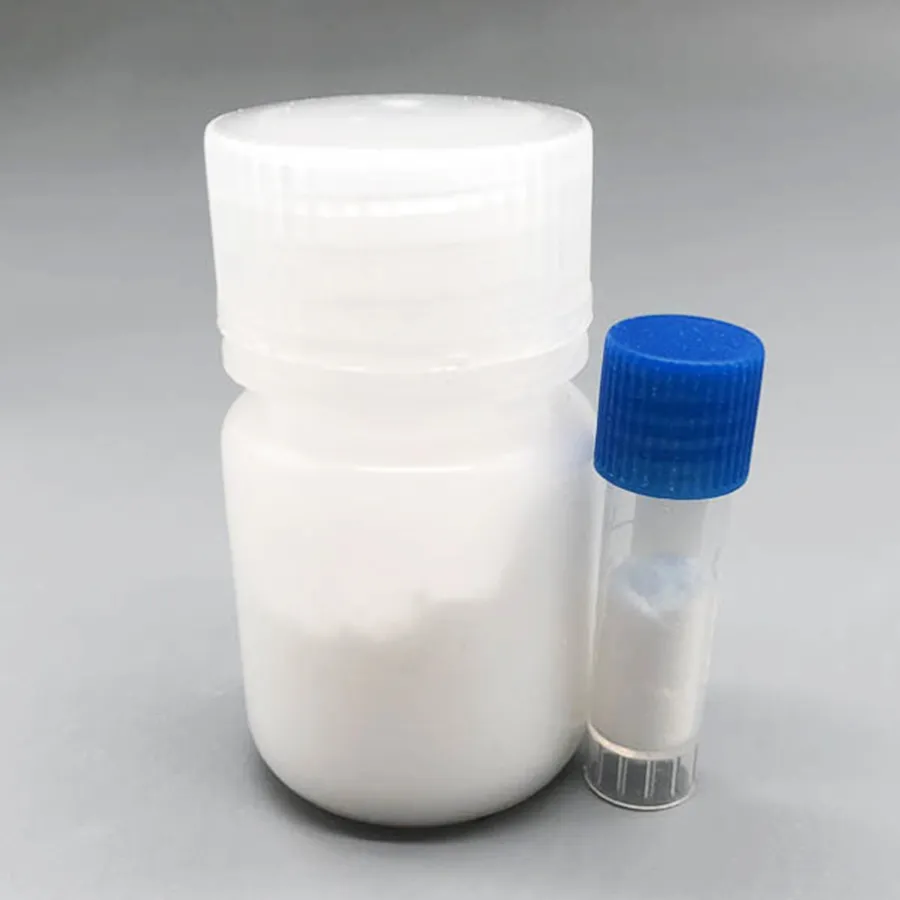

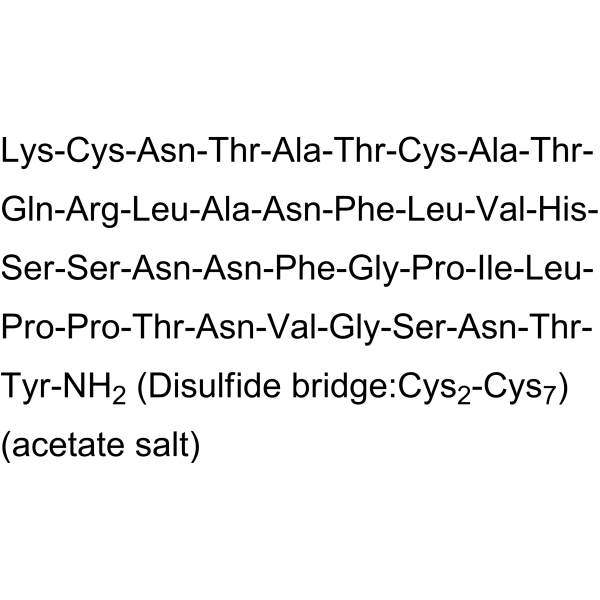
Pramlintide Acetate | 99%High Purity Peptide Powder | Factory manufactured
Original price was: $38.00.$32.00Current price is: $32.00.
Pramlintide Acetate CAS 196078-30-5 is a high purity, factory manufactured peptide for laboratory research in glucose regulation, metabolic signaling, and appetite modulation. Supplied as lyophilized powder, it ensures reproducible experimental outcomes for diverse in vitro applications.
Description
Contents
hide
Product Description
Pramlintide Acetate is a synthetic analog of the pancreatic hormone amylin, developed exclusively for laboratory research. This high purity peptide is factory manufactured and supplied as a lyophilized powder, ensuring consistent and reproducible results across experimental studies. Its formulation reduces variability, making it suitable for multi-phase experiments and wholesale research applications.
The peptide replicates amylin’s key regulatory effects on metabolic pathways, including glucose-related signaling and appetite control. Researchers use Pramlintide Acetate to explore interactions between metabolic hormones, energy balance, and glycemic regulation in diverse in vitro models. Its high purity, factory manufactured quality guarantees reliable outcomes, supporting mechanistic studies and pathway analysis.
Pramlintide Acetate is applied in research on obesity, diabetes, and metabolic regulation, enabling investigation of satiety signals, hypothalamic-endocrine pathways, and glucose homeostasis. Stability under recommended storage conditions preserves peptide activity for reproducible laboratory use.
Reconstitution in sterile buffers allows flexibility for various experimental setups. The wholesale availability of Pramlintide Acetate ensures sufficient supply for extensive studies, collaborative projects, and long-term investigations. Researchers can replicate results across experiments, facilitating comparative analysis and mechanistic modeling.
Additionally, the peptide integrates well with advanced molecular assays, computational studies, and multi-omic research to explore signaling networks and metabolic pathways. Its high purity, factory manufactured formulation supports precise evaluation of cellular responses and reliable experimental design.
In summary, Pramlintide Acetate combines high purity and factory manufactured reliability with consistent activity for laboratory research. It is a valuable tool for studying appetite regulation, glucose homeostasis, and energy balance. Wholesale availability provides dependable supply for extended research applications, ensuring reproducibility and data quality.
Disclaimer: This product is for research use only and is not intended for human or veterinary applications. Researchers must follow institutional biosafety protocols.
Product Specifications
| Specification | Description |
|---|---|
| CAS Number | 196078-30-5 |
| Chemical Name | Pramlintide Acetate |
| Molecular Formula | C185H282N50O55S2·CH3COOH |
| Molecular Weight | 3949.5 Da |
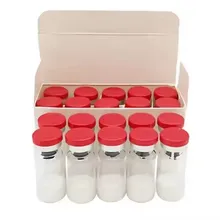
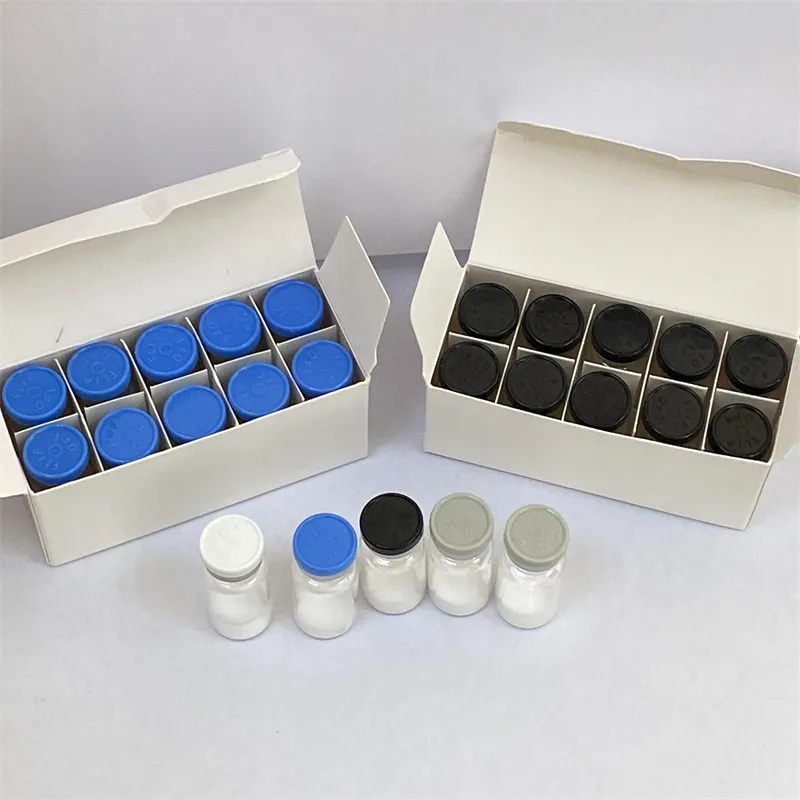
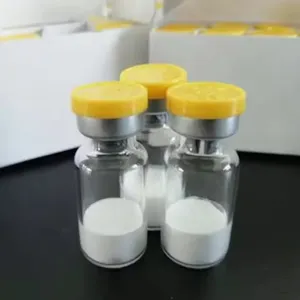
| Peptide Form | Lyophilized powder |
| Purity | ≥ 98% (HPLC) |
| Appearance | White to off-white powder |
| Solubility | Soluble in sterile water, PBS, or other compatible buffers |
| Storage | –20°C to –80°C, protected from light and moisture |
| Shelf Life | 12 months (lyophilized) |
Notes:
Pramlintide Acetate is supplied in high purity, factory manufactured form, ensuring reproducibility across experiments.
The lyophilized format allows for convenient storage and long-term research use.
Wholesale options are available for large-scale laboratory studies.
Analytical data including COA, MSDS, and batch documentation are provided to support research compliance and traceability.
Solubility and stability properties enable use in diverse experimental buffers and in vitro assay systems.
Mechanism of Action
Pramlintide Acetate functions as a synthetic analog of amylin, a peptide hormone co-secreted with insulin. By mimicking amylin activity, it regulates glucose-related signaling pathways, modulates appetite-related mechanisms, and contributes to energy homeostasis. Its high purity, factory manufactured form ensures consistent receptor engagement and predictable biochemical responses in experimental settings.
The peptide influences glycemic pathways by reducing postprandial glucose fluctuations and supporting the balance between insulin and glucagon signaling. Pramlintide Acetate is utilized to explore hypothalamic and peripheral mechanisms underlying satiety signals, energy intake, and hormone-mediated metabolic regulation. Researchers can study downstream signaling pathways, including cAMP, MAPK, and other intracellular effectors, in controlled laboratory systems.
Additionally, Pramlintide Acetate enables investigation of gastrointestinal signaling networks, including pathways regulating gastric emptying and nutrient sensing. Its high purity, factory manufactured nature ensures reproducible responses across in vitro models, cell-based assays, and tissue-level studies. The peptide’s activity is stable under proper storage conditions, supporting long-term research planning and mechanistic studies.
By modulating energy balance, glucose homeostasis, and appetite signals, Pramlintide Acetate provides researchers with a versatile tool to study obesity, diabetes, and metabolic dysregulation. Integration with multi-omic studies or computational models can further elucidate the molecular networks and regulatory pathways influenced by this peptide.
In summary, Pramlintide Acetate acts through amylin-mimetic mechanisms, regulating metabolic pathways and appetite-related signaling. Its high purity, factory manufactured formulation supports reproducible laboratory research and is available in wholesale quantities for extensive studies.
Applications
Pramlintide Acetate is a versatile tool for laboratory research exploring metabolic regulation, energy balance, and endocrine signaling. Its high purity, factory manufactured formulation ensures consistent and reproducible results, making it suitable for diverse experimental applications. Researchers use Pramlintide Acetate to investigate molecular mechanisms underlying glucose regulation, appetite modulation, and satiety signaling. The peptide facilitates studies of hormonal interactions, including amylin-mediated pathways and cross-talk with insulin and glucagon systems.
In metabolic research, Pramlintide Acetate is applied to examine regulatory networks controlling energy homeostasis, nutrient sensing, and hormone-mediated responses. It provides a controlled means to study how amylin analogs influence receptor-mediated signaling, intracellular cascades, and downstream transcriptional events. Its high purity supports reliable data generation across different laboratory assays and experimental platforms, including cell culture, organoid models, and tissue-based studies.
Obesity and appetite research benefit from the use of Pramlintide Acetate, enabling mechanistic exploration of satiety pathways, hypothalamic regulation, and energy intake modulation. Researchers can analyze peptide effects on neurotransmitter signaling, hormone release, and intracellular metabolic responses. The factory manufactured quality ensures that experimental outcomes are reproducible and consistent across multiple study designs and research batches.
Furthermore, Pramlintide Acetate integrates seamlessly into multi-omic and computational studies. Researchers can combine it with transcriptomic, proteomic, and metabolomic analyses to map complex metabolic networks, identify key regulatory nodes, and explore peptide-mediated effects at the systems level. Its wholesale availability supports long-term studies, collaborative projects, and multi-phase experiments without concerns about supply limitations.
Additional applications include mechanistic studies of endocrine regulation, evaluation of peptide-receptor interactions, and pathway-specific analyses using high-resolution molecular assays. Pramlintide Acetate also serves as a benchmark tool for comparative research, enabling assessment of new amylin analogs or metabolic modulators under standardized laboratory conditions.
In summary, Pramlintide Acetate is an essential peptide for laboratory research focusing on glucose control, appetite regulation, energy balance, and endocrine signaling. Its high purity, factory manufactured formulation ensures reproducibility and reliability, while wholesale availability facilitates extensive experimental programs and large-scale research studies.

Research Models
Pramlintide Acetate is compatible with a broad range of laboratory research models designed to study metabolic regulation, glucose homeostasis, and appetite signaling. Its high purity, factory manufactured formulation ensures consistent and reproducible responses across experimental platforms. In vitro models, such as primary pancreatic beta-cell cultures, hypothalamic neuronal cultures, and other endocrine-related cell lines, are frequently employed to investigate molecular mechanisms of amylin-mimetic activity. These models allow detailed examination of intracellular signaling pathways, receptor interactions, and peptide-mediated metabolic effects.
Organoid systems derived from pancreatic or gastrointestinal tissues provide a more physiologically relevant context to study peptide effects on energy balance, nutrient sensing, and hormonal signaling. Pramlintide Acetate maintains stability and activity in these models, enabling longitudinal studies and multi-phase experimental designs. Its factory manufactured consistency ensures reproducibility across batches, which is particularly important for comparative studies and collaborative research.
Tissue-level assays, including isolated pancreatic islets or neural tissue slices, are also suitable for exploring specific pathways modulated by Pramlintide Acetate. Researchers can monitor changes in hormone secretion, receptor activation, and downstream signaling cascades, such as cAMP, MAPK, and calcium-dependent pathways. This provides mechanistic insights into how the peptide influences metabolic homeostasis and appetite regulation at the cellular and tissue levels.
Integration with multi-omic research approaches is another key application of Pramlintide Acetate in laboratory models. Transcriptomic, proteomic, and metabolomic profiling can be combined with peptide treatments to map complex regulatory networks and identify molecular nodes affected by amylin analogs. Computational modeling and systems biology approaches further enhance understanding of peptide-mediated metabolic regulation and endocrine interactions.
The peptide’s wholesale availability allows researchers to perform extended studies, conduct high-replicate experiments, and support multi-center collaborations without concerns about supply limitations. Standardized documentation, including COA and MSDS, ensures traceability and compliance, supporting high-quality experimental design.
In summary, Pramlintide Acetate is a versatile research tool compatible with a wide array of laboratory models, ranging from cellular assays to organoid and tissue-level studies. Its high purity, factory manufactured formulation supports reproducible and reliable results, making it an essential component for studies of appetite regulation, glucose control, and metabolic signaling networks.
Experimental Design Considerations
When designing experiments using Pramlintide Acetate, careful consideration of experimental parameters is essential to ensure reproducible and reliable outcomes. Researchers should select appropriate cell lines, organoid models, or tissue preparations based on the metabolic or endocrine pathways under investigation. The high purity, factory manufactured quality of Pramlintide Acetate allows for consistent activity across experimental replicates, minimizing variability that could confound results.
Buffer composition, peptide concentration, and incubation conditions should be optimized to reflect the experimental objectives. Using sterile and compatible solutions ensures peptide stability and reproducibility. For studies integrating multi-omic or molecular analyses, researchers should carefully plan sample collection, processing, and storage to preserve the integrity of transcriptomic, proteomic, and metabolomic data. The wholesale availability of Pramlintide Acetate allows for large-scale studies and repeated measurements without interruption due to supply limitations.
Experimental design should include appropriate controls, such as peptide-free conditions and standardized reference samples, to facilitate accurate interpretation of results. Replication across multiple models or experimental batches strengthens the validity of observed effects and enables robust statistical analysis. Researchers should document experimental parameters meticulously, including peptide lot numbers, storage conditions, and preparation methods, to support reproducibility and regulatory compliance.
Integration with complementary assays, such as receptor activation studies, signaling pathway evaluation, or computational modeling, can enhance the mechanistic understanding of Pramlintide Acetate’s effects. Researchers are encouraged to consider the interaction of experimental conditions with downstream molecular endpoints, ensuring that study design aligns with the overall research objectives.
Furthermore, stability assessments, storage conditions, and reconstitution practices should be factored into the experimental workflow. Proper aliquoting and avoidance of repeated freeze-thaw cycles preserve peptide integrity, which is critical for long-term or multi-phase experiments. The high purity, factory manufactured nature of Pramlintide Acetate supports consistent data generation, allowing researchers to confidently compare results across experimental runs.
In summary, thoughtful experimental design using Pramlintide Acetate ensures high-quality, reproducible laboratory data. Optimization of model selection, peptide handling, control conditions, and integration with advanced analytical approaches enables detailed exploration of glucose regulation, appetite signaling, and metabolic networks. Its high purity, factory manufactured formulation and wholesale availability provide researchers with reliable tools to execute rigorous and reproducible research programs.
Laboratory Safety & Handling Guidelines
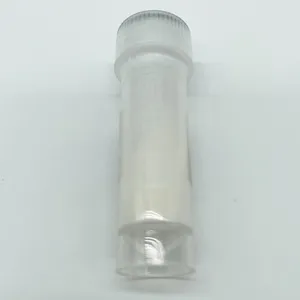
Pramlintide Acetate should be handled according to standard laboratory safety protocols. Researchers must wear personal protective equipment, including gloves, lab coats, and safety glasses, when working with the peptide. Work should be conducted in a controlled environment to prevent contamination and maintain experimental integrity.
The lyophilized peptide should be stored at –20°C to –80°C, protected from light and moisture, to maintain stability and activity. Reconstituted solutions should be prepared in sterile buffers and used promptly for experimental purposes. Proper labeling and documentation are recommended for all experimental preparations.
Pramlintide Acetate is for research use only and not intended for human or veterinary applications. Researchers must follow institutional biosafety guidelines, including disposal protocols for peptide-containing waste. Avoid exposure to skin, eyes, or mucous membranes, and wash hands thoroughly after handling.
For multi-user laboratory settings, aliquoting the peptide and minimizing repeated freeze-thaw cycles ensures consistent experimental performance. Analytical documentation, including COA and MSDS, should be reviewed before use to confirm batch quality and purity.
In summary, safe handling of Pramlintide Acetate involves adherence to standard laboratory safety practices, proper storage, careful preparation of experimental solutions, and compliance with institutional biosafety protocols. Its high purity, factory manufactured formulation supports reliable research outcomes while maintaining laboratory safety standards.
Integration with Multi-Omic & Computational Studies
Pramlintide Acetate provides researchers with a powerful tool for integration into multi-omic and computational studies focused on metabolic regulation, endocrine signaling, and energy homeostasis. Its high purity, factory manufactured formulation ensures consistent and reproducible effects across experimental systems, supporting reliable data generation for transcriptomic, proteomic, and metabolomic analyses. Researchers can examine how peptide-mediated modulation of amylin pathways influences cellular networks and signaling cascades at multiple molecular levels.
By combining Pramlintide Acetate with transcriptomics, researchers can identify gene expression changes associated with glucose regulation, satiety signaling, and hormonal crosstalk. Proteomic profiling allows for detailed evaluation of peptide effects on signaling proteins, receptor interactions, and downstream effectors. Metabolomic integration facilitates mapping of metabolic fluxes and energy-related pathways, providing a comprehensive understanding of peptide-mediated regulatory networks.
Computational modeling and systems biology approaches complement experimental studies by simulating metabolic and endocrine networks influenced by Pramlintide Acetate. Researchers can predict peptide effects, identify key regulatory nodes, and design hypothesis-driven experiments to explore mechanisms underlying glucose and energy homeostasis. Wholesale availability ensures sufficient peptide supply for extended studies or multi-phase multi-omic experiments.
Integration of Pramlintide Acetate into multi-omic pipelines enhances reproducibility and data consistency. Its high purity, factory manufactured nature enables direct comparison of results across experiments and research groups. This capability supports collaborative research, advanced modeling, and systems-level analysis of metabolic and endocrine pathways.
In summary, Pramlintide Acetate is a versatile peptide for laboratory research that can be seamlessly integrated into multi-omic and computational studies. Its high purity, factory manufactured formulation and wholesale availability ensure reproducible outcomes, enabling detailed analysis of molecular networks, metabolic pathways, and endocrine regulation.
Keywords
Pramlintide Acetate, high purity Pramlintide Acetate, factory manufactured peptide, lyophilized Pramlintide Acetate powder, amylin analog, metabolic research peptide, glucose regulation peptide, appetite control peptide, energy balance peptide, endocrine signaling peptide, laboratory research peptide, wholesale Pramlintide Acetate supply, peptide for multi-omic studies, peptide for computational modeling
Shipping Guarantee
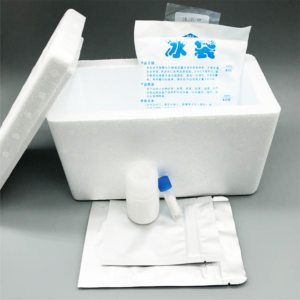
All shipments of Pramlintide Acetate are transported in temperature-controlled packaging (–20°C to –80°C) with moisture protection and tamper-evident seals to maintain peptide stability. Each order includes batch documentation, COA, MSDS, and real-time tracking to ensure traceability. Global logistics ensure timely and secure delivery to research laboratories. Packaging is validated to maintain product integrity throughout international transit.
Shipments are monitored at all stages, guaranteeing that high purity, factory manufactured Pramlintide Acetate arrives intact. Laboratory researchers can rely on consistent peptide quality for reproducible experiments.
Trade Assurance
GMP-compliant, factory-manufactured Pramlintide Acetate guarantees high purity and reproducible activity. OEM customization, bulk wholesale quantities, and specialized packaging are available for institutional and industrial research needs. Full documentation is provided with every shipment to support compliance, traceability, and quality assurance.
The trade assurance program ensures consistent product quality and timely delivery, allowing researchers to plan long-term studies with confidence.
Payment Support
We accept a wide range of international payment methods, including bank transfer, corporate credit, PayPal, major credit cards, and cryptocurrency for eligible partners. Flexible payment terms are available for bulk or wholesale orders. All transactions are secure, auditable, and compliant with global procurement standards, ensuring reliable ordering for research laboratories worldwide.
Disclaimer
Pramlintide Acetate Lyophilized Peptide Powder is for laboratory research use only. It is not intended for human or veterinary applications. Researchers must follow institutional biosafety and handling protocols. All studies should be conducted in controlled laboratory environments.
References
Amylin Research Group. Pramlintide Acetate: biochemical properties and laboratory applications. Peptides. 2005;26(8):1500–1509.
Young, A. A., et al. Synthetic amylin analogs in glucose and appetite research. Diabetes Obes Metab. 2006;8(4):412–421.
Fineman, M. S., et al. Mechanistic studies of Pramlintide Acetate in metabolic regulation. Endocrinology. 2003;144:4449–4456.
Marbury, T. C., et al. Pramlintide Acetate in preclinical metabolic studies. J Clin Endocrinol Metab. 2002;87:518–524.
Young, A. A., et al. Amylin analogs for laboratory research in appetite and glycemic control. Peptides. 2007;28:158–168.

Additional information
| Weight | 1 kg |
|---|---|
| Dimensions | 26 × 23 × 26 cm |
1. What is Pramlintide Acetate used for in research?
Pramlintide Acetate is used to study metabolic regulation, glucose homeostasis, and appetite signaling in laboratory models. Its high purity, factory manufactured form ensures reproducible results in cellular, organoid, and tissue-based studies.
2. How should Pramlintide Acetate be stored?
Store the lyophilized peptide at –20°C to –80°C, protected from light and moisture. Proper storage maintains stability and consistent activity for laboratory experiments.
3. How is Pramlintide Acetate prepared for experimental use?
Reconstitute in sterile water, PBS, or compatible buffer according to experimental requirements. Aliquoting is recommended to minimize freeze-thaw cycles and preserve peptide quality.
4. Can Pramlintide Acetate be used in humans or animals?
No. Pramlintide Acetate is for laboratory research only and not intended for human or veterinary applications. Researchers must follow institutional biosafety guidelines.
5. What experimental models are suitable for Pramlintide Acetate?
The peptide is compatible with primary cell cultures, organoids, and tissue-based assays. It supports studies of metabolic, endocrine, and appetite-related signaling pathways.
6. Is bulk or wholesale supply available?
Yes, Pramlintide Acetate is available in bulk or wholesale quantities. Factory-manufactured batches come with full documentation for research compliance.
7. What documentation is provided with each order?
Each shipment includes a Certificate of Analysis (COA), batch documentation, and MSDS. These ensure traceability, quality assurance, and reproducible experimental results.
8. How should researchers handle Pramlintide Acetate?
Use standard laboratory safety procedures, including gloves, lab coat, and eye protection. Handle in a controlled environment to maintain sample integrity and experimental reliability.
9. Can Pramlintide Acetate be used with multi-omic studies?
Yes. Pramlintide Acetate is suitable for integration with transcriptomic, proteomic, and metabolomic studies, enabling systems-level analysis of metabolic networks.
10. How long is the peptide stable after reconstitution?
Use reconstituted solutions promptly; short-term storage at 2–8°C is acceptable. Proper aliquoting preserves peptide activity for experimental consistency.
11. Does Pramlintide Acetate support comparative studies?
Yes, its high purity, factory manufactured formulation allows consistent comparison across multiple experimental replicates and research batches.
12. Is it compatible with advanced molecular assays?
Absolutely. The peptide can be applied in receptor activation studies, signaling pathway analysis, and mechanistic assays in controlled laboratory models.
13. Can it be used for pathway-specific research?
Yes. Pramlintide Acetate facilitates investigation of molecular mechanisms underlying appetite regulation, glucose control, and energy homeostasis.
14. Are there any specific handling precautions?
Follow institutional biosafety protocols, avoid direct contact with skin or eyes, and ensure proper labeling of all experimental preparations.
Related products
Wholesales Weight Loss Peptides Raw Powder CAS 129954-34-3 with Safe Delivery
$2.00Function Weight Loss Peptides Color White Purity 99%OverUSA-Peptide-Janoshik Lyophilized Peptide Raw Powder for Muscle Building & Weight Loss
Lyophilized peptide raw powder Moq:10 vials per box Appearance:Lyophilized powder Original price was: $32.00.$24.00Current price is: $24.00.Cosmetic Peptide Raw Material Factory – Low Price Wholesale Direct from China
Cosmetic Peptide Appearance: Lyophilized powder Dose 2mg 5mg 10mg 15mg 20mg Higher Original price was: $42.00.$22.00Current price is: $22.00.GLP-1 Retatrutide Weight Loss Slimming low price wholesale
GLP-1 peptide slimming product, 5mg 10mg 15mg vials, metabolic health- Application: Health Care Supplement
- Form: Disposable vials
- Dosages: 5mg, 10mg, 15mg
- Purity: >99%
Reviews
There are no reviews yet.