
No products in the cart.
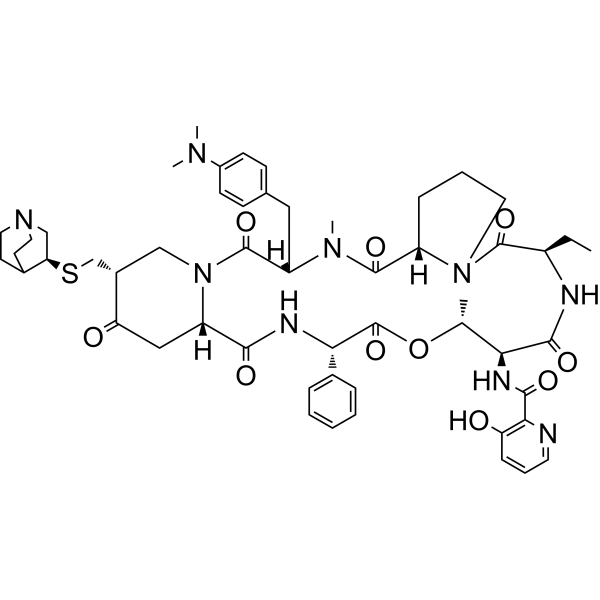
Quinupristin (CAS 120138-50-3) – GMP Manufacturer
$2.00
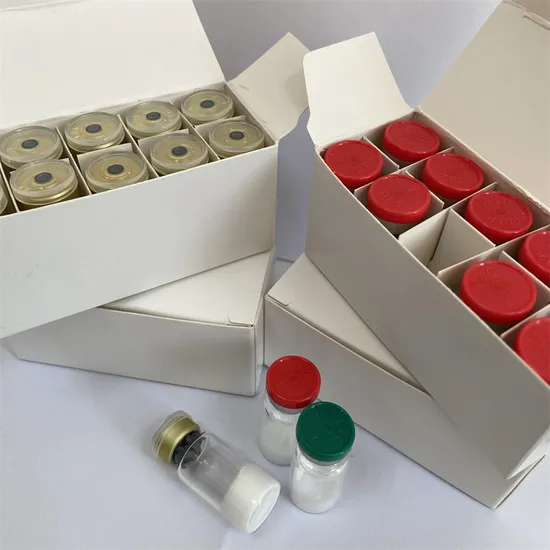
Quinupristin is a streptogramin B antibiotic component with purity ?98.05%, GMP-grade. It inhibits the late phase of bacterial protein synthesis. Ideal for wholesale and retail, strictly for laboratory research use only.?For wholesale prices, other specifications and uses, please consult our staff?
Description
Quinupristin is a semisynthetic streptogramin B antibiotic that interrupts the late phase of protein synthesis by binding to the 50S bacterial ribosomal subunit, preventing peptide elongation and causing release of incomplete proteins. When paired with dalfopristin, it exhibits strong synergistic bactericidal activity against Gram-positive organisms, including some drug-resistant strains. Produced under GMP-standard conditions with purity ?98.05%, Quinupristin is suitable for microbiology, antibiotic resistance, and mechanism-of-action research. For laboratory research use only.
Product Specifications
| Parameter | Details |
|---|---|
| Product Name | Quinupristin |
| CAS No. | 120138-50-3 |
| Purity | ?98.05% (GMP-grade) |
| Molecular Formula | C??H??N?O??S |
| Molecular Weight | ~1022.23 Da |
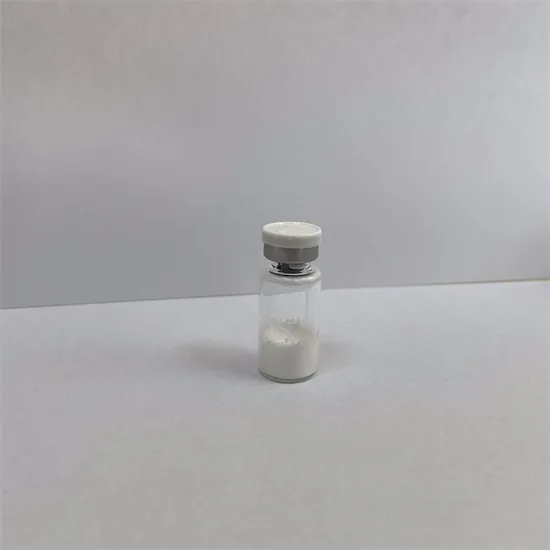
| Appearance | White to off-white solid |
| Solubility | Soluble in DMSO |
| Storage Conditions | Store at –20 °C, protected from moisture |
| Manufacturing Standard | GMP-compliant production |
| Applications | Antibiotic mechanism studies, streptogramin research |
| Regulatory Status | For laboratory research use only |
Mechanism of Action & Research Applications
Quinupristin disrupts bacterial protein synthesis by binding to the 50S ribosomal subunit and obstructing peptide chain elongation. It works synergistically with dalfopristin, which induces conformational changes on the ribosome to enhance quinupristin’s activity. This combination is highly effective in in vitro models against Gram-positive pathogens, including drug-resistant strains, making it valuable for antibiotic mechanism and resistance studies. For laboratory research use only.
Side Effects (For Reference Only in Models)
While Quinupristin is intended for laboratory use, known effects from clinical use of the combination include inflammation at infusion sites, arthralgia, myalgia, and mild gastrointestinal disturbances. These observations help inform safety assessments within experimental settings. For laboratory research use only.
Disclaimer
is strictly for laboratory research use only. It is not approved for human or veterinary use. All handling must adhere to institutional safety protocols.
Additional information
| Weight | 1 kg |
|---|---|
| Dimensions | 26 × 23 × 26 cm |
Related products
Best-Selling Weight Loss Peptide: Slimming Peptide Reta with Safe Delivery
Weight Loss Peptide Lab-Tested Purity (99%+) – Ensures maximum effectiveness Original price was: $56.00.$23.00Current price is: $23.00.High Purity 99.9% Weight Loss Peptide – Raw Material Factory Wholesale at Low Price
Weight Loss Peptide Appearance:Lyophilized powder Grade Standard:Top Quality Original price was: $12.00.$9.80Current price is: $9.80.GLP-1 Retatrutide Weight Loss Slimming low price wholesale
GLP-1 peptide slimming product, 5mg 10mg 15mg vials, metabolic health- Application: Health Care Supplement
- Form: Disposable vials
- Dosages: 5mg, 10mg, 15mg
- Purity: >99%
GLP-1/GIP/glucagon combination therapy The Future of Metabolic Treatment (Wholesale Supplier Guide)
GLP-1/GIP/glucagon combination therapy Original price was: $38.00.$23.00Current price is: $23.00.
Reviews
There are no reviews yet.