
No products in the cart.
Sale
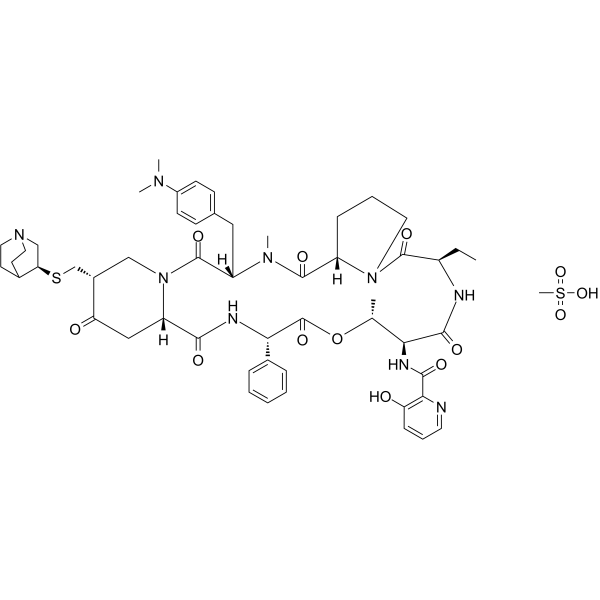
Quinupristin Mesylate (CAS 120138-50-3) | GMP Manufacturer/Supplier
Original price was: $18.00.$15.00Current price is: $15.00.
Quinupristin Mesylate is a GMP-grade streptogramin antibiotic that inhibits bacterial protein synthesis by targeting the 50S ribosomal subunit. It is supplied in lyophilized form, ensuring stability and reproducibility, suitable for preclinical research, antimicrobial resistance studies, and laboratory applications.
Description
Product Description
Quinupristin Mesylate (CAS 120138-50-3) is a synthetic streptogramin antibiotic renowned for its potent ability to inhibit bacterial protein synthesis. Streptogramins are a unique class of antibiotics that target bacterial ribosomes, and Quinupristin Mesylate specifically binds to the 50S subunit, preventing the elongation of nascent polypeptides and promoting premature release of incomplete proteins. This action disrupts bacterial growth and protein production, making it an invaluable tool for laboratory research.
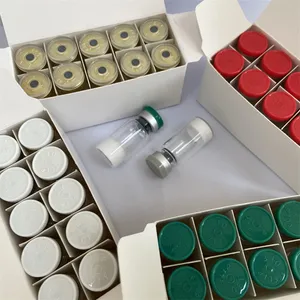
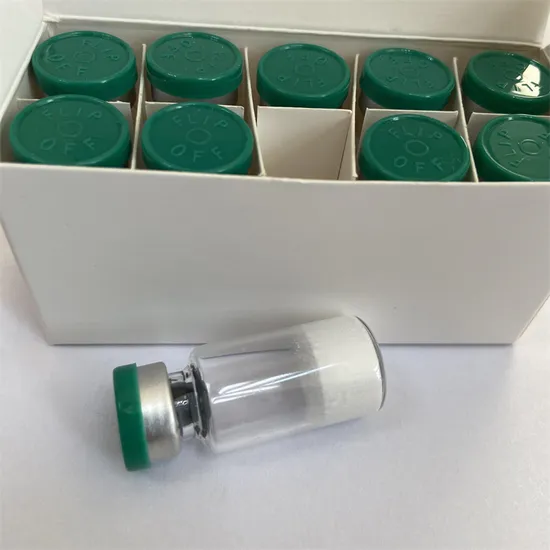
Produced in a GMP-certified facility, Quinupristin Mesylate ensures high purity, batch-to-batch reproducibility, and quality suitable for both wholesale and retail applications. The lyophilized powder format maintains stability during storage and shipping, allowing researchers to reliably conduct experiments without concerns of degradation.
Quinupristin Mesylate is widely utilized in studies exploring mechanisms of antimicrobial resistance, allowing scientists to investigate bacterial adaptation, resistance gene expression, and ribosomal mutation impacts. It is also employed in synergistic antibiotic studies, where it is combined with other antimicrobial agents to assess potential additive or antagonistic effects.
Furthermore, this compound is valuable for pharmacokinetics and pharmacodynamics research, enabling preclinical studies on bacterial metabolism, protein synthesis inhibition kinetics, and dose-response relationships. Its application extends to molecular biology experiments focused on ribosomal interactions and bacterial protein regulation.
Disclaimer: For laboratory research use only, not for human or veterinary use.
Product Specifications
| Parameter | Details |
|---|---|
| Product Name | Quinupristin Mesylate |
| Synonyms | Quinupristin Mesylate |
| CAS Number | 120138-50-3 |
| Molecular Type | Synthetic antibiotic |
| Purity | ? 98% (HPLC) |
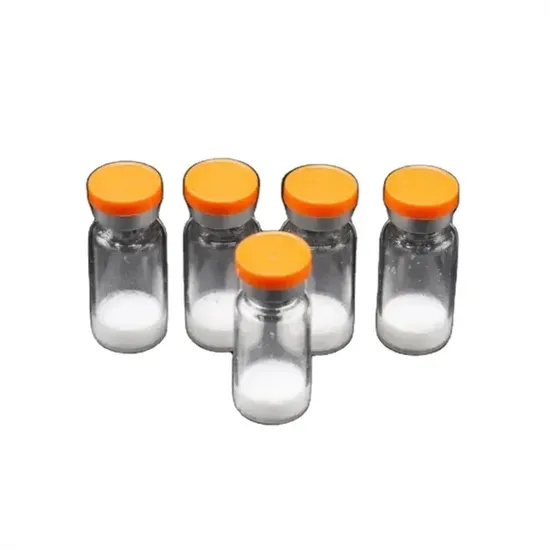
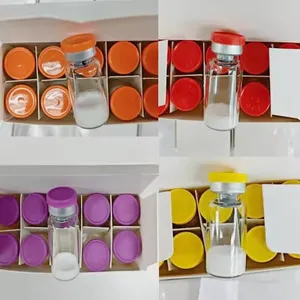
| Appearance | Lyophilized white to off-white powder |
| Mechanism | Inhibits bacterial protein synthesis by binding to the 50S ribosomal subunit |
| Stability | Stable at -20°C; avoid repeated freeze-thaw cycles |
| Storage Conditions | Store at -20°C under inert atmosphere |
| GMP Compliance | Produced by a GMP-certified manufacturer/supplier |
| Application | Laboratory research in bacterial protein synthesis and antimicrobial resistance studies |
| Availability | Wholesale & retail supply |
Mechanism of Action & Research Applications
Mechanism of Action
Quinupristin Mesylate binds specifically to the 50S ribosomal subunit, disrupting bacterial protein synthesis. Its mechanisms include:
Peptide bond inhibition: Prevents elongation of nascent proteins.
Premature chain release: Leads to truncated, nonfunctional proteins.
Bacteriostatic or bactericidal effects: Dependent on concentration and bacterial species.
This precise action allows researchers to examine bacterial growth inhibition, ribosomal target engagement, and the biochemical consequences of protein synthesis blockade.
Research Applications
Bacterial Protein Synthesis Studies: Examine the impact of ribosomal inhibition on bacterial physiology.
Antimicrobial Resistance Mechanisms: Investigate resistance gene expression and ribosomal mutations.
Synergistic Antibiotic Studies: Explore combinatory effects with other antimicrobial compounds.
Pharmacodynamics and Pharmacokinetics: Study absorption, distribution, metabolism, and bacterial protein synthesis kinetics.
Molecular Biology Research: Understand ribosomal interactions and bacterial proteome modulation.
Preclinical Laboratory Research: Model antibiotic response, resistance development, and protein synthesis inhibition.
High-throughput Screening: Assess compound libraries for ribosomal binding or inhibitory effects.

Side Effects (For Reference in Research Models)
In experimental settings, Quinupristin Mesylate may produce:
Altered bacterial growth patterns, dependent on dose and strain.
Changes in bacterial protein expression profiles.
Emergence of resistance genes under prolonged exposure.
Dose-dependent effects on ribosomal function.
Note: Observed effects are strictly for laboratory research reference and do not constitute clinical safety data.
Disclaimer
Quinupristin Mesylate is supplied exclusively for laboratory research purposes. For laboratory research use only, not for human or veterinary use. It is not a dietary supplement or therapeutic agent. All handling must follow proper laboratory safety protocols.
Keywords
Quinupristin Mesylate
Quinupristin Mesylate CAS 120138-50-3
Streptogramin antibiotic
GMP Manufacturer antibiotic
Bacterial protein synthesis inhibitor
Laboratory research antibiotic
Antimicrobial resistance studies
Protein synthesis inhibition studies
Wholesale Quinupristin Mesylate
Retail Quinupristin Mesylate
Additional information
| Weight | 0.8 kg |
|---|---|
| Dimensions | 36 × 45 × 36 cm |
Related products
Best Price with Peptides 10mg Vials – High-Purity Weight Loss Peptide in Stock with Safe Delivery
Weight Loss Peptide Moq: 10 vials per box Package: plastic or paper box Purity:99% Original price was: $36.00.$24.00Current price is: $24.00.Retatrutide Raw Material Factory: Low-Price Wholesale for High-Purity Peptides
Retatrutide MOQ 1 Box Source Dry Powder Original price was: $38.00.$22.00Current price is: $22.00.Tesamorelin Raw Material Factory: Low-Price Wholesale for High-Purity Peptides
Tesamorelin Egrifta; Tesamorelin; 218949-48-5; 804475-66-9; TH9507; ... Compound CID: 16137828 MF: C221H366N72O67S Original price was: $38.00.$23.00Current price is: $23.00.Semaglutide Raw Material Factory: Low-Price Wholesale for High-Purity Peptides
Semaglutide Compound CID: 56843331 MF: C187H291N45O59Purity: 99%
Form: Lyophilized powder
Dosage Options: 5mg, 10mg, 15mg per vial
Packaging: Secure box packaging
Shelf Life: 2 years (store in a cool, dry place)
MOQ: 1 box

Reviews
There are no reviews yet.