
No products in the cart.
Sale
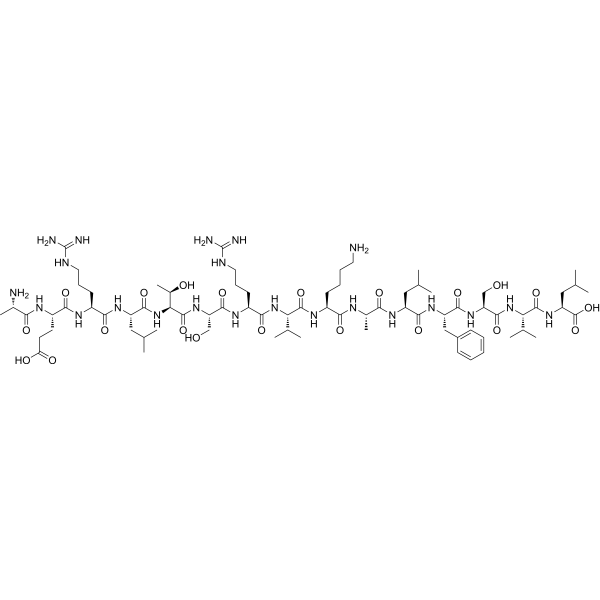
Riletamotide (CAS No. 524061-04-9) | High-Purity Immunological Agent
Original price was: $32.00.$26.00Current price is: $26.00.
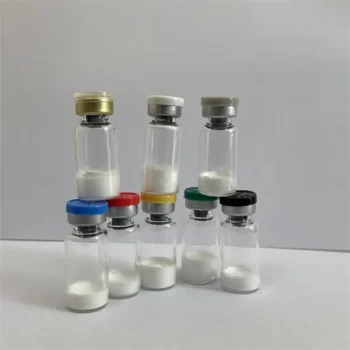
Riletamotide (CAS No. 524061-04-9) is an immunological agent for active immunization, widely studied in cancer immunology and vaccine development research. Supplied in GMP-compliant, high-purity form for laboratory use only.
Description
Product Description
Riletamotide is a synthetic immunological peptide classified as an agent for active immunization. As a research tool, it is used to model how short peptide antigens can be harnessed to stimulate specific immune responses, particularly in the fields of cancer immunology, vaccine development, and adaptive immune system research.
The rationale behind Riletamotide is rooted in the principles of epitope-based immunization. Unlike whole-protein vaccines, peptide-based vaccines offer high specificity, reproducibility, and reduced toxicity. Riletamotide exemplifies this design by representing a carefully selected immunogenic sequence capable of triggering T cell-mediated immune responses.
Scientific Relevance
Immunological peptides such as Riletamotide have a growing role in research because they address limitations of traditional vaccine platforms. In preclinical models, these synthetic peptides have demonstrated:
Efficient antigen presentation via MHC molecules
Activation of cytotoxic T lymphocytes (CTLs)
Potential to generate immune memory
Flexibility in formulation with adjuvants or delivery carriers
Riletamotide is especially suited for research that focuses on tumor immunology, translational oncology, and the study of immunological memory formation.
Broader Research Applications
In addition to oncology, peptide immunogens like Riletamotide are being explored for:
Infectious disease vaccine development
Autoimmune research (tolerance induction models)
Personalized immunotherapy platforms
Combination therapy studies (checkpoint inhibitors, adjuvants, cytokines)
As such, Riletamotide is not only a research reagent but also a key proof-of-concept tool for exploring next-generation immunization strategies.
Product Specifications
| Parameter | Details |
|---|---|
| Product Name | Riletamotide |
| CAS Number | 524061-04-9 |
| Synonyms | Riletamotide; GLXC Research Peptide (code assigned) |
| Molecular Formula | Sequence-derived, available upon request |
| Molecular Weight | Sequence-derived, available upon request |
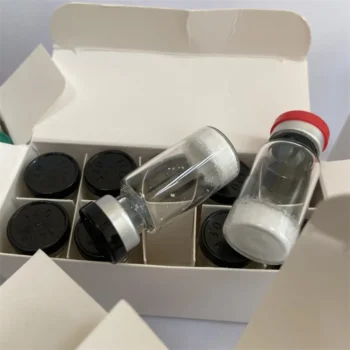
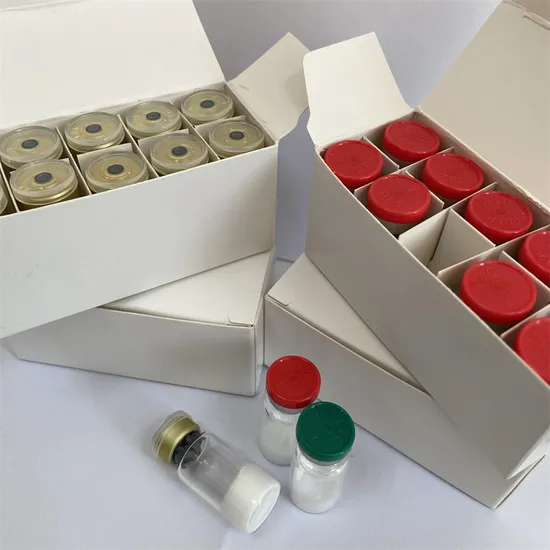
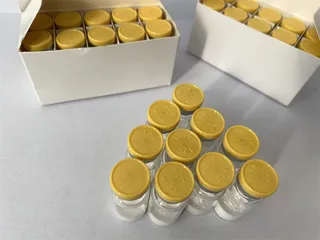
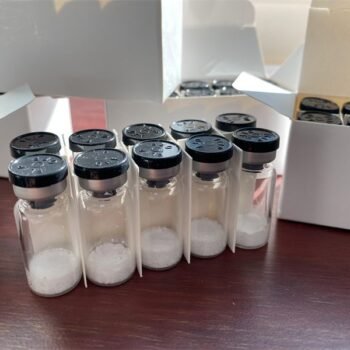
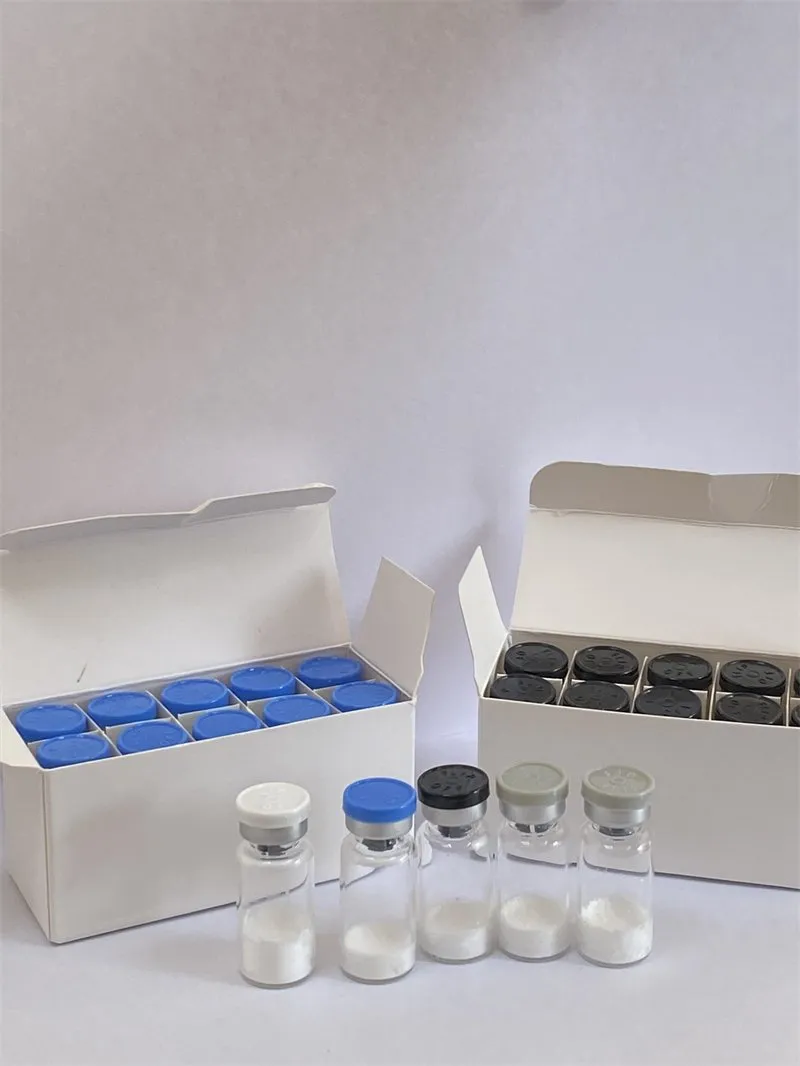
| Appearance | White to off-white lyophilized powder |
| Purity | ≥ 98% (HPLC confirmed) |
| Solubility | Soluble in water, PBS, and DMSO |
| Stability | Stable in lyophilized form for ≥24 months at –20°C |
| Storage Conditions | Store at –20°C; protect from light and moisture; avoid repeated freeze-thaw |
| GMP Compliance | Manufactured in GMP-certified facilities |
| Applications | Cancer immunology, active immunization research, peptide vaccine studies |
| Availability | Bulk and research-scale formats available |
Notes on Specifications
Purity: Analytical HPLC and mass spectrometry ensure >98% consistency.
Formulation: Lyophilized form guarantees stability and ease of reconstitution.
Research Scope: Compatible with in vitro and in vivo immunization models.
Mechanism of Action & Research Applications
Mechanism of Action
Riletamotide functions as a synthetic epitope-based immunogen. Upon administration in a research model, it is taken up by antigen-presenting cells (APCs) such as dendritic cells. The peptide is then processed and displayed on MHC class I and/or class II molecules, depending on sequence design.
This leads to:
Activation of T lymphocytes – CTLs recognize the peptide-MHC complex and begin targeted responses.
Immune cascade initiation – cytokine release, helper T cell activation, and cross-talk with B cells.
Memory formation – generation of long-lived memory T cells for durable immune surveillance.
Research Applications
Cancer Immunology – Used as a model to evaluate tumor-associated antigen targeting.
Vaccine Research – Helps refine peptide vaccine formulations with optimal immunogenicity.
T Cell Immunobiology – Allows researchers to study the fine-tuned mechanisms of CTL activation.
Adjuvant Studies – Tested in combination with CpG, Poly-ICLC, or lipid-based carriers.
Combination Immunotherapy – Explored alongside checkpoint blockade therapies such as anti-PD-1.
Immunological Memory Research – Aids in understanding how immune memory can be engineered against cancer.
Personalized Peptide Vaccines – Provides proof-of-concept for individualized immunogen design.
Translational Insights
Because telomerase, WT1, and other tumor antigens are widely studied with similar peptide strategies, Riletamotide is viewed as part of the broader scientific movement toward peptide-based immunization platforms.
Side Effects (For Research Context Only)
Riletamotide is not approved for human or veterinary use. However, data from related peptide immunization models highlight potential side effects that may be relevant for research:
Injection Site Reactions – Local swelling, redness, or discomfort due to immune activation.
Cytokine-Mediated Effects – Transient fever, fatigue, or malaise in animal studies.
T Cell Overactivation – Risk of immune exhaustion if dosing is not optimized.
Autoimmune Concerns – Theoretical risk of off-target reactivity with normal cells.
Species-Specific Variability – HLA/MHC restrictions can influence outcomes.
Combination Therapy Risks – Stronger side effects when combined with adjuvants or checkpoint modulators.
These effects are only reported in experimental research contexts, not clinical settings.
Disclaimer
For laboratory research use only. Not for human or veterinary use.
Keywords
Riletamotide
Synthetic immunological peptide
Active immunization peptide
Cancer immunotherapy research peptide
GMP-grade peptide reagent
Peptide-based vaccine research
Immunological epitope peptide
Laboratory-use peptide
Antitumor peptide research

Additional information
| Weight | 0.7 kg |
|---|---|
| Dimensions | 52 × 46 × 52 cm |
What is Riletamotide?
A synthetic peptide designed as an immunological agent for active immunization research.
What is the CAS number of Riletamotide?
CAS No. 524061-04-9.
What is its primary application?
Cancer immunology and peptide vaccine research.
Is Riletamotide GMP-compliant?
Yes, it is produced in GMP-certified facilities.
Can it be used in humans?
No, it is strictly for laboratory research use.
How should it be stored?
At –20°C, protected from light and moisture.
What is its purity?
≥98% confirmed by HPLC.
What immune responses does it stimulate?
Mainly T cell-mediated responses via antigen presentation.
Can it be combined with adjuvants?
Yes, it is often studied in combination with immune adjuvants.
Why is Riletamotide significant in cancer research?
Because it models how synthetic peptides can stimulate targeted immune responses against tumor-associated antigens.
Related products
GLP-1/GIP/glucagon combination therapy The Future of Metabolic Treatment (Wholesale Supplier Guide)
GLP-1/GIP/glucagon combination therapy Original price was: $38.00.$23.00Current price is: $23.00.Factory Supply Peptide Healthcare 99% with Safe Delivery
Peptide Healthcare Usage Delta-Sleep Inducing Peptides Purity 99%Over Dose 2mg 5mg 10mg 15mg 20mg Highe Original price was: $28.00.$23.00Current price is: $23.00.Tirzepatide Raw Material Factory: Low-Price Wholesale for High-Purity Peptides
Tirzepatide Compound CID: 163285897 MF: C225H348N48O68 diabetes [9][13][14][15] and for weight loss Original price was: $38.00.$23.00Current price is: $23.00.Best-Selling Weight Loss Peptide: Slimming Peptide Reta with Safe Delivery
Weight Loss Peptide Lab-Tested Purity (99%+) – Ensures maximum effectiveness Original price was: $56.00.$23.00Current price is: $23.00.


Reviews
There are no reviews yet.