
No products in the cart.
Sale
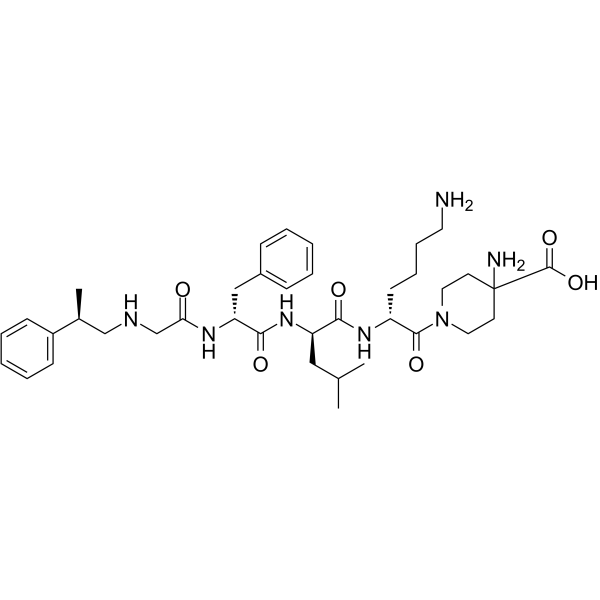
Riminkefon (CAS 2168572-99-2) | GMP Supplier & Manufacturer
Original price was: $18.00.$16.00Current price is: $16.00.
Riminkefon is a potent and selective kappa opioid receptor (KOR) agonist designed for advanced laboratory studies. Its unique receptor specificity allows researchers to explore pathways related to analgesia, stress modulation, mood regulation, and neurobiology. Produced under GMP-certified conditions, Riminkefon ensures reproducibility and consistency across experimental models. Available in wholesale and retail quantities for research use only.
Description
Product Description
Riminkefon is a synthetic compound classified as a kappa opioid receptor (KOR) agonist, developed for use in laboratory and preclinical research settings. KORs are a distinct subclass of opioid receptors, alongside mu (MOR) and delta (DOR), and are widely distributed in the central nervous system and peripheral tissues. Unlike mu-opioid agonists, which are traditionally associated with analgesia but also addiction and respiratory depression, KOR agonists such as Riminkefon offer an alternative pharmacological profile with unique research implications.
One of the major scientific interests surrounding Riminkefon lies in its potential to model non-addictive analgesic pathways. Research suggests that selective KOR activation produces significant analgesia without reinforcing reward pathways, making it an essential reference tool for the development of novel pain therapeutics. Additionally, Riminkefon provides an opportunity to investigate stress response modulation, as KORs are implicated in corticotropin-releasing factor (CRF) signaling and hypothalamic-pituitary-adrenal (HPA) axis regulation.
In psychiatric research, Riminkefon is highly valuable for studies in depression, anxiety, and addiction biology. Preclinical models have demonstrated that KOR activation may influence mood regulation, dysphoria, and stress coping mechanisms, offering a dual framework for both therapeutic exploration and side-effect profiling. Its activity profile makes it a key compound for understanding the balance between therapeutic efficacy and adverse effects in translational neuroscience research.
From a pharmacological perspective, Riminkefon is characterized by high receptor selectivity toward the KOR, minimizing unwanted off-target binding at MOR or DOR receptors. This allows for clearer interpretation of receptor-mediated signaling pathways. Researchers have reported reproducible activity in both in vitro receptor-binding assays and in vivo rodent models, making it suitable for cross-platform investigations.
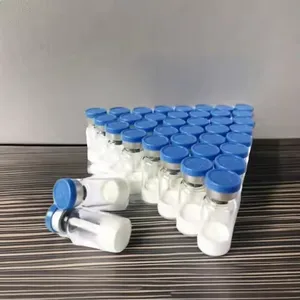
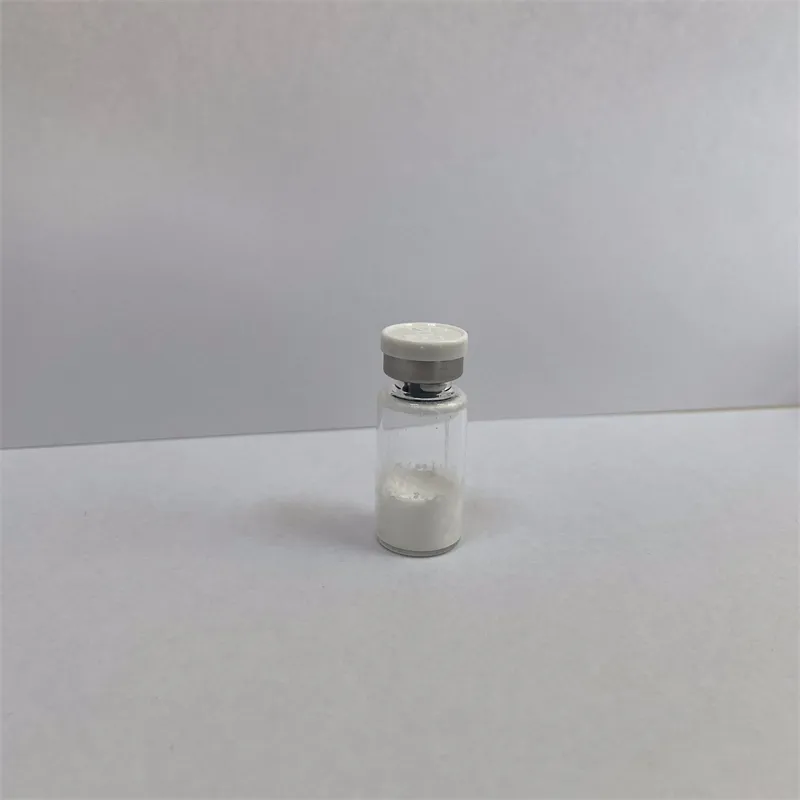
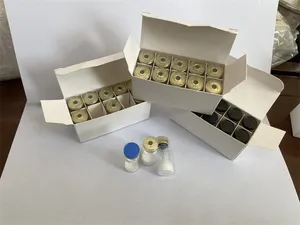
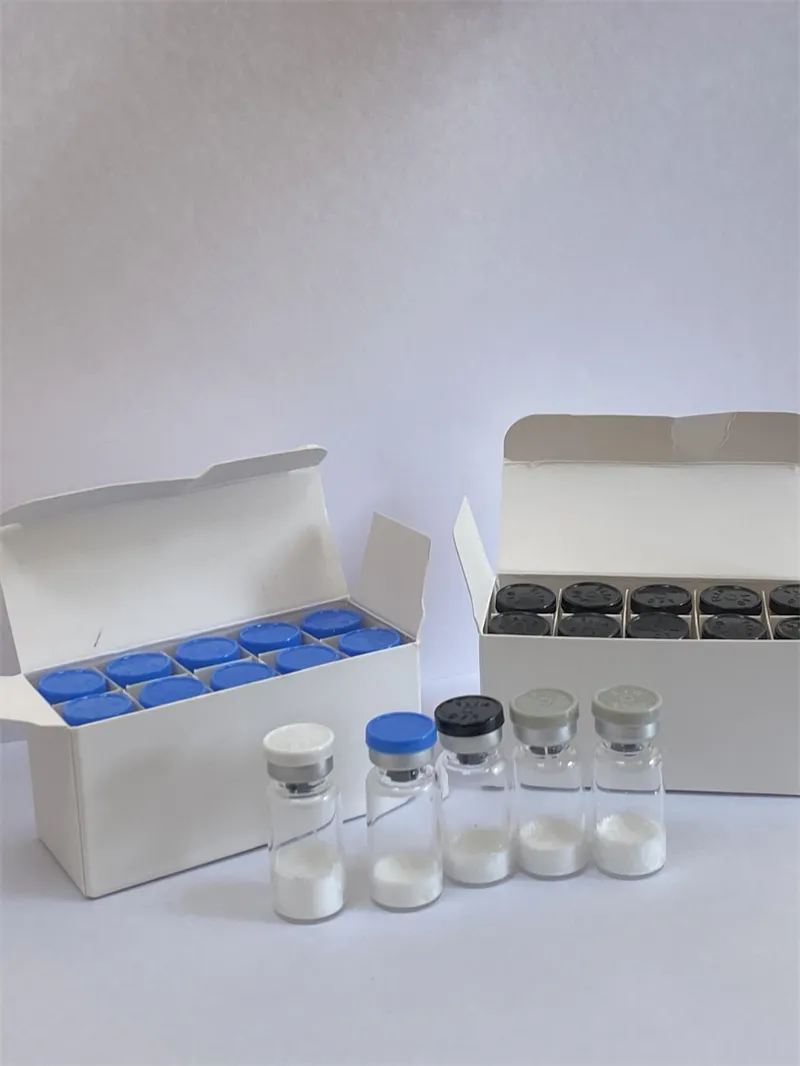
The compound’s GMP-grade production ensures high chemical purity and lot-to-lot consistency. Each batch undergoes rigorous quality control to validate structural identity, purity, and stability, thereby ensuring experimental reproducibility. The lyophilized form provides extended shelf stability, making it suitable for long-term storage and repeated use in controlled experiments.
Overall, Riminkefon stands out as a specialized research compound in opioid pharmacology, bridging neurobiology, pain research, and psychiatric investigation. Its defined mechanism of action, high receptor selectivity, and robust GMP-grade quality make it a critical tool for researchers worldwide.
Product Specifications
| Parameter | Details |
|---|---|
| Product Name | Riminkefon |
| Synonyms | Selective KOR agonist; research compound |
| CAS Number | 2168572-99-2 |
| Molecular Formula | Data available upon request |
| Molecular Weight | Data available upon request |
| Appearance | White to off-white lyophilized powder |
| Purity | ? 98% (HPLC verified) |
| Solubility | Soluble in DMSO and aqueous buffers |
| Stability | Stable for ? 24 months in lyophilized form |
| Storage Conditions | Store at -20°C; protect from light; avoid repeated freeze-thaw cycles |
| Mechanism | Selective kappa opioid receptor (KOR) agonist |
| GMP Compliance | Manufactured in GMP-certified facility |
| Applications | Pain research, stress modulation, addiction, mood regulation |
| Availability | Wholesale & retail supply |
| Experimental Models | Rodent models, non-human primates, in vitro receptor assays |
| Safety Considerations | For laboratory research only; not for human or veterinary use |
Mechanism of Action & Research Applications
Riminkefon acts primarily through selective activation of the kappa opioid receptor (KOR), a G-protein coupled receptor (GPCR) widely expressed in the brain, spinal cord, and peripheral nervous system. Upon agonist binding, the KOR undergoes conformational change, leading to downstream inhibition of adenylyl cyclase and modulation of ion channel activity. This produces a net reduction in neuronal excitability, contributing to analgesic and anxiolytic effects in experimental models.
Key Mechanistic Pathways:
Inhibition of Adenylyl Cyclase ? Decreased cyclic AMP (cAMP) levels, reducing excitatory neurotransmitter release.
Potassium Channel Activation ? Hyperpolarization of neurons, decreasing excitability.
Calcium Channel Modulation ? Reduced presynaptic calcium influx, lowering neurotransmitter release.
Interaction with Stress Pathways ? Crosstalk with CRF and HPA axis signaling, influencing mood and stress resilience.
Research Applications:
Pain Research – Riminkefon provides a model for studying non-addictive analgesia, enabling comparison with MOR agonists.
Addiction Studies – Useful for exploring KOR’s role in drug withdrawal, craving, and relapse prevention.
Mood Disorders – Enables mechanistic studies in depression, dysphoria, and anxiety, focusing on KOR-related circuits.
Stress Modulation – Investigates how KOR activation influences stress coping and resilience.
Neurobiology – Serves as a probe for opioid receptor signaling, receptor desensitization, and GPCR pharmacology.
Combination Therapy Models – Explored alongside antidepressants, MOR antagonists, or neuromodulators.
Translational Research – Supports preclinical insights into KOR agonists as therapeutic candidates for pain and psychiatric disorders.

Side Effects (For Reference in Research Models)
Preclinical data indicate that Riminkefon, like other KOR agonists, may present the following experimental observations:
Dysphoria and Anhedonia – Reported in animal models as part of stress-related behavioral outcomes.
Sedation – High doses may lead to reduced locomotor activity.
Diuresis – KOR agonists are associated with increased urine output in some models.
Cognitive Effects – Short-term alterations in memory and attention may be observed.
Gastrointestinal Responses – Possible changes in gut motility at high concentrations.
Cardiovascular Responses – Minor transient changes in heart rate or blood pressure.
Tolerance and Desensitization – Chronic exposure may induce receptor downregulation.
Model-Specific Variability – Effects depend on species, dose, and administration route.
?? These findings are strictly for laboratory reference. Riminkefon is not approved for human or veterinary use.
Disclaimer
For laboratory research use only. Not for human or veterinary use.
Keywords
Riminkefon
Kappa opioid receptor agonist
Selective KOR agonist research compound
GMP-grade KOR agonist
Laboratory use opioid receptor tool
Riminkefon wholesale supplier
Pain research KOR agonist
Stress and mood regulation compound
Preclinical opioid receptor pharmacology

Additional information
| Weight | 0.8 kg |
|---|---|
| Dimensions | 53 × 26 × 53 cm |
What is Riminkefon?
Riminkefon is a potent and selective kappa opioid receptor (KOR) agonist designed for advanced laboratory studies. Its unique receptor specificity allows researchers to explore pathways related to analgesia, stress modulation, mood regulation, and neurobiology. Produced under GMP-certified conditions, Riminkefon ensures reproducibility and consistency across experimental models. Available in wholesale and retail quantities for research use only.
What is the CAS number?
CAS No. 2168572-99-2.
What is its main function?
It selectively activates KORs to study analgesia, stress, and mood regulation.
Is Riminkefon GMP-produced?
Yes, manufactured under GMP-certified conditions.
What makes it unique compared to other opioids?
It targets KORs selectively, avoiding MOR-related addictive effects.
What research fields is it useful for?
Pain, addiction, stress biology, depression, anxiety, and neurobiology.
Can it be used in humans?
No, for laboratory research only.
How is it supplied?
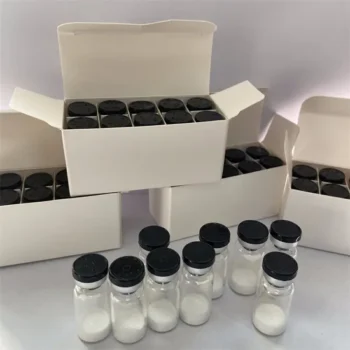
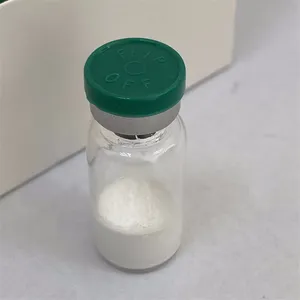
As a white to off-white lyophilized powder.
Related products
Anti-Aging Peptide Raw Powder CAS 307297-39-8 Epitalon – Low Price Wholesale
Anti-Aging Moq:10 vials per box Appearance:Lyophilized powder Purity:99% Original price was: $29.00.$23.00Current price is: $23.00.Wholesale Cibinetide Peptide Sterile Solution
Cibinetide Sterile Solution is a synthetic, tissue-protective erythropoietin-derived peptide engineered for research use in inflammation, neuroprotection, and cellular stress-response models. Its high purity, GMP-compliant preparation, and ready-to-use sterile formulation make it ideal for laboratories requiring consistent, reproducible peptide performance in advanced mechanistic studies.(For research use only. Not for human or veterinary use) Original price was: $38.00.$22.00Current price is: $22.00.Top Quality Peptides Lyophilized Powder – Reta Trutide Fitness and Weight Loss Peptide in Stock | Factory Wholesale
Peptides Function Weight Loss Peptides Moq:10 vials per box Original price was: $38.00.$22.00Current price is: $22.00.Semaglutide Raw Material Factory: Low-Price Wholesale for High-Purity Peptides
Semaglutide Compound CID: 56843331 MF: C187H291N45O59Purity: 99%
Form: Lyophilized powder
Dosage Options: 5mg, 10mg, 15mg per vial
Packaging: Secure box packaging
Shelf Life: 2 years (store in a cool, dry place)
MOQ: 1 box


Reviews
There are no reviews yet.