
No products in the cart.
Sale

Salmon Calcitonin Injection | CAS 47931-85-1 | Peptide Hormone for Bone Metabolism and Osteoporosis Research
Original price was: $3.00.$2.00Current price is: $2.00.
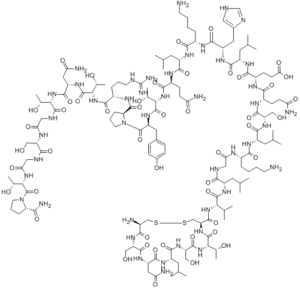
Salmon Calcitonin Injection is a biologically active peptide hormone widely employed in laboratory research to regulate calcium homeostasis and bone metabolism. It exhibits potent inhibitory effects on osteoclast-mediated bone resorption, making it an essential tool for investigating osteoporosis, hypercalcemia, Paget’s disease, and other bone-related disorders. Derived from salmon calcitonin, this peptide demonstrates greater receptor affinity and extended half-life compared to human calcitonin, providing reliable and reproducible results in preclinical studies.
Description
Contents
hide
Product Description
Salmon Calcitonin is a 32-amino-acid peptide hormone that plays a pivotal role in calcium homeostasis and bone remodeling. Laboratory research demonstrates that this peptide effectively inhibits osteoclast activity, preventing excessive bone resorption and enhancing calcium deposition in the skeletal system. Its high receptor affinity and potent activity make it indispensable in preclinical studies focused on osteoporosis, Paget’s disease, hypercalcemia of malignancy, and related metabolic disorders.
Research applications include examining the molecular pathways governing bone metabolism, osteoclast differentiation, and signal transduction. Salmon Calcitonin binds selectively to calcitonin receptors on osteoclast membranes, activating the cAMP-PKA pathway. This signaling cascade reduces osteoclast motility, decreases resorptive enzyme secretion, and limits bone matrix degradation. Laboratory studies highlight its modulation of key transcription factors, such as NF-κB, c-Fos, and RANKL, which are critical regulators of osteoclastogenesis.
Beyond bone resorption, Salmon Calcitonin is utilized to investigate calcium homeostasis at systemic levels. It influences renal and intestinal calcium handling, regulating absorption, reuptake, and excretion. Preclinical models also explore its pharmacokinetics, receptor binding kinetics, and peptide stability under various experimental conditions. This research informs dosage optimization and experimental design for bone-targeted therapies.
Salmon Calcitonin Injection is supplied as a lyophilized powder, ensuring long-term stability, high purity, and consistent bioactivity. Researchers can reconstitute the peptide in sterile water or saline for injectable administration in animal models, enabling precise control of dosing and pharmacodynamic studies. Its robust stability profile allows for storage at 2–8°C without significant degradation, supporting reproducible research outcomes over extended periods.
Laboratory studies emphasize its dual role in inhibiting bone resorption while simultaneously promoting bone matrix mineralization. In vitro investigations demonstrate that Salmon Calcitonin suppresses osteoclast fusion and differentiation while enhancing the activity of osteoblasts, indirectly supporting bone formation. Additionally, research into combinatorial effects with anabolic agents such as parathyroid hormone analogs or bisphosphonates reveals synergistic enhancement of bone density in experimental models.
Ongoing preclinical research leverages Salmon Calcitonin to study skeletal aging, bone loss due to hormonal deficiencies, and mechanisms of drug-induced osteopenia. Its capacity to modulate both osteoclast and osteoblast pathways provides a comprehensive tool for mechanistic studies, high-throughput screening of bone-active compounds, and testing of novel peptide delivery platforms.
Studies also investigate the impact of Salmon Calcitonin on calcium signaling pathways within osteocytes, which are essential for mechanotransduction and bone remodeling in response to mechanical stress. Researchers employ this peptide to examine intracellular cAMP dynamics, phosphorylation of CREB, and downstream gene expression that orchestrates bone turnover.
From a pharmacological perspective, Salmon Calcitonin serves as a benchmark molecule in peptide hormone research, enabling exploration of receptor selectivity, half-life extension strategies, and injectable formulation stability. Preclinical investigations assess pharmacokinetics, biodistribution, and peptide-receptor interactions, providing foundational data for the development of bone-targeted therapies.
Product Specifications
| Item | Details |
|---|---|
| Product Name | Salmon Calcitonin Injection |
| CAS Number | 47931-85-1 |
| Synonyms | sCT, Salmon Calcitonin, Peptide Hormone |
| Molecular Formula | C145H240N44O48S2 |
| Molecular Weight | 3432.9 g/mol |
| Purity | ≥99% |
| Appearance | White to off-white lyophilized powder |
| Solubility | Soluble in water, physiological saline |
| Storage Temperature | 2–8 °C |
| Category | Peptide hormone |
| Applications | Bone metabolism research, osteoporosis models, hypercalcemia studies |
| Formulation | Suitable for injectable research applications |
| Stability | Stable under recommended storage conditions |
| Shelf Life | 24 months |
| Supplier Type | Research chemical supplier |
| Intended Use | For laboratory research use only |
Mechanism of Action
Salmon Calcitonin modulates bone metabolism primarily through osteoclast inhibition, but also exerts systemic effects on calcium balance.
1. Osteoclast Inhibition
Salmon Calcitonin binds to calcitonin receptors on osteoclasts, activating intracellular cAMP-PKA signaling, which reduces osteoclast motility, inhibits resorptive enzyme release, and suppresses bone matrix degradation.
2. Calcium Homeostasis Regulation
The peptide decreases serum calcium levels by inhibiting osteoclast-mediated resorption and enhancing renal and intestinal calcium handling, thereby maintaining systemic calcium equilibrium.
3. Intracellular Signaling
Salmon Calcitonin modulates transcription factors such as NF-κB and c-Fos, downregulates RANKL, and affects CREB phosphorylation, collectively suppressing osteoclast differentiation and resorptive activity.
4. Bone Remodeling and Pharmacological Implications
By influencing both osteoclasts and osteoblasts, Salmon Calcitonin supports studies on bone remodeling dynamics, osteoporosis mechanisms, and combinatorial therapeutic strategies in preclinical research.
5. Synergistic Applications
Researchers investigate its synergistic effects with bisphosphonates, parathyroid hormone analogs, and other osteoanabolic agents to explore enhanced bone density and reduced fracture risk in laboratory models.
Side Effects
In laboratory research, Salmon Calcitonin demonstrates minimal cytotoxicity at experimental concentrations. Observed effects include transient modulation of osteoclast morphology and activity.
Experimental handling must comply with biosafety protocols. Variations in solvent, concentration, and pH may impact experimental results. Salmon Calcitonin Injection is strictly for laboratory use and not intended for human or veterinary administration.
Keywords
Salmon Calcitonin Injection, CAS 47931-85-1, peptide hormone, bone metabolism research, osteoporosis study, calcium regulation, osteoclast inhibition, injectable peptide, high-purity peptide, research peptide supplier
Shipping Guarantee
All shipments are handled using validated cold-chain logistics to preserve peptide integrity. Each package is sealed in moisture-proof containers with secondary protective wrapping and continuous temperature monitoring. Products are shipped via express international couriers with full tracking and insurance coverage.
Trade Assurance
We ensure product authenticity, verified ≥99% purity, and compliance with analytical standards (HPLC, MS, and NMR). Each batch is supplied with a Certificate of Analysis (CoA). Our trade assurance policy guarantees replacement or refund for any deviation from listed specifications.
Payment Support
We provide flexible and secure global payment options to support international research transactions. Accepted payment methods include PayPal, major credit cards (Visa, MasterCard, American Express), telegraphic transfer (T/T), and cryptocurrencies (USDT, Bitcoin, Ethereum). All transactions are protected by industry-standard encryption and verified payment gateways to ensure confidentiality and fund security.
Disclaimer
All products listed are intended for laboratory research use only and not for human or veterinary use. They are not drugs, medical devices, or diagnostics and should not be administered to humans or animals. Researchers must handle all materials in accordance with institutional biosafety and chemical safety guidelines. The information provided is for scientific reference only and does not imply therapeutic efficacy, safety, or regulatory approval.

Additional information
| Weight | 1.1 kg |
|---|---|
| Dimensions | 18 × 16 × 18 cm |
1. What is Salmon Calcitonin Injection used for?
It is used in preclinical research to study bone metabolism, osteoporosis, hypercalcemia, and Paget's disease.
2. What is the purity of the peptide?
The peptide is supplied at ≥99% purity, verified by HPLC and MS.
3. How should the peptide be stored?
Store at 2–8 °C, protected from light and moisture.
4. What is the appearance of Salmon Calcitonin Injection?
It appears as a white to off-white lyophilized powder.
5. Is Salmon Calcitonin soluble in water?
Yes, soluble in water and physiological saline.
6. Can it be used with other bone-targeted agents?
Yes, for research purposes, it can be used in combination with other pharmacological agents.
7. Where is it manufactured?
Produced by certified research chemical suppliers under controlled laboratory conditions.
8. Does it include a Certificate of Analysis (CoA)?
Yes, each batch comes with CoA confirming ≥99% purity.
9. Can it be used in in vivo models?
Yes, under strict institutional ethical and biosafety guidelines.
10. What precautions are recommended?
Use PPE, handle in biosafety cabinets, and follow chemical safety protocols.
11. Is bulk supply available?
Yes, bulk quantities are available for laboratory research.
12. What is the shelf life?
Stable for 24 months under recommended storage conditions.
13. Is it suitable for formulation studies?
Yes, suitable for injectable research formulations.
14. How does Salmon Calcitonin inhibit osteoclasts?
It binds to calcitonin receptors, activates cAMP-PKA signaling, and suppresses osteoclast activity.
15. Does it affect non-target cells?
At research concentrations, it shows minimal cytotoxicity; proper handling is required.
Related products
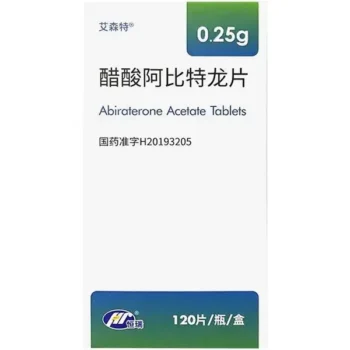
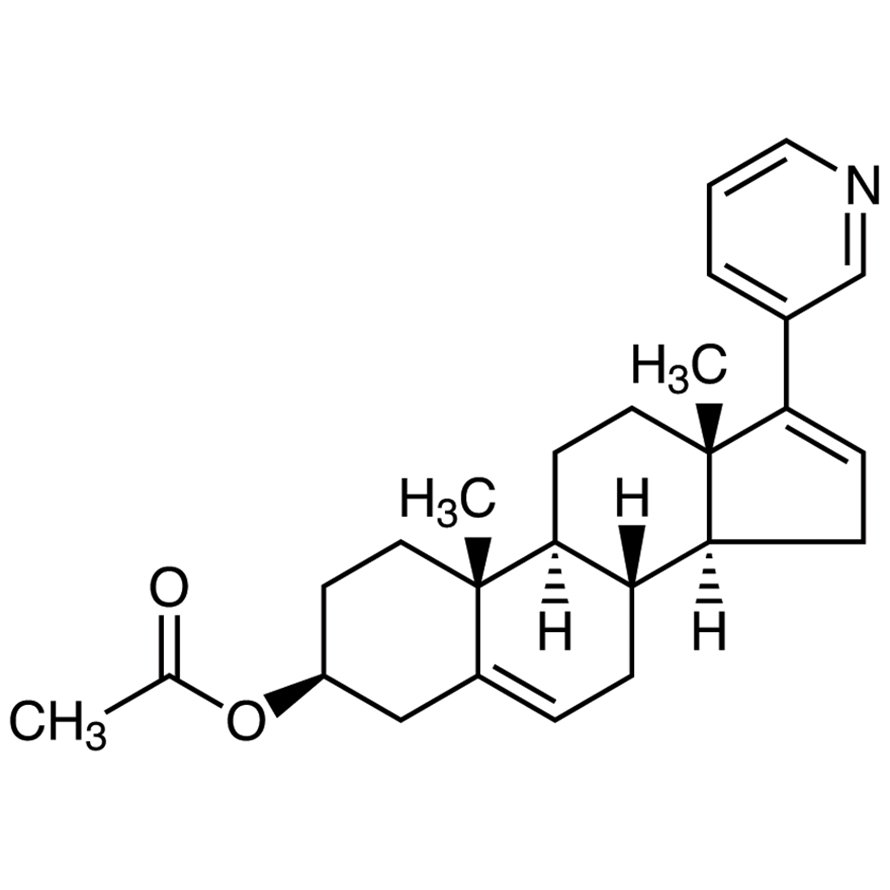
Abiraterone Acetate 250 mg – High Purity | Factory Manufactured
High-purity Abiraterone Acetate 250 mg, manufactured under strict quality control for in vitro receptor studies, enzymatic pathway research, and molecular mechanism analysis. Available for bulk, wholesale, and customized laboratory supply with consistent batch-to-batch purity. $2.00Iparomlimab and Tuvonralimab 50 mg/2 mL Solution
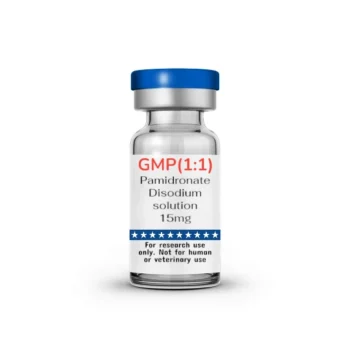
Iparomlimab and Tuvonralimab is a high-purity monoclonal antibody solution supplied at 50 mg/2 mL by factory manufacturing with low-price wholesale availability. Designed exclusively for in vitro molecular mechanism studies, protein interaction assays, and signaling pathway research, it provides reproducible and reliable experimental performance. Strictly for laboratory research use. $1.00Pamidronate Disodium solution 15mg — Laboratory Research Grade Reagent
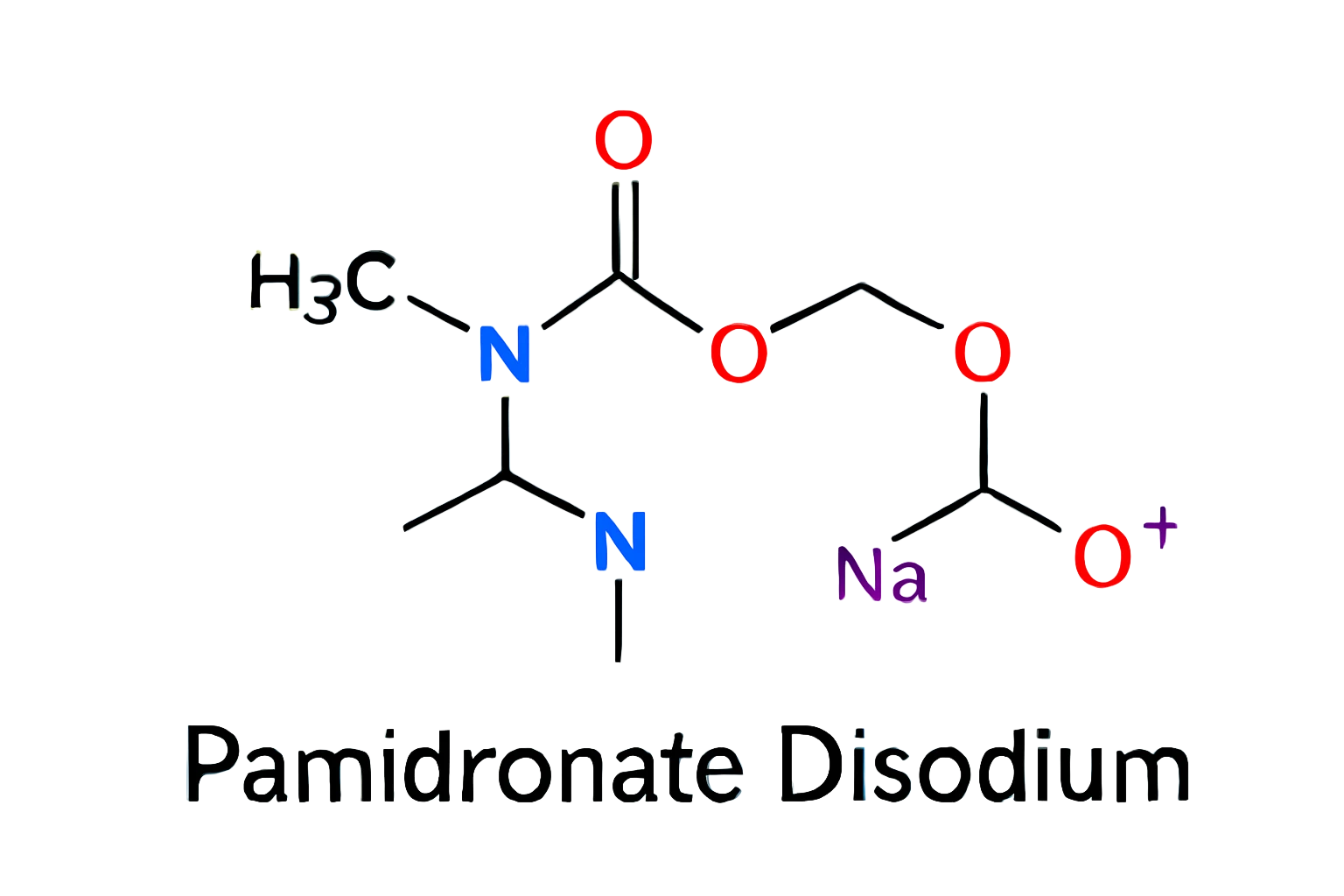
Pamidronate Disodium is a high-purity bisphosphonate reagent designed for in vitro mechanistic studies. It enables research into bone-related biochemical pathways, protein-ligand interactions, and molecular signaling mechanisms under controlled laboratory conditions. Supplied in a laboratory-ready format, it is ideal for mechanistic assays and protein interaction studies. Original price was: $6.00.$2.00Current price is: $2.00.Temozolomide 100mg — Laboratory Research Grade Chemical
Temozolomide is a high-purity alkylating research compound widely used in in vitro molecular mechanism studies focusing on DNA methylation, damage response pathways, and cell cycle regulation. It is suitable for laboratory-based biochemical and mechanistic research applications only.
Original price was: $6.00.$3.00Current price is: $3.00.




Reviews
There are no reviews yet.