No products in the cart.
Sale

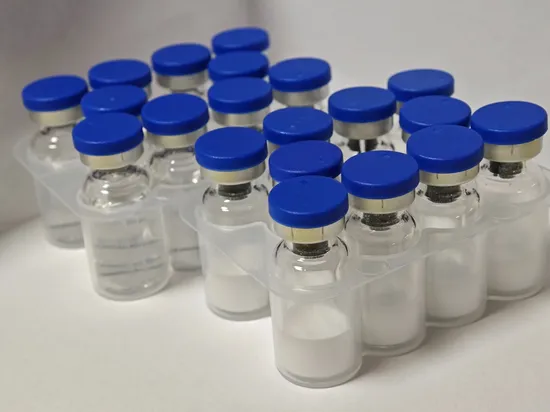
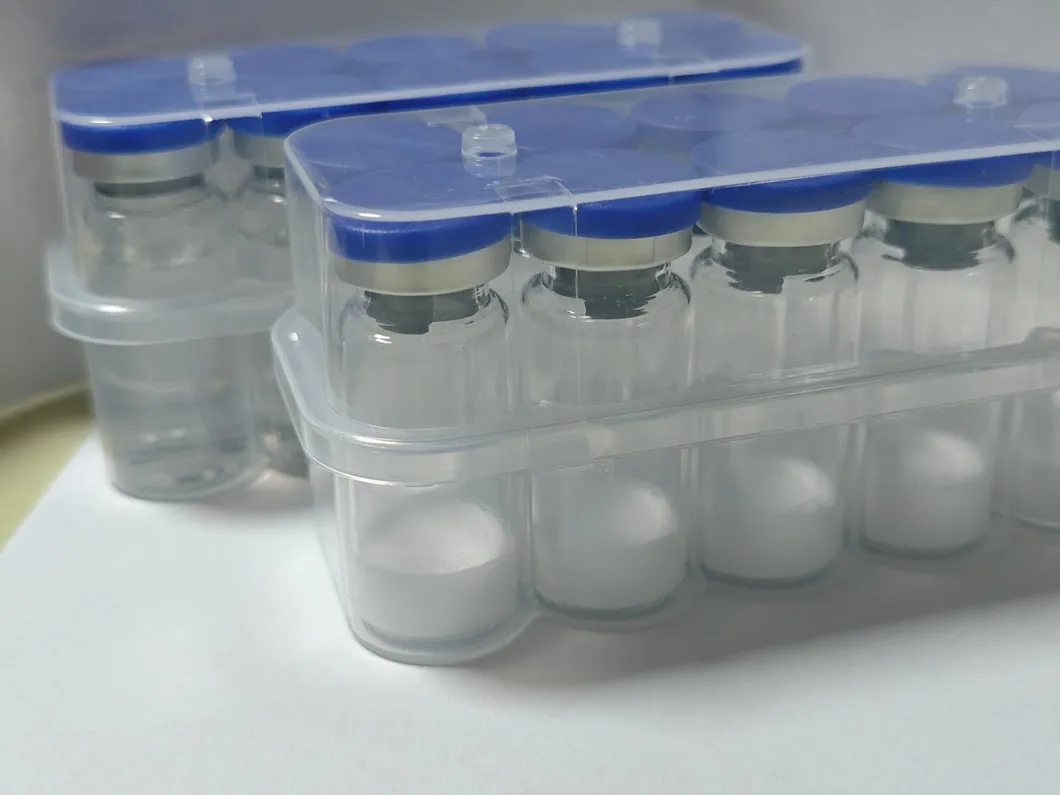
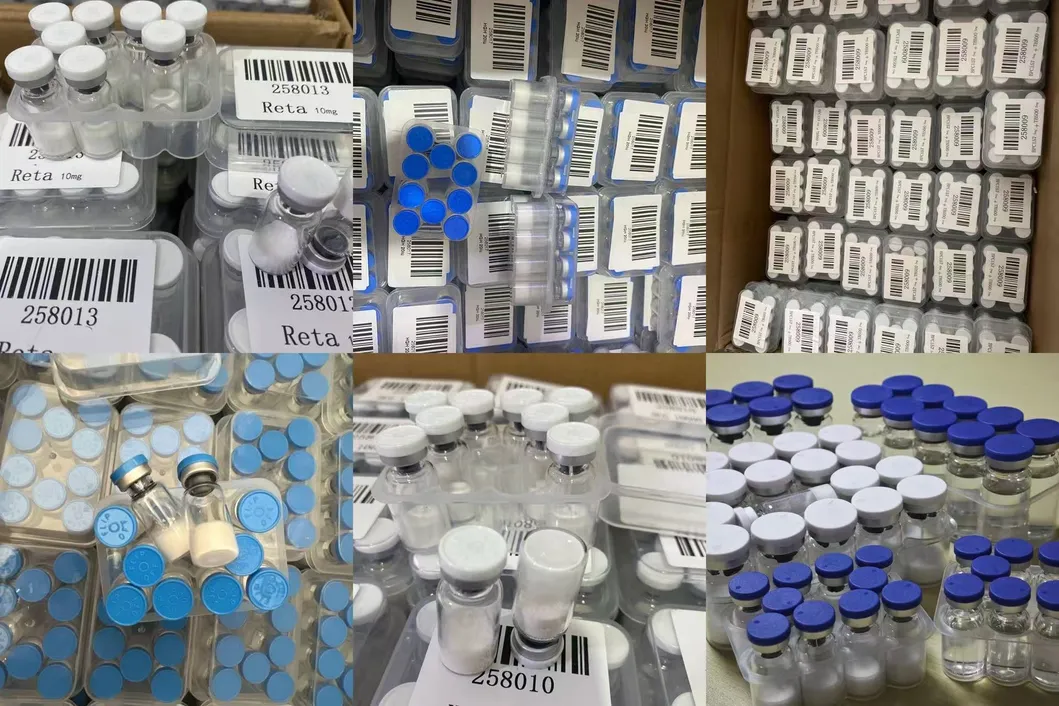
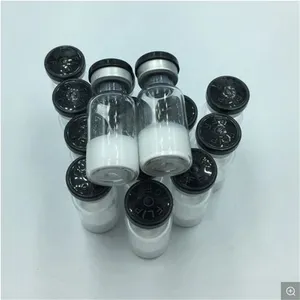
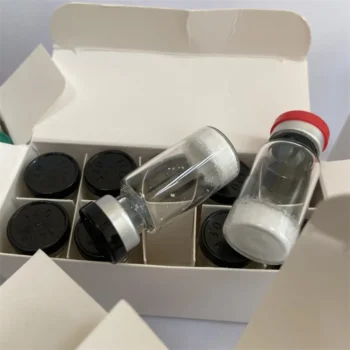
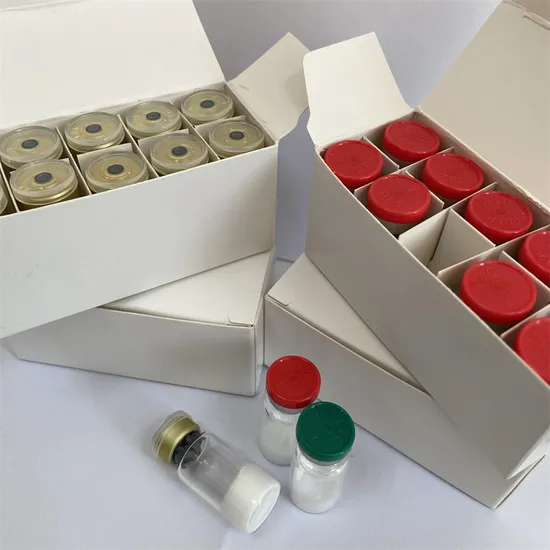
Selank 99% high-purity Lyophilized Powder 5–30 mg Wholesale
Original price was: $8.00.$6.00Current price is: $6.00.
Selank is a high-purity synthetic peptide designed for in vitro mechanistic studies of neuropeptide signaling, receptor interactions, and intracellular molecular pathways. Supplied in 5–30 mg lyophilized vials, available for factory-direct wholesale and bulk laboratory research.
Description
Contents
hide
Product Description
Selank is a synthetic heptapeptide derived from tuftsin, developed for high-precision in vitro mechanistic studies. Its defined amino acid sequence allows researchers to investigate peptide-receptor interactions, intracellular signaling cascades, and transcriptional regulation under controlled laboratory conditions. The peptide’s high purity (≥99%) and consistent structural integrity ensure reproducibility across different experimental platforms, making it a reliable reagent for detailed mechanistic research.
In vitro studies using Selank focus on temporal and dose-dependent intracellular responses, providing insight into early and late signaling events. Laboratories can examine how receptor engagement influences secondary messenger systems, kinase activation, and downstream transcription factor modulation, offering a comprehensive understanding of molecular networks. The peptide is particularly suitable for time-course experiments, where distinguishing between immediate and delayed cellular responses is essential for mechanistic mapping.
Selank is compatible with a wide range of cellular models, including 2D monolayer cultures, co-culture systems, and 3D spheroids or organoids. These models enable researchers to explore spatial and temporal dynamics of signaling and assess cell-cell interactions and pathway integration. Additionally, the peptide supports reporter assays, fluorescence imaging, and biochemical analyses, allowing high-resolution monitoring of intracellular events and quantitative evaluation of pathway activation.
Beyond classical mechanistic studies, Selank can be integrated into multi-omic workflows, including proteomic, transcriptomic, and metabolomic analyses. By inducing controlled molecular perturbations, the peptide helps generate datasets suitable for computational modeling, network simulations, and predictive pathway analysis, enhancing systems-level understanding of intracellular regulation. This integration allows laboratories to study mechanistic relationships between receptor signaling and molecular outcomes in a reproducible manner.
Factory-manufactured in China, Selank is supplied as lyophilized powder in 5 mg to 30 mg vials, suitable for both small-scale and large-scale laboratory experiments. Bulk and wholesale options provide laboratories with cost-effective access to high-purity peptide, supporting extensive in vitro research. Its stability, reproducibility, and compatibility with diverse experimental platforms make Selank a versatile molecular tool for detailed investigation of intracellular signaling, receptor dynamics, and molecular pathway crosstalk.
The peptide’s consistent behavior in controlled experiments ensures reliable data for mechanistic mapping, hypothesis testing, and multi-omic integration, making it an essential reagent for laboratories focused on neuropeptide signaling, intracellular pathway regulation, and systems biology approaches.
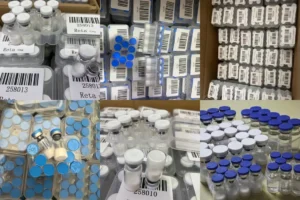
Product Specifications
| Specification | Details |
|---|---|
| Product Name | Selank (Lyophilized Powder) |
| Dosage Range | 5 mg – 30 mg per vial |
| Molecular Type | Synthetic heptapeptide |
| Amino Acid Sequence | Thr-Lys-Pro-Arg-Pro-Gly-Pro |
| CAS Number | 129954-34-3 |
| Purity | ≥99% (HPLC and mass spectrometry verified) |
| Appearance | White to off-white lyophilized powder |
| Solubility | Soluble in sterile laboratory buffers suitable for in vitro assays |
| Research Grade | For mechanistic and intracellular signaling studies only |
| Primary Research Focus | Neuropeptide receptor signaling, intracellular pathway modulation |
| Stability | Stable under recommended storage; minimal degradation |
| Storage Conditions | −20 °C, dry, protected from light and moisture |
| Quality Control | Batch verification by HPLC, MS, and peptide sequencing |
| Manufacturing Source | Factory-manufactured in China with consistent batch quality |
| Supply Format | Lyophilized powder, lab-scale and bulk quantities |
| Application Scope | Mechanistic studies, multi-omic integration, computational modeling |
Mechanism of Action
Selank is a synthetic heptapeptide designed to modulate neuropeptide receptor signaling in controlled in vitro environments. Its defined amino acid sequence enables selective engagement with specific peptide-binding receptors, triggering intracellular signaling cascades that can be quantitatively analyzed. This precise receptor interaction allows researchers to investigate mechanistic aspects of second messenger modulation, kinase activity, and downstream transcription factor regulation.
Upon binding to target receptors, Selank can induce changes in intracellular calcium levels, cyclic nucleotide concentrations, and protein phosphorylation states, depending on the cellular context. These molecular events provide insight into the temporal dynamics of receptor activation, feedback regulation, and pathway hierarchy. The peptide’s reproducible behavior makes it ideal for time-course studies, distinguishing early signaling events from later transcriptional and post-translational responses.
Selank also facilitates detailed investigation of receptor crosstalk and pathway integration. When applied in combination with other ligands or modulatory agents, the peptide allows assessment of synergistic, antagonistic, or regulatory interactions within complex intracellular networks. This capability supports mechanistic studies aimed at understanding how multiple signaling pathways converge to regulate cellular responses.
At the molecular level, Selank can influence gene expression patterns, transcription factor activation, and intracellular protein dynamics. These effects make it a valuable tool for connecting receptor engagement to broader molecular networks and regulatory pathways. Its compatibility with 2D and 3D cell culture systems, co-cultures, and reporter gene assays enables mechanistic mapping of both spatial and temporal signaling events.
Furthermore, the peptide can be integrated into multi-omic experimental workflows. Data obtained from Selank-treated cells can be applied to proteomics, transcriptomics, and metabolomics analyses, supporting computational modeling of intracellular pathways. This approach allows laboratories to construct predictive network maps and understand mechanistic relationships between receptor signaling and molecular outcomes.
Selank’s high purity and batch consistency ensure reproducible effects across experimental platforms, making it a reliable tool for mechanistic research. Its application extends from detailed receptor signaling studies to high-content and high-throughput screening assays, providing versatile experimental options for laboratories investigating molecular mechanisms of neuropeptide action.
Applications
Selank is primarily used for in vitro mechanistic studies focusing on neuropeptide receptor signaling, intracellular pathway modulation, and molecular network dynamics. Its high purity and structural consistency make it suitable for experiments requiring reproducible activation of specific receptor-mediated pathways. Researchers utilize Selank to examine temporal and dose-dependent signaling events, enabling a detailed understanding of intracellular processes.
The peptide is compatible with a variety of cellular models, including 2D monolayers, co-culture systems, and 3D spheroids or organoids, allowing investigation of both spatial and temporal aspects of signaling. In these models, Selank facilitates the study of receptor crosstalk, signal integration, and secondary messenger dynamics, providing insight into complex intracellular networks.
Selank is also applicable in high-resolution imaging and reporter assays, enabling precise monitoring of kinase activation, calcium flux, and transcription factor activity. Its reproducibility supports quantitative mechanistic studies, allowing laboratories to assess pathway-specific responses and compare data across multiple experimental conditions.
In addition, Selank can be integrated into multi-omic experimental workflows, including proteomics, transcriptomics, and metabolomics, to link receptor signaling with broader molecular changes. Controlled perturbation with Selank generates datasets suitable for computational modeling, network analysis, and predictive simulation, offering mechanistic insight into intracellular pathway regulation.
The peptide is particularly valuable for high-content and high-throughput studies, where consistent receptor activation and pathway modulation are essential for reliable data collection. Selank enables researchers to explore mechanistic hypotheses, pathway interactions, and molecular crosstalk across diverse cell types, providing versatile options for in vitro research.
Furthermore, Selank is used to study signal transduction, gene expression modulation, and peptide-mediated molecular interactions, contributing to a deeper understanding of cellular regulatory mechanisms. Its stability and compatibility with multiple in vitro systems make it a robust and versatile tool for laboratories conducting detailed mechanistic research.

Research Models
Selank is compatible with a wide range of in vitro research models, enabling comprehensive studies of neuropeptide receptor signaling and intracellular molecular pathways. Its high purity and reproducibility allow laboratories to perform mechanistic investigations across multiple experimental platforms, supporting both small-scale and high-throughput research.
2D monolayer cultures are commonly employed to assess receptor activation kinetics, intracellular signaling dynamics, and second messenger modulation. These models provide a controlled environment to quantify early and late signaling events following Selank treatment, making them ideal for time-course studies and mechanistic assays.
3D spheroids and organoids offer physiologically relevant cellular architectures for studying spatial and temporal signaling gradients. In these systems, Selank enables examination of cell-cell interactions, receptor-mediated crosstalk, and pathway integration, providing a more holistic view of intracellular network responses in complex models.
Co-culture systems further enhance mechanistic research by allowing exploration of intercellular signaling and paracrine effects. Selank facilitates investigation of molecular interactions between different cell types, helping to elucidate how peptide signaling integrates into broader cellular networks. These models are particularly useful for studying secondary messenger propagation and feedback regulation.
Reporter gene and genetically engineered cell lines provide a pathway-specific readout for mechanistic studies. Using Selank, researchers can monitor receptor engagement, transcription factor activation, and downstream pathway modulation with high precision. These models also allow for quantitative comparison across experimental conditions, ensuring reproducibility and reliability of data.
Additionally, Selank is suitable for high-content and automated high-throughput platforms, supporting large-scale studies of receptor signaling, intracellular pathway dynamics, and molecular network interactions. Its consistent activity ensures that experiments generate reliable and reproducible datasets.
Overall, Selank’s compatibility with diverse in vitro systems makes it a versatile and robust tool for laboratories aiming to investigate peptide-mediated signaling, receptor mechanisms, and intracellular molecular pathways under controlled experimental conditions.
Experimental Design Considerations
Careful experimental design is essential for in vitro mechanistic studies using Selank. Researchers should optimize peptide concentration, exposure duration, and cellular context to ensure reproducible activation of intracellular signaling pathways. Establishing dose-response relationships allows mapping of threshold effects, temporal dynamics, and maximal pathway engagement.
Proper control groups are critical. Include negative controls, vehicle-treated samples, and, if applicable, positive controls with known modulators to accurately assess Selank-induced signaling changes. Replication across independent experiments enhances statistical reliability and reproducibility.
When designing studies, consider the choice of cellular models. Selank is compatible with 2D monolayers, co-culture systems, and 3D spheroids or organoids, each offering distinct advantages. 2D systems provide straightforward quantitative readouts, while 3D models allow exploration of spatial gradients and multicellular interactions. Co-cultures enable analysis of paracrine signaling and intercellular communication, supporting mechanistic insights beyond single-cell models.
Integration with multi-omic workflows is recommended when investigating system-level responses. Selank treatment can be combined with proteomic, transcriptomic, and metabolomic analyses to generate datasets suitable for computational modeling, network simulations, and pathway analysis. Ensure experimental parameters are standardized to maintain data comparability across omic platforms.
For studies involving reporter assays, fluorescence imaging, or high-content screening, optimize technical parameters such as imaging settings, assay timing, and readout sensitivity. Consistent handling of Selank, including solubilization in sterile buffers and single-use aliquots, preserves peptide integrity and experimental reproducibility.
Finally, document all experimental details meticulously, including batch information, storage conditions, handling procedures, and assay parameters. Such record-keeping facilitates reproducibility, cross-study comparisons, and computational modeling efforts, ensuring reliable mechanistic insights derived from Selank-treated systems.
Selank Laboratory Safety & Handling Guidelines
Handling Selank requires strict adherence to laboratory safety protocols to ensure both researcher safety and experimental integrity. Always use appropriate personal protective equipment (PPE), including gloves, lab coats, and eye protection, when working with the peptide. Selank should be handled in well-ventilated laboratory spaces or, preferably, within biosafety cabinets to minimize exposure to airborne particles and prevent cross-contamination.
The lyophilized peptide should be stored at −20 °C in a dry, light-protected environment. Avoid repeated freeze-thaw cycles, which may compromise peptide stability and reduce experimental reproducibility. When preparing solutions, use sterile laboratory-grade buffers and work under aseptic conditions to prevent contamination. Selank solutions should be prepared in small aliquots for single-use applications to maintain integrity over multiple experiments.
All experimental surfaces and equipment should be cleaned and disinfected before and after use. Workspaces, pipettes, and containers that come into contact with Selank must follow institutional decontamination protocols, ensuring residual peptide does not affect subsequent experiments. Proper labeling of vials and prepared solutions is essential for tracking batch information, concentration, and experimental usage.
Laboratory personnel should be trained in safe handling, storage, and disposal of peptides, including lyophilized and reconstituted forms. Spills of Selank powder or solution should be immediately contained, collected using appropriate tools, and disposed of according to institutional hazardous waste guidelines. Do not dispose of peptide waste in general laboratory trash or drains.
When performing high-content imaging, reporter assays, or multi-omic experiments with Selank, it is important to ensure that pipetting, solution transfer, and assay preparation minimize variability. Standardizing these procedures maintains consistent peptide activity and experimental reproducibility. Additionally, all documentation of batch number, storage conditions, and handling practices should be maintained for quality assurance and future reference.
Selank is designed for research use only in mechanistic and molecular signaling studies. It is not for clinical, veterinary, or human use, and laboratories must enforce clear separation between research peptides and any materials intended for non-laboratory purposes. Adhering to these guidelines ensures safe handling, reliable experimental results, and reproducible mechanistic insights when working with Selank in vitro.
Integration with Multi-Omic & Computational Studies
Selank is highly compatible with multi-omic experimental designs, providing controlled perturbation for proteomic, transcriptomic, and metabolomic analyses. In in vitro mechanistic studies, researchers can apply the peptide to examine how receptor engagement translates into molecular network responses, generating quantitative datasets for integrative analysis.
Proteomic studies using Selank allow measurement of phosphorylation events, kinase activation, and protein-protein interactions, revealing downstream signaling effects. Transcriptomic analyses can capture gene expression modulation induced by peptide treatment, while metabolomic profiling identifies changes in cellular metabolism and signaling intermediates. Combining these layers provides a holistic view of intracellular processes in response to Selank.
Data generated from these studies can be incorporated into computational modeling and network analysis pipelines. Selank-treated datasets support pathway simulations, predictive modeling, and systems biology approaches, enabling researchers to elucidate mechanistic relationships between receptor activation and cellular responses. This integration enhances understanding of complex signaling networks and allows exploration of crosstalk between multiple intracellular pathways.
The peptide’s high purity and reproducibility ensure that multi-omic datasets are reliable and comparable across experimental runs. Laboratories can leverage Selank for high-throughput studies, computational simulations, and mechanistic hypothesis testing, bridging experimental and systems-level analyses.
Shipping Guarantee
All Selank shipments are carefully packaged and tracked to maintain peptide stability and high purity. Temperature-controlled handling ensures that lyophilized powder arrives intact, preserving experimental integrity. Bulk and wholesale orders receive additional protective packaging to minimize exposure to environmental fluctuations. Every shipment is accompanied by batch verification and quality documentation. Laboratories can rely on timely delivery, ensuring uninterrupted research workflow. Proper handling upon receipt is recommended to maintain peptide activity.
Trade Assurance
Factory-direct supply guarantees consistent high purity and structural integrity of Selank. Certificates of analysis and batch documentation are provided for every order. Wholesale and bulk quantities are available for laboratories requiring cost-effective access to research-grade peptides. The supply chain is designed to meet strict quality standards, supporting reproducibility in mechanistic studies. All products comply with international shipping and regulatory guidelines for laboratory research materials.
Payment Support
Payment options for Selank include credit cards, bank transfer (TT), and cryptocurrencies such as BTC, ETH, and USDT. Transactions are secure and encrypted, ensuring protection of financial information. Multi-currency support facilitates international laboratory orders. Payment confirmation is issued promptly to streamline processing and shipping. Flexible payment options support both small-scale and bulk laboratory research purchases.
Disclaimer
Selank is intended exclusively for in vitro mechanistic research and molecular signaling studies. It is not for human, veterinary, or clinical use. Laboratories must follow standard safety and handling protocols when working with the peptide. The manufacturer is not responsible for misuse or non-research applications. Researchers should ensure accurate documentation and adherence to institutional guidelines. All experimental conclusions must be derived from controlled in vitro studies.
References
Peptide Science Journal: Selank Mechanisms
Journal of Neurochemistry: Peptide Research
ResearchGate: Selank In Vitro Studies

Additional information
| Weight | 1.6 kg |
|---|---|
| Dimensions | 86 × 46 × 86 cm |
1. What is Selank used for in research?
Selank is used for in vitro mechanistic studies focusing on neuropeptide signaling, intracellular pathway modulation, and molecular network dynamics. It allows laboratories to study receptor-mediated effects under controlled conditions.
2. Can Selank be used in vivo?
No. Selank is intended strictly for in vitro mechanistic and molecular signaling studies. It is not suitable for human, veterinary, or clinical applications.
3. How should Selank be stored?
Lyophilized Selank should be stored at −20 °C, dry and protected from light. Avoid repeated freeze-thaw cycles to maintain peptide stability and experimental reproducibility.
4. What is the purity of Selank?
Selank is ≥99% pure, verified by HPLC and mass spectrometry, ensuring consistent and reproducible results across experimental platforms.
5. Which cell models are compatible with Selank?
Selank is compatible with 2D monolayer cultures, co-culture systems, 3D spheroids, organoids, and reporter cell lines, supporting diverse mechanistic experiments.
6. How is Selank prepared for experiments?
Dissolve Selank in sterile laboratory-grade buffers. Prepare single-use aliquots to prevent degradation and contamination. Use aseptic techniques to maintain experimental integrity.
7. Can Selank be integrated into multi-omic studies?
Yes. Selank can be incorporated into proteomic, transcriptomic, and metabolomic workflows to study molecular network responses and intracellular pathway regulation.
8. How does Selank influence intracellular signaling?
It modulates second messengers, kinase phosphorylation, transcription factors, and downstream molecular pathways, providing detailed mechanistic insights.
9. What safety precautions are required when handling Selank?
Use PPE, gloves, and eye protection, work in ventilated areas or biosafety cabinets, and follow institutional peptide disposal protocols.
10. Is Selank suitable for high-throughput screening?
Yes, its stability and reproducibility allow application in multi-well plates and automated high-content platforms for large-scale mechanistic studies.
11. Can Selank experimental data be used for computational modeling?
Yes. Data from Selank-treated in vitro systems can support network simulations, predictive modeling, and pathway analysis to study signaling mechanisms.
12. Which analytical techniques are compatible with Selank?
Western blotting, ELISA, mass spectrometry, fluorescence imaging, and reporter assays are all suitable for Selank mechanistic studies.
13. Is Selank suitable for receptor selectivity studies?
Yes. It enables investigation of receptor specificity, pathway crosstalk, and signaling kinetics in controlled in vitro models.
14. Are bulk and custom supply options available?
Yes. Selank is factory-manufactured, with bulk, wholesale, and custom packaging available for laboratory research needs.
15. Is Selank safe for laboratory personnel?
When handled according to standard laboratory safety protocols, Selank is safe for research personnel, with minimal risk during in vitro mechanistic studies.
Related products
GLP-1 Retatrutide Weight Loss Slimming low price wholesale
GLP-1 peptide slimming product, 5mg 10mg 15mg vials, metabolic health- Application: Health Care Supplement
- Form: Disposable vials
- Dosages: 5mg, 10mg, 15mg
- Purity: >99%
Cosmetic Peptide Raw Material Factory – Low Price Wholesale Direct from China
Cosmetic Peptide Appearance: Lyophilized powder Dose 2mg 5mg 10mg 15mg 20mg Higher Original price was: $42.00.$22.00Current price is: $22.00.USA Warehouse 99% IV Infusion Therapy Anti-Aging Injection Peptide for Weight Loss & Muscle Building
USA Warehouse 99% IV Infusion Therapy Anti-Aging Injection Peptide for Weight Loss & Muscle Building Original price was: $38.00.$23.00Current price is: $23.00.GLP-1/GIP/glucagon combination therapy The Future of Metabolic Treatment (Wholesale Supplier Guide)
GLP-1/GIP/glucagon combination therapy Original price was: $38.00.$23.00Current price is: $23.00.


Reviews
There are no reviews yet.