
No products in the cart.
Sale
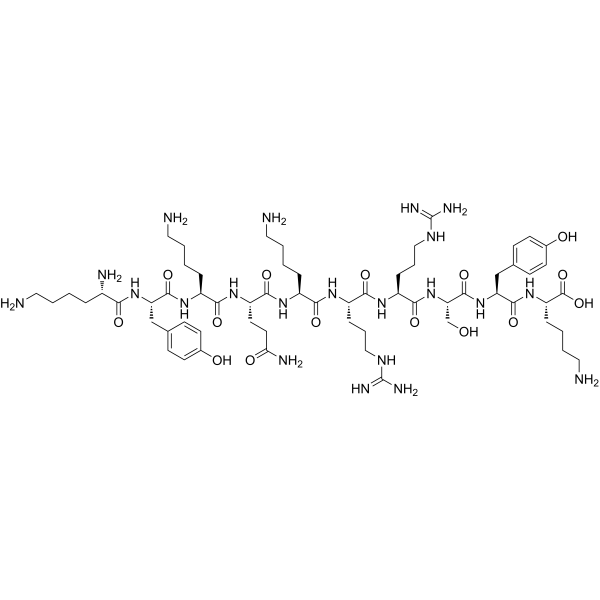
Selcopintide (CAS No. 2130912-34-2) | GMP Supplier Synthetic Peptide for Dentin Regeneration Research
Original price was: $22.00.$18.00Current price is: $18.00.
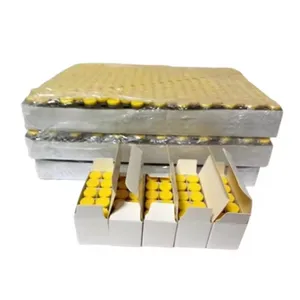
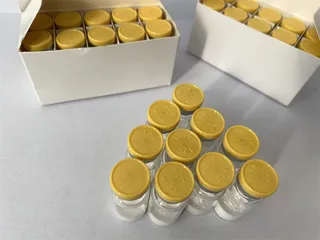
Selcopintide (CAS 2130912-34-2), a synthetic 10-amino acid peptide from hCPNE7 (residues 344–353), mimics CPNE7 activity in vitro, upregulates DSPP and Nestin, and promotes dentin regeneration. GMP-manufactured and available for research labs globally.(Please contact our staff to place an order or learn about product wholesale prices, specifications, uses and lists)
Description
Selcopintide is a synthetic peptide engineered from the human CPNE7 protein, specifically corresponding to amino acids 344–353. This small but biologically active fragment reproduces the critical functional effects of CPNE7 in vitro and ex vivo, particularly in dental tissue research. Selcopintide has been shown to upregulate key odontoblast differentiation markers, including DSPP (Dentin Sialophosphoprotein) and Nestin, which are essential for odontoblast lineage commitment and dentin formation.
In preclinical studies, Selcopintide promotes dentin regeneration in varying degrees of dentinal defects, with the regenerated tissue exhibiting structural and biochemical characteristics comparable to natural dentin. This makes Selcopintide a valuable tool for researchers investigating regenerative dental therapies, biomimetic materials, and tissue engineering approaches in endodontics.
Selcopintide is available in both salt (acetate) and free peptide forms. While both forms display comparable bioactivity at equivalent molar concentrations, the acetate salt typically provides enhanced solubility and chemical stability, which is advantageous for long-term storage and aqueous-based experimental protocols.
Produced in GMP-compliant facilities, Selcopintide ensures high purity, reproducibility, and suitability for translational dental research applications. Researchers utilize Selcopintide to explore mechanisms of odontoblast differentiation, dentin-pulp regeneration, and the role of CPNE7 in dental tissue development.
For laboratory research use only. Not intended for human or veterinary use.
Product Specifications
| Parameter | Details |
|---|---|
| Product Name | Selcopintide |
| CAS Number | 2130912-34-2 |
| Molecular Type | Synthetic peptide |
| Peptide Sequence | Cpne7-DP (residues 344–353 of hCPNE7) |
| Purity | ? 98% (HPLC) |
| Activity | Upregulates odontoblast markers DSPP and Nestin, promotes dentin regeneration |
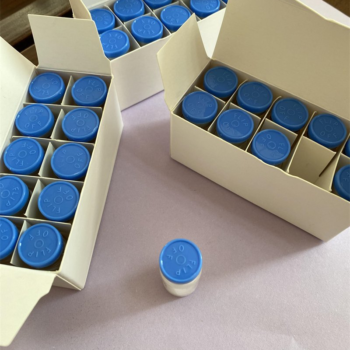
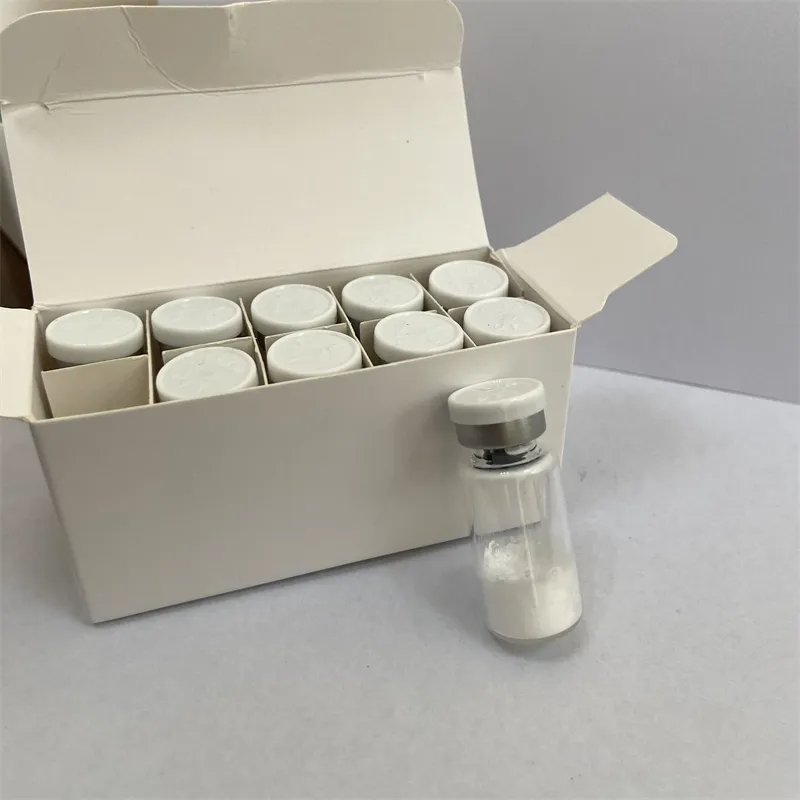
| Appearance | Lyophilized peptide powder |
| Salt Form | Acetate (enhanced solubility and stability) |
| Storage Conditions | Store at -20°C, protected from moisture and light |
| GMP Compliance | Produced in GMP-certified facility |
| Application | Laboratory research in dental tissue regeneration and odontoblast studies |
| Availability | Wholesale & retail supply |
Mechanism of Action & Research Applications
Selcopintide exerts its effects primarily by mimicking the biological activity of the CPNE7 protein, which plays a critical role in odontoblast differentiation and dentin formation. Mechanistically, Selcopintide binds to intracellular pathways that upregulate odontoblast-specific gene expression, including DSPP and Nestin, promoting cellular differentiation and mineralization necessary for dentin regeneration.
Dentin Regeneration Research:
Selcopintide induces odontoblast-like differentiation in vitro, leading to the deposition of dentin-like extracellular matrix. The regenerated dentin exhibits structural, mineral, and functional similarities to native dentin, making Selcopintide highly valuable for studying dental repair mechanisms and therapeutic interventions in regenerative endodontics.Odontoblast Marker Upregulation:
DSPP and Nestin are critical for odontoblast function. DSPP regulates dentin mineralization and extracellular matrix composition, while Nestin supports cellular differentiation and cytoskeletal organization. Selcopintide has been shown to increase the expression of these markers, thereby enhancing odontoblast lineage commitment in experimental models.Tissue Engineering & Biomaterials Research:
Selcopintide is used in combination with scaffolds or biomimetic materials to study controlled dentin formation. Its small size and high activity facilitate incorporation into hydrogels, collagen matrices, or peptide-conjugated delivery systems.Comparative Studies of Salt vs. Free Form:
Both acetate salt and free peptide forms retain bioactivity. The acetate form offers better solubility and long-term stability, enabling consistent experimental outcomes in aqueous or physiological buffers.Preclinical and Translational Research:
Researchers utilize Selcopintide in ex vivo tooth culture systems, organoids, and animal models to evaluate dentin repair strategies, molecular pathways of odontoblast differentiation, and novel therapeutic approaches for dental defects.
is widely applicable in regenerative endodontics, tooth tissue engineering, and basic odontogenesis studies, offering a reliable tool for investigating both molecular mechanisms and practical regenerative interventions.
Side Effects (For Reference in Research Models)
In laboratory models, Selcopintide is generally well-tolerated at effective concentrations. Potential effects to monitor in experimental studies include:
Localized cellular hyperactivity: Overstimulation of odontoblast differentiation pathways may lead to accelerated matrix deposition in vitro.
Peptide stability-related variability: Free form may show slight degradation under prolonged aqueous storage; use acetate salt for increased stability.
Off-target effects in high doses: Minimal, but may affect non-odontoblast cell populations if applied in excess.
Immunogenic potential in animal models: Rare, peptide is highly conserved but experimental protocols should monitor inflammatory responses.
Note: is intended solely for laboratory research. These observations do not represent clinical safety data.
Disclaimer
is supplied strictly for laboratory research purposes only. It is not intended for human or veterinary use, nor as a therapeutic, drug, or food additive. Users must follow standard laboratory safety procedures, proper handling, and storage recommendations.
Keywords
Cpne7-DP peptide
GMP peptide supplier Selcopintide
Dentin regeneration peptide
Odontoblast differentiation research
Dental tissue engineering peptide
Wholesale Selcopintide bulk
Additional information
| Weight | 0.8 kg |
|---|---|
| Dimensions | 63 × 53 × 63 cm |
Related products
Retatrutide | CAS 2381089-83-2 | Dual GLP-1/GIP/Glucagon Receptor Agonist
Retatrutide (CAS 2381089-83-2) is a high-purity research-grade peptide optimized for in vitro mechanistic studies. It supports investigations into signal transduction, receptor interactions, and molecular pathway modulation. Supplied as a lyophilized powder, it ensures stability and reproducibility for laboratory research applications. Original price was: $14.00.$12.00Current price is: $12.00.Tesamorelin Raw Material Factory: Low-Price Wholesale for High-Purity Peptides
Tesamorelin Egrifta; Tesamorelin; 218949-48-5; 804475-66-9; TH9507; ... Compound CID: 16137828 MF: C221H366N72O67S Original price was: $38.00.$23.00Current price is: $23.00.Tirzepatide Raw Material Factory: Low-Price Wholesale for High-Purity Peptides
Tirzepatide Compound CID: 163285897 MF: C225H348N48O68 diabetes [9][13][14][15] and for weight loss Original price was: $38.00.$23.00Current price is: $23.00.Retatrutide cost with insurance
Retatrutide cost with insurance Original price was: $38.00.$26.00Current price is: $26.00.


Reviews
There are no reviews yet.