Silodosin CAS 160970-54-7 4mg | For research use only
$86.00Original price was: $86.00.$56.00Current price is: $56.00.
Silodosin is a high-purity research reagent suitable for in vitro mechanistic and molecular studies. It supports enzyme modulation, receptor signaling, and molecular pathway investigations under controlled laboratory conditions. Factory-direct manufacturing ensures consistent batch quality, analytical verification, and bulk availability for laboratory research.
Silodosin is a high-purity chemical compound designed for in vitro mechanistic research. It is widely used in laboratories to study enzyme inhibition, receptor-ligand interactions, and molecular signaling pathways. Each batch is rigorously tested to ensure purity, identity, and reproducibility, making it suitable for quantitative enzymatic and mechanistic assays.
Supplied as a stable solid powder, Silodosin facilitates precise solution preparation for enzyme kinetics studies, receptor binding analysis, and signal transduction research. Its chemical stability allows consistent results across multiple experiments and assay formats. Researchers can employ Silodosin to investigate molecular mechanisms, pathway modulation, and structure-function relationships.
Factory-direct production ensures batch consistency and traceability, with accompanying Certificate of Analysis (COA) for verification. Its reproducible performance supports high-throughput laboratory workflows and comparative mechanistic studies, making Silodosin a reliable tool for advanced in vitro research.
Silodosin 4 mg
Product Specifications
Item
Specification
Notes
Product Name
Silodosin
CAS 160970-54-7, high-purity research reagent
Molecular Formula
C24H32F3N3O4
Supports quantitative molecular assays
Molecular Weight
495.5 g/mol
Accurate for solution preparation and concentration calculations
Purity
≥99% (HPLC)
High purity ensures reproducibility and reliable experimental outcomes
Appearance
White to off-white solid
Stable for laboratory handling and solution preparation
Physical Form
Solid powder
Facilitates precise weighing and solubilization for in vitro assays
Solubility
Soluble in DMSO and ethanol
Compatible with mechanistic and receptor-ligand studies
Storage
–20 °C, dry, protected from light
Preserves chemical stability and activity over time
Stability
Stable under recommended conditions
Avoid exposure to moisture, heat, and repeated freeze-thaw cycles
Quality Control
Certificate of Analysis (COA) included
Confirms identity, purity, and batch verification
Batch Consistency
Factory-controlled production
Ensures reproducible data across experiments
Packaging
Vials or bulk supply
Supports small-scale and high-throughput research workflows
Supply Mode
Factory manufactured, wholesale available
Cost-effective for long-term mechanistic research
Intended Use
In vitro laboratory research
Not for clinical or human/animal use
Regulatory Status
Research use only
Compliant with laboratory safety standards
Mechanism of Action
Silodosin functions as a selective alpha-1A adrenergic receptor antagonist in controlled in vitro mechanistic studies. By binding to the alpha-1A receptor subtype, it prevents receptor activation and downstream signaling, allowing researchers to investigate receptor-ligand interactions, signal transduction dynamics, and pathway modulation under reproducible laboratory conditions. Its selectivity for alpha-1A over other adrenergic subtypes enables precise mechanistic analysis in receptor-mediated systems without interference from non-target pathways.
In in vitro assays, Silodosin is commonly used to explore molecular mechanisms underlying G protein-coupled receptor (GPCR) signaling. It inhibits receptor-mediated activation of secondary messengers, such as intracellular calcium flux, thereby allowing the study of receptor-specific signal transduction events, allosteric regulation, and downstream effectors. Researchers can apply Silodosin to dissect isoform-specific receptor activity and quantify the inhibitory effects on signal propagation within defined molecular networks.
Silodosin also facilitates studies of structure-function relationships, where its chemical interaction with the alpha-1A receptor can be correlated with binding kinetics, receptor occupancy, and signaling output. By controlling receptor activity in vitro, researchers can evaluate dose-response relationships, potency, and selectivity, providing mechanistic insights into receptor modulation at the molecular level.
The high purity and chemical stability of Silodosin ensure consistent results across multiple assays, supporting comparative mechanistic studies and high-throughput screening applications. Its performance is compatible with cell-free receptor systems, microplate-based binding assays, and enzyme-linked receptor assays, enabling scalable and reproducible experimental designs.
Structural diagram or pathway schematic :
Silodosin Chemical structure
Mechanistic data obtained using Silodosin can be integrated into computational models and multi-omic analyses, facilitating the simulation of receptor signaling networks, pathway crosstalk, and feedback mechanisms. This approach enhances the interpretive value of in vitro studies, enabling predictive modeling of receptor behavior and molecular network dynamics.
Overall, Silodosin provides a robust, selective, and reproducible reagent for in vitro mechanistic studies of alpha-1A adrenergic receptor pathways. Its precise inhibitory profile, compatibility with diverse assay formats, and integration potential with computational modeling make it an indispensable tool for advanced receptor signaling and molecular mechanism research.
Applications
Silodosin is widely utilized in in vitro mechanistic and molecular studies, providing researchers with a reliable tool for investigating alpha-1A adrenergic receptor signaling and downstream molecular pathways. Its high selectivity and purity make it suitable for a variety of controlled laboratory experiments, enabling detailed mechanistic analyses.
One primary application is in receptor-ligand interaction studies, where Silodosin is used to evaluate binding affinity, receptor selectivity, and isoform-specific inhibition. Researchers can quantify receptor occupancy, inhibitory potency, and downstream signaling modulation to understand the molecular mechanisms governing alpha-1A receptor activity.
Silodosin is also applied in signal transduction research, particularly for GPCR-mediated pathways. By selectively inhibiting the alpha-1A receptor, it allows researchers to explore secondary messenger dynamics, intracellular signaling cascades, and pathway crosstalk under controlled experimental conditions. This facilitates insights into receptor regulation, effector activation, and feedback mechanisms.
In structure-function analyses, Silodosin serves as a reference inhibitor for comparative mechanistic studies. Its reproducible performance supports experiments that assess structure-activity relationships, dose-response curves, and temporal signaling events, providing robust data for mechanistic interpretation.
Furthermore, Silodosin is compatible with high-throughput assay platforms, including microplate-based receptor binding studies, enzyme-linked receptor assays, and automated screening systems. This enables scalable experimentation, comparative analyses across multiple conditions, and reproducible mechanistic insights into receptor-mediated molecular networks.
By integrating Silodosin into controlled in vitro research workflows, laboratories can gain detailed understanding of alpha-1A receptor regulation, signaling pathway dynamics, and molecular interaction networks, supporting robust and reproducible mechanistic studies at the cellular and molecular level.
Research Models
Silodosin is compatible with a variety of in vitro research models designed to study alpha-1A adrenergic receptor signaling, molecular interactions, and downstream pathways. Its high purity and selectivity make it suitable for mechanistic studies requiring precise receptor modulation.
One commonly used model is cell-free receptor binding assays, where Silodosin is applied to quantify receptor-ligand interactions, binding kinetics, and isoform-specific selectivity. These systems allow researchers to investigate molecular mechanisms without the complexity of cellular context, providing clear insight into receptor modulation.
Silodosin is also utilized in reconstituted signaling systems, such as isolated G protein-coupled receptor (GPCR) pathways, to examine secondary messenger dynamics, intracellular signaling events, and downstream effectors. These models enable detailed mechanistic analysis of receptor-mediated signal transduction under controlled conditions.
For studies focused on molecular interactions, Silodosin can be incorporated into protein-protein interaction platforms to probe receptor-effector interactions, allosteric modulation, and pathway regulation. Its chemical stability ensures consistent activity measurements across experimental replicates.
High-throughput applications are supported in microplate-based assays and automated screening systems, allowing researchers to evaluate receptor inhibition, dose-response curves, and temporal signaling dynamics across multiple conditions. These models facilitate comparative mechanistic analyses and predictive simulations.
By using Silodosin in these research models, laboratories can achieve reproducible and interpretable data on receptor function, signal transduction, and mechanistic pathway regulation, providing a robust foundation for advanced in vitro mechanistic studies.
Experimental Design Considerations
When designing experiments using Silodosin, careful planning is essential to ensure reliable and reproducible mechanistic data. Researchers should prepare accurate stock and working solutions using validated solvents such as DMSO or ethanol, taking care to maintain chemical stability and precise concentration ranges suitable for receptor-specific studies.
Including proper controls and replicates is critical for differentiating compound-specific effects from background or nonspecific interactions. Recommended controls include vehicle-only samples, negative controls without Silodosin, and baseline measurements of receptor or signaling activity. This ensures accurate interpretation of experimental outcomes.
The concentration range and incubation time should be optimized based on the receptor system or signaling pathway being studied. Consistency in temperature, pH, and ionic strength across assays is essential to minimize variability and maintain enzymatic or receptor activity.
Silodosin’s chemical stability and solubility should be carefully considered. Avoid repeated freeze-thaw cycles, and aliquot stock solutions to prevent degradation. Gentle mixing and thorough dissolution are recommended to ensure uniform distribution in assay systems.
For mechanistic studies, performing dose-response and kinetic analyses allows precise determination of receptor inhibition, binding affinity, and signal modulation. Time-course studies can provide additional insights into temporal dynamics of receptor signaling and downstream molecular events.
Finally, meticulous documentation of batch numbers, storage conditions, solution preparation, and assay parameters is critical for traceability and reproducibility. This enables comparison between experiments, supports quality assurance, and ensures mechanistic findings are robust and interpretable.
Laboratory Safety & Handling Guidelines
Silodosin is a high-purity research reagent intended for in vitro mechanistic and molecular studies. Proper handling is essential to maintain chemical integrity and ensure laboratory safety. All personnel should follow standard laboratory safety protocols and wear appropriate personal protective equipment (PPE), including gloves, lab coats, and eye protection. Handling should occur in a controlled workspace, such as a fume hood or biosafety cabinet, to minimize contamination and accidental exposure.
The solid powder must be protected from moisture, light, and temperature extremes. Store at –20 °C in a dry, dark location, and avoid repeated freeze-thaw cycles, which can compromise stability and affect experimental reproducibility. It is recommended to aliquot stock solutions into smaller portions for single-use to maintain chemical integrity over long-term storage.
When preparing stock and working solutions, use validated laboratory-grade solvents, such as DMSO or ethanol, ensuring complete dissolution while preserving chemical stability. Gentle mixing is preferred to prevent aggregation or degradation. Solutions should be clearly labeled with compound name, concentration, preparation date, and storage conditions for traceability and reproducibility. Avoid prolonged exposure to ambient conditions during preparation and handling.
All laboratory personnel should be trained in proper handling, storage, and emergency procedures for Silodosin. Safety data sheets (SDS) and institutional guidelines should be accessible. In the event of a spill, clean-up should occur immediately using proper materials, and contaminated surfaces should be decontaminated according to laboratory protocols. Direct contact, inhalation, or ingestion should be strictly avoided, and hands should be thoroughly washed after handling.
Waste containing Silodosin should be collected, labeled, and disposed of according to institutional and local regulations. This includes used solutions, contaminated consumables, and packaging materials, preventing accidental exposure and environmental contamination.
Documentation is critical for traceability and reproducibility. Record batch numbers, storage conditions, solution preparation, and assay parameters meticulously. This ensures consistent experimental results, supports quality assurance, and facilitates verification of mechanistic study outcomes.
Silodosin is compatible with high-throughput screening, microplate-based receptor assays, and automated mechanistic studies, but careful attention to handling, solvent selection, and environmental control is essential to maintain experimental integrity. Consistency in temperature, pH, ionic strength, and incubation time is necessary to obtain reliable, interpretable results.
By following these comprehensive laboratory safety and handling guidelines, researchers can ensure Silodosin is used safely, efficiently, and reproducibly, maximizing data quality and minimizing risk during all in vitro mechanistic studies.
Integration with Multi-Omic & Computational Studies
Mechanistic data obtained using Silodosin can be effectively integrated with multi-omic analyses to provide comprehensive insights into alpha-1A adrenergic receptor signaling. For example, combining proteomic and phosphoproteomic datasets with receptor inhibition data allows mapping of downstream effectors, molecular interactions, and pathway modulation in a mechanistic context.
Integration with transcriptomic and metabolomic profiles enables correlation of receptor activity with gene expression changes and metabolite dynamics, offering a holistic understanding of signal transduction networks and pathway crosstalk. These analyses support the identification of key regulatory nodes and feedback mechanisms influenced by Silodosin-mediated receptor inhibition.
Silodosin data can also be incorporated into computational modeling frameworks, including kinetic simulations, pathway flux modeling, and network analysis, to predict receptor behavior and intracellular signaling responses. This integration enhances the interpretive value of in vitro studies and supports hypothesis-driven mechanistic experiments.
Furthermore, multi-parameter datasets derived from Silodosin studies can facilitate predictive simulations, pathway enrichment, and network visualization, allowing researchers to explore complex molecular interactions and mechanistic dynamics in silico. By linking experimental results with computational models, researchers gain robust mechanistic insights and can optimize experimental designs for further laboratory validation.
Overall, integrating Silodosin-generated data with multi-omic and computational approaches provides a powerful platform for advanced mechanistic research, supporting reproducible, quantitative, and interpretable findings in receptor signaling and molecular pathway studies.
Things to Note
Silodosin is intended strictly for in vitro laboratory research and is not for human, animal, or clinical applications.
Protect the compound from moisture, light, and temperature extremes. Store at –20 °C in a dry, dark environment, and avoid repeated freeze-thaw cycles to maintain chemical stability.
Prepare accurate stock and working solutions using validated laboratory-grade solvents such as DMSO or ethanol. Aliquot stock solutions for single-use to ensure reproducibility and maintain compound integrity.
Include proper controls and replicates in all assays, such as negative and vehicle controls, to distinguish compound-specific effects from background noise.
Maintain detailed records of batch numbers, preparation protocols, storage conditions, and assay parameters to ensure traceability and reproducibility.
Use appropriate personal protective equipment (PPE), including gloves, lab coat, and eye protection, during handling and solution preparation.
Dispose of Silodosin-containing waste according to institutional laboratory safety protocols and local regulations.
Ensure consistent experimental conditions such as temperature, pH, ionic strength, and incubation time to minimize variability in mechanistic studies.
Compatible with high-throughput and comparative mechanistic studies, but experimental design should account for stability, solubility, and environmental factors.
Shipping Guarantee
Secure laboratory-grade packaging ensures Silodosin remains stable and uncontaminated during transit. Temperature-controlled logistics maintain chemical integrity, preventing degradation from heat or moisture. Global delivery supports reliable shipment to research laboratories worldwide. Tracking and handling protocols are provided to ensure timely and safe arrival for experimental use.
Trade Assurance
Factory-direct manufacturing guarantees consistent batch quality and reproducible performance across experiments. Each shipment includes a Certificate of Analysis (COA) confirming purity, identity, and analytical verification. Bulk and wholesale supply options are available to support high-throughput mechanistic studies and long-term laboratory workflows. Traceable production ensures reliable and reproducible mechanistic data.
Payment Support
Silodosin can be purchased using multiple secure payment methods, including Credit Card (Visa / MasterCard / AMEX), Telegraphic Transfer (T/T), and Cryptocurrency (BTC, ETH, and other supported digital assets). All transactions are processed via encrypted and secure channels for protection. Flexible payment options facilitate international laboratory procurement and bulk or long-term supply planning. Transparent payment processing enhances research resource management and project continuity.
Disclaimer
Silodosin is intended strictly for laboratory research use only and is not for human, animal, or clinical applications. All experimental use must comply with institutional laboratory safety protocols and regulations. Researchers are responsible for proper handling, storage, and disposal in accordance with laboratory safety guidelines. Any use outside of in vitro research is strictly prohibited and unsupported.
Be the first to review “Silodosin CAS 160970-54-7 4mg | For research use only” Cancel reply
1. What is Silodosin used for in laboratory research?
Silodosin is used as a selective alpha-1A adrenergic receptor antagonist in in vitro studies to investigate receptor signaling, molecular interactions, and downstream pathway modulation. It provides mechanistic insights under controlled experimental conditions.
2. What form is Silodosin supplied in?
It is supplied as a high-purity solid powder, suitable for precise weighing, solution preparation, and reproducible in vitro mechanistic assays.
3. Can Silodosin be used in high-throughput screening?
Yes, it is compatible with microplate-based assays and automated screening platforms, supporting comparative studies of receptor inhibition and signal transduction dynamics.
4. How is the quality of Silodosin verified?
Each batch comes with a Certificate of Analysis (COA) confirming purity, chemical identity, and batch-specific verification, ensuring reproducible experimental outcomes.
5. What are the recommended storage conditions?
Store at –20 °C, protected from light and moisture, and aliquot stock solutions to prevent repeated freeze-thaw cycles, ensuring stability and reproducibility.
6. Is bulk supply available for long-term research?
Yes, factory-direct bulk and wholesale supply options are available to support extended in vitro mechanistic studies and high-throughput applications.
7. Are there specific handling precautions?
Always use personal protective equipment (PPE) such as gloves, lab coats, and eye protection, and handle the powder in a controlled, clean laboratory environment.
8. Is Silodosin intended for clinical or human use?
No, Silodosin is strictly for in vitro laboratory research and not intended for human, animal, or clinical applications.
9. Can Silodosin data be integrated with computational models?
Yes, mechanistic data can be used for predictive modeling, pathway simulations, and multi-omic integration, enhancing in vitro research insights.
10. How should waste containing Silodosin be disposed of?
Follow institutional laboratory safety guidelines and local regulations for proper collection, labeling, and disposal to ensure safety and compliance.
Fulvestrant (Faslodex) is a high-purity steroidal compound for in vitro molecular mechanism studies, including nuclear receptor binding, transcriptional modulation, and protein interaction research. It is intended exclusively for laboratory research and mechanistic investigations, enabling controlled experimental analysis in biochemical and cellular assays.
Rated 5.00 out of 5
$6.00Original price was: $6.00.$2.00Current price is: $2.00.
Elranatamab is a high-purity bispecific monoclonal antibody designed for in vitro studies of target engagement, molecular signaling, and cellular interaction mechanisms. It is intended exclusively for laboratory research, enabling precise mechanistic investigations in controlled experimental systems.
Rated 5.00 out of 5
$6.00Original price was: $6.00.$3.00Current price is: $3.00.
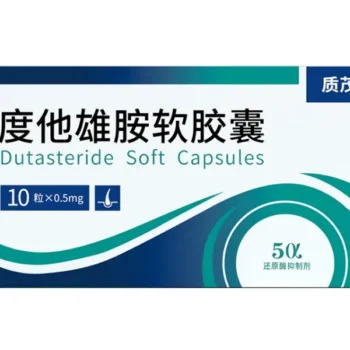
Dutasteride is a dual 5-reductase inhibitor that suppresses both type I and II enzymes, reducing dihydrotestosterone (DHT) levels by up to 98%. Supplied in 0.5mg soft gelatin capsules (10 per pack) by Jiangsu Wangao Pharmaceuticals, this product is intended exclusively for laboratory and preclinical research, including androgen suppression, BPH, and alopecia models. Not approved for clinical, therapeutic, diagnostic, or veterinary use.?Please consult staff for other specifications and uses
$53.00Original price was: $53.00.$42.00Current price is: $42.00.
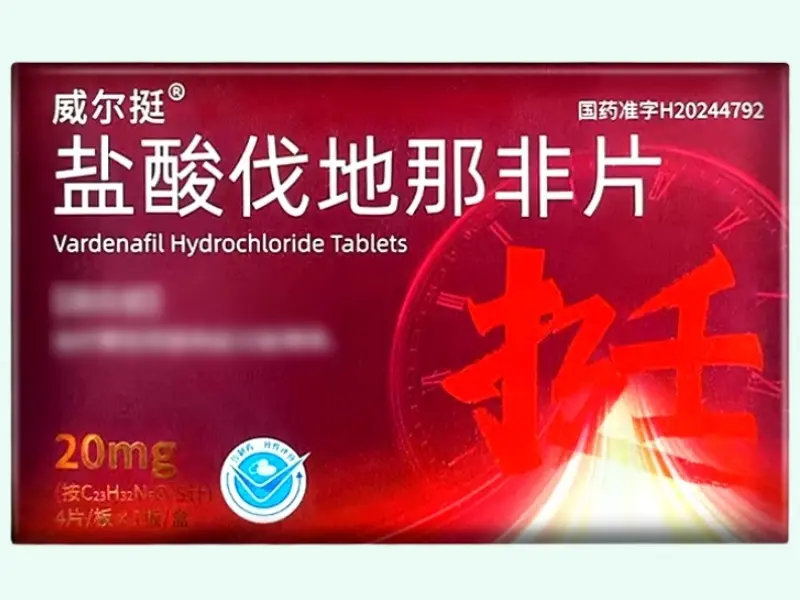
Vardenafil is a potent and selective phosphodiesterase?5 (PDE5) inhibitor widely used in cardiovascular and erectile dysfunction research. These 20?mg film-coated tablets (4 per blister pack) by Anhui Pioneer Pharmaceutical are for laboratory and preclinical research only. Not approved for clinical, diagnostic, therapeutic, or veterinary use.?Please consult staff for other specifications and uses?
$1.00




Reviews
There are no reviews yet.