
No products in the cart.
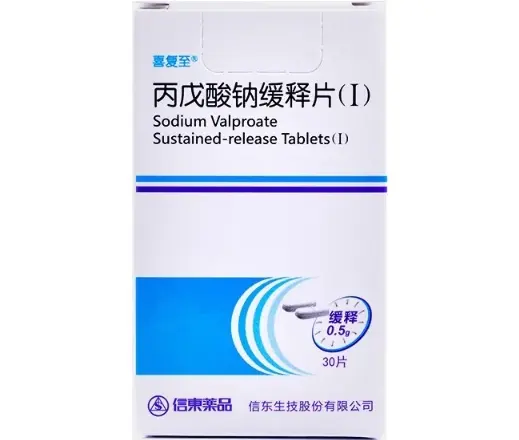
Sodium Valproate Sustained-release Tablets 0.5g | CNS Research Grade |
$1.00
Sodium Valproate Sustained-release Tablets (0.5g, 30 tablets) are extended-release oral formulations of an anticonvulsant and mood stabilizer used in laboratory studies of epilepsy, bipolar disorder, and neuroprotection. Manufactured by Synmosa Biopharma Corp., Taiwan, with approval number HC20181023. Strictly intended for scientific research use only.?? For laboratory research use only.?Please consult staff for other specifications and uses?
Description
Sodium valproate is widely used in neuroscience research to investigate antiepileptic mechanisms, neuroinflammation, and psychiatric disorder models. Its sustained-release formulation ensures prolonged plasma levels in experimental subjects, aiding long-duration pharmacokinetic and behavioral studies.
Sodium Valproate Sustained-release Tablets Product Specifications
| Parameter | Details |
|---|---|
| Product Name | Sodium Valproate Sustained-release Tablets |
| Active Ingredient | Sodium Valproate (Valproic Acid Sodium Salt) |
| CAS Number | 1069-66-5 |
| Molecular Formula | C8H15NaO2 |
| Molecular Weight | 166.19 g/mol |
| Strength | 0.5g (500mg) per tablet |
| Formulation | Extended-release oral tablet |
| Pack Size | 30 tablets per bottle/box |
| Approval Number | HC20181023 (China NMPA) |
| Drug Code | 86979160000109 |
| Barcodes | 4711916012099 / 4711916015540 |
| Manufacturer | Synmosa Biopharma Corp. (Taiwan, China) |
| Storage Conditions | Store below 25°C, in dry environment |
| Research Use | Laboratory research only |
Sodium Valproate Sustained-release Tablets Mechanism of Action
Sodium valproate enhances GABAergic activity in the CNS by increasing GABA levels and inhibiting its breakdown. It also affects voltage-gated sodium channels and T-type calcium channels, reducing neuronal excitability—ideal for epilepsy and mood disorder model research.
Sodium Valproate Sustained-release Tablets Research Applications
Epilepsy Research Models
Effective in chemically and electrically induced seizure models; alters seizure threshold and frequency.Neuroprotective Studies
Investigated for antioxidant and anti-inflammatory roles in stroke, Alzheimer’s, and Parkinson’s models.Mood Disorders / Bipolar Disorder
Demonstrates mood-stabilizing effects; used in behavioral models of mania, depression, and aggression.PK/PD Studies
Excellent for pharmacokinetics profiling due to its slow, sustained-release characteristics.
Safety & Handling
Handling Guidelines: Wear gloves and avoid direct exposure. Follow biosafety practices.
Storage: Keep in original packaging at 15–25°C.
Shelf Life: 24–36 months from manufacturing date.
Toxicity: Use under controlled conditions. Inappropriate exposure may result in reproductive toxicity, hepatic stress, or CNS effects.
Research Use Disclaimer
This product is designated for scientific research purposes only. It is not authorized for use in humans, diagnostics, therapeutics, or veterinary applications. Misuse may pose health risks. Always follow local biosafety guidelines.
Additional information
| Weight | 1 kg |
|---|---|
| Dimensions | 62 × 23 × 62 cm |
Q1: Is this the same compound used clinically?
A1: Yes, but this product is strictly for non-clinical laboratory use and not suitable for human or veterinary use.
Q2: What’s the benefit of the sustained-release formulation?
A2: It ensures prolonged therapeutic levels in test subjects, reducing dosage frequency in chronic models.
Q3: Can I request COA and SDS documents?
A3: Absolutely. Please contact us to receive full documentation for institutional review.
Q4: Is this available for bulk purchase?
A4: Yes. We support both wholesale and retail distribution with competitive pricing.
Q5: What are common applications?
A5: CNS research, seizure threshold analysis, behavioral pharmacology, and gene expression studies.
Related products
Sodium Valproate Tablets 200?mg Low price wholesale
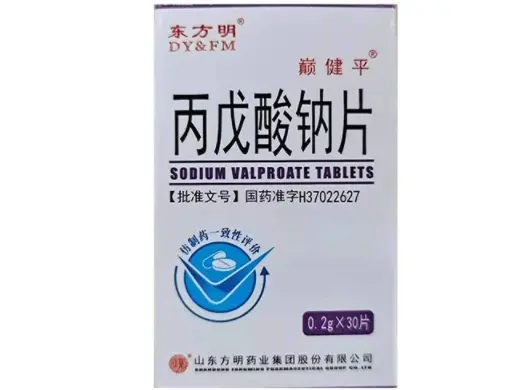
Sodium Valproate Tablets (brand: Dongfangming / Dianjianping) contain 200?mg sodium valproate per tablet, 30 tablets per bottle. Manufactured by Shandong Fangming Pharmaceutical Group Co., Ltd., approved under NMPA H37022627. A widely used anticonvulsant and mood-stabilizing agent ideal for laboratory use in epilepsy, bipolar disorder, migraine, and neurochemical studies based on preclinical models.?? Strictly for laboratory research use only.?Please consult staff for other specifications and uses?
$3.00Pramipexole Dihydrochloride Tablets Low price wholesale
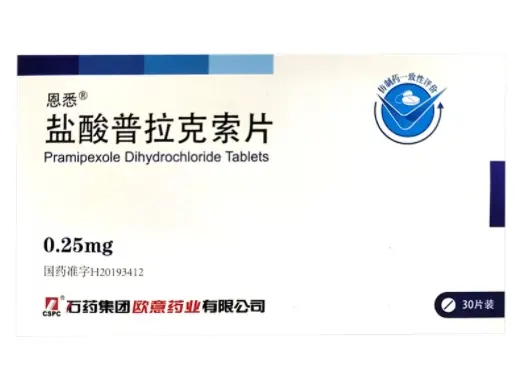
Pramipexole Dihydrochloride Tablets (0.25?mg each, 30 tablets per box) are used in neurological and pharmacodynamic research focusing on dopamine pathways, Parkinson’s disease, and restless legs syndrome (RLS). Manufactured by CSPC Ouyi Pharmaceutical Co., Ltd., this product is approved under NMPA H20193412, and is intended exclusively for non-clinical laboratory use.?? Not for human, veterinary, or diagnostic use.?Please consult staff for other specifications and uses?
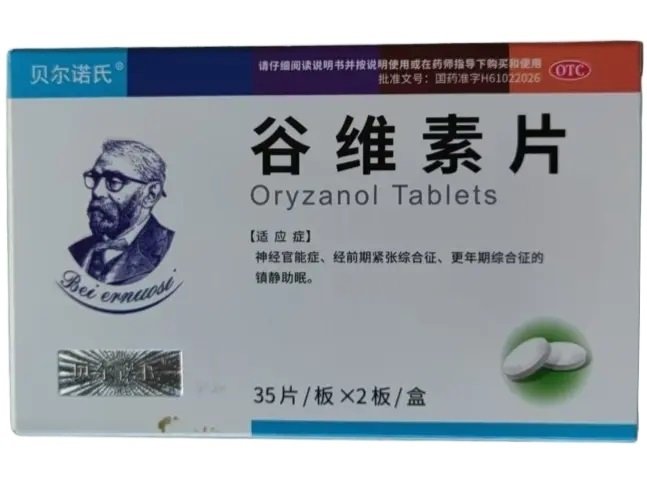
$2.00Oryzanol Tablets 10mg Beiernuoshi Low price wholesale
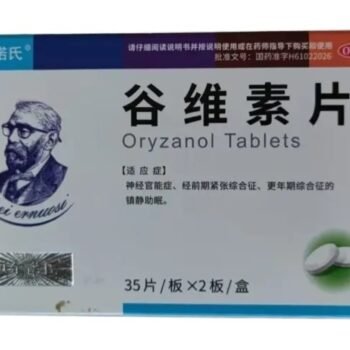
Oryzanol Tablets (10?mg × 35 tablets × 2 blisters, total 70 tablets) are derived from rice bran oil extract and produced by Shaanxi Yishengtang Pharmaceutical Co., Ltd. (???????????). This product is used in experimental studies related to autonomic nervous system modulation, endocrine regulation, lipid metabolism, and menopausal symptom relief.?? Strictly for laboratory research use only.?Please consult staff for other specifications and uses?
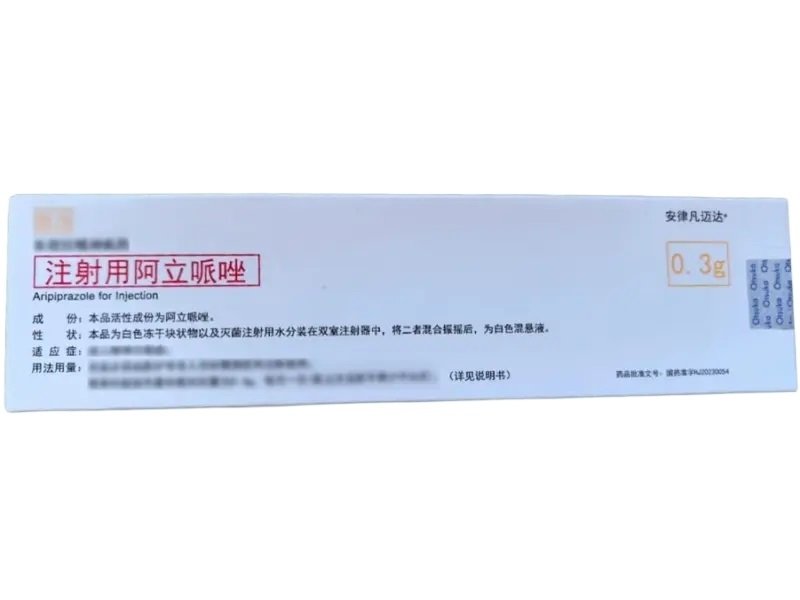
$2.00Aripiprazole for Injection Lyophilized powder 0.3g Low price wholesale
Aripiprazole for Injection is a freeze-dried powder formulation containing 0.3g of Aripiprazole per vial. Manufactured by Otsuka Pharmaceutical Co., Ltd. (Tokushima Wajiki Factory), Japan. Approved under HJ20230054 in China. This dopamine D2 receptor partial agonist is commonly studied in psychopharmacology and neurochemical behavior research.?? For laboratory research use only.?Please consult staff for other specifications and uses?
$2.00


Reviews
There are no reviews yet.