
No products in the cart.
Sale

SOR-C13 TFA – Purity 99.18% | GMP Manufacturer
Original price was: $46.00.$42.00Current price is: $42.00.
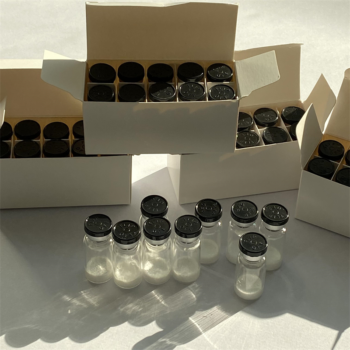
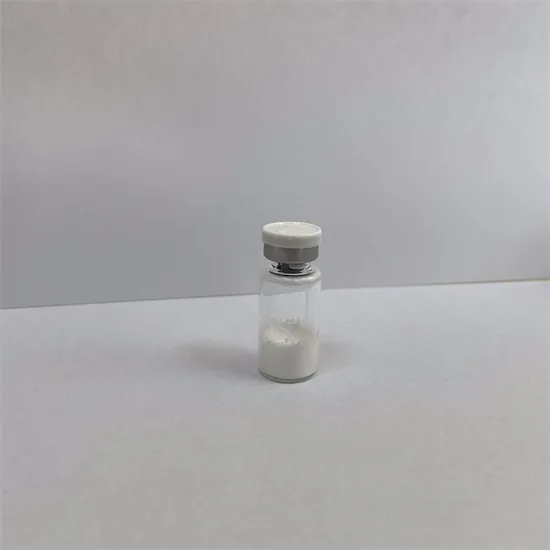
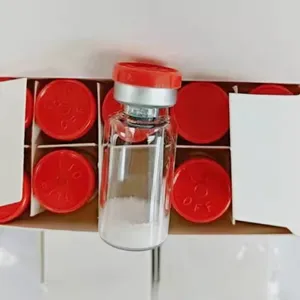
SOR-C13 (TFA) is a synthetic peptide supplied as high-purity lyophilized powder for research use. It is primarily studied as a TRPV6 calcium channel inhibitor in oncology and calcium signaling research models.
Description
Product Description
SOR-C13 is a synthetic peptide derived from the C-terminal region of soricidin, a peptide originally isolated from shrew venom. Supplied as the trifluoroacetate (TFA) salt in lyophilized form, SOR-C13 is intended strictly for research and laboratory use.
In experimental research, SOR-C13 is widely investigated for its selective inhibitory activity against the transient receptor potential vanilloid 6 (TRPV6) calcium channel. TRPV6 plays a critical role in calcium homeostasis and is overexpressed in multiple cancer cell types. As a result, SOR-C13 serves as a valuable research tool in oncology, calcium transport regulation, and ion channel–targeted therapeutic exploration.
Product Specifications
| Item | Description |
|---|---|
| Product Name | SOR-C13 |
| Synonyms | Soricidin-derived peptide, TRPV6 inhibitor peptide |
| CAS Number | Not officially assigned |
| Molecular Formula | Not publicly standardized |
| Molecular Weight | ~3.0 kDa (approximate) |
| Amino Acid Sequence | Derived from soricidin C-terminal region |
| Peptide Type | Synthetic ion-channel inhibitory peptide |
| Form | Lyophilized powder (TFA salt) |
| Purity | ≥98% (HPLC) |
| Strength Options | 1 mg / 5 mg / 10 mg |
| Appearance | White to off-white powder |
| Identity Verification | HPLC, Mass Spectrometry |
| Solubility | Soluble in water or aqueous buffers |
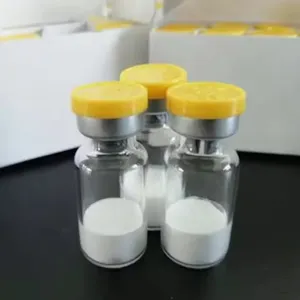
| Packaging | Sterile, sealed research vials |
| Storage Condition | −20 °C, dry and light-protected |
| Intended Use | Research use only (RUO) |
Applications
SOR-C13 is commonly used in the following research areas:
TRPV6 calcium channel inhibition studies
Calcium signaling and ion transport research
Oncology and tumor biology models
Cancer cell proliferation and migration assays
Ion channel–targeted drug discovery research
National Cancer Institute (NCI) Drug Dictionary — TRPV6 calcium channel inhibitor SOR-C13

Usage & Reconstitution
SOR-C13 (TFA) lyophilized powder should be handled using standard sterile laboratory techniques. Reconstitution is typically performed in sterile water or suitable aqueous buffers to prepare stock solutions.
Aliquoting after reconstitution is recommended to avoid repeated freeze–thaw cycles. Experimental concentrations should be optimized based on specific ion-channel assays and research models.
Storage & Stability
Store unopened vials at −20 °C
Protect from moisture and light
Avoid repeated freeze–thaw cycles
Properly stored aliquots maintain stability for extended research use
Shipping Guarantee
SOR-C13 (TFA) lyophilized powder is packaged according to standardized laboratory material handling procedures:
Moisture- and light-protected inner packaging
Secure outer packaging for transit protection
Batch-level labeling for traceability
Cold-chain handling applied when required
Contact & Bulk Inquiry
For inquiries regarding SOR-C13 (TFA) high-purity lyophilized powder, including bulk supply, specifications, and research support, please contact our team through the inquiry form or designated communication channels.
Our team can assist with:
Bulk and wholesale supply options
Available specifications and batch consistency
Technical documentation requests (COA, HPLC, MS)
International shipping and logistics coordination
Disclaimer
This product is intended for research and laboratory use only.
Not for human or veterinary use.
All handling and experimental applications must comply with applicable laws and institutional regulations.

Additional information
| Weight | 0.8 kg |
|---|---|
| Dimensions | 26 × 23 × 26 cm |
1. What is SOR-C13 mainly used for in research?
It is primarily used to study TRPV6 calcium channel inhibition and calcium signaling mechanisms.
2. Is SOR-C13 selective for TRPV6?
Research indicates it shows strong selectivity toward TRPV6 channels.
3. What purity level is provided?
The peptide is supplied with ≥98% purity, verified by HPLC.
4. How is identity confirmed?
Identity is confirmed using HPLC and mass spectrometry.
5. How should SOR-C13 be reconstituted?
It is typically reconstituted in sterile water or appropriate aqueous buffers.
6. What storage conditions are recommended?
Store at −20 °C, protected from moisture and light.
7. Can SOR-C13 be used in cancer research models?
Yes, it is widely studied in oncology-related cellular and molecular models.
8. Is this product intended for clinical use?
No. It is strictly intended for research and laboratory use only.
9. What factors should be considered in experimental design?
Ion-channel expression levels, peptide concentration, and assay conditions.
10. Is bulk supply available for research institutions?
Yes, multiple package sizes are available to support bulk research requirements.
Related products
High Purity 99.9% Weight Loss Peptide – Raw Material Factory Wholesale at Low Price
Weight Loss Peptide Appearance:Lyophilized powder Grade Standard:Top Quality Original price was: $12.00.$9.80Current price is: $9.80.99.9% Effective Weight Loss Shaping Peptide – Beauty Peptide Factory Direct Low Price Wholesale
Peptide Purity 99% Specification 5mg/vial, 10mg/vial, 15mg/vial Original price was: $38.00.$23.00Current price is: $23.00.Cosmetic Peptide Raw Material Factory – Low Price Wholesale Direct from China
Cosmetic Peptide Appearance: Lyophilized powder Dose 2mg 5mg 10mg 15mg 20mg Higher Original price was: $42.00.$22.00Current price is: $22.00.USA Warehouse 99% IV Infusion Therapy Anti-Aging Injection Peptide for Weight Loss & Muscle Building
USA Warehouse 99% IV Infusion Therapy Anti-Aging Injection Peptide for Weight Loss & Muscle Building Original price was: $38.00.$23.00Current price is: $23.00.

Reviews
There are no reviews yet.