
No products in the cart.
Sale

Splenopentin diacetate (CAS 105184-37-0) | GMP Supplier & Manufacturer
Original price was: $26.00.$20.00Current price is: $20.00.
Splenopentin diacetate (CAS 105184-37-0) is a synthetic pentapeptide immunomodulator derived from the splenic hormone splenin. It promotes early T and B cell differentiation and enhances immune responses in preclinical models. Manufactured under GMP conditions, Splenopentin diacetate is intended for laboratory research use only.(Please contact our staff to place an order or learn about product wholesale prices, specifications, uses and lists)
Description
Contents
hide
Product Description
Background
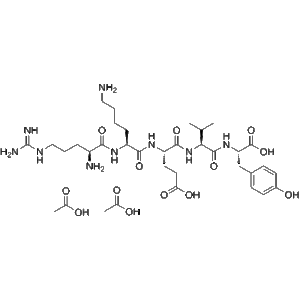
Splenopentin diacetate is a synthetic pentapeptide that mimics amino acid residues 32–36 of the natural splenic hormone splenin. As an immunomodulatory peptide, Splenopentin plays a critical role in regulating the immune system, particularly in T and B lymphocyte differentiation.
Research has shown that administration of Splenopentin diacetate increases the number of antibody-forming cells in murine models exposed to gamma irradiation. This highlights its ability to restore or enhance immune responses in compromised biological systems.
Chemical Nature and Structure
Peptide Type: Synthetic pentapeptide
Residues: Corresponds to amino acid sequence 32–36 of splenin
Form: Diacetate salt (enhances solubility and stability)
Mechanism: Immunoregulation via lymphocyte maturation pathways
The diacetate form of Splenopentin is generally more soluble in aqueous solutions than the free base, which improves laboratory handling and reproducibility of experimental results.
Research Significance
Splenopentin diacetate has been widely studied in immunology research as a biological response modifier (BRM). It enhances both cellular and humoral immunity, which makes it useful in models of immunodeficiency, bone marrow suppression, or post-irradiation recovery.
Key research areas include:
T-cell differentiation: Supports thymocyte development into mature T cells.
B-cell maturation: Promotes early differentiation into antibody-producing plasma cells.
Immune system recovery: Restores immune competence following radiation or chemotherapy.
Vaccine response models: Enhances antibody titers in immunization studies.
Comparative Advantage
High Specificity: Acts directly on immune cell development pathways.
Stable Salt Form: Diacetate increases solubility and stability.
Immunomodulatory Potency: Effective in small concentrations.
Broad Research Applications: Suitable for hematology, oncology, and immunology studies.
Product Specifications
| Property | Description |
|---|---|
| Product Name | Splenopentin diacetate |
| CAS Number | 105184-37-0 |
| Synonyms | Splenopentin; Synthetic splenic peptide 32-36 |
| Chemical Formula | C_xH_yN_zO_n (peptide-based, varies slightly by salt form) |
| Molecular Weight | Peptide-based, ~650–750 Da (depending on acetylation) |
| Appearance | White to off-white lyophilized powder |
| Purity | ? 98% (HPLC) |
| Form | Diacetate salt (enhanced solubility) |
| Solubility | Soluble in water, PBS, and aqueous buffers |
| Stability | Stable for ?24 months lyophilized; avoid repeated freeze-thaw cycles |
| Storage Conditions | -20°C, dry, protected from light and moisture |
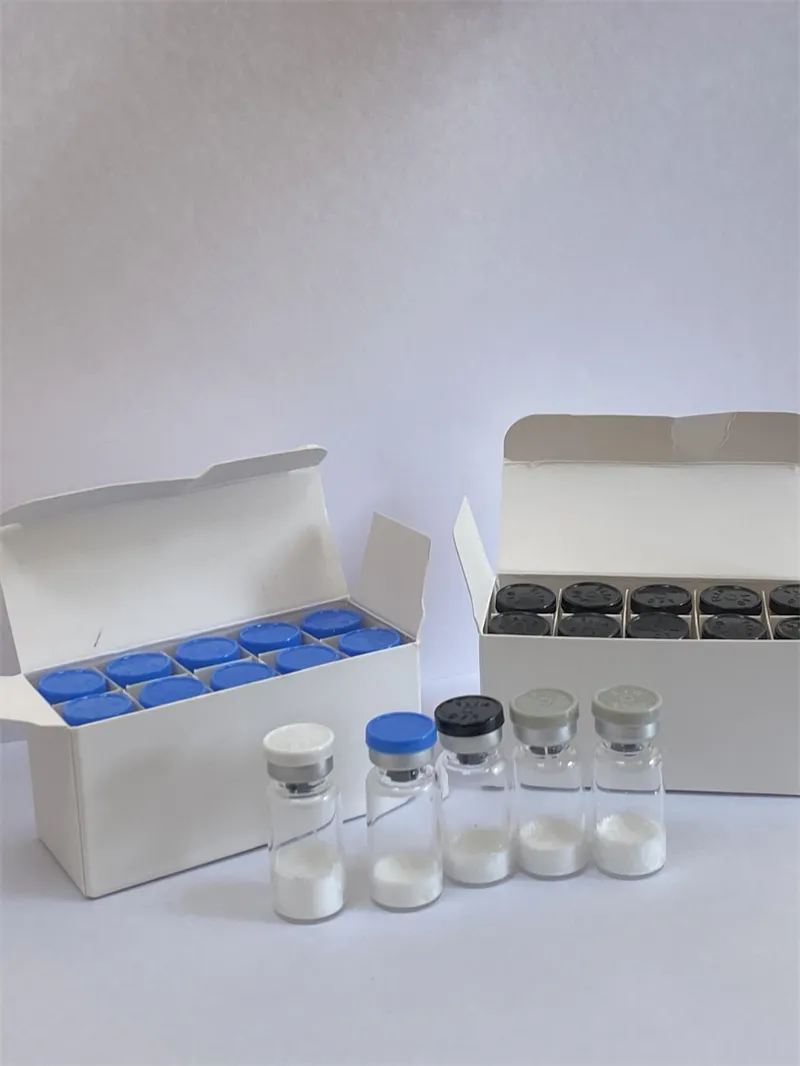
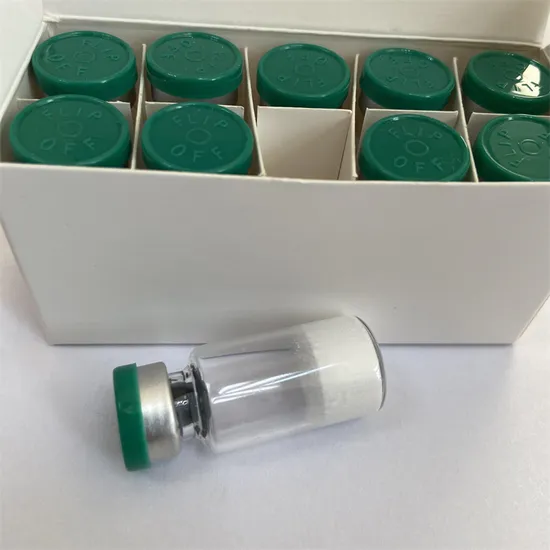
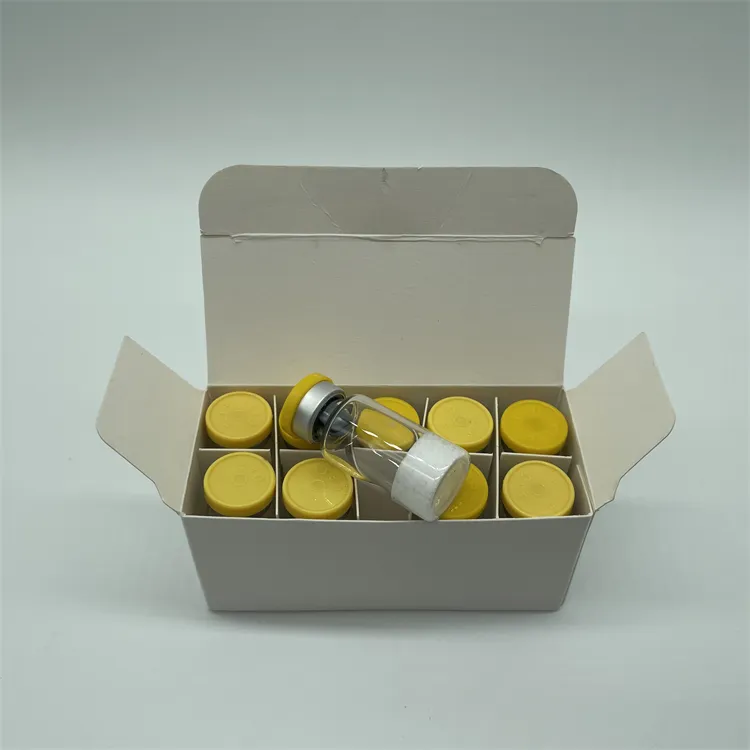
| Packaging | Sterile vials, research-grade, available in bulk quantities |
| Mechanism | Promotes T and B cell differentiation; enhances antibody formation |
| Applications | Immunology research, hematopoiesis studies, radiation recovery models |
| GMP Compliance | Manufactured under GMP-grade conditions |
| Safety Note | For research use only. Not for therapeutic or veterinary applications |
Mechanism of Action & Research Applications
Mechanism of Action
Splenopentin diacetate exerts its biological effects by acting as a mimetic of splenin, a natural thymic-splenic hormone involved in immune regulation. Its pentapeptide structure (residues 32–36) interacts with precursor immune cells to accelerate their differentiation.
On T lymphocytes: Stimulates thymic-dependent maturation into functional helper and cytotoxic T cells.
On B lymphocytes: Enhances early differentiation and the ability to form plasma cells, boosting antibody production.
On irradiated systems: Reconstitutes immune function by restoring bone marrow-derived lymphopoiesis.
Research Applications
Immunology Research – Study of immune regulation, cell signaling, and lymphocyte differentiation.
Hematopoietic Recovery Models – Exploring immune reconstitution after radiation or chemotherapy.
Antibody Production Studies – Evaluating enhancement of vaccine responses.
Autoimmune Disease Models – Investigating potential immunoregulatory roles in disease modulation.
Oncology Research – Studying immune-enhancing peptides in tumor immunology.
Splenopentin diacetate serves as a valuable research reagent for understanding peptide-driven immunomodulation.
Side Effects (For Reference in Research Models)
In preclinical research, Splenopentin diacetate has shown a favorable safety profile. Reported effects include:
Mild Injection Site Irritation (in in vivo models)
Transient Immune Hyperactivation (potentially leading to autoimmunity at high doses)
Protein Stability Concerns (risk of degradation if not stored properly)
Species-Specific Variability (differences in immune response depending on animal model)
These findings emphasize the need for careful dosing, storage, and experimental controls in research applications.
Disclaimer
For laboratory research use only. Not for human or veterinary therapeutic use.
Keywords
Splenopentin peptide immunomodulator
Splenopentin GMP supplier
Synthetic splenic hormone pentapeptide
Immunology peptide research
Antibody formation enhancer peptide
T cell differentiation peptide
B cell differentiation research reagent
Immunomodulating peptide CAS 105184-37-0
Splenopentin lyophilized powder
Additional information
| Weight | 0.8 kg |
|---|---|
| Dimensions | 53 × 26 × 53 cm |
Related products
USA-Peptide-Janoshik Lyophilized Peptide Raw Powder for Muscle Building & Weight Loss
Lyophilized peptide raw powder Moq:10 vials per box Appearance:Lyophilized powder Original price was: $32.00.$24.00Current price is: $24.00.Top Quality Peptides Lyophilized Powder – Reta Trutide Fitness and Weight Loss Peptide in Stock | Factory Wholesale
Peptides Function Weight Loss Peptides Moq:10 vials per box Original price was: $38.00.$22.00Current price is: $22.00.Retatrutide Raw Material Factory: Low-Price Wholesale for High-Purity Peptides
Retatrutide MOQ 1 Box Source Dry Powder Original price was: $38.00.$22.00Current price is: $22.00.GLP-1 Retatrutide Weight Loss Slimming low price wholesale
GLP-1 peptide slimming product, 5mg 10mg 15mg vials, metabolic health- Application: Health Care Supplement
- Form: Disposable vials
- Dosages: 5mg, 10mg, 15mg
- Purity: >99%
Reviews
There are no reviews yet.