
No products in the cart.
Sale
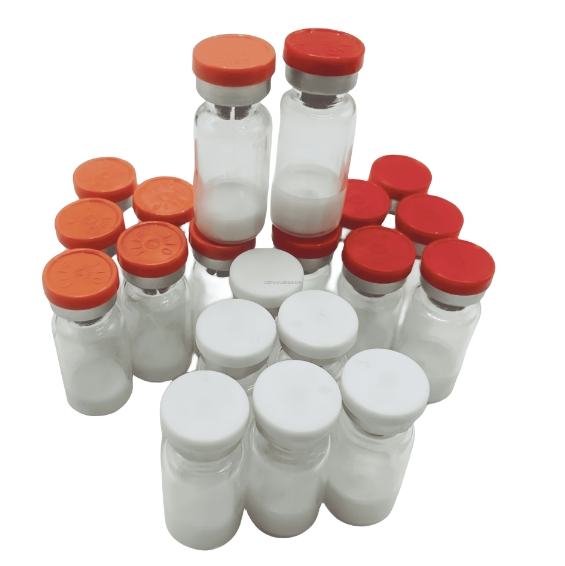

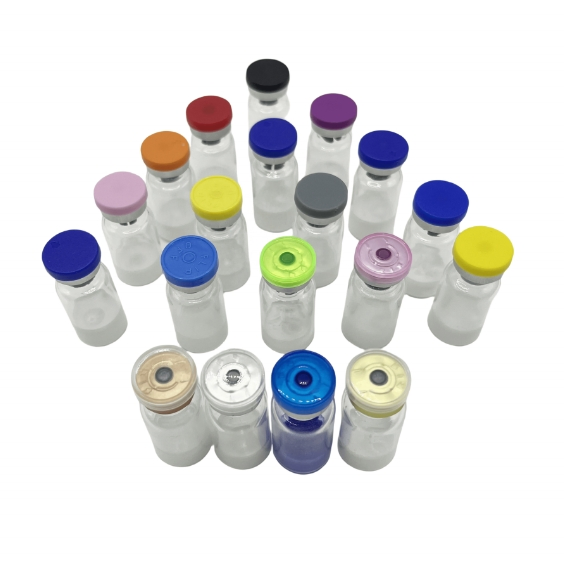
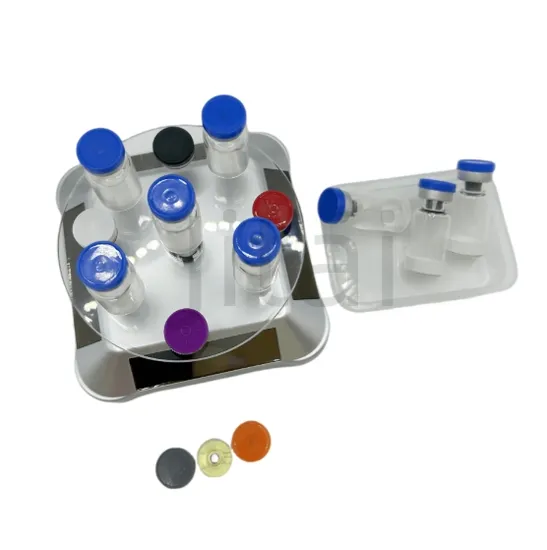
Survodutide 99% high-purity raw material available at a low price.
Original price was: $36.00.$34.00Current price is: $34.00.
Survodutide is a high-purity, research-grade peptide designed for in vitro and molecular mechanism studies involving dual receptor signaling pathways. Manufactured by a certified Chinese factory, Survodutide is supplied with strict quality control and offered as a low-price wholesale solution for laboratories conducting receptor-level and intracellular signaling research.
Description
Contents
hide
Product Description
Survodutide is a high-purity, research-grade synthetic peptide developed specifically for in vitro and molecular mechanism studies involving complex receptor-mediated signaling pathways. As a dual receptor–active molecular tool, Survodutide enables detailed investigation of intracellular signal transduction, pathway integration, and downstream regulatory mechanisms under controlled laboratory conditions. Its defined molecular structure and high batch consistency make it well suited for reproducible mechanistic research where signaling precision is essential.
In experimental research settings, Survodutide is primarily utilized to study receptor–ligand interactions and intracellular signaling dynamics at the molecular level. The compound allows researchers to modulate receptor-associated pathways with high specificity, supporting investigations into second messenger generation, kinase cascade activation, and transcriptional regulation. These properties make Survodutide a valuable reagent for dissecting signaling networks, feedback loops, and pathway convergence in cellular systems.
Survodutide demonstrates excellent compatibility with a wide range of in vitro experimental platforms, including conventional monolayer cell cultures, co-culture systems, and advanced three-dimensional (3D) cellular models. Its stability and predictable molecular behavior allow consistent performance across repeated experiments, facilitating comparative studies and longitudinal mechanistic analyses. Researchers can employ Survodutide to examine receptor sensitivity, signaling duration, and pathway modulation under defined experimental parameters.
From a research methodology perspective, Survodutide is particularly useful in studies focused on dual-receptor signaling and pathway crosstalk. By enabling simultaneous modulation of interconnected signaling routes, the compound supports mechanistic exploration of intracellular coordination, signal amplification, and regulatory balance. This makes Survodutide suitable for pathway mapping, systems biology investigations, and signal network modeling in molecular research environments.
Manufactured by a certified Chinese production facility, Survodutide is supplied at ≥99% purity, verified through rigorous analytical methods such as high-performance liquid chromatography (HPLC) and mass spectrometry. Strict quality control ensures batch-to-batch consistency, which is critical for reproducibility in mechanistic studies. The product is available in both laboratory-scale quantities and low-price wholesale bulk supply, providing a cost-effective option for academic laboratories, biotechnology research teams, and contract research organizations.
Survodutide is also compatible with multi-omic research workflows, allowing integration with proteomic, transcriptomic, and metabolomic analyses. When combined with computational modeling and bioinformatic tools, Survodutide enables comprehensive, systems-level interpretation of receptor-driven signaling events. This integrative capability enhances the depth and resolution of molecular mechanism studies.
is strictly intended for in vitro and molecular-level research use only. It is not designed or supplied for use outside controlled laboratory research environments.
Overall, Survodutide represents a robust, high-purity molecular research tool for laboratories investigating receptor signaling, intracellular communication, and pathway-level regulation. Its defined structure, experimental reliability, and availability as a factory-manufactured, low-cost wholesale product make it an ideal choice for advanced mechanistic research programs requiring precision, scalability, and reproducibility.

Product Specifications
| Specification | Details |
|---|---|
| Product Name | Survodutide |
| CAS Number | 2754204-89-0 |
| Molecular Type | Synthetic dual-receptor active peptide |
| Molecular Nature | Linear peptide with defined amino acid sequence |
| Purity | ≥99% (HPLC verified) |
| Appearance | White to off-white lyophilized powder |
| Solubility | Soluble in aqueous laboratory buffers and compatible research solvents |
| Research Grade | In vitro and molecular mechanism research only |
| Primary Research Focus | Receptor signaling pathways, intracellular signal transduction |
| Functional Characteristics | Supports dual-receptor signaling and pathway crosstalk studies |
| Stability | Chemically stable under recommended storage conditions |
| Recommended Storage | −20 °C, dry environment, protected from light |
| Quality Control Methods | HPLC purity analysis, mass spectrometry identity confirmation |
| Batch Consistency | Strict batch-to-batch control for reproducible research outcomes |
| Manufacturing Source | Factory-manufactured in China under controlled conditions |
| Supply Format | Lyophilized powder for laboratory preparation |
| Packaging Options | Small laboratory packs and bulk wholesale quantities |
| Customization Availability | Bulk supply and packaging customization available upon request |
| Application Scope | In vitro mechanistic research, pathway mapping, signal network studies |
| Additional Notes | Suitable for integration with multi-omic and computational research workflows |
Mechanism of Action
Survodutide functions as a dual-receptor–active molecular research tool, designed to enable precise investigation of receptor-mediated signaling pathways under controlled in vitro experimental conditions. At the molecular level, Survodutide interacts selectively with defined receptor domains, initiating conformational changes that propagate intracellular signal transduction cascades. This receptor engagement allows researchers to dissect complex signaling networks with high specificity and temporal resolution.
Upon receptor interaction, Survodutide induces activation of G protein–associated and secondary intracellular signaling mechanisms, leading to modulation of downstream effector molecules. These signaling events commonly involve changes in cyclic nucleotide levels, kinase phosphorylation states, and intracellular calcium flux, all of which can be quantitatively assessed using standard biochemical and molecular biology techniques. This makes Survodutide a valuable tool for mapping early-stage signal initiation and downstream pathway amplification.
A distinguishing mechanistic feature of Survodutide is its suitability for studying dual-receptor signaling integration and pathway crosstalk. In cellular research models expressing multiple receptor subtypes, Survodutide enables simultaneous modulation of parallel signaling routes, facilitating analysis of pathway convergence, divergence, and feedback regulation. This property supports advanced investigations into signaling hierarchy, receptor bias, and coordinated intracellular responses at the molecular level.
At the transcriptional level, Survodutide-mediated signaling can influence the activity of transcription factors and regulatory proteins associated with gene expression control. In vitro studies may leverage transcriptomic profiling, reporter assays, and chromatin-associated analyses to characterize downstream regulatory effects. These approaches allow researchers to link receptor-level interactions with broader cellular response patterns while maintaining a strictly mechanistic research scope.
Survodutide also supports time-resolved and dose-dependent mechanistic studies in controlled laboratory systems. Its defined molecular structure and high purity ensure predictable receptor engagement kinetics, enabling reproducible analysis of signaling duration, desensitization processes, and pathway recovery dynamics. This level of control is essential for quantitative modeling of intracellular signaling behavior.
From a systems biology perspective, Survodutide provides a robust molecular input for computational and network-based analyses. Data generated from Survodutide-based experiments can be integrated into signaling models to simulate pathway interactions, predict regulatory outcomes, and validate theoretical frameworks. This integration strengthens mechanistic interpretation and enhances the translational value of in vitro findings without extending beyond laboratory research applications.
Overall, the mechanism of action of Survodutide is defined by its selective receptor interaction, controlled intracellular signaling activation, and compatibility with advanced molecular analysis techniques. These characteristics position Survodutide as a high-purity, factory-manufactured research reagent suitable for detailed mechanistic studies focused on receptor biology, signal transduction, and pathway-level regulation.
Applications
Survodutide is widely applied as a specialized molecular research tool for in vitro investigations focused on receptor-mediated signaling and intracellular pathway regulation. Its defined molecular structure and dual-receptor activity make it particularly suitable for studies requiring precise modulation of interconnected signaling networks under controlled laboratory conditions.
One primary application of Survodutide is in receptor–ligand interaction analysis. Researchers utilize the compound to examine receptor binding behavior, activation kinetics, and signal initiation processes at the molecular level. These studies often employ biochemical assays, fluorescence-based detection systems, and reporter platforms to quantify receptor engagement and downstream signal propagation.
Survodutide is also extensively used in intracellular signal transduction studies, where it supports detailed examination of second messenger systems, kinase cascade activation, and regulatory protein dynamics. In vitro experimental designs may focus on phosphorylation profiling, protein–protein interaction mapping, and pathway-specific inhibition or amplification. The compound’s predictable signaling behavior enables comparative analyses across multiple experimental conditions.
Another important application area involves dual-receptor signaling and pathway crosstalk research. In cellular systems expressing multiple receptor subtypes, Survodutide allows simultaneous modulation of parallel signaling pathways, facilitating investigation into signal integration, hierarchy, and feedback regulation. This application is particularly valuable for systems biology and network-level studies where pathway coordination plays a critical role.
Survodutide is further applied in transcriptional regulation and gene expression studies. By modulating upstream signaling events, the compound enables researchers to explore downstream transcription factor activation and regulatory network responses. Techniques such as quantitative PCR, transcriptomic profiling, and promoter-reporter assays can be integrated to establish mechanistic links between receptor activity and gene regulation within in vitro systems.
In addition, Survodutide supports high-throughput and screening-based research applications. Its stability and batch consistency allow incorporation into multi-well assay formats, making it suitable for pathway screening, signaling response profiling, and comparative mechanistic evaluations. These applications benefit from the compound’s reproducibility and compatibility with automated laboratory platforms.
Survodutide is also valuable in integrative multi-omic research, where it serves as a defined molecular perturbation for proteomic, phosphoproteomic, and metabolomic analyses. Data generated from such studies can be combined with computational modeling to construct detailed signaling maps and predictive pathway models, enhancing mechanistic insight.
Overall, the application scope of Survodutide spans receptor biology, intracellular signaling analysis, pathway crosstalk investigation, and systems-level molecular research. Its high purity, factory-manufactured quality, and availability as a low-price wholesale research reagent make it an effective and scalable solution for laboratories conducting advanced in vitro mechanistic studies.
Research Models
Survodutide is compatible with a broad range of in vitro research models designed to investigate receptor-mediated signaling and intracellular pathway regulation at the molecular level. Its defined molecular structure and consistent activity profile allow researchers to integrate the compound into diverse experimental systems while maintaining reproducibility and mechanistic clarity.
One commonly used research model involves two-dimensional (2D) cell culture systems, where Survodutide is applied to study receptor activation, signaling kinetics, and downstream molecular responses. These models provide controlled environments for examining early-stage signaling events, including second messenger generation, kinase phosphorylation, and regulatory protein interactions. Standard biochemical and molecular assays can be readily applied in these systems.
Survodutide is also well suited for three-dimensional (3D) cellular models, such as spheroids and matrix-supported cultures, which more closely represent complex cellular organization. In these models, the compound supports investigation of spatial signaling gradients, receptor distribution, and coordinated intracellular responses. The use of 3D systems enhances mechanistic understanding of pathway integration while maintaining a strictly in vitro research framework.
For advanced signaling studies, Survodutide can be incorporated into co-culture models, where multiple cell types are maintained in shared environments. These models enable examination of intercellular communication and signaling coordination mediated by receptor-driven pathways. Survodutide’s predictable molecular behavior supports comparative analyses of signaling responses across different cellular populations.
Survodutide is further applicable in genetically engineered cell models, including receptor overexpression systems and pathway-specific reporter cell lines. These models allow precise dissection of receptor selectivity, signaling bias, and pathway dependency. By combining Survodutide with targeted genetic modifications, researchers can isolate specific signaling components and evaluate their contributions to overall pathway behavior.
In addition, Survodutide is compatible with high-content and high-throughput research models. Multi-well plate formats and automated imaging or detection systems can be used to capture quantitative data on signaling dynamics, protein localization, and transcriptional responses. These models are particularly valuable for comparative mechanistic studies and pathway screening applications.
Finally, Survodutide can be integrated into systems biology research models that combine experimental data with computational simulations. Data generated from cellular models can be used to parameterize signaling networks, validate theoretical predictions, and refine pathway interaction maps. This integrative approach enhances the interpretability of molecular mechanism studies.
Overall, Survodutide supports a diverse array of in vitro research models, ranging from simple cell cultures to complex engineered systems. Its high purity, reproducible performance, and suitability for factory-scale, low-cost wholesale supply make it an effective research reagent for laboratories conducting advanced molecular and signaling-focused investigations.
Experimental Design Considerations
Careful experimental design is essential when incorporating Survodutide into in vitro molecular mechanism studies. To ensure reproducibility and interpretability, researchers should establish clearly defined experimental objectives, including targeted signaling pathways, receptor subtypes of interest, and measurable molecular endpoints. A well-structured design allows Survodutide to function as a precise molecular input for pathway-level analysis.
Selection of appropriate cellular research systems is a critical consideration. Experimental models should express relevant receptor components at measurable levels to support meaningful signal detection. Baseline receptor expression and pathway activity should be characterized prior to experimental intervention to distinguish Survodutide-mediated effects from background signaling variability. Utilizing genetically defined or pathway-reporter cell systems can enhance mechanistic resolution.
When designing experiments, attention should be given to concentration gradients and exposure timing under strictly controlled laboratory conditions. Time-resolved studies enable differentiation between early signal initiation events and downstream regulatory responses. Parallel controls and reference conditions are recommended to validate signaling specificity and to support quantitative comparisons across experimental groups.
Replication and batch consistency are key factors in mechanistic research. Survodutide’s factory-manufactured, high-purity production ensures reliable batch-to-batch performance; however, experimental designs should still incorporate biological and technical replicates to account for inherent system variability. Aliquoting prepared solutions minimizes repeated handling and preserves compound integrity throughout extended study timelines.
Integration of multi-parametric analytical techniques strengthens experimental outcomes. Combining biochemical assays, imaging-based approaches, and molecular profiling methods provides complementary datasets that enhance mechanistic interpretation. Survodutide is compatible with high-content data acquisition platforms, supporting comprehensive evaluation of signaling dynamics and regulatory networks.
Data normalization and statistical planning should be addressed during the design phase. Establishing predefined criteria for data inclusion, normalization methods, and analytical thresholds ensures objective interpretation of results. For studies intended to support computational modeling, experimental parameters should be selected to generate quantitative datasets suitable for network simulation and predictive analysis.
Overall, thoughtful experimental design enables Survodutide to be effectively utilized as a reliable molecular research reagent in in vitro signaling studies. By controlling model selection, timing, concentration parameters, and analytical methods, researchers can maximize mechanistic insight while maintaining rigorous scientific standards.
Laboratory Safety & Handling Guidelines
Survodutide is supplied as a high-purity research-grade compound intended exclusively for controlled laboratory use in in vitro and molecular mechanism studies. Proper safety and handling procedures are essential to ensure researcher protection, compound integrity, and experimental reproducibility. All work involving Survodutide should be conducted by trained laboratory personnel familiar with standard chemical and peptide handling practices.
Handling of Survodutide should take place in a well-ventilated laboratory environment, preferably within a chemical fume hood or biosafety cabinet when preparing solutions or performing procedures that may generate particulates or aerosols. Appropriate personal protective equipment (PPE) must be worn at all times, including laboratory coats, protective gloves, and safety eyewear. Direct contact with skin, eyes, or mucous membranes should be strictly avoided.
Survodutide is typically supplied in a lyophilized powder form, requiring careful handling during reconstitution. Use sterile, dedicated laboratory tools and containers to prevent contamination and ensure experimental consistency. Solutions should be prepared using compatible laboratory-grade solvents or buffers under clean conditions. To maintain compound stability, repeated freeze–thaw cycles should be avoided by aliquoting prepared solutions into single-use portions.
Recommended storage conditions for Survodutide include −20 °C, protected from light and moisture. Containers should be tightly sealed and clearly labeled with compound name, concentration (if applicable), preparation date, and storage conditions. Regular inspection of stored materials is advised to identify any signs of degradation or contamination prior to experimental use.
In the event of accidental spills, Survodutide-containing materials should be immediately contained using appropriate absorbent materials. The affected area should be cleaned following institutional chemical safety protocols. Contaminated consumables, including pipette tips, tubes, and wipes, must be disposed of as laboratory chemical waste in accordance with local regulations and institutional guidelines.
Waste generated during experiments involving Survodutide should be segregated and disposed of properly. Liquid waste containing residual compound should be collected in designated containers, while solid waste should be placed in approved chemical waste receptacles. Laboratories should maintain accessible spill response kits, eyewash stations, and safety documentation relevant to peptide-based research materials.
Routine training in laboratory safety procedures, chemical hygiene, and emergency response is strongly recommended for all personnel handling Survodutide. Maintaining clean work surfaces, minimizing unnecessary handling, and adhering to standardized operating procedures further reduce risk and enhance data reliability.

Integration with Multi-Omic & Computational Studies
Survodutide serves as a well-defined molecular perturbation tool for integration into advanced multi-omic research workflows under controlled in vitro experimental conditions. Its high purity, structural consistency, and predictable signaling behavior make it suitable for generating reproducible datasets across multiple analytical layers, supporting comprehensive systems-level investigation.
In proteomic and phosphoproteomic studies, Survodutide can be used to induce measurable changes in protein abundance, post-translational modifications, and signaling complex assembly. Quantitative mass spectrometry and targeted protein profiling approaches allow detailed mapping of pathway-specific protein dynamics following receptor-mediated signal activation. These datasets contribute to high-resolution characterization of intracellular signaling architecture.
For transcriptomic integration, Survodutide enables investigation of downstream gene regulatory responses linked to upstream signaling modulation. RNA sequencing, quantitative transcriptional profiling, and promoter-reporter assays can be combined to identify regulatory networks and transcription factor activity patterns. These analyses help bridge receptor-level interactions with broader gene expression programs within in vitro systems.
Survodutide is also compatible with metabolomic and signaling flux analyses, where defined pathway modulation allows researchers to correlate signaling events with changes in cellular metabolic states. Such integration provides additional mechanistic depth, enabling multi-dimensional interpretation of intracellular responses while maintaining a strictly laboratory-based research scope.
From a computational perspective, data generated using Survodutide can be incorporated into network modeling and pathway simulation frameworks. Quantitative datasets support construction of signaling interaction maps, identification of regulatory nodes, and evaluation of pathway sensitivity. Computational approaches such as dynamic modeling, machine learning–based pattern recognition, and predictive simulations can be applied to refine mechanistic hypotheses and guide experimental iteration.
The integration of Survodutide-based experiments with bioinformatic pipelines enhances data comparability and reproducibility across studies. Standardized experimental inputs and controlled perturbation parameters facilitate cross-platform data alignment and meta-analysis, strengthening the robustness of mechanistic conclusions.
Overall, Survodutide enables effective integration of multi-omic datasets and computational analyses in molecular mechanism research. Its suitability for factory-manufactured, low-cost wholesale supply further supports scalable, high-throughput systems biology studies requiring consistent and reliable molecular research reagents.
Keywords
CAS 2754204-89-0, high-purity Lyophilized powder, research-grade peptide, in vitro signaling research, China factory peptide supplier, wholesale OEM
Shipping Guarantee
is packaged with strict adherence to laboratory safety standards and shipped in secure, insulated containers to maintain compound integrity. All shipments include tracking information to ensure real-time monitoring of delivery progress. Temperature-sensitive handling is applied when necessary to prevent degradation. Bulk orders receive additional protective packaging to maintain purity during transit. Our logistics partners are trained in handling research-grade peptides to minimize exposure risk and ensure timely delivery.
Trade Assurance
Factory-direct supply guarantees consistent quality and batch-to-batch reproducibility for all Survodutide orders. High-purity analytical verification (HPLC, mass spectrometry) is provided for each batch. Wholesale and bulk purchase options are available with transparent pricing. Technical documentation and certificates of analysis are supplied to support laboratory research requirements. Our trade assurance ensures reliability and trust for academic, industrial, and contract research laboratories.
Payment Support
We provide a flexible payment system for Survodutide orders, including credit cards, bank transfers (TT), and cryptocurrencies such as Bitcoin, Ethereum, and USDT. Secure payment processing protects financial information. Invoicing is provided for all transactions to maintain compliance with institutional accounting standards. Multiple currency options are available to facilitate international research collaborations. Payment confirmation is typically processed within 24–48 hours for efficient order fulfillment.
Disclaimer
Survodutide is intended exclusively for in vitro and molecular mechanism research. It is not approved for human, veterinary, or clinical use. All handling and experimental applications must follow established laboratory safety protocols. The supplier assumes no liability for misuse outside controlled laboratory environments. Researchers are responsible for complying with local regulations regarding the use and disposal of research-grade peptides. Survodutide should only be used by trained personnel under standard laboratory conditions.
References
IUPHAR/BPS Guide to Pharmacology — Survodutide (BI 456906)
Authoritative ligand profile for Survodutide, including mechanism classification as a long‑acting glucagon/GLP‑1 receptor dual agonist and structural notes on peptide modification. Pharmacology GuidePubMed — Survodutide, a glucagon receptor/GLP‑1 receptor dual agonist
Peer‑reviewed PubMed entry detailing Survodutide’s activity as a dual receptor agonist in human metabolic research contexts. PubMedPMC — Survodutide for treatment of obesity: rationale and design
NIH’s PubMed Central provides descriptive details on Survodutide’s dual receptor mechanism (GCGR and GLP‑1R) and its investigational profile. PMCPMC — Baseline characteristics of Survodutide phase 3 study (SYNCHRONIZE‑1)
Full article from PubMed Central describing Survodutide’s molecular signaling context and receptor activity (GCGR/GLP‑1R dual agonism) in large‑cohort research. PMCBoehringer Ingelheim — Survodutide (BI 456906) Scientific Overview
Official scientific pipeline page from the developer of Survodutide, describing dual agonist activity at glucagon receptor and GLP‑1 receptor along with preclinical/in vitro characterization context. Bojan Hamburg

Additional information
| Weight | 1 kg |
|---|---|
| Dimensions | 26 × 23 × 26 cm |
1. What is Survodutide used for in research?
Survodutide is a high-purity peptide designed for in vitro studies of dual receptor signaling. It enables mechanistic investigation of intracellular pathways, receptor interactions, and downstream molecular responses. Researchers use it to map signaling cascades and pathway crosstalk under controlled laboratory conditions.
3. How should Survodutide be stored?
Survodutide should be stored at −20 °C in a dry, light-protected environment. Lyophilized powder should remain sealed until use, and repeated freeze-thaw cycles should be avoided to preserve molecular integrity.
4. What is the purity of Survodutide?
Each batch of Survodutide is ≥99% purity, verified using HPLC and mass spectrometry. High purity ensures reproducibility and reliability in mechanistic experiments.
5. Which research models are compatible with Survodutide?
Survodutide is compatible with 2D cell cultures, 3D spheroid models, co-culture systems, and pathway-reporter engineered cell lines, enabling detailed mechanistic studies of receptor signaling.
6. How is Survodutide prepared for experiments?
The compound is supplied as a lyophilized powder. Researchers typically dissolve it in sterile laboratory-grade buffers, aliquot for single-use, and avoid repeated freeze-thaw cycles to maintain stability.
7. Can Survodutide be used in multi-omic studies?
Yes. Survodutide can be integrated into proteomic, transcriptomic, and metabolomic workflows, providing controlled pathway modulation for systems-level mechanistic analyses.
8. How does Survodutide affect intracellular signaling?
Survodutide activates dual receptor-mediated signaling cascades, influencing second messenger levels, kinase phosphorylation, and transcription factor activity. These effects can be quantified in in vitro assays.
9. What precautions should be taken when handling Survodutide?
Always use PPE (gloves, lab coat, goggles), handle in a well-ventilated lab or fume hood, avoid direct contact, and follow institutional chemical safety protocols. Proper disposal of contaminated materials is essential.
10. Can Survodutide be used for high-throughput screening?
Yes. Its reproducibility and stability make it suitable for multi-well assay formats and automated high-content screening platforms focused on receptor signaling and intracellular pathways.
11. How is data from Survodutide experiments integrated computationally?
Experimental data can be used in network modeling, pathway simulation, and predictive computational frameworks to evaluate signaling dynamics, receptor interactions, and pathway crosstalk.
12. What analytical methods are compatible with Survodutide studies?
Survodutide can be applied in Western blotting, ELISA, mass spectrometry, fluorescence imaging, and reporter assays for precise mechanistic investigation.
13. Is Survodutide suitable for comparative receptor studies?
Yes. Survodutide’s dual-receptor activity allows comparison of signaling dynamics across receptor subtypes, facilitating pathway hierarchy and crosstalk analysis.
14. Are there bulk or wholesale supply options?
Survodutide is factory-manufactured in China and available as high-purity, low-price wholesale supply, supporting large-scale laboratory experiments and multi-site studies.
15. Is Survodutide safe for laboratory personnel?
When handled according to laboratory safety guidelines, including PPE use, proper storage, and controlled handling, Survodutide is safe for research personnel. Accidental exposure should be managed according to institutional protocols.
Related products
USA Warehouse 99% IV Infusion Therapy Anti-Aging Injection Peptide for Weight Loss & Muscle Building
USA Warehouse 99% IV Infusion Therapy Anti-Aging Injection Peptide for Weight Loss & Muscle Building Original price was: $38.00.$23.00Current price is: $23.00.Best-Selling Weight Loss Peptide: Slimming Peptide Reta with Safe Delivery
Weight Loss Peptide Lab-Tested Purity (99%+) – Ensures maximum effectiveness Original price was: $56.00.$23.00Current price is: $23.00.USA-Peptide-Janoshik Lyophilized Peptide Raw Powder for Muscle Building & Weight Loss
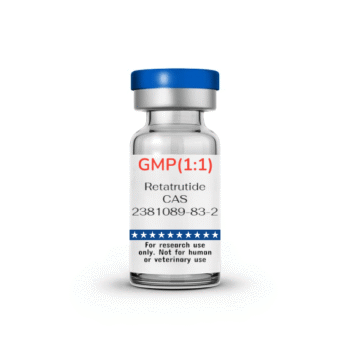
Lyophilized peptide raw powder Moq:10 vials per box Appearance:Lyophilized powder Original price was: $32.00.$24.00Current price is: $24.00.Retatrutide | CAS 2381089-83-2 | Dual GLP-1/GIP/Glucagon Receptor Agonist
Retatrutide (CAS 2381089-83-2) is a high-purity research-grade peptide optimized for in vitro mechanistic studies. It supports investigations into signal transduction, receptor interactions, and molecular pathway modulation. Supplied as a lyophilized powder, it ensures stability and reproducibility for laboratory research applications. Original price was: $14.00.$12.00Current price is: $12.00.

Reviews
There are no reviews yet.