
No products in the cart.
Sale

Tapderimotide (CAS No. 1221082-45-6)
Original price was: $28.00.$23.00Current price is: $23.00.
Tapderimotide (CAS No. 1221082-45-6) is a synthetic peptide corresponding to the hTERT (691–705) region. It is an immunological agent for active immunization and is widely applied in cancer vaccine and tumor immunology research.
Description
Product Description
Background
Tapderimotide is a synthetic immunological peptide that corresponds to amino acid residues 691–705 of the human telomerase reverse transcriptase (hTERT) protein. hTERT is a catalytic subunit of telomerase, an enzyme critical for maintaining telomere length and thereby enabling cells to bypass normal senescence. Telomerase activity is highly upregulated in most cancers, making it an ideal target for immunotherapeutic approaches.
Tapderimotide, also known as hTERT (691–705) peptide, has been developed as an active immunization agent that stimulates the immune system to recognize and attack cancer cells expressing telomerase. As an epitope-based peptide, it is designed to bind to MHC molecules and be presented to cytotoxic T lymphocytes (CTLs), thereby activating anti-tumor immune responses.
Scientific Context
Cancer immunotherapy has emerged as a transformative approach to oncology, shifting the focus from directly targeting tumor cells with cytotoxic drugs to mobilizing the body’s own immune defenses. Tapderimotide sits at the intersection of peptide vaccine technology and cancer immunology research, making it a highly valuable tool for preclinical and translational studies.
Unlike small molecules or antibodies, peptide-based immunogens such as Tapderimotide offer distinct advantages:
High specificity for tumor-associated antigens (TAAs)
Relatively low toxicity and reduced risk of systemic side effects
Scalability and reproducibility in GMP manufacturing
Versatility in combination therapies (with adjuvants, checkpoint inhibitors, or cytokines)
Research Significance
Tapderimotide is especially relevant for studies in:
Cancer vaccines – evaluating its role as a key component in telomerase-targeting immunization.
T cell biology – understanding CTL activation in response to tumor-associated peptide epitopes.
Immuno-oncology drug development – serving as a model antigen in combination therapy strategies.
Tumor immunology – exploring how telomerase-targeting peptides can overcome immune evasion.
Its sequence specificity to hTERT makes it not only a research reagent but also a translational bridge for vaccine development in oncology.
Product Specifications
| Parameter | Details |
|---|---|
| Product Name | Tapderimotide |
| CAS Number | 1221082-45-6 |
| Synonyms | Tapderimotide; hTERT (691–705) peptide |
| Molecular Formula | C72H114N20O21 (estimated, sequence-based) |
| Molecular Weight | Approx. 1,520 g/mol |
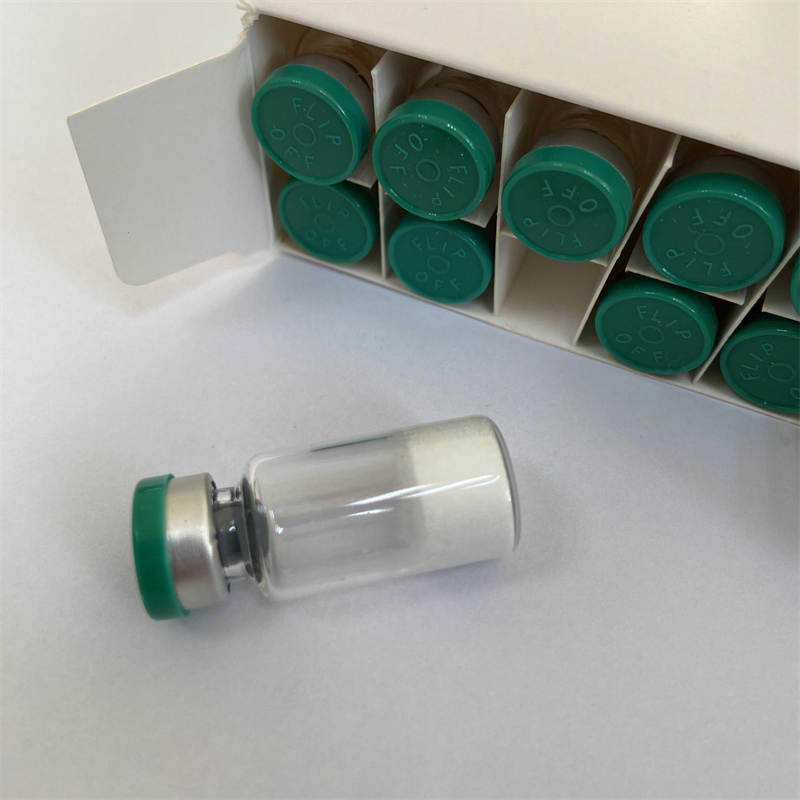
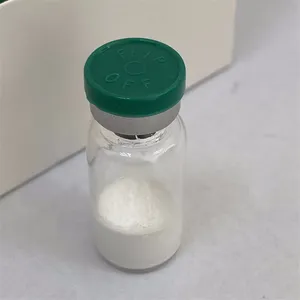
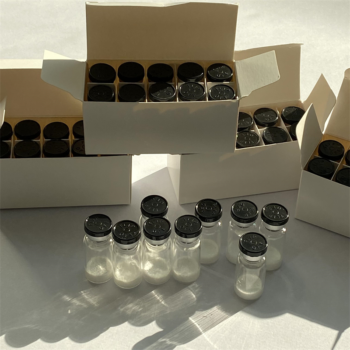
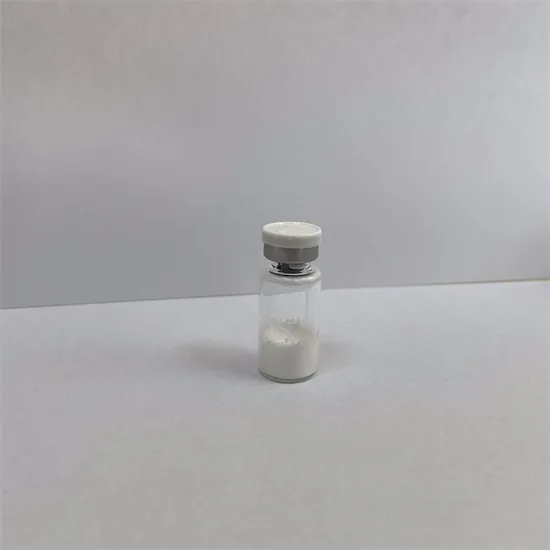
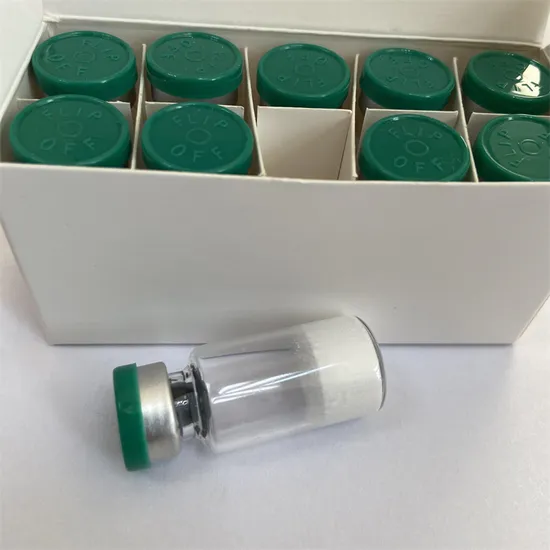
| Appearance | White to off-white lyophilized powder |
| Purity | ≥ 98% (HPLC confirmed) |
| Sequence | hTERT (691–705) amino acid fragment |
| Solubility | Soluble in water, PBS, and DMSO |
| Stability | Stable in lyophilized form for ≥24 months at –20°C |
| Storage Conditions | Store at –20°C; protect from light and moisture; avoid repeated freeze-thaw |
| GMP Compliance | Produced in GMP-certified facilities |
| Applications | Cancer immunotherapy research; peptide vaccine development; immunology |
| Availability | Bulk and retail formats available |
Notes on Specifications
Molecular features: The peptide’s relatively small size enables efficient synthesis and modification.
Stability: Long-term storage stability ensures reproducibility in multi-phase studies.
Applications: Useful for both in vitro immune activation assays and in vivo tumor challenge models.
Mechanism of Action & Research Applications
Mechanism of Action
Tapderimotide’s primary mode of action is through active immunization. Once introduced into the host, the peptide is processed by antigen-presenting cells (APCs) such as dendritic cells, which present the hTERT (691–705) epitope on MHC class I molecules. This process activates cytotoxic T lymphocytes (CTLs) that specifically recognize and kill hTERT-expressing tumor cells.
Key mechanisms include:
Epitope Presentation – binding to HLA-A2 molecules, facilitating T cell recognition.
T Cell Activation – expansion of CTLs capable of killing telomerase-positive tumor cells.
Immune Memory Formation – potential to establish long-lasting immune surveillance against cancer recurrence.
Immune Modulation – boosting overall antitumor immunity while reducing tolerance to tumor antigens.
Research Applications
Cancer Vaccine Development
Tapderimotide is a model antigen in preclinical vaccine studies, often tested with adjuvants or delivery systems such as liposomes, nanoparticles, or dendritic cell vaccines.Tumor Immunology Studies
It provides a robust system to study immune recognition of tumor-associated antigens.Combination Immunotherapy
Can be combined with immune checkpoint inhibitors (anti-PD-1, anti-CTLA-4) or cytokine therapies to enhance efficacy.Preclinical Animal Models
Valuable in mouse or humanized models for assessing anti-tumor immune responses.CTL Expansion Protocols
Frequently used in vitro to stimulate and expand T cells for mechanistic studies.Personalized Medicine Research
Serves as a stepping stone for individualized immunotherapy approaches targeting hTERT variants.
Translational Value
Telomerase-targeting peptides like Tapderimotide are considered highly promising due to the universal expression of telomerase in cancers but its near-absence in most normal tissues, making it an ideal cancer immunogen.

Side Effects (For Research Context Only)
While Tapderimotide is not clinically approved, research models have identified potential immune-related reactions that should be considered:
Injection-Site Reactions
Local redness, swelling, or discomfort due to immune activation.Cytokine Release
Immune activation may lead to transient fever or inflammation in animal models.Autoimmune Risk
Although unlikely, there is theoretical risk of cross-reactivity with non-malignant telomerase-expressing cells.T Cell Overactivation
Excessive stimulation of CTLs could lead to immune exhaustion or inflammatory toxicity.Species-Specific Responses
Variability in HLA restriction may affect translational reproducibility.Adjuvant-Linked Toxicity
When combined with potent adjuvants, enhanced inflammatory reactions may occur.Storage/Handling Effects
Improper handling may alter peptide conformation, reducing specificity and safety.
These side effects are hypothetical and observed only in controlled experimental contexts.
Disclaimer
For laboratory research use only. Not for human or veterinary use.
Keywords
Tapderimotide
hTERT peptide vaccine
Cancer immunotherapy peptide
Active immunization research peptide
Tumor-associated antigen peptide
GMP-grade peptide for research
Telomerase-targeting immunotherapy
Peptide-based cancer vaccine research
Research-use-only peptide

Additional information
| Weight | 0.8 kg |
|---|---|
| Dimensions | 53 × 26 × 53 cm |
What is Tapderimotide?
A synthetic peptide corresponding to hTERT (691–705), used for cancer immunization research.
What is the CAS number of Tapderimotide?
CAS No. 1221082-45-6.
What does Tapderimotide target?
The telomerase reverse transcriptase enzyme, commonly expressed in cancer cells.
Is Tapderimotide a vaccine?
It is a research-grade peptide used in the development of peptide-based cancer vaccines.
How does it work?
By stimulating cytotoxic T cells to recognize and attack hTERT-expressing tumor cells.
What is its purity?
≥ 98% by HPLC.
What is its molecular weight?
Approx. 1,520 g/mol.
What applications does it have?
Cancer immunology, vaccine research, T cell biology, translational oncology.
Is it GMP-compliant?
Yes, available from GMP-certified manufacturing.
Can it be used in humans?
No, it is strictly for laboratory research use only.
Related products
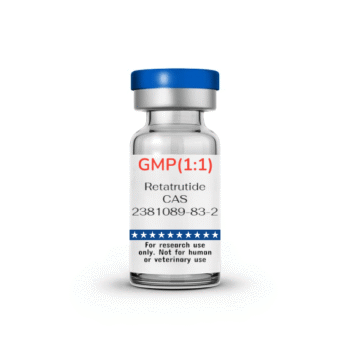
Retatrutide | CAS 2381089-83-2 | Dual GLP-1/GIP/Glucagon Receptor Agonist
Retatrutide (CAS 2381089-83-2) is a high-purity research-grade peptide optimized for in vitro mechanistic studies. It supports investigations into signal transduction, receptor interactions, and molecular pathway modulation. Supplied as a lyophilized powder, it ensures stability and reproducibility for laboratory research applications. Original price was: $14.00.$12.00Current price is: $12.00.Anti-Aging Peptide Raw Powder CAS 307297-39-8 Epitalon – Low Price Wholesale
Anti-Aging Moq:10 vials per box Appearance:Lyophilized powder Purity:99% Original price was: $29.00.$23.00Current price is: $23.00.High Purity 99.9% Weight Loss Peptide – Raw Material Factory Wholesale at Low Price
Weight Loss Peptide Appearance:Lyophilized powder Grade Standard:Top Quality Original price was: $12.00.$9.80Current price is: $9.80.Retatrutide Raw Material Factory: Low-Price Wholesale for High-Purity Peptides
Retatrutide MOQ 1 Box Source Dry Powder Original price was: $38.00.$22.00Current price is: $22.00.

Reviews
There are no reviews yet.