
No products in the cart.
Sale

Tasronetide | CAS 2919567-65-8 | Neuroprotectant Peptide for CNS Injury Research
Original price was: $36.00.$25.00Current price is: $25.00.
Tasronetide (CAS 2919567-65-8) is a neuroprotective peptide that exhibits strong antioxidative and anti-apoptotic properties. It promotes neuronal survival, maintains synaptic function, and may support recovery after CNS trauma or ischemic injury.
Description
Product Description
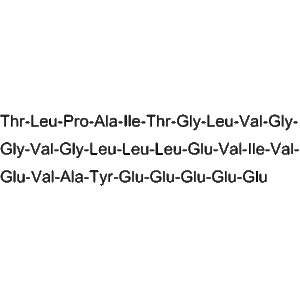
Tasronetide is a synthetic neuroprotective peptide designed to safeguard neuronal integrity under conditions of oxidative stress, ischemic insult, or excitotoxic injury. Its molecular structure enables high stability and cell permeability, allowing it to penetrate neural tissues and modulate intracellular signaling pathways critical to neuronal survival.
In experimental models, Tasronetide has demonstrated the ability to attenuate reactive oxygen species (ROS) accumulation and maintain mitochondrial membrane potential, thus preventing energy collapse and neuronal apoptosis. This peptide exhibits broad neuroprotective potential, acting through multiple targets involved in neuronal stress responses, inflammation, and synaptic regulation.
Beyond acute neuroprotection, Tasronetide contributes to long-term neuronal recovery by promoting axonal regeneration, synaptic remodeling, and neurotrophic factor expression. These features make it an attractive candidate for laboratory investigations into stroke, spinal cord injury, traumatic brain injury, and neurodegenerative disease models.
The peptide’s amphiphilic design allows it to cross the blood-brain barrier efficiently, enhancing its experimental utility in central nervous system (CNS) research. By mitigating neuronal loss and supporting glial cell balance, Tasronetide provides a versatile research platform for studying mechanisms underlying neuroinflammation, oxidative damage, and neuroregeneration.
Researchers have also observed that Tasronetide can modulate signaling pathways such as PI3K/Akt, ERK1/2, and NF-κB, contributing to reduced apoptosis and enhanced survival of neurons exposed to excitotoxic or ischemic environments. These pathways are central to maintaining neuronal homeostasis under stress, which underscores the compound’s potential in elucidating neuroprotective mechanisms.
Product Specifications
| Property | Description |
|---|---|
| Product Name | Tasronetide |
| CAS Number | 2919567-65-8 |
| Synonyms | Neuroprotective peptide; CNS repair peptide |
| Molecular Formula | CₓHᵧNᵧOᵧ (available upon request) |
| Purity | ≥99% |
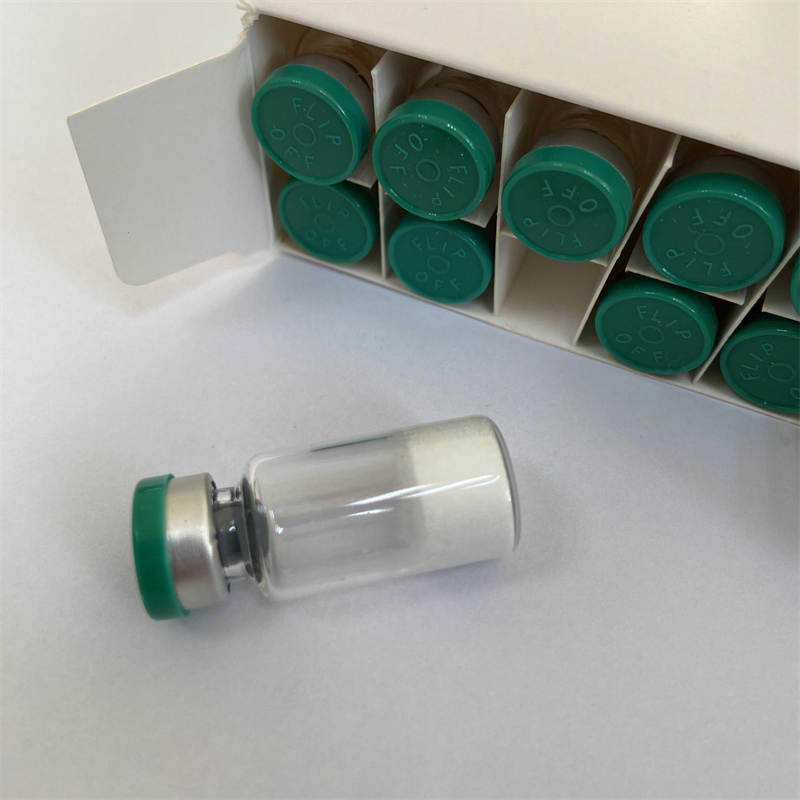
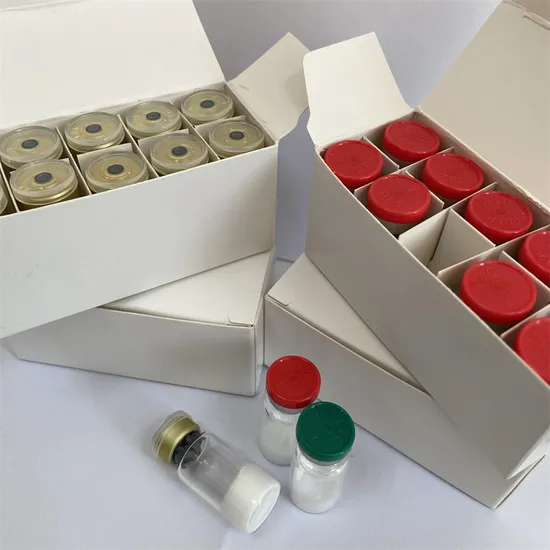
| Form | Lyophilized peptide powder |
| Storage | −20°C, protected from light and moisture |
| Solubility | Soluble in water, PBS, or DMSO |
| Stability | Stable for ≥12 months under recommended conditions |
| Category | Neuroprotective peptide; CNS research compound |
| Applications | Neurodegeneration research, CNS injury models, oxidative stress assays |
| Research Area | Neuroscience, Neurobiology, Regenerative Medicine, Pharmacology |
| Intended Use | For laboratory research use only |
Mechanism of Action
Tasronetide’s neuroprotective effects derive from its modulation of intracellular stress and apoptotic pathways. The peptide acts to stabilize mitochondrial function by preserving ATP production and preventing mitochondrial depolarization—key steps in preventing neuronal death after ischemic or oxidative insult.
Experimental data suggest Tasronetide upregulates the PI3K/Akt pathway, which promotes cell survival by phosphorylating and inactivating pro-apoptotic factors such as Bad and caspase-9. Concurrently, it enhances ERK1/2 signaling, stimulating gene transcription involved in neuroplasticity and synaptic recovery.
Tasronetide also exhibits antioxidative properties through suppression of NADPH oxidase activity and upregulation of endogenous antioxidant enzymes such as superoxide dismutase (SOD) and catalase. This dual mechanism limits lipid peroxidation and protein oxidation, maintaining neuronal integrity during metabolic stress.
Additionally, the peptide reduces microglial overactivation and astrocyte-mediated inflammation by modulating NF-κB signaling, leading to decreased cytokine release (TNF-α, IL-6, IL-1β). These effects help create a more permissive environment for neural repair and regeneration.
Collectively, these molecular interactions define Tasronetide as a multifaceted research tool for exploring protective signaling pathways in neurodegeneration, trauma, and stroke models.
Side Effects
In laboratory research contexts, Tasronetide has shown low cytotoxicity and minimal off-target activity at experimental concentrations. No significant adverse effects on cell viability, morphology, or proliferation have been reported in in vitro assays.
However, higher concentrations may induce mild mitochondrial stress or transient alterations in reactive oxygen species levels, suggesting dose-dependent sensitivity in certain neuronal cell types. As with all experimental compounds, optimal concentrations should be determined empirically to avoid confounding cellular effects.
While the peptide is not approved for clinical use, its in vitro safety profile supports continued exploration in preclinical neuroprotection and regeneration studies. Researchers should handle Tasronetide under standard peptide laboratory safety conditions and avoid any use in humans or animals outside regulated experimental environments.
Disclaimer
All products are intended for laboratory research use only. Tasronetide is not for human or veterinary use and should not be administered to living organisms. Data presented are derived from laboratory and preclinical research references.
Keywords
Tasronetide, CAS 2919567-65-8, neuroprotective peptide, CNS injury research, oxidative stress, neuronal regeneration, ischemic brain model, apoptosis inhibitor, PI3K/Akt modulator, neuroinflammation research
Shipping Guarantee
Worldwide delivery with temperature-controlled logistics
Peptides are packaged under inert gas and sealed for stability
Documentation includes CoA, MSDS, and HPLC data
Delivery in 3–7 business days via certified carriers
Transaction Guarantee
100% authenticity and purity assurance
Secure online payment and encrypted data protection
Replacement or refund for damaged or compromised products
Dedicated technical support for peptide handling and solubility
Additional information
| Weight | 0.9 kg |
|---|---|
| Dimensions | 82 × 53 × 82 cm |
What is Tasronetide?
Tasronetide is a synthetic neuroprotective peptide designed to enhance neuronal survival and support CNS regeneration.
How does Tasronetide function?
It works by modulating oxidative stress, apoptosis, and inflammation pathways to maintain neuronal integrity.
What is the CAS number for Tasronetide?
The CAS number is 2919567-65-8.
Can Tasronetide cross the blood-brain barrier?
Yes. Structural optimization improves its BBB permeability, allowing effective CNS distribution.
Is Tasronetide cytotoxic?
No significant cytotoxicity has been reported in cell-based or in vivo models under standard experimental conditions.
How should Tasronetide be stored?
Store at −20°C, protected from light and moisture.
What solvents are recommended for reconstitution?
Tasronetide is soluble in sterile water, PBS, or DMSO depending on the experimental setup.
Can it be used in animal studies?
Yes, Tasronetide is suitable for non-clinical animal research with appropriate ethical approval.
Is it for human therapeutic use?
No. It is for laboratory research use only, not for clinical or diagnostic applications.
Does it affect mitochondrial metabolism?
Yes, Tasronetide enhances mitochondrial stability and prevents apoptosis-related mitochondrial dysfunction.
What research areas can benefit from Tasronetide?
Neuroscience, neurobiology, regenerative medicine, and neurodegenerative disease modeling.
Related products
99.9% Effective Weight Loss Shaping Peptide – Beauty Peptide Factory Direct Low Price Wholesale
Peptide Purity 99% Specification 5mg/vial, 10mg/vial, 15mg/vial Original price was: $38.00.$23.00Current price is: $23.00.Cosmetic Peptide Raw Material Factory – Low Price Wholesale Direct from China
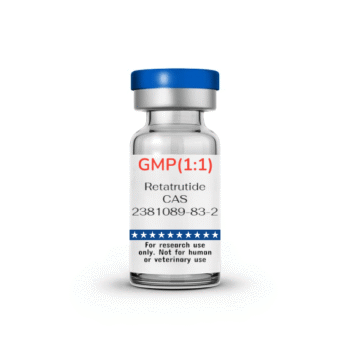
Cosmetic Peptide Appearance: Lyophilized powder Dose 2mg 5mg 10mg 15mg 20mg Higher Original price was: $42.00.$22.00Current price is: $22.00.Retatrutide | CAS 2381089-83-2 | Dual GLP-1/GIP/Glucagon Receptor Agonist
Retatrutide (CAS 2381089-83-2) is a high-purity research-grade peptide optimized for in vitro mechanistic studies. It supports investigations into signal transduction, receptor interactions, and molecular pathway modulation. Supplied as a lyophilized powder, it ensures stability and reproducibility for laboratory research applications. Original price was: $14.00.$12.00Current price is: $12.00.GLP-1/GIP/glucagon combination therapy The Future of Metabolic Treatment (Wholesale Supplier Guide)
GLP-1/GIP/glucagon combination therapy Original price was: $38.00.$23.00Current price is: $23.00.


Reviews
There are no reviews yet.