
No products in the cart.
Sale

TAT-NEP1-40 | BBB-Penetrable Peptide for CNS Injury Research
Original price was: $18.00.$13.00Current price is: $13.00.
TAT-NEP1-40 is a brain-penetrant peptide that inhibits neuronal apoptosis, promotes neurite outgrowth, and improves functional recovery after CNS injuries. It is a key tool for neuroregeneration and stroke research.
Description
Product Description
TAT-NEP1-40 is a highly specialized, cell-permeable, and blood-brain barrier (BBB) penetrable peptide developed for advanced neuroprotection research. Engineered by fusing a functional NEP1-40 motif with the TAT transduction domain, it is capable of efficiently crossing cellular membranes and the BBB to deliver neuroprotective activity directly to neurons, glial cells, and vascular endothelial cells in the CNS. This unique structural design allows TAT-NEP1-40 to serve as a robust tool for studying the molecular and cellular mechanisms underlying neuroprotection, axonal regeneration, and functional recovery after central nervous system (CNS) injuries.
In vitro studies demonstrate that TAT-NEP1-40 effectively protects PC12 cells, primary neuronal cultures, and other neuronally derived cell types from oxygen and glucose deprivation (OGD), a widely used ischemic model. By attenuating oxidative stress, modulating mitochondrial dynamics, and suppressing apoptotic pathways, the peptide maintains cellular integrity and energy homeostasis under hypoxic or ischemic conditions. Its ability to reduce reactive oxygen species (ROS) accumulation, stabilize mitochondrial membrane potential, and preserve ATP synthesis underscores its importance as a neuroprotective agent in mechanistic studies of ischemia-induced neuronal injury.
Moreover, TAT-NEP1-40 promotes neurite outgrowth and synaptic remodeling. In multiple neuronal models, treatment with this peptide enhances axonal elongation, dendritic branching, and the formation of functional synaptic connections, indicating its potential in neuroregenerative strategies. By supporting cytoskeletal reorganization, it helps restore neuronal architecture disrupted by injury or metabolic stress. This property is crucial for exploring therapeutic interventions aimed at enhancing neuronal connectivity after stroke or traumatic brain injury (TBI).
In vivo, TAT-NEP1-40 demonstrates substantial efficacy in rodent ischemia and stroke models. Administration of the peptide has been shown to decrease infarct volume, reduce neuronal apoptosis in penumbral regions, and improve sensorimotor and cognitive outcomes. Behavioral tests including rotarod performance, open-field exploration, and maze-based memory assessments confirm the functional recovery facilitated by TAT-NEP1-40 treatment. Its brain penetrance enables systemic delivery, making it a versatile tool for preclinical studies requiring CNS bioavailability.
At the molecular level, TAT-NEP1-40 functions as a modulator of neutral endopeptidase (NEP) activity. NEP is a key enzyme regulating the turnover of several neuroactive peptides, including enkephalins, amyloid-beta, and vasoactive peptides. Inhibition of NEP by TAT-NEP1-40 prevents the degradation of these endogenous neuroprotective molecules, enhancing neuronal survival, synaptic plasticity, and axonal repair. The TAT domain further facilitates intracellular delivery, allowing the peptide to access subcellular compartments such as mitochondria, cytoplasm, and nucleus, broadening its impact on multiple neuroprotective signaling cascades.
Researchers utilize TAT-NEP1-40 to investigate several critical aspects of CNS injury: ischemic cell death, oxidative stress, excitotoxicity, mitochondrial dysfunction, axonal regeneration, and synaptic recovery. Its compatibility with in vitro assays, ex vivo brain slice preparations, and in vivo rodent models provides a comprehensive platform for mechanistic and therapeutic research. This peptide also serves as a valuable comparator or positive control in studies evaluating novel neuroprotective compounds or gene therapy approaches.
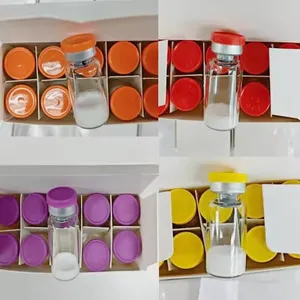
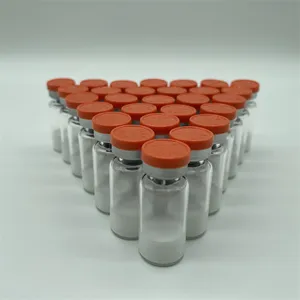
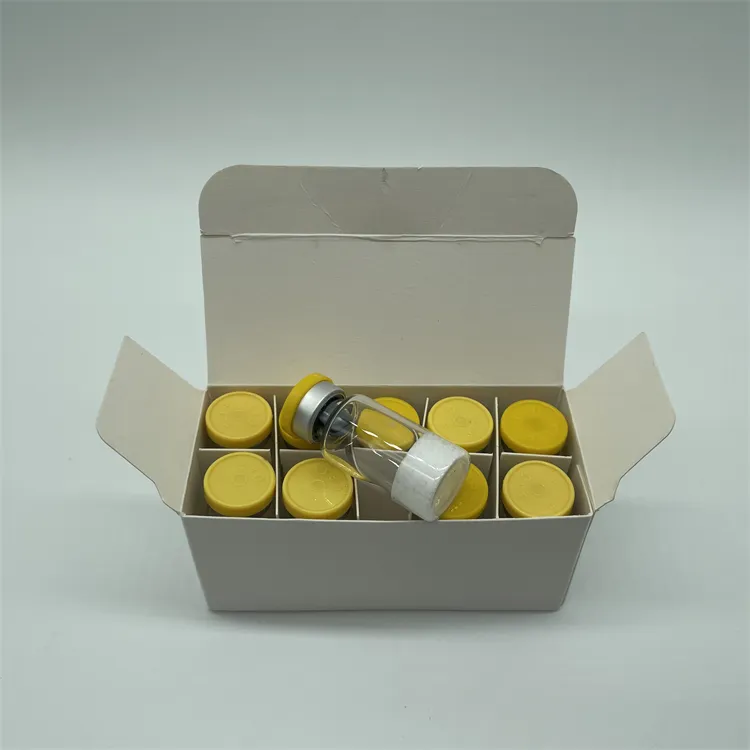
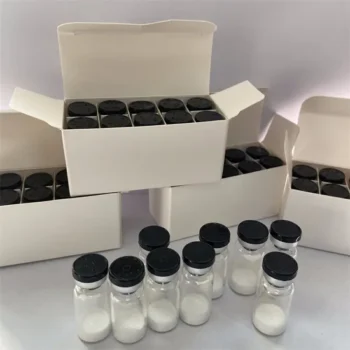
With high chemical purity (≥99%), TAT-NEP1-40 is supplied as a lyophilized powder, stable under standard storage conditions, and easily reconstituted in aqueous buffers for experimental use. Its consistent quality, defined sequence, and reproducible bioactivity make it suitable for advanced neuroscience research and preclinical modeling.
In summary, TAT-NEP1-40 is a next-generation research peptide that combines BBB penetration, potent neuroprotection, and neuroregenerative potential. Its extensive use in ischemia, stroke, and neurodegenerative studies highlights its significance as a standard tool for scientists investigating CNS injury mechanisms and therapeutic strategies.
Product Specifications
| Parameter | Details |
|---|---|
| Product Name | TAT-NEP1-40 |
| CAS Number | N/A |
| Synonyms | TAT-NEP1-40 Peptide; BBB-Penetrable Neuroprotective Peptide |
| Purity | ≥99% |
| Molecular Formula | N/A |
| Molecular Weight | N/A |
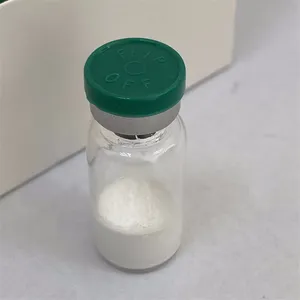
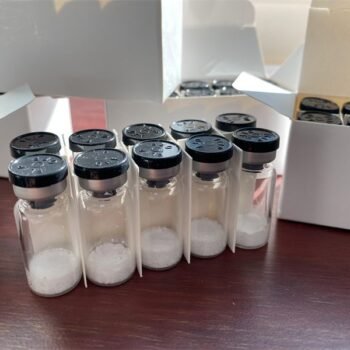
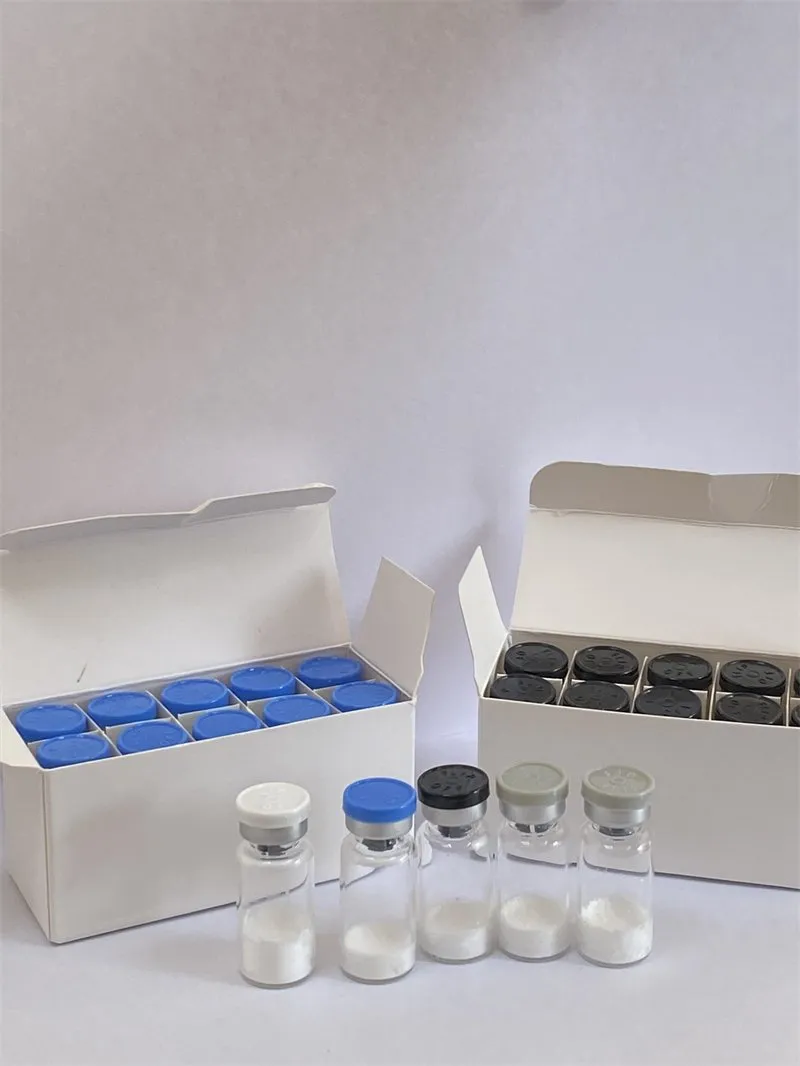
| Appearance | White to off-white lyophilized powder |
| Solubility | Soluble in water or PBS |
| Storage Conditions | Store at -20°C, protected from light and moisture |
| Applications | CNS injury research; stroke models; axonal regeneration; neuroprotection studies |
| Category | Research peptide; BBB-penetrable peptide |
Mechanism of Action
TAT-NEP1-40 exerts its effects through multiple synergistic mechanisms:
NEP Inhibition: Prevents degradation of neuroprotective peptides like enkephalins and amyloid-beta, enhancing neuronal survival.
Apoptosis Suppression: Reduces caspase activity, inhibits cytochrome c release, and blocks mitochondrial-mediated apoptosis in neurons under ischemic stress.
Mitochondrial Stabilization: Preserves mitochondrial membrane potential, reduces ROS production, and maintains ATP levels, protecting neurons from energy failure.
Neurite Outgrowth: Stimulates axonal elongation and dendritic branching through modulation of cytoskeletal proteins and signaling pathways such as MAPK/ERK and PI3K/AKT.
BBB Penetration: The TAT domain ensures efficient delivery across the blood-brain barrier, enabling systemic administration and CNS bioavailability.
Functional Recovery: Enhances synaptic connectivity and neurological performance in preclinical stroke and ischemia models.
Anti-inflammatory Effects: Modulates microglial activation and cytokine release to reduce secondary neuronal damage.
Redox Regulation: Mitigates oxidative stress by scavenging ROS and upregulating endogenous antioxidant defense mechanisms.


Side Effects
In Vitro Safety: Minimal cytotoxicity reported in neuronal and glial cultures at research concentrations.
In Vivo Observations: May alter neuronal signaling; monitor physiological and behavioral parameters during studies.
Laboratory Handling: Use PPE and BSL-2 practices; avoid inhalation and direct skin contact.
Not for Clinical Use: Strictly for laboratory research and preclinical studies.
Keywords
TAT-NEP1-40, BBB-penetrable peptide, neuroprotection peptide, CNS injury research, ischemia, stroke model, neurite outgrowth, research peptide
Shipping Guarantee
All peptides are shipped with temperature-controlled packaging to ensure stability and bioactivity, with global delivery support.
Transaction Guarantee
Secure payments via T/T, PayPal, cryptocurrency, and other methods. Each shipment includes CoA and safety documentation.

Additional information
| Weight | 0.8 kg |
|---|---|
| Dimensions | 62 × 53 × 62 cm |
What is TAT-NEP1-40 used for?
It is used to study neuroprotection, axonal regeneration, and functional recovery after CNS injuries.
How does it cross the blood-brain barrier?
The TAT sequence enables efficient BBB penetration.
Can it be used in vitro and in vivo?
Yes, suitable for neuronal cultures and rodent CNS injury models.
What is the recommended storage?
Store at −20°C, away from light and moisture.
Is it soluble in aqueous solutions?
Yes, soluble in water, PBS, or mild buffers.
Does it have cytotoxic effects?
Minimal toxicity at standard research concentrations.
Which cellular pathways does it affect?
NEP inhibition, apoptosis suppression, mitochondrial stabilization, neurite outgrowth, and anti-inflammatory signaling.
Can the peptide be custom-modified?
Yes, including labeling, conjugation, and purity adjustments.
How is quality verified?
Purity ≥99% confirmed by HPLC and MS; CoA provided.
Is bulk supply available?
Yes, bulk synthesis and OEM services are available for institutional research.
Related products
Semaglutide Raw Material Factory: Low-Price Wholesale for High-Purity Peptides
Semaglutide Compound CID: 56843331 MF: C187H291N45O59Purity: 99%
Form: Lyophilized powder
Dosage Options: 5mg, 10mg, 15mg per vial
Packaging: Secure box packaging
Shelf Life: 2 years (store in a cool, dry place)
MOQ: 1 box
GLP-1 Retatrutide Weight Loss Slimming low price wholesale
GLP-1 peptide slimming product, 5mg 10mg 15mg vials, metabolic health- Application: Health Care Supplement
- Form: Disposable vials
- Dosages: 5mg, 10mg, 15mg
- Purity: >99%
Anti-Aging Peptide Raw Powder CAS 307297-39-8 Epitalon – Low Price Wholesale
Anti-Aging Moq:10 vials per box Appearance:Lyophilized powder Purity:99% Original price was: $29.00.$23.00Current price is: $23.00.Best-Selling Weight Loss Peptide: Slimming Peptide Reta with Safe Delivery
Weight Loss Peptide Lab-Tested Purity (99%+) – Ensures maximum effectiveness Original price was: $56.00.$23.00Current price is: $23.00.

Reviews
There are no reviews yet.