
No products in the cart.

Teduglutide (CAS 197922-42-2) – High Purity Peptide GMP Factory
$2.00
Teduglutide is a long-acting GLP-2 analogue peptide with 99.94% purity. Ideal for studies on intestinal function, mucosal growth, and nutrient absorption. Produced in a GMP-certified factory for research use only.?For wholesale prices, other specifications and uses, please consult our staff?
Description
Teduglutide (CAS 197922-42-2) is a synthetic analogue of human glucagon-like peptide-2 (GLP-2), designed to enhance the stability and biological activity of the natural peptide. It is widely used in gastrointestinal research, particularly in studies focused on intestinal growth, mucosal healing, and nutrient absorption.
Teduglutide binds to GLP-2 receptors located in the gastrointestinal tract, where it stimulates epithelial cell proliferation, reduces gastric motility, and increases nutrient and fluid absorption. These properties make it highly valuable in laboratory models exploring short bowel syndrome, malabsorption disorders, and intestinal adaptation mechanisms.
This research-grade Teduglutide is manufactured under strict GMP guidelines and is intended for laboratory use only.
Product Specifications
| Parameter | Details |
|---|---|
| Product Name | Teduglutide |
| CAS Number | 197922-42-2 |
| Purity | 99.94% |
| Molecular Formula | C164H252N44O55 |
| Molecular Weight | ~3755.1 Da |
| Sequence | H-His-Ala-Asp-Gly-Ser-Phe-Ser-Asp-Glu-Leu-Ser-Lys-Gln-Met-Glu-Glu-Glu-Ala-Val-Arg-Leu-Phe-Ile-Glu-Asp-Ser-Arg-Gly-Ala-Arg-Leu-NH2 |
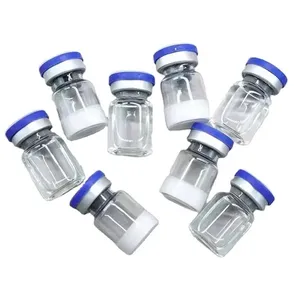
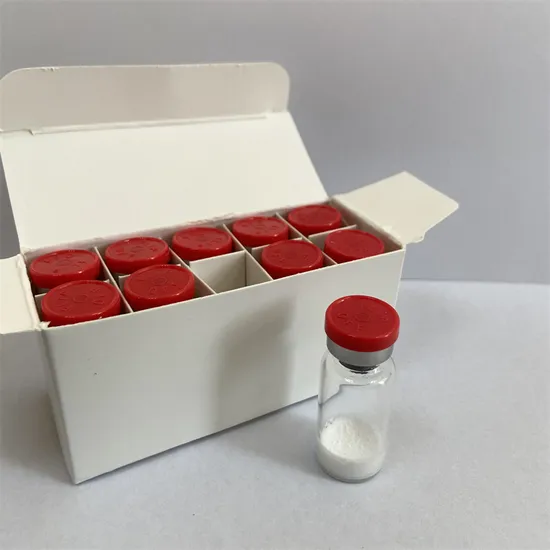
| Appearance | White to off-white powder |
| Storage | Store at -20°C, protected from light and moisture |
| Manufacturing Standard | GMP Certified Facility |
Mechanism of Action & Research Applications
Teduglutide functions as a GLP-2 receptor agonist, mimicking the action of endogenous GLP-2. Upon receptor binding, it activates signaling pathways that promote intestinal epithelial regeneration, enhance nutrient absorption, and suppress gastric secretions and motility.
This peptide is especially valuable in preclinical models of intestinal disorders, including studies on short bowel syndrome, Crohn’s disease, mucosal healing, and enteric adaptation. Its high resistance to DPP-IV degradation allows for prolonged activity in experimental setups, making it an ideal choice for chronic studies of intestinal physiology and nutrient processing.
Side Effects (For Reference Only in Models)
In laboratory models, Teduglutide may be associated with physiological effects such as increased intestinal mass, altered motility, and changes in nutrient absorption. It may also influence water and electrolyte transport in intestinal tissues. These effects are useful for studying intestinal adaptation but should be interpreted within controlled research settings.
Disclaimer
Teduglutide (CAS 197922-42-2) is strictly intended for laboratory research use only. It is not for human or veterinary use, diagnosis, or therapy. Handle in accordance with proper safety procedures.
Additional information
| Weight | 0.7 kg |
|---|---|
| Dimensions | 28 × 23 × 28 cm |
What is Teduglutide?
Teduglutide is a synthetic analogue of GLP-2 used in laboratory research to study intestinal growth, absorption, and mucosal repair.
How does Teduglutide work?
Teduglutide binds to GLP-2 receptors in the gastrointestinal tract, stimulating epithelial regeneration and enhancing fluid and nutrient absorption.
What are the main research applications of Teduglutide?
Teduglutide is widely used in studies of short bowel syndrome, Crohn’s disease, and experimental models of mucosal healing and intestinal adaptation.
What makes Teduglutide more stable than natural GLP-2?
Teduglutide has an amino acid substitution that resists degradation by DPP-IV enzymes, allowing longer biological activity in research applications.
What is the purity level of Teduglutide offered here?
This Teduglutide product has a confirmed purity of 99.94%, ideal for high-precision experimental research.
Can Teduglutide be used in human therapy?
No. Teduglutide offered here is strictly for laboratory research use only and is not approved for therapeutic or clinical use.
Is Teduglutide produced under GMP conditions?
Yes, this product is manufactured in a GMP-certified facility to ensure consistent quality and purity for experimental use.
How should Teduglutide be stored?
Teduglutide should be stored at -20°C in a dry, light-protected environment to maintain stability.
Is Teduglutide suitable for long-term studies?
Yes, due to its resistance to enzymatic degradation, Teduglutide is suitable for long-duration gastrointestinal research.
Is Teduglutide safe to use in animal studies?
Teduglutide is commonly used in controlled animal models for research purposes but must be handled with appropriate laboratory protocols.
Related products
Tesamorelin Raw Material Factory: Low-Price Wholesale for High-Purity Peptides
Tesamorelin Egrifta; Tesamorelin; 218949-48-5; 804475-66-9; TH9507; ... Compound CID: 16137828 MF: C221H366N72O67S Original price was: $38.00.$23.00Current price is: $23.00.Retatrutide cost with insurance
Retatrutide cost with insurance Original price was: $38.00.$26.00Current price is: $26.00.99% Pure Peptide Reta Trutide Epitalon in Stock Factory wholesale
Peptide Reta Purity 99%Over Original price was: $39.00.$26.00Current price is: $26.00.Semaglutide finished product (lyophilized powder) wholesale Supplier
Semaglutide finished product (lyophilized powder) wholesale $1.00
Reviews
There are no reviews yet.