
No products in the cart.
Sale


Tetrapeptide | CAS 31008-44-3 | α-MSH Analogue Peptide for Melanin Regulation and DNA Repair Research
Original price was: $3.00.$2.00Current price is: $2.00.
Tetrapeptide is a synthetic α-MSH analogue peptide studied for its role in melanin synthesis regulation and DNA photoproduct repair. It promotes melanogenesis while reducing oxidative DNA damage, making it a valuable tool for cosmetic and dermatological research focusing on pigmentation and photoprotection.

Description
Contents
hide
Product Description
Tetrapeptide is a short synthetic peptide engineered as an analogue of α-Melanocyte Stimulating Hormone (α-MSH). Its structure allows it to interact with melanocortin receptors, particularly MC1R, to modulate melanogenesis and skin pigmentation pathways in experimental settings.
Laboratory studies demonstrate that Tetrapeptide stimulates melanin production while simultaneously reducing DNA damage caused by ultraviolet radiation. This dual function is achieved by lowering reactive oxygen species (ROS) generation and enhancing nucleotide excision repair mechanisms, particularly the repair of cyclobutane pyrimidine dimers (CPDs) and 6-4 photoproducts in DNA.
By influencing melanocyte biology, Tetrapeptide also supports the natural protective pigmentation processes without excessive oxidative stress. It has been investigated for its synergistic effects when combined with antioxidants, UV filters, or other cosmetic peptides, improving cellular resilience and pigmentation balance in cultured skin models.
Tetrapeptide exhibits efficient skin penetration due to its small size and amphiphilic properties, making it suitable for topical formulation studies such as serums, creams, or lotions. Researchers also study its role in mitigating photodamage and improving overall skin health at the cellular level.
The peptide’s high purity and reproducible bioactivity make it a reliable candidate for laboratory investigations into melanogenesis, photoprotection, oxidative stress mitigation, and DNA repair mechanisms in cosmetic science and dermatological research.
Product Specifications
| Parameter | Description |
|---|---|
| Product Name | Tetrapeptide |
| CAS Number | 31008-44-3 |
| Synonyms | α-MSH Tetrapeptide Analogue |
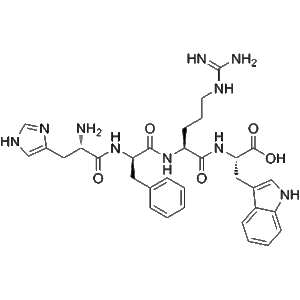
| Molecular Formula | C28H42N8O6 |
| Molecular Weight | 562.7 g/mol |
| Purity | ≥99% |
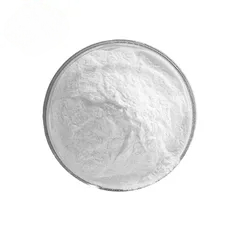
| Appearance | White to off-white lyophilized powder |
| Solubility | Soluble in water, PBS, and DMSO |
| pH Stability | Stable between pH 5–7 |
| Storage Temperature | 2–8 °C |
| Category | Cosmetic peptide |
| Applications | Melanin regulation research, photoprotection studies, DNA repair research, oxidative stress mitigation |
| Formulation | Suitable for topical serum, cream, or lotion research formulations |
| Stability | Stable under recommended storage and light-protected conditions |
| Shelf Life | 24 months |
| Supplier Type | Factory peptide supplier / OEM cosmetic peptide manufacturer |
| Intended Use | For laboratory research use only |
Mechanism of Action
Tetrapeptide acts primarily through melanocortin receptor pathways to regulate pigmentation and protect against photodamage.
1. Melanogenesis Modulation
Tetrapeptide binds to MC1R receptors on melanocytes, promoting melanin synthesis while maintaining cellular homeostasis. It effectively balances eumelanin and pheomelanin production in in vitro models.
2. Oxidative Stress Reduction
The peptide reduces the generation of reactive oxidative species (ROS) in melanocytes and keratinocytes, preventing oxidative damage to cellular proteins, lipids, and DNA.
3. DNA Photoproduct Repair Enhancement
Tetrapeptide enhances the nucleotide excision repair system, facilitating faster and more accurate repair of UV-induced DNA photoproducts such as CPDs and 6-4 photoproducts, thereby improving cellular resilience against UV exposure.
4. Synergistic Anti-Photodamage Effects
When combined with antioxidants, UV filters, or other cosmetic peptides, Tetrapeptide demonstrates improved efficacy in protecting skin cells from UV-induced oxidative stress and DNA damage.
5. Extracellular Matrix Support
Tetrapeptide indirectly promotes fibroblast activity by reducing oxidative stress in the dermal environment, which may contribute to improved ECM integrity and skin elasticity in research studies.
Side Effects
Cytotoxicity: Minimal in laboratory concentrations; safe under recommended experimental conditions.
Irritation: No significant irritation observed in reconstructed human epidermal models.
Phototoxicity: Non-phototoxic; supports cellular defense against UV-induced damage.
Stability Considerations: Sensitive to UV light, high temperatures, and extreme pH; store at 2–8 °C protected from light.
Experimental Guidance: Perform concentration-dependent cytotoxicity tests prior to formulation development.
Tetrapeptide is strictly for research use and is not intended for ingestion, injection, or clinical therapy.
Keywords
Tetrapeptide, α-MSH analogue peptide, melanin regulation, DNA repair peptide, photoprotection, anti-oxidative peptide, cosmetic peptide research, factory peptide supplier, peptide wholesale China, cosmetic raw material manufacturer, low-price peptide supplier, high-purity cosmetic peptides, China peptide manufacturer, OEM & bulk peptide production, high purity.
Shipping Guarantee
All shipments are handled using validated cold-chain logistics to preserve peptide integrity. Each package is sealed in moisture-proof containers with secondary protective wrapping and continuous temperature monitoring. Products are shipped via express international couriers with full tracking and insurance coverage.

Trade Assurance
We ensure product authenticity, verified ≥99% purity, and compliance with analytical standards (HPLC, MS, and NMR). Each batch is supplied with a Certificate of Analysis (CoA). Our trade assurance policy guarantees replacement or refund for any deviation from listed specifications.

Payment Support
We provide flexible and secure global payment options to support international research transactions. Accepted payment methods include PayPal, major credit cards (Visa, MasterCard, American Express), telegraphic transfer (T/T), and cryptocurrencies (USDT, Bitcoin, Ethereum). All transactions are protected by industry-standard encryption and verified payment gateways to ensure confidentiality and fund security.
Disclaimer
All products listed are intended for laboratory research use only and not for human or veterinary use. They are not drugs, medical devices, or diagnostics and should not be administered to humans or animals. Researchers must handle all materials in accordance with institutional biosafety and chemical safety guidelines. The information provided is for scientific reference only and does not imply therapeutic efficacy, safety, or regulatory approval.

Additional information
| Weight | 1.8 kg |
|---|---|
| Dimensions | 53 × 46 × 53 cm |
What is Tetrapeptide used for?
Tetrapeptide is used in cosmetic research for melanogenesis studies, DNA repair research, and photoprotection investigations.
Is Tetrapeptide high-purity?
Yes, it is produced to ≥99% purity, confirmed via HPLC, MS, and NMR analysis.
How should Tetrapeptide be stored?
Store at 2–8 °C, protected from light and moisture.
What is the typical appearance of Tetrapeptide?
White to off-white lyophilized powder, soluble in water, PBS, and DMSO.
Can it be combined with other cosmetic ingredients?
Yes, it can be formulated with peptides, antioxidants, or UV filters for laboratory research.
Is Tetrapeptide safe for laboratory use?
When used under recommended concentrations in controlled experiments, it demonstrates minimal cytotoxicity.
Where is Tetrapeptide manufactured?
Manufactured in China by GMP-equivalent facilities with batch-to-batch quality consistency.
Do you provide OEM & bulk peptide production?
Yes, OEM and bulk production services are available for cosmetic research and formulation development.
What quality assurance documentation is provided?
Each batch comes with a Certificate of Analysis (CoA) confirming ≥99% purity and analytical validation.
How does Tetrapeptide regulate melanin synthesis?
It acts as an α-MSH analogue, binding MC1R receptors to modulate eumelanin and pheomelanin production.
Can it be purchased from peptide wholesale China suppliers?
Yes, it is available for bulk purchase and peptide wholesale from China-based suppliers.
What type of peptide supplier are you?
We are a professional factory peptide supplier specializing in high-purity cosmetic peptides.
Does it help reduce oxidative stress in skin cells?
Yes, Tetrapeptide reduces ROS generation and supports DNA repair in melanocytes and keratinocytes.
Is Tetrapeptide suitable for cosmetic raw material manufacturers?
Yes, it is suitable for laboratory-scale research, preformulation studies, and cosmetic raw material evaluation.
Why choose a China peptide manufacturer for Tetrapeptide?
We provide high-quality, research-grade peptides, OEM & bulk production, verified purity, and validated cold-chain shipping.
Related products
Silodosin CAS 160970-54-7 4mg | For research use only
Silodosin is a high-purity research reagent suitable for in vitro mechanistic and molecular studies. It supports enzyme modulation, receptor signaling, and molecular pathway investigations under controlled laboratory conditions. Factory-direct manufacturing ensures consistent batch quality, analytical verification, and bulk availability for laboratory research. Original price was: $86.00.$56.00Current price is: $56.00.Reduced Glutathione 600mg — Laboratory Research Grade Reagent
Reduced Glutathione (GSH) is a high-purity tripeptide widely used in in vitro mechanistic and molecular studies. It serves as a versatile reagent for investigating redox biology, oxidative stress pathways, and thiol-dependent protein interactions. Supplied in a laboratory-ready format, it is ideal for mechanistic assays and molecular signaling studies. Original price was: $4.00.$3.00Current price is: $3.00.Sitagliptin and Metformin Hydrochloride Extended 100mg low price supplier
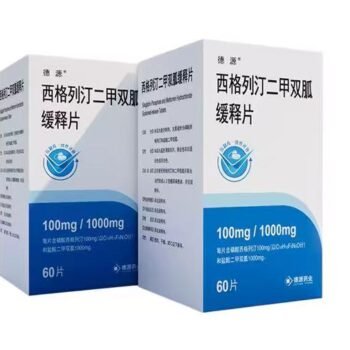
Formulated for laboratory research use, Sitagliptin and Metformin Hydrochloride Extended-Release Tablets combine a DPP-4 inhibitor and biguanide. Manufactured by Qilu Pharmaceutical (Hainan) Co., Ltd., approved under H20253718.
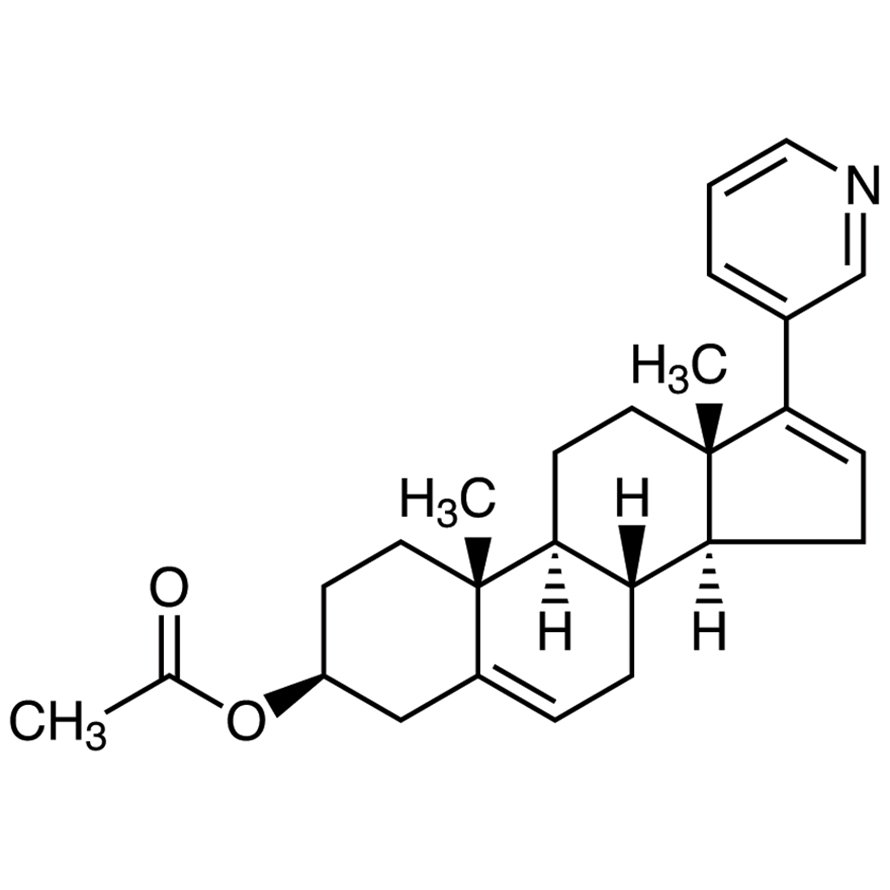
Original price was: $6.00.$3.00Current price is: $3.00.Abiraterone Acetate 250 mg – High Purity | Factory Manufactured
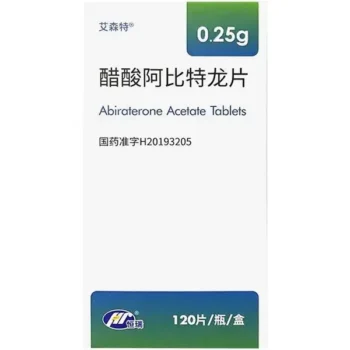
High-purity Abiraterone Acetate 250 mg, manufactured under strict quality control for in vitro receptor studies, enzymatic pathway research, and molecular mechanism analysis. Available for bulk, wholesale, and customized laboratory supply with consistent batch-to-batch purity. $2.00



Reviews
There are no reviews yet.