
No products in the cart.
Sale
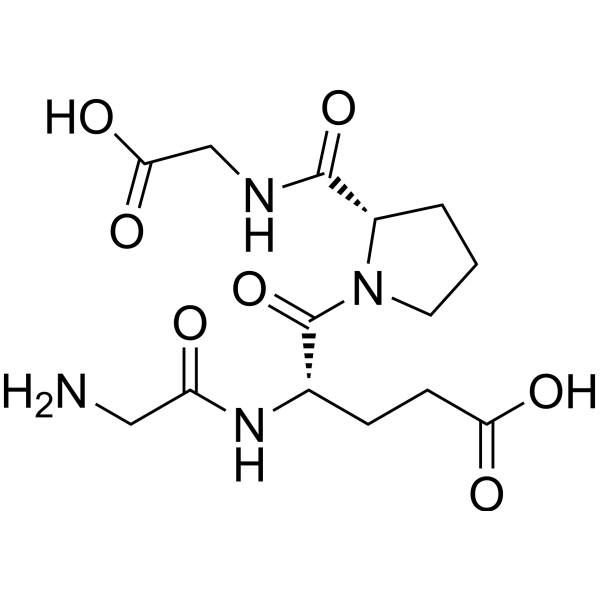
Tetrapeptide-4 | CAS 960608-16-6 | Anti-Aging Cosmetic Peptide
Original price was: $3.00.$2.00Current price is: $2.00.
Tetrapeptide-4 (CAS 960608-16-6) is a bioactive cosmetic peptide with potent anti-aging activity. It stimulates collagen, elastin, and fibronectin production, reduces wrinkles, and promotes skin firmness and elasticity.

Description
Product Description
Tetrapeptide-4 is a synthetic bioactive peptide developed for cosmetic research applications focusing on anti-aging, wrinkle reduction, and skin resilience improvement. As a functional peptide compound, Tetrapeptide-4 plays a crucial role in restoring the structural integrity of the extracellular matrix (ECM), which is vital for maintaining firm and youthful-looking skin. In scientific studies, this tetrapeptide demonstrates an ability to upregulate the synthesis of key ECM components such as collagen types I and III, elastin, and fibronectin, thereby improving skin elasticity and reducing fine lines.
Tetrapeptide-4 acts as a signaling molecule that interacts with fibroblasts, stimulating their biosynthetic activity. This peptide’s mechanism helps restore the dermal matrix that becomes fragmented and weakened due to intrinsic aging and photoaging. As a result, Tetrapeptide-4 has become a valuable research compound for laboratories investigating novel anti-wrinkle formulations and regenerative cosmetic materials. Its high biocompatibility and molecular precision make it ideal for controlled formulation development.
In skin tissue models, Tetrapeptide-4 has shown significant anti-inflammatory properties, helping reduce oxidative stress markers that contribute to premature skin aging. It also strengthens the skin barrier by promoting lipid synthesis and supporting the integrity of dermal-epidermal junctions. Such multifunctional activity explains its inclusion in advanced peptide-based cosmetic systems designed for both preventive and corrective skin-aging studies.
Researchers investigating high-performance cosmetic peptides often use Tetrapeptide-4 alongside synergistic compounds such as Palmitoyl Tripeptide-1, Acetyl Hexapeptide-8, or Oligopeptide-1 to explore cumulative anti-aging effects. The combination of collagen-boosting and antioxidant mechanisms allows Tetrapeptide-4 to serve as an essential reference ingredient in formulation optimization studies for serums, emulsions, or nanoliposome delivery systems.
Tetrapeptide-4 is characterized by exceptional stability and solubility, ensuring compatibility with aqueous or mild emulsion-based research formulations. It provides researchers with a reliable bioactive model for studying peptide-based collagen induction and wrinkle reduction mechanisms at both the cellular and molecular levels.
Overall, Tetrapeptide-4 represents a modern scientific approach to skin rejuvenation research. Its biochemical precision and proven dermal-regenerative potential make it a vital peptide in laboratory studies investigating how targeted signaling sequences can reverse visible signs of aging and improve the biomechanical strength of the skin.
Product Specifications
| Property | Description |
|---|---|
| Product Name | Tetrapeptide-4 |
| CAS Number | 960608-16-6 |
| Synonyms | Anti-wrinkle tetrapeptide; Collagen-stimulating peptide |
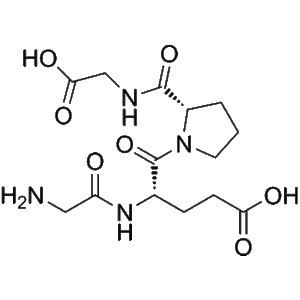
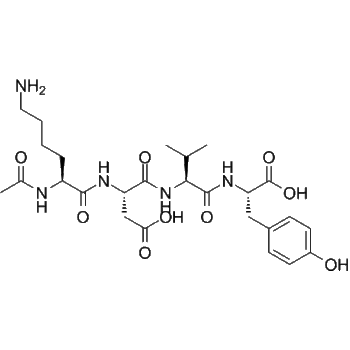
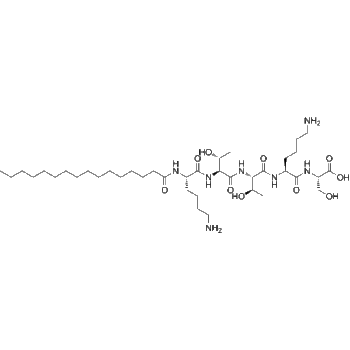
| Molecular Formula | C₂₁H₃₈N₆O₈ |
| Molecular Weight | 502.57 g/mol |
| Purity | ≥99% |
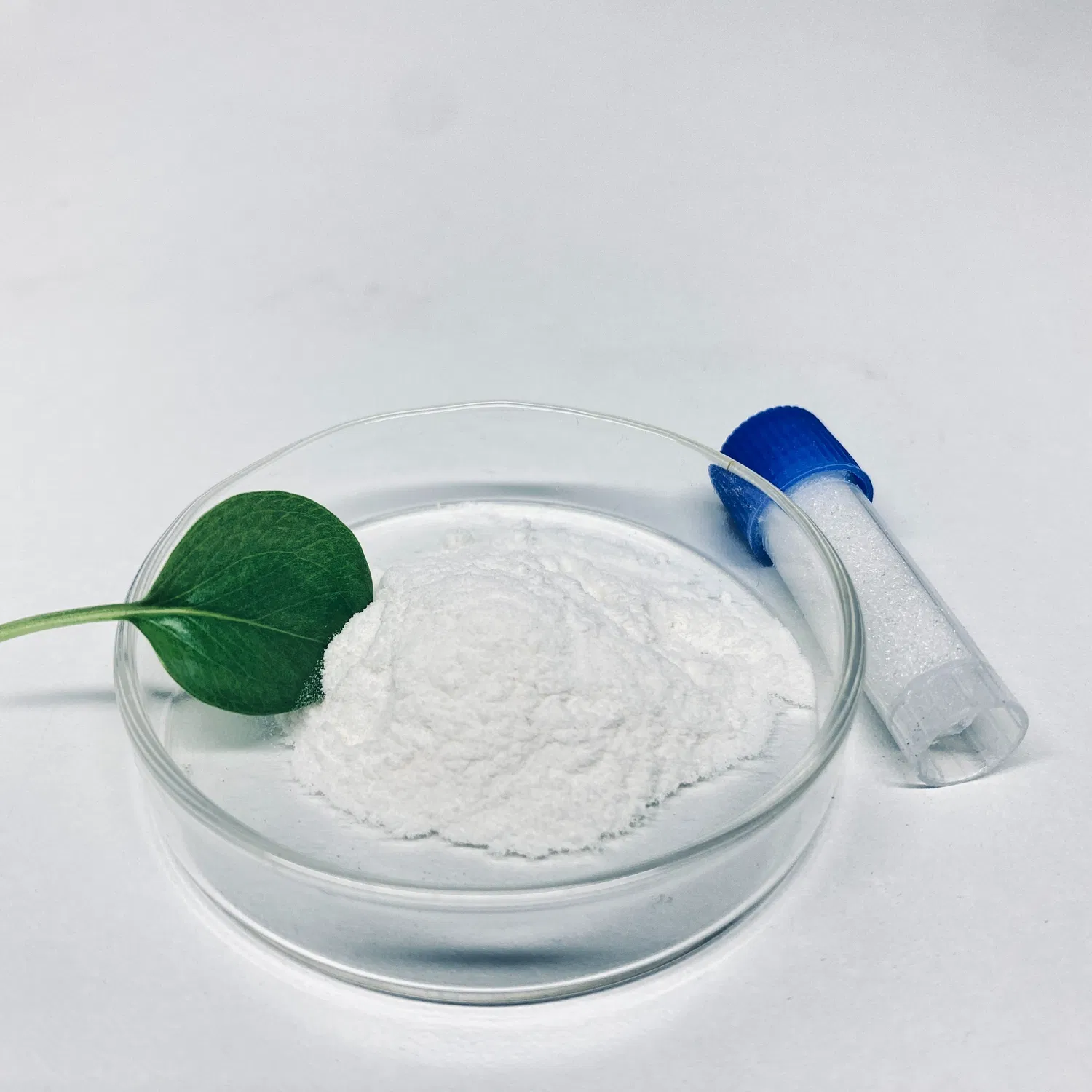
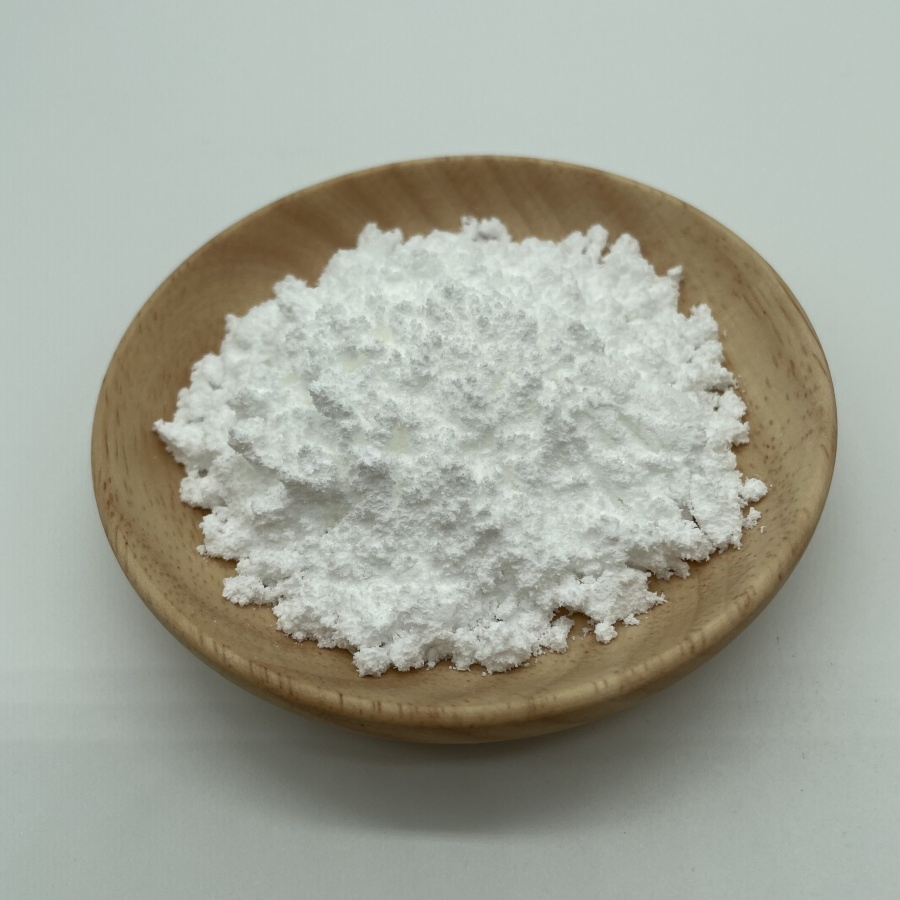
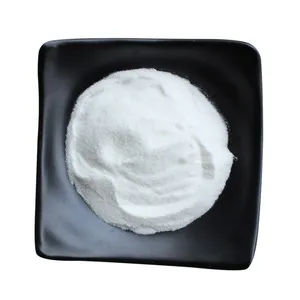
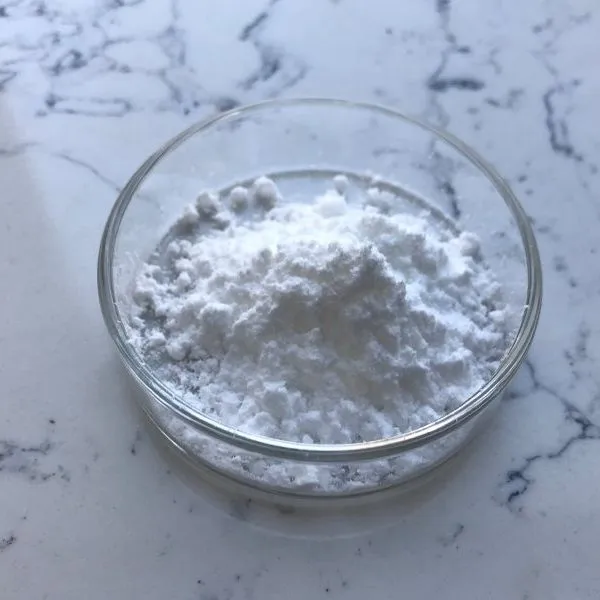
| Form | White to off-white powder |
| Storage Temperature | 2–8 °C |
| Solubility | Soluble in water |
| Category | Cosmetic peptide; Bioactive tetrapeptide |
| Applications | Anti-wrinkle, collagen induction, skin elasticity, dermal regeneration research |
| Intended Use | For laboratory research use only |
Mechanism of Action
Tetrapeptide-4 functions primarily as a bio-signal modulator within the extracellular matrix of the skin. By activating dermal fibroblasts, it enhances their ability to produce structural proteins that reinforce the dermal network. The peptide’s activity includes upregulation of type I collagen, which forms the primary tensile framework of the skin, and type III collagen, which contributes to the skin’s flexibility and resilience. Additionally, Tetrapeptide-4 supports the assembly of fibronectin, an ECM glycoprotein responsible for anchoring cells to their structural surroundings.
At the cellular level, Tetrapeptide-4 modulates several key signaling pathways related to tissue regeneration, such as the TGF-β/SMAD and MAPK cascades. These pathways are essential for maintaining dermal homeostasis and promoting the synthesis of new connective tissue components. By influencing these mechanisms, Tetrapeptide-4 contributes to restoring youthful skin architecture and reducing the depth of wrinkles.
Moreover, Tetrapeptide-4 helps balance matrix metalloproteinase (MMP) activity, preventing excessive degradation of collagen fibers induced by UV radiation and oxidative stress. This dual action—stimulating new matrix synthesis while protecting existing ECM structures—makes Tetrapeptide-4 a uniquely versatile peptide in skin-aging research.
Tetrapeptide-4 also contributes to barrier repair and anti-inflammatory defense. Its activity can reduce cytokine-induced irritation, soothe the skin, and strengthen the lipid layer, which is crucial for maintaining moisture balance. In cosmetic research studies, formulations containing Tetrapeptide-4 have demonstrated improved skin density, elasticity, and texture after consistent exposure in vitro.
From a biochemical standpoint, Tetrapeptide-4’s structure allows efficient interaction with cell membrane receptors, ensuring rapid penetration and high bioavailability in dermal applications. This characteristic makes it suitable for investigating advanced delivery technologies, such as liposome encapsulation or polymer-based peptide stabilization systems, to enhance efficacy in experimental models.
The combined effects of collagen stimulation, antioxidant protection, and anti-inflammatory response position Tetrapeptide-4 as a cornerstone molecule in the ongoing exploration of cosmetic peptide-based dermal restoration.
Side Effects
In controlled laboratory settings, Tetrapeptide-4 has shown excellent biocompatibility and minimal cytotoxicity. Since it is a synthetic peptide designed to mimic naturally occurring amino acid sequences in human skin, it poses very low irritation potential in in vitro models. However, as with any peptide-based research material, it should be handled using proper laboratory safety protocols.
Researchers are advised to monitor for any signs of peptide instability under extreme pH or temperature conditions. Tetrapeptide-4 may degrade if exposed to prolonged high heat or direct UV light. In formulation testing, avoid using strong oxidants or high ionic strength buffers that could alter peptide conformation. No significant allergenic, mutagenic, or genotoxic responses have been reported in scientific literature.
All experimental applications should remain limited to controlled laboratory environments. This peptide is not intended for human or animal use, and all work involving Tetrapeptide-4 should follow institutional biosafety and chemical handling regulations.
Keywords
Tetrapeptide-4, cosmetic peptide, collagen synthesis, anti-aging peptide, skin-firming peptide, bioactive peptide, peptide supplier China, high purity tetrapeptide, peptide raw material manufacturer
Shipping Guarantee
All shipments are handled using validated cold-chain logistics to preserve peptide integrity. Each package is sealed in moisture-proof containers with secondary protective wrapping and continuous temperature monitoring. Products are shipped via express international couriers with full tracking and insurance coverage.
Trade Assurance
We ensure product authenticity, verified ≥99% purity, and compliance with analytical standards (HPLC, MS, and NMR). Each batch is supplied with a Certificate of Analysis (CoA). Our trade assurance policy guarantees replacement or refund for any deviation from listed specifications.
Payment Support
We provide flexible and secure global payment options to support international research transactions. Accepted payment methods include PayPal, major credit cards (Visa, MasterCard, American Express), telegraphic transfer (T/T), and cryptocurrencies (USDT, Bitcoin, Ethereum). All transactions are protected by industry-standard encryption and verified payment gateways to ensure confidentiality and fund security.
Disclaimer
All products listed are intended for laboratory research use only and not for human or veterinary use. They are not drugs, medical devices, or diagnostics and should not be administered to humans or animals. Researchers must handle all materials in accordance with institutional biosafety and chemical safety guidelines. The information provided is for scientific reference only and does not imply therapeutic efficacy, safety, or regulatory approval.

Additional information
| Weight | 2.5 kg |
|---|---|
| Dimensions | 26 × 83 × 26 cm |
What is Tetrapeptide-4 used for in cosmetic research?
Tetrapeptide-4 is studied for its anti-aging and skin-firming effects. It helps stimulate collagen, elastin, and fibronectin synthesis, supporting skin density and reducing wrinkles.
Is Tetrapeptide-4 suitable for formulation research involving high purity peptides?
Yes, Tetrapeptide-4 is produced with ≥99% purity, making it ideal for laboratories requiring high purity peptide samples for precise analytical and formulation studies.
How should Tetrapeptide-4 be stored for long-term research use?
It should be stored at 2–8 °C in a sealed container, protected from moisture and light to maintain stability.
What is the molecular mechanism of Tetrapeptide-4?
It activates fibroblasts and regulates collagen production by modulating TGF-β and SMAD pathways, promoting extracellular matrix regeneration.
Can Tetrapeptide-4 be combined with other peptides in research formulations?
Yes, it is often used in combination with Palmitoyl Tripeptide-1 or Acetyl Hexapeptide-8 to explore synergistic effects in skin regeneration models.
What makes Tetrapeptide-4 a high-purity peptide?
Each batch undergoes rigorous HPLC, MS, and NMR testing to confirm ≥99% purity, ensuring consistency for reproducible experimental outcomes.
Is Tetrapeptide-4 suitable for bulk peptide production or OEM supply?
Yes, it can be provided for OEM and bulk peptide production under controlled laboratory conditions for international research collaborations.
What are the physical characteristics of Tetrapeptide-4?
It appears as a white to off-white powder with high solubility in water, allowing easy integration into aqueous systems.
What precautions should be taken when working with Tetrapeptide-4?
Avoid extreme pH and strong oxidizing environments. Handle with standard peptide research precautions.
Does Tetrapeptide-4 affect the skin barrier?
Yes, research shows it can strengthen skin barrier function by improving lipid synthesis and cell adhesion proteins.
Can Tetrapeptide-4 reduce oxidative stress in skin research models?
Yes, it shows antioxidant effects that help protect against oxidative damage and support cellular repair.
Is Tetrapeptide-4 produced by a certified peptide manufacturer in China?
Yes, it is supplied by a professional China peptide manufacturer specializing in high purity cosmetic peptides.
Does your factory offer peptide wholesale or low-price supply options?
Yes, we support peptide wholesale, OEM production, and bulk supply at competitive pricing directly from our factory peptide supplier network.
How can I verify the authenticity of Tetrapeptide-4 samples?
Each product is provided with a Certificate of Analysis and batch testing data to verify identity and purity.
What research areas are associated with Tetrapeptide-4?
It is primarily used in anti-aging, skin elasticity improvement, collagen synthesis enhancement, and cosmetic peptide mechanism studies.
Related products
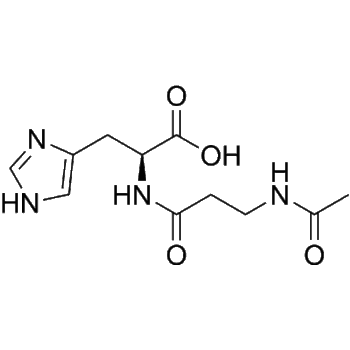
N-Acetylcarnosine | CAS 56353-15-2 | Antioxidant Peptide for Skin Brightening and Anti-Aging Research
N-Acetylcarnosine (NAC) is a histidine-containing dipeptide derivative of L-carnosine, widely recognized in cosmetic research for its antioxidant, brightening, and anti-aging properties. It supports collagen preservation, cellular repair, and oxidative balance in skin and ocular oxidative stress models. Original price was: $3.00.$1.00Current price is: $1.00.Acetyl tetrapeptide-2 | CAS 757942-88-4 | Bioactive Peptide for Collagen Stimulation
Acetyl tetrapeptide-2 (CAS 757942-88-4) is a bioactive cosmetic peptide known for its potent anti-aging properties. It enhances collagen and elastin synthesis, restores skin firmness, and improves structural resilience in aging skin. Original price was: $2.00.$1.00Current price is: $1.00.Hexapeptide-11 | CAS 161258-30-6 | Anti-Aging Peptide for Skin Elasticity and Cellular Renewal
Hexapeptide-11 (CAS 161258-30-6) is a bioactive peptide known for its potent anti-aging and skin-rejuvenating effects. It supports fibroblast vitality, enhances collagen and elastin synthesis, and promotes youthful skin elasticity. Original price was: $3.00.$2.00Current price is: $2.00.Palmitoyl pentapeptide-4 | CAS 214047-00-4 | Anti-Aging Cosmetic Peptide for Skin Regeneration and Wrinkle Reduction Research
Palmitoyl pentapeptide-4 (Matrixyl) is a synthetic cosmetic peptide widely recognized for its anti-aging, collagen-stimulating, and wrinkle-reducing properties. It is commonly utilized in research for dermal regeneration, skin elasticity enhancement, and anti-wrinkle cosmetic formulations. Original price was: $32.00.$26.00Current price is: $26.00.
Reviews
There are no reviews yet.