
No products in the cart.
Sale

Tiplimotide (CAS 178823-49-9) | Altered Peptide Ligand for Multiple Sclerosis Research
Original price was: $23.00.$21.00Current price is: $21.00.
Tiplimotide (NBI-5788) is an altered peptide ligand (APL) derived from the immunodominant region (83–99) of myelin basic protein (MBP). It is designed to selectively downregulate inflammatory T-cell responses and modulate cytokine production, making it a powerful research tool in multiple sclerosis (MS) and autoimmune neuroinflammation. Supplied in GMP-grade quality with high purity, suitable for wholesale and retail laboratory use.
?? For research use only. Not for human or veterinary use.
Description
Product Description
Tiplimotide (CAS 178823-49-9), also known as NBI-5788, represents a breakthrough in the field of immune modulation peptides. As an altered peptide ligand (APL), Tiplimotide is rationally designed from the immunodominant 83–99 region of myelin basic protein (MBP), which is a well-established target in autoimmune demyelination. The MBP 83–99 epitope plays a critical role in pathogenic T-cell recognition and activation in multiple sclerosis (MS). By strategically altering the amino acid sequence within this region, Tiplimotide exhibits modified T-cell receptor binding properties that result in immune tolerance and reduced pathogenic cytokine production.
This rational design distinguishes Tiplimotide from native MBP peptides. Instead of broadly activating T-cells, it induces selective partial agonism or antagonism of autoreactive T-cells, leading to reduced secretion of proinflammatory cytokines such as IFN-? and TNF-?, while favoring the release of regulatory cytokines such as IL-10. This functional immune deviation makes Tiplimotide an excellent model for studying immune tolerance mechanisms in autoimmune diseases, especially MS.
Tiplimotide is not a general immunosuppressant. Instead, it provides antigen-specific immunomodulation, preserving overall immune competence while downregulating autoreactive T-cell responses. This targeted approach offers researchers a unique tool to explore strategies for selective autoimmune intervention, distinguishing it from conventional immunosuppressive drugs.
In preclinical research, Tiplimotide has been shown to:
Reduce inflammatory demyelination in experimental autoimmune encephalomyelitis (EAE), a widely used animal model of MS.
Decrease production of IFN-?, IL-2, and TNF-? by autoreactive T-cells.
Promote IL-10 secretion from regulatory T-cell subsets, contributing to a tolerogenic immune environment.
Alter T-cell activation thresholds, making pathogenic T-cells less responsive to native MBP peptides.
Delay disease onset and reduce severity in EAE studies.
Researchers value Tiplimotide as a selective probe for autoimmune mechanisms, particularly in neuroimmunology, peptide-based immune therapy, and antigen-specific tolerance research. Because multiple sclerosis involves autoreactive CD4+ T-cells targeting central nervous system myelin proteins, Tiplimotide’s ability to selectively modulate this immune response provides critical insights into immune regulation, therapeutic peptide design, and biomarker discovery.
Product Specifications
| Parameter | Details |
|---|---|
| Product Name | Tiplimotide |
| Synonyms | NBI-5788, MBP83–99 APL |
| CAS Number | 178823-49-9 |
| Molecular Type | Altered peptide ligand (APL) |
| Source | Synthetic peptide, derived from MBP 83–99 |
| Purity | ? 98% (HPLC) |
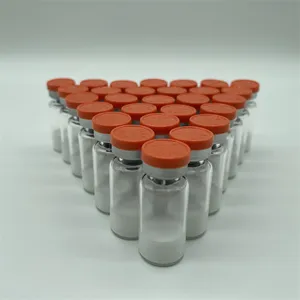
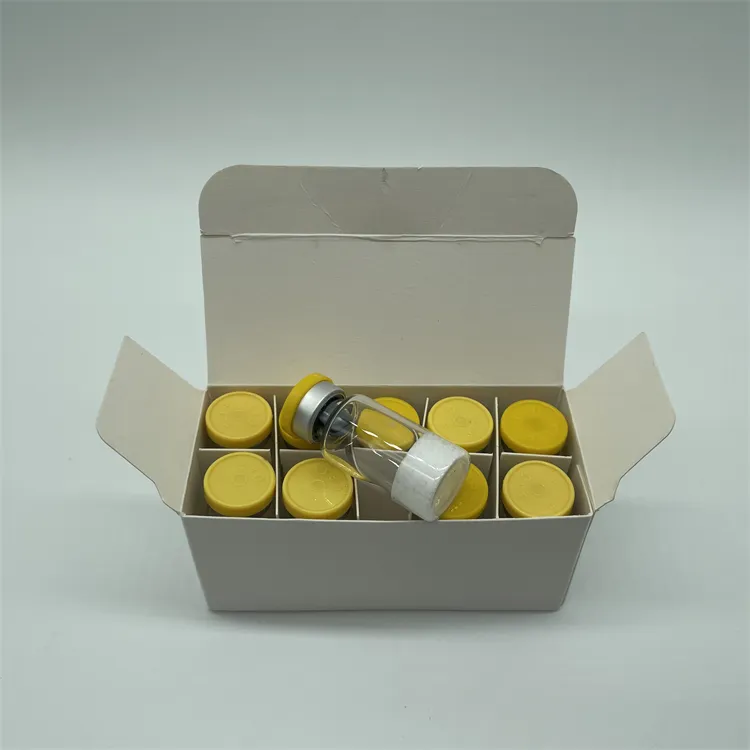
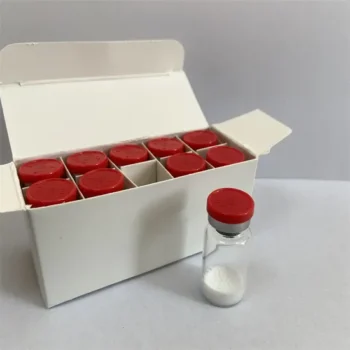
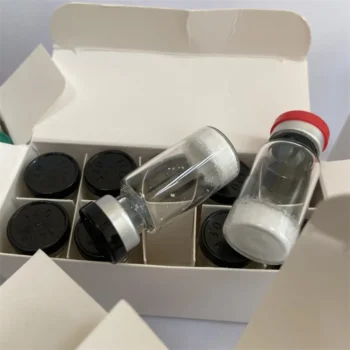
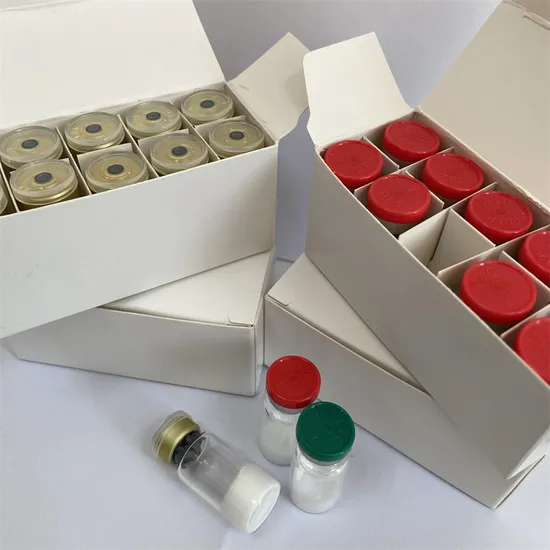
| Appearance | White to off-white lyophilized powder |
| Solubility | Soluble in DMSO, PBS, and aqueous buffers |
| Stability | Stable for ? 24 months in lyophilized form |
| Storage Conditions | -20°C, desiccated, protected from light |
| Mechanism | Selective modulation of autoreactive T-cells, cytokine profile alteration |
| GMP Compliance | Produced under GMP conditions |
| Application | Autoimmune disease research, multiple sclerosis studies, immune tolerance models |
| Experimental Models | In vitro T-cell assays, EAE mouse model, peptide immunization studies |
| Safety Considerations | Laboratory research only; not for clinical use |
The GMP-grade production of Tiplimotide ensures batch-to-batch consistency, structural integrity, and high purity, which are critical for reproducibility in immunological assays.
Mechanism of Action & Research Applications
Mechanism of Action
T-cell Receptor Interaction
Tiplimotide modifies T-cell receptor recognition by altering key residues within MBP 83–99. This changes the signal strength delivered to autoreactive T-cells.Partial Agonism and Antagonism
Instead of fully activating T-cells, Tiplimotide induces partial signaling or blocks activation, leading to reduced production of proinflammatory cytokines.Cytokine Profile Modulation
Decreases Th1 cytokines (IFN-?, TNF-?, IL-2).
Increases regulatory cytokines (IL-10, TGF-?).
Immune Tolerance Induction
Promotes immune deviation toward a non-inflammatory phenotype, reducing CNS demyelination in animal models.
Research Applications
Multiple Sclerosis (MS) Research
Study antigen-specific immunomodulation, T-cell reactivity, and tolerance induction.Experimental Autoimmune Encephalomyelitis (EAE) Models
Investigate disease onset, progression, and severity in response to Tiplimotide treatment.T-cell Biology Studies
Explore activation thresholds, receptor signaling, and cytokine secretion patterns.Immune Tolerance Mechanisms
Model how altered peptide ligands can induce antigen-specific tolerance without global immunosuppression.Autoimmune Disease Therapy Design
Guide rational peptide design for MS and other T-cell mediated diseases (type 1 diabetes, rheumatoid arthritis, uveitis).Biomarker Identification
Evaluate cytokine shifts as biomarkers for tolerogenic peptide response.Combination Therapy Models
Study synergy with immunomodulatory drugs, biologics, or nanoparticle-based peptide delivery.
Tiplimotide thus serves as a benchmark APL for dissecting autoimmune pathophysiology and peptide-based therapeutic strategies.

Side Effects (Observed in Research Models)
In preclinical studies and laboratory models, Tiplimotide has shown:
Mild Immune Reactivity
Some autoreactive T-cells may still be partially activated, though with reduced cytokine secretion.Potential Allergic Responses
As a peptide, Tiplimotide may induce mild peptide-specific antibody formation in animal models.Dose-Dependent Effects
Higher concentrations may shift from immune tolerance to immune activation; careful titration is essential.Cytokine Shifts
While beneficial for tolerance studies, altered cytokine balances may complicate interpretation of mixed immune responses.Limited Translational Predictability
Responses in rodent models may not fully mimic human immunology, requiring cautious interpretation.
?? These side effects are reported only in research settings and are provided for reference. Tiplimotide is not approved for clinical use and must not be used in humans or animals outside controlled laboratory environments.
Disclaimer
For laboratory research use only. Not for human or veterinary use. We do not sell to patients.
Keywords
NBI-5788 altered peptide ligand
MBP83–99 peptide analog
Multiple sclerosis research peptide
Autoimmune neuroinflammation peptide
Antigen-specific immunomodulation peptide
GMP-grade immunology peptide
T-cell modulation peptide for MS
Immune tolerance altered peptide ligand
Experimental autoimmune encephalomyelitis peptide
Additional information
| Weight | 0.8 kg |
|---|---|
| Dimensions | 53 × 86 × 53 cm |
Related products
GLP-1 Retatrutide Weight Loss Slimming low price wholesale
GLP-1 peptide slimming product, 5mg 10mg 15mg vials, metabolic health- Application: Health Care Supplement
- Form: Disposable vials
- Dosages: 5mg, 10mg, 15mg
- Purity: >99%
Wholesale 99% Purity Epitalon Peptide Raw Powder for Skin Repair
Epitalon Peptide Raw Powder for Skin Repair Original price was: $33.00.$22.00Current price is: $22.00.GLP-1/GIP/glucagon combination therapy The Future of Metabolic Treatment (Wholesale Supplier Guide)
GLP-1/GIP/glucagon combination therapy Original price was: $38.00.$23.00Current price is: $23.00.Best Price with Peptides 10mg Vials – High-Purity Weight Loss Peptide in Stock with Safe Delivery
Weight Loss Peptide Moq: 10 vials per box Package: plastic or paper box Purity:99% Original price was: $36.00.$24.00Current price is: $24.00.

Reviews
There are no reviews yet.