
No products in the cart.
Sale

Tiprelestat (CAS 820211-82-3) | GMP Supplier & Manufacturer for Research Use
Original price was: $22.00.$18.00Current price is: $18.00.
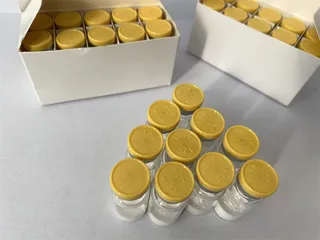
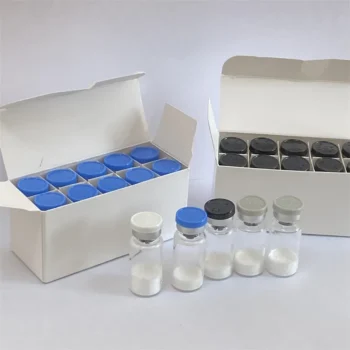
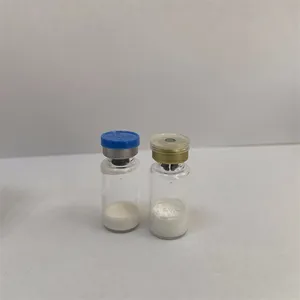
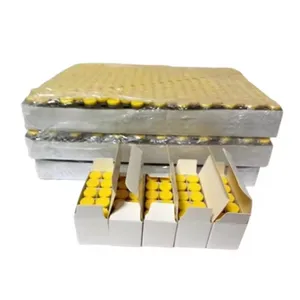
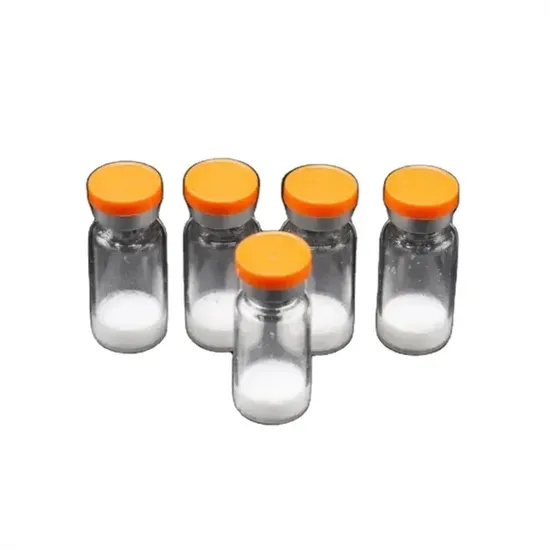
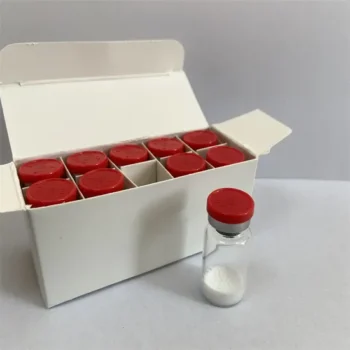
Tiprelestat (CAS 820211-82-3) is a selective human neutrophil elastase (HNE) inhibitor with strong anti-inflammatory and antimicrobial activities. It is widely used in the research of immune-mediated disorders, inflammation, and related disease models.(Please contact our staff to place an order or learn about product wholesale prices, specifications, uses and lists)
Description
Product Description
Tiprelestat (CAS 820211-82-3) is a synthetic small-molecule inhibitor that specifically targets human neutrophil elastase (HNE), a serine protease implicated in multiple inflammatory pathways. Neutrophil elastase is secreted by activated neutrophils during immune responses, and while it plays a critical role in pathogen defense, its overactivation is associated with tissue damage, chronic inflammation, and autoimmune disorders.
Chemically, Tiprelestat belongs to the class of peptidomimetic inhibitors that mimic endogenous protease substrates while conferring enhanced selectivity and stability. Its molecular design allows strong inhibitory binding to the active site of neutrophil elastase, thereby blocking proteolytic cleavage of extracellular matrix components and limiting tissue degradation.
The significance of Tiprelestat in research lies in its dual pharmacological profile:
Anti-inflammatory activity – suppressing elastase-mediated inflammatory cascades.
Antimicrobial support – modulating immune pathways that interact with host defense mechanisms.
In preclinical research, Tiprelestat has shown promise across a spectrum of disease models:
Chronic obstructive pulmonary disease (COPD) and cystic fibrosis (CF), where neutrophil elastase plays a role in airway remodeling.
Autoimmune disorders, including rheumatoid arthritis and systemic lupus erythematosus.
Sepsis and acute lung injury (ALI) models, in which elastase overactivation contributes to organ dysfunction.
Compared to other elastase inhibitors, Tiprelestat demonstrates:
Greater specificity for HNE versus other proteases.
Higher solubility and stability under experimental conditions.
Reduced off-target cytotoxicity, ensuring reliability in long-term studies.
This unique profile makes Tiprelestat an indispensable compound in immunology, pharmacology, and translational medicine research.
Product Specifications
| Parameter | Details |
|---|---|
| Product Name | Tiprelestat |
| Synonyms | ONO-5046, HNE inhibitor |
| CAS Number | 820211-82-3 |
| Molecular Type | Synthetic small-molecule inhibitor |
| Functional Role | Human neutrophil elastase inhibitor |
| Appearance | White to off-white crystalline powder |
| Purity | ? 98% (HPLC verified) |
| Molecular Formula | C??H??N?O? (approx., may vary with salt form) |
| Molecular Weight | ~463.53 g/mol |
| Solubility | Soluble in DMSO, ethanol, and aqueous buffers |
| Stability | Stable ? 24 months in lyophilized form |
| Storage Conditions | -20°C, dry, light-protected |
| GMP Compliance | Produced under GMP standards |
| Applications | Inflammation, autoimmune disease, antimicrobial defense |
| Availability | Bulk & laboratory-scale quantities |
Tiprelestat’s high-purity production ensures reproducibility in assays and cross-laboratory experiments. Its aqueous solubility and lyophilized stability make it compatible with a wide range of biological systems. Researchers can rely on Tiprelestat as a consistent and reliable tool in both in vitro and in vivo models.
Mechanism of Action & Research Applications
Mechanism of Action:
Tiprelestat acts by irreversibly binding to the catalytic serine residue of human neutrophil elastase, preventing proteolytic degradation of structural proteins such as elastin, fibronectin, and collagen. This inhibition:
Reduces tissue remodeling in chronic inflammation.
Prevents alveolar wall destruction in lung disease.
Limits immune-driven fibrosis in autoimmune pathology.
Research Applications:
Pulmonary Disease Research
COPD, cystic fibrosis, emphysema: Tiprelestat reduces airway neutrophilic inflammation and extracellular matrix breakdown.
Autoimmune Disorders
Rheumatoid arthritis: prevents joint cartilage erosion.
Multiple sclerosis: modulates immune-mediated damage.
Sepsis and Acute Lung Injury
Attenuates cytokine storm and neutrophil overactivation.
Dermatological Models
Psoriasis and skin inflammation, where neutrophil elastase drives keratinocyte proliferation.
Cancer Research
Investigated as a modulator of tumor microenvironment, since elastase contributes to tumor invasion and angiogenesis.
Translational Research Value:
Tiprelestat provides a platform for developing next-generation neutrophil elastase inhibitors with potential clinical utility. By bridging preclinical and translational research, it helps clarify immune-protease interactions and supports therapeutic discovery.

Side Effects (For Reference in Research Models)
While generally well tolerated in laboratory studies, Tiprelestat has demonstrated certain side effects in experimental models:
Dose-dependent cytotoxicity at very high concentrations.
Altered immune balance, as inhibition of elastase may reduce microbial clearance.
Mild hepatotoxicity markers in long-term studies.
Reduced neutrophil recruitment, potentially altering infection outcomes.
Formulation sensitivity, with solubility and delivery methods influencing biological effects.
Researchers are advised to consider dose optimization and parallel controls when designing experiments involving Tiprelestat.
Disclaimer
For laboratory research use only. Not for human or veterinary use.
Keywords
Tiprelestat GMP manufacturer
Human neutrophil elastase inhibitor
Research use only neutrophil elastase inhibitor
Additional information
| Weight | 0.8 kg |
|---|---|
| Dimensions | 53 × 28 × 53 cm |
Related products
Tirzepatide Raw Material Factory: Low-Price Wholesale for High-Purity Peptides
Tirzepatide Compound CID: 163285897 MF: C225H348N48O68 diabetes [9][13][14][15] and for weight loss Original price was: $38.00.$23.00Current price is: $23.00.High Purity Weight Loss Peptide Reta, Trutide, GHK-Cu, Epitalon Peptide – The Ultimate Solution for Effective Weight Loss and Anti-Aging
Weight Loss Peptide Function Dose 2mg 5mg 10mg 15mg 20mg Higher Original price was: $36.00.$25.00Current price is: $25.00.Tesamorelin Raw Material Factory: Low-Price Wholesale for High-Purity Peptides
Tesamorelin Egrifta; Tesamorelin; 218949-48-5; 804475-66-9; TH9507; ... Compound CID: 16137828 MF: C221H366N72O67S Original price was: $38.00.$23.00Current price is: $23.00.Wholesale 99% Purity Epitalon Peptide Raw Powder for Skin Repair
Epitalon Peptide Raw Powder for Skin Repair Original price was: $33.00.$22.00Current price is: $22.00.


Reviews
There are no reviews yet.